Why did the line stop?
The PLC knows the line stopped. IRIS sees what happened to stop it.
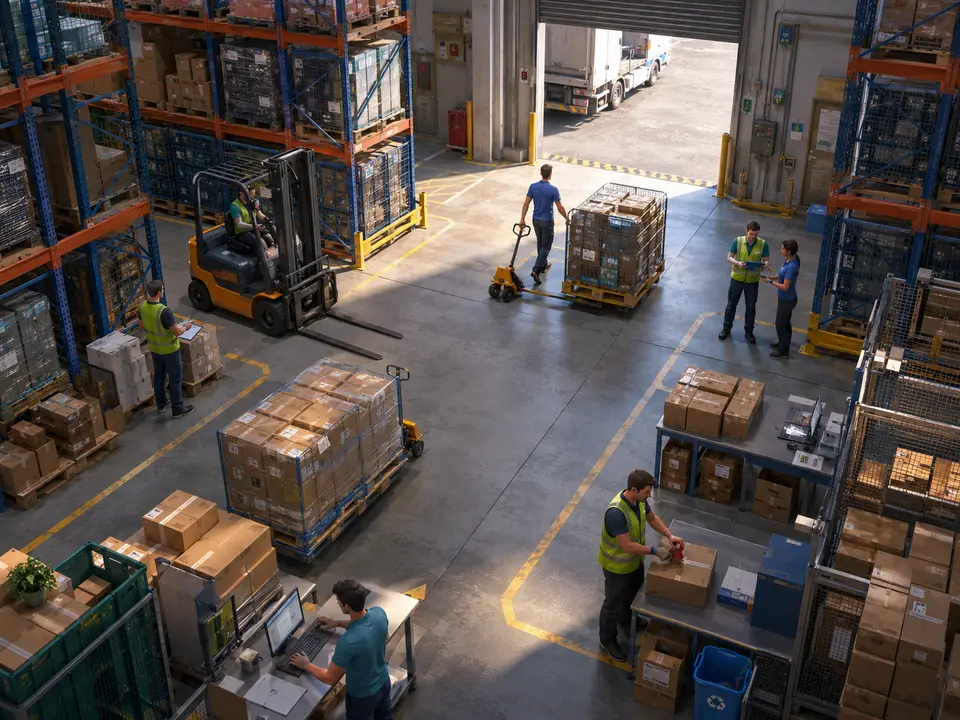
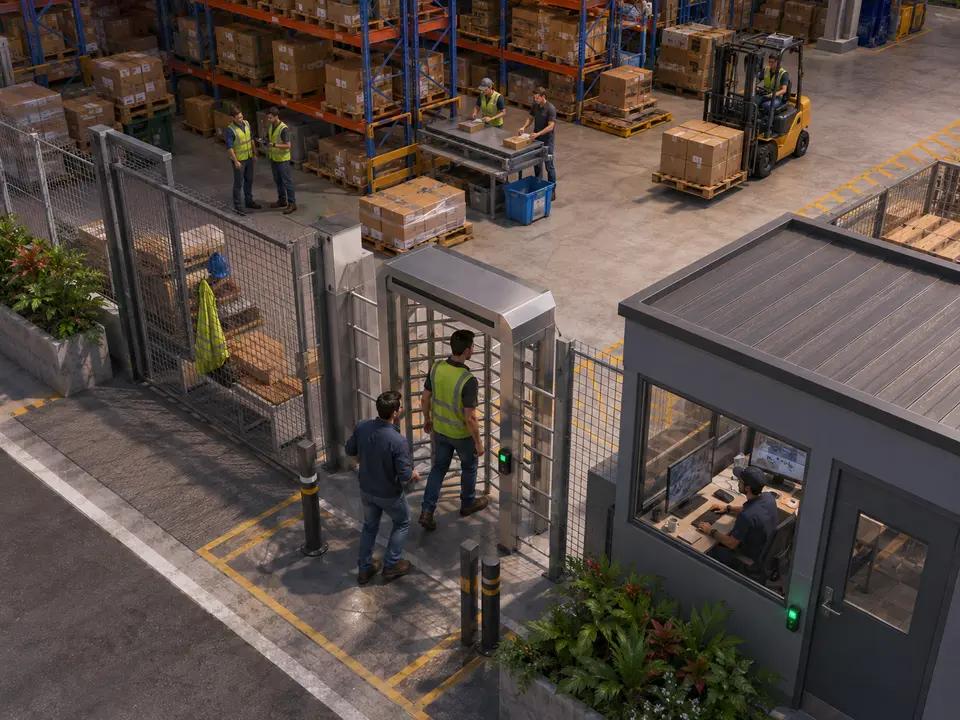
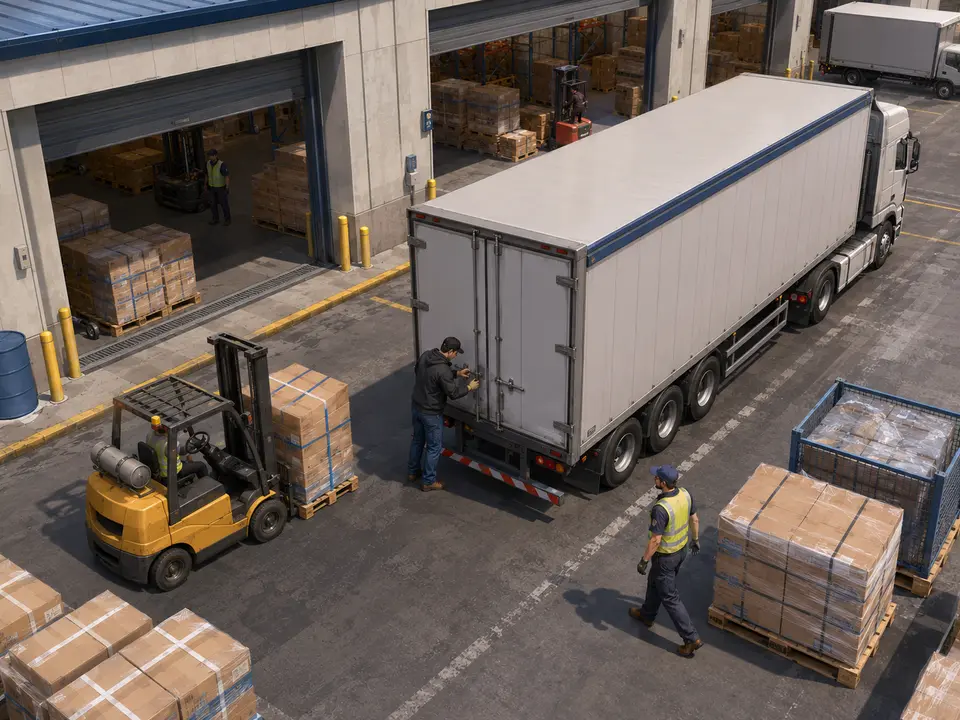
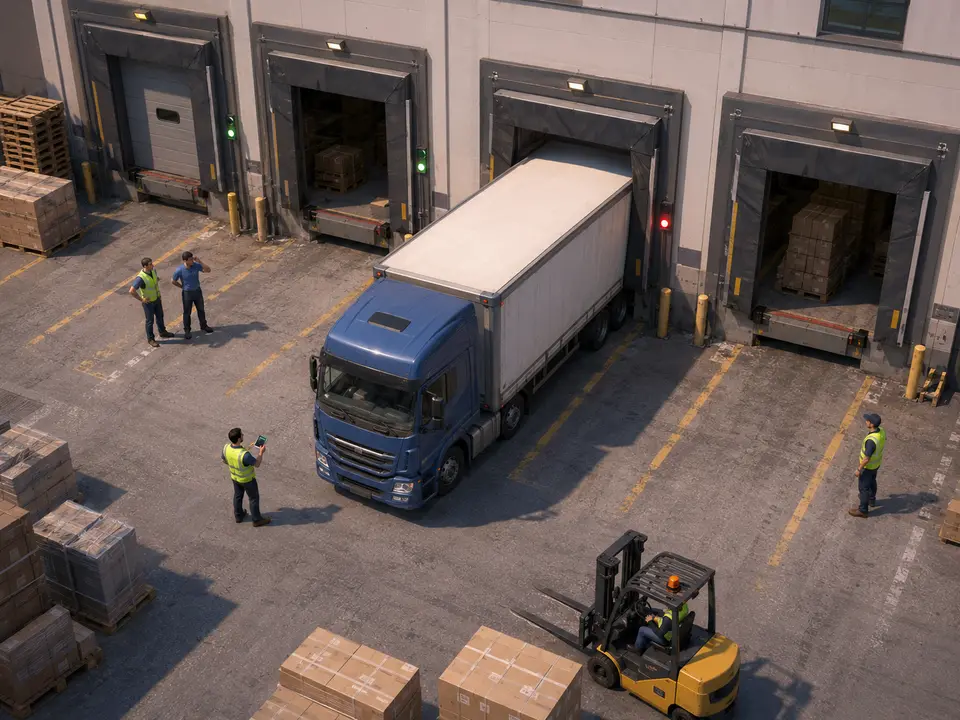
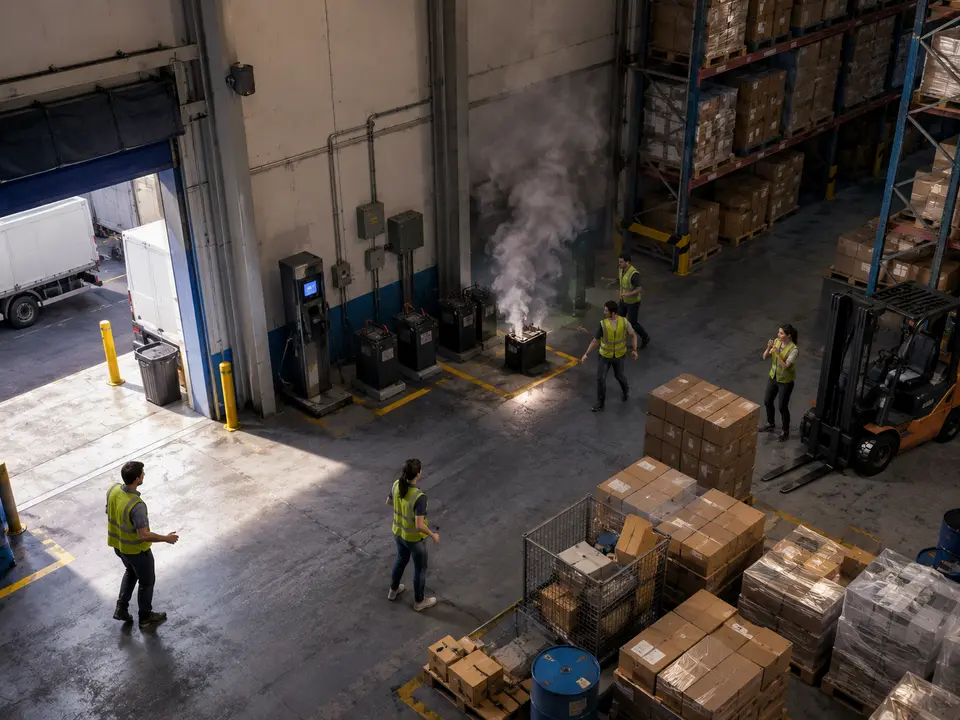
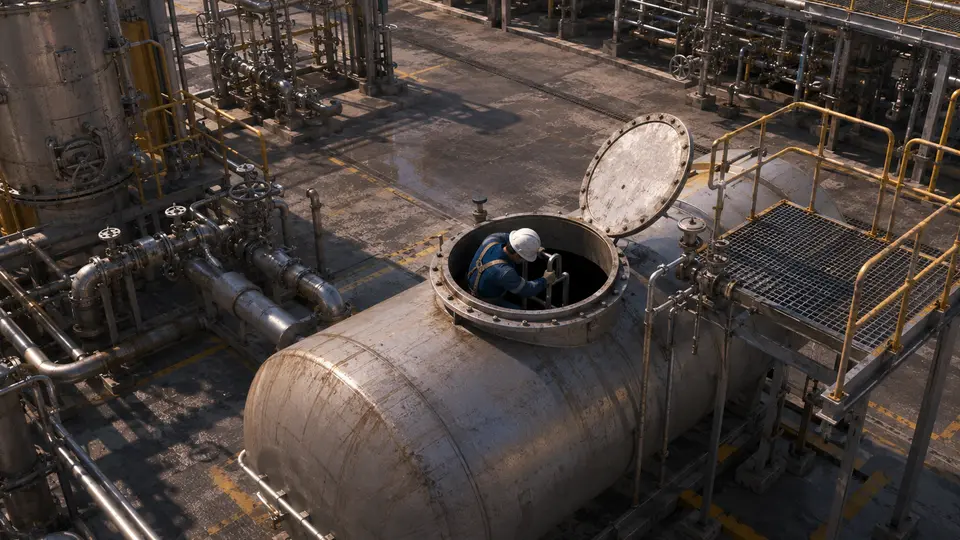
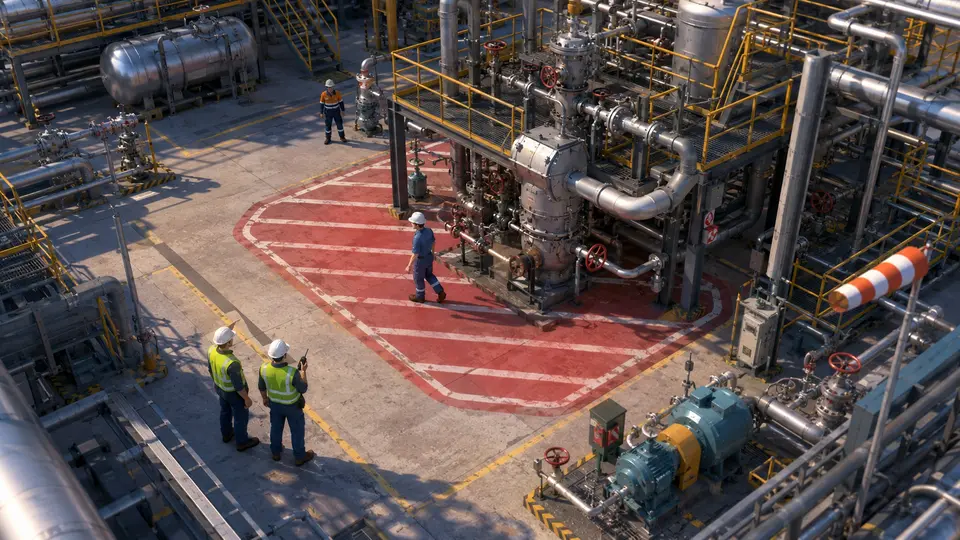
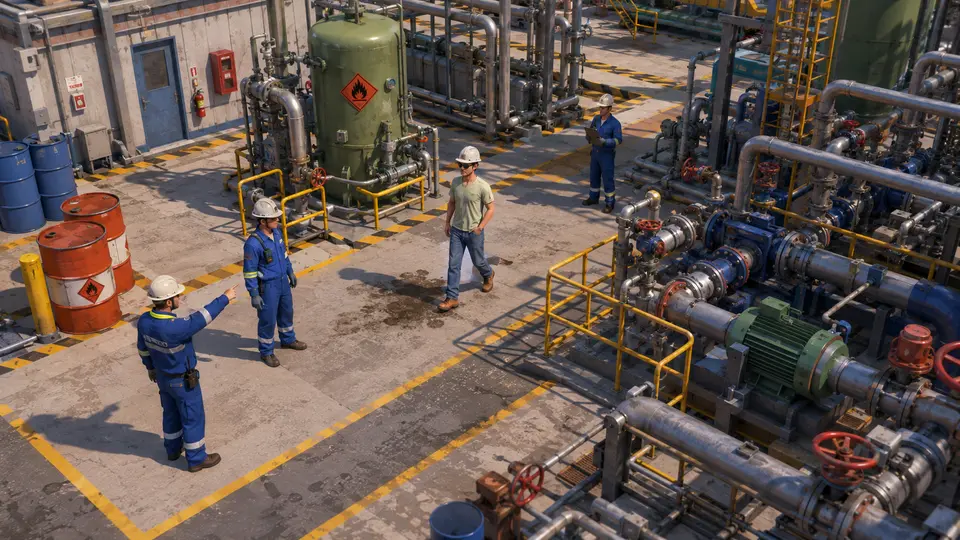
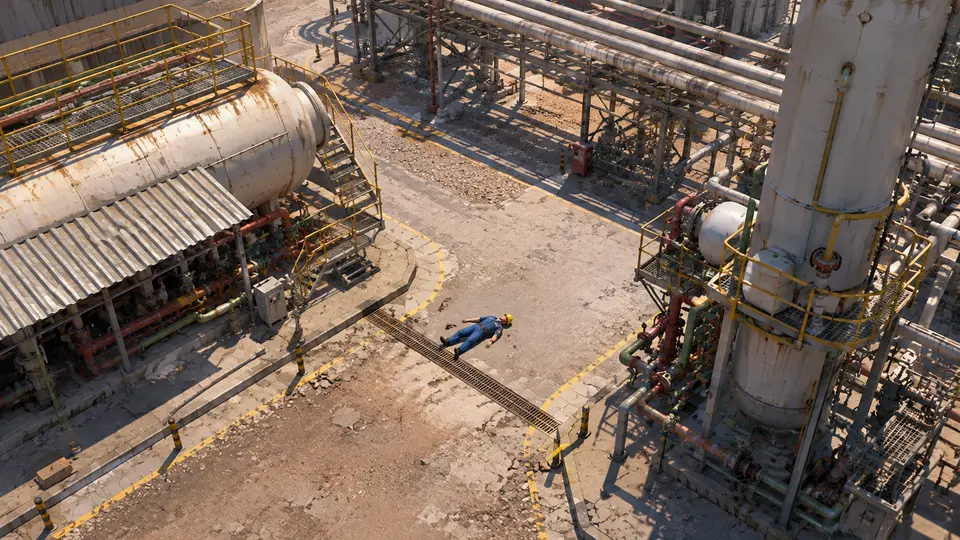
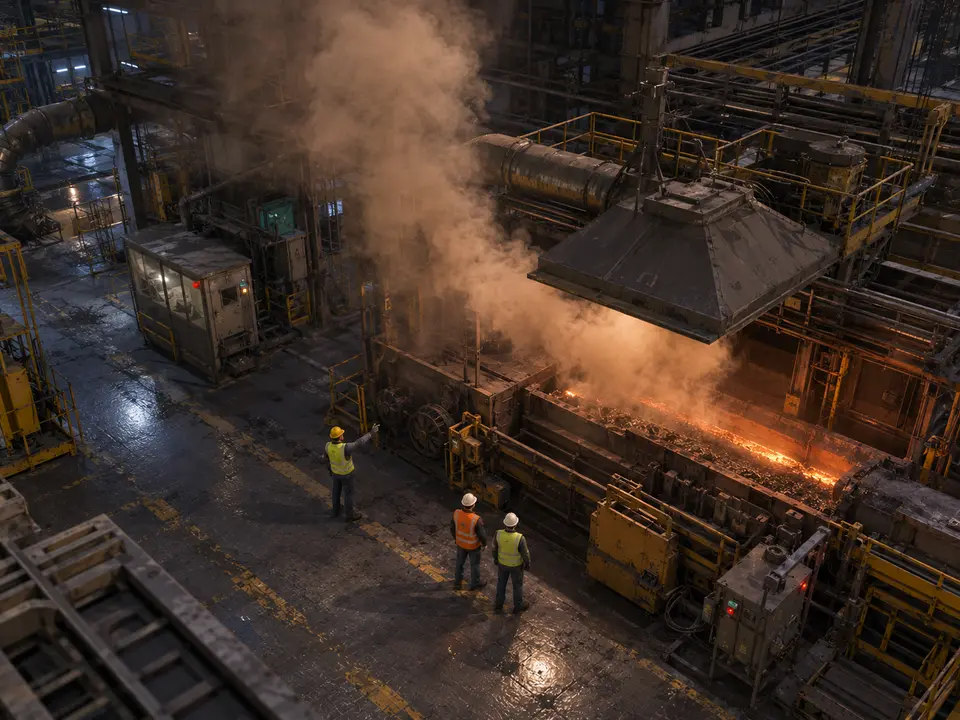
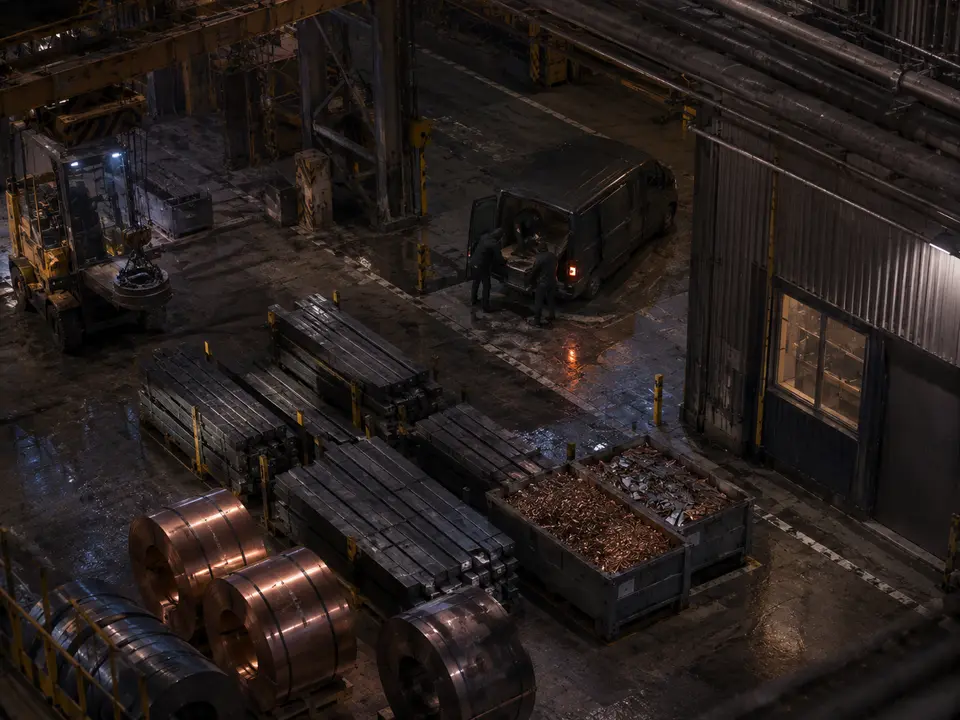
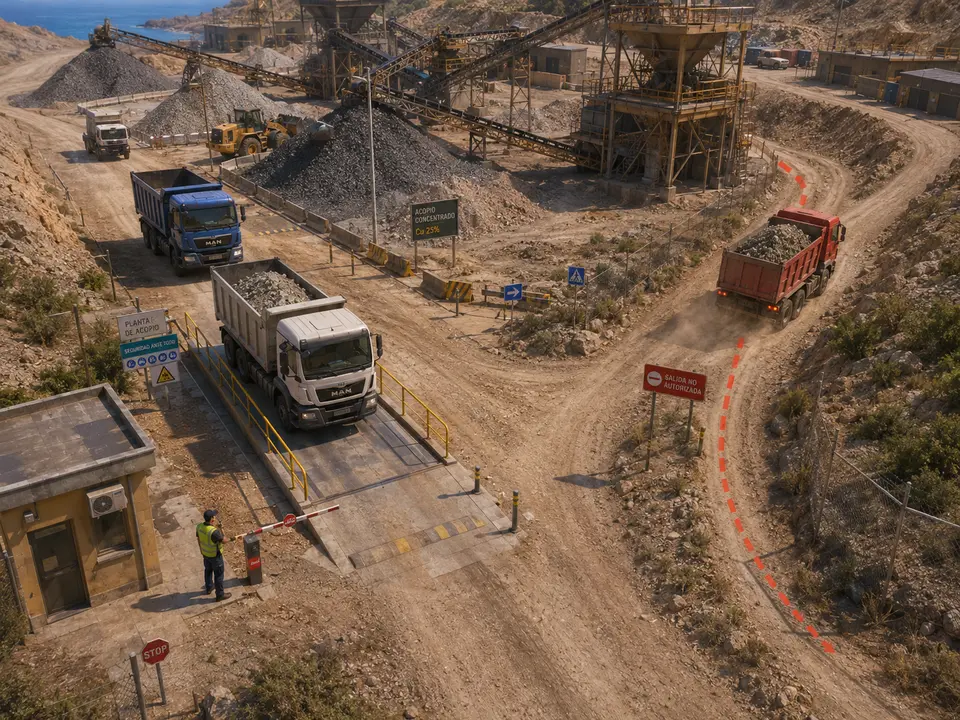
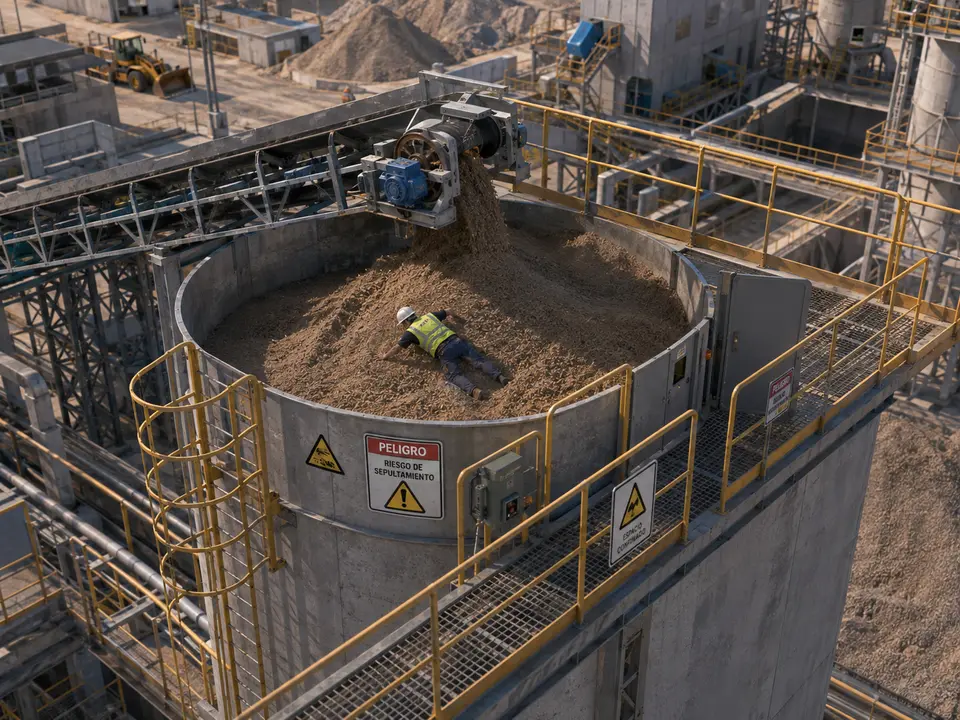
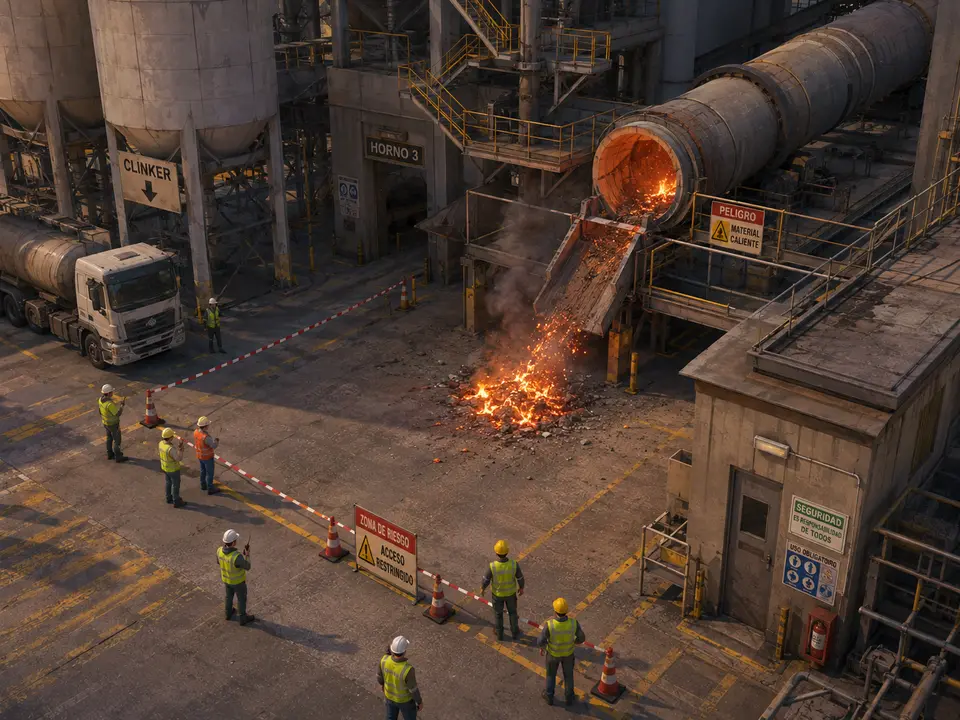
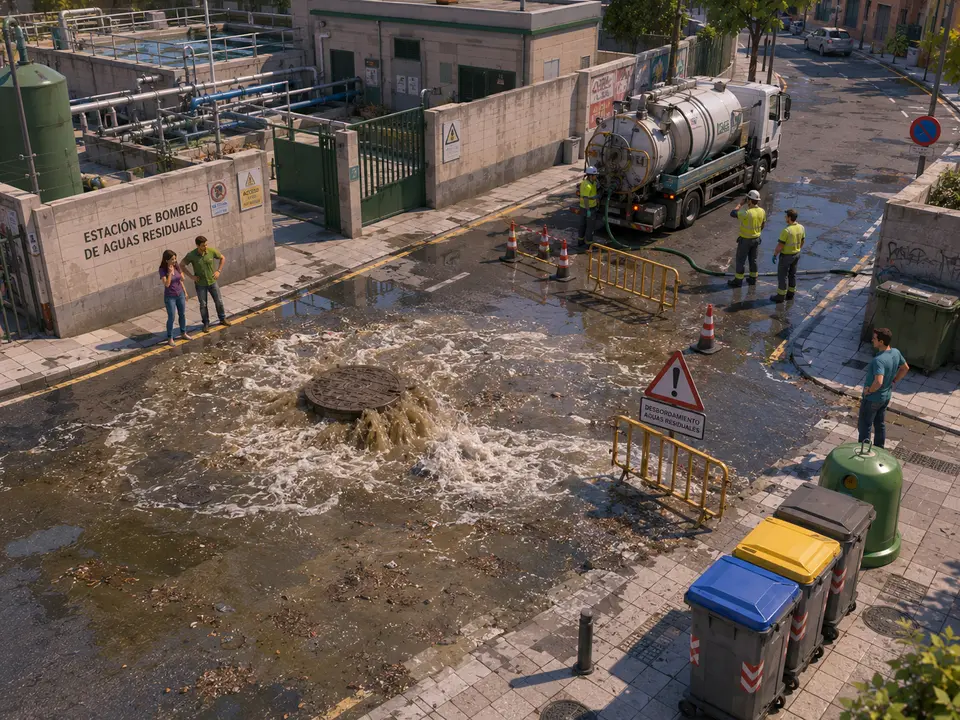
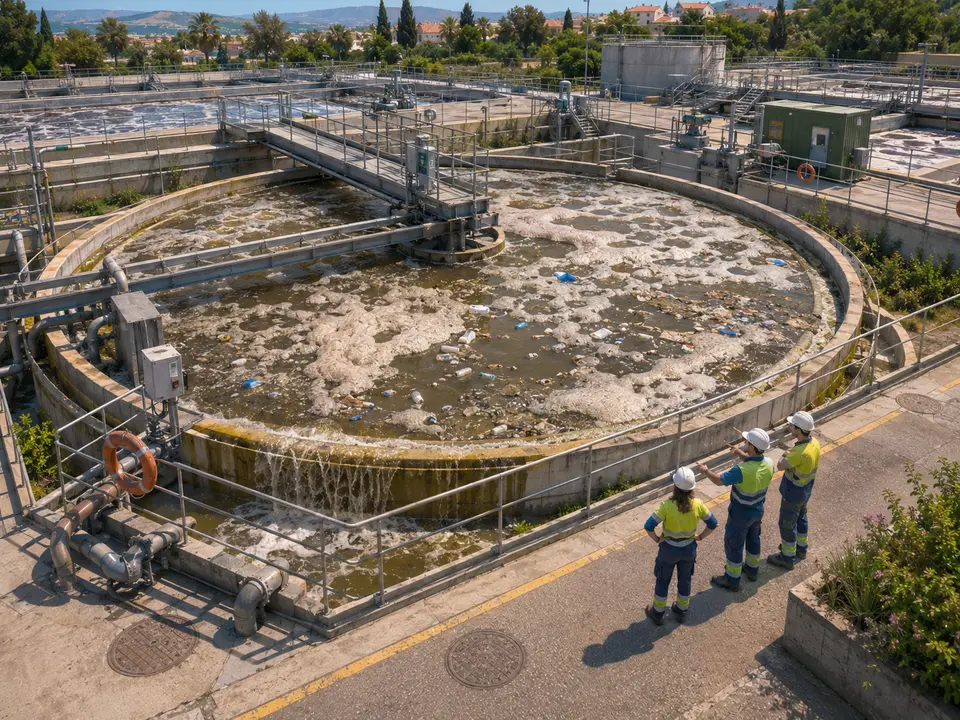
It does not just detect the outcome. It keeps the exact moment the problem started, what was around it and who or what stepped in. Here are twelve industrial sectors and the cameras already installed in each one.

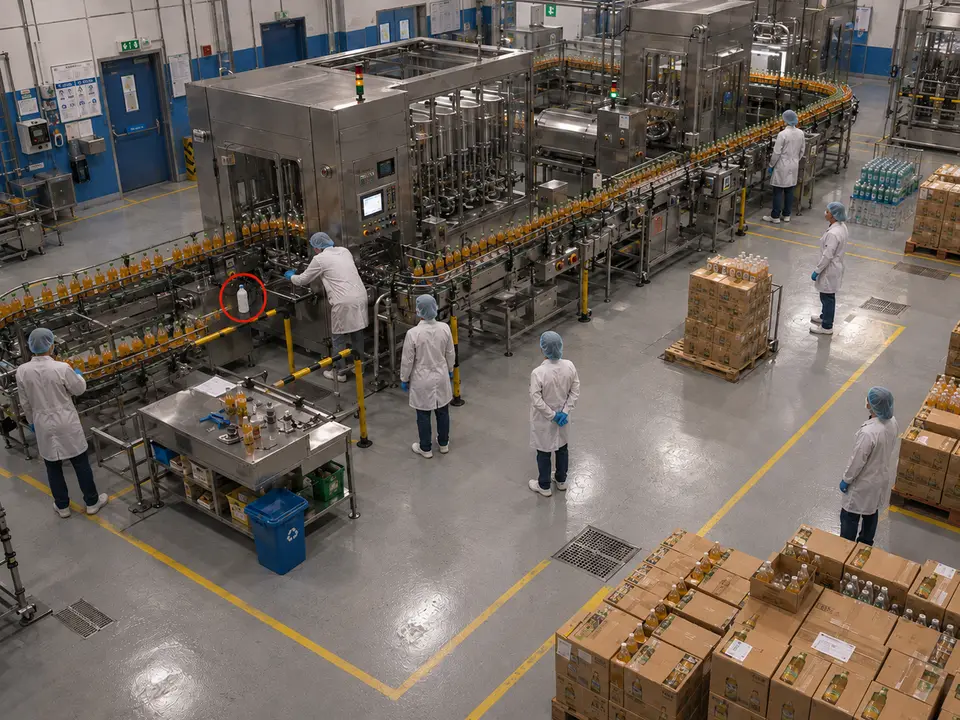
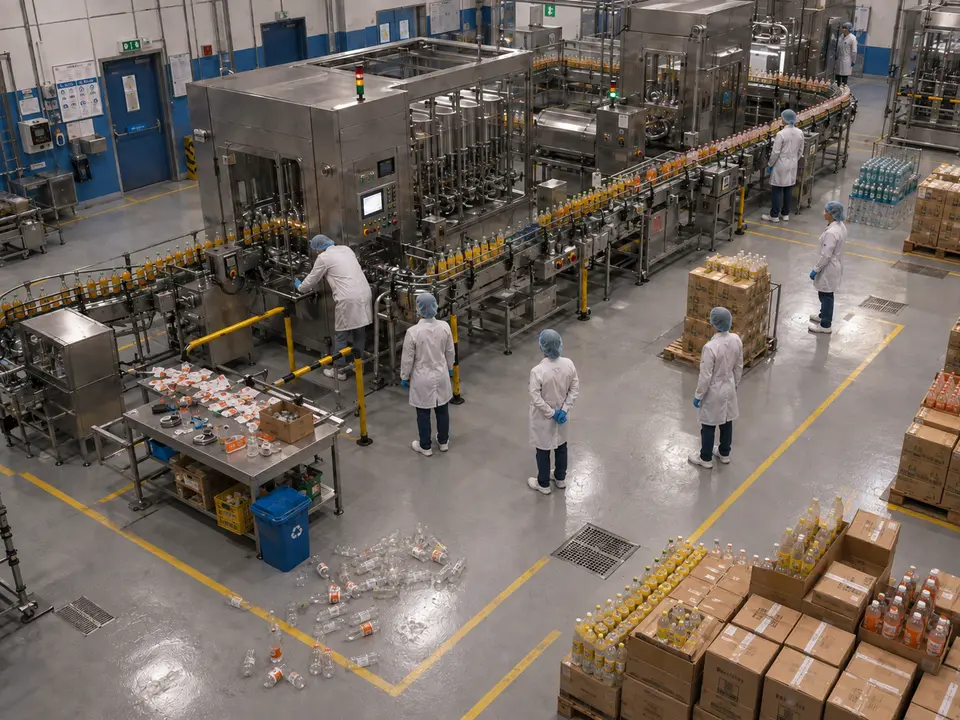
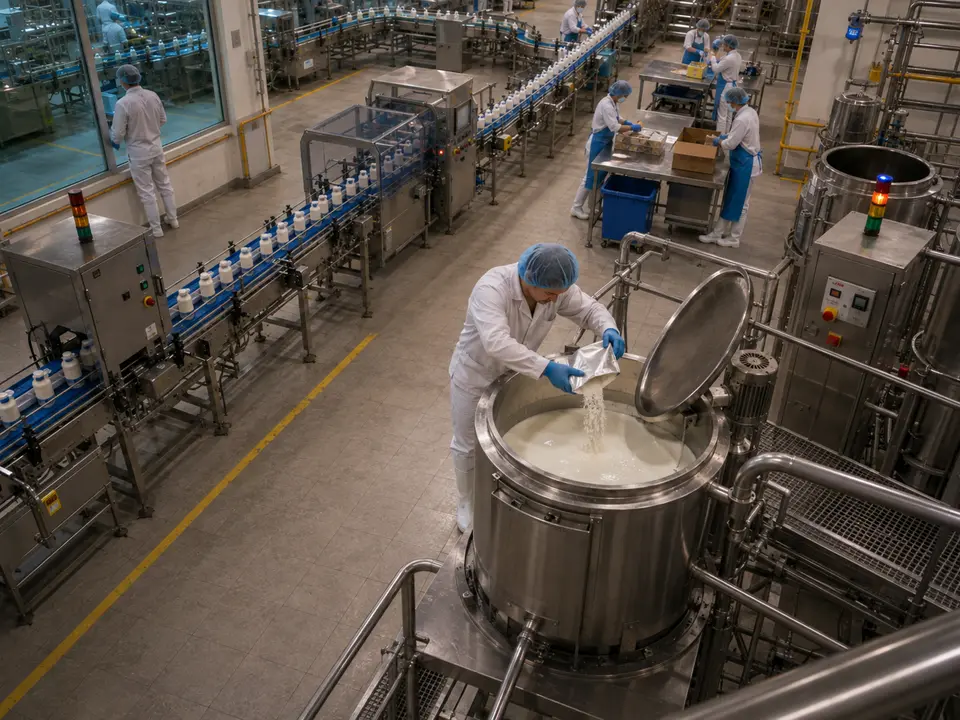
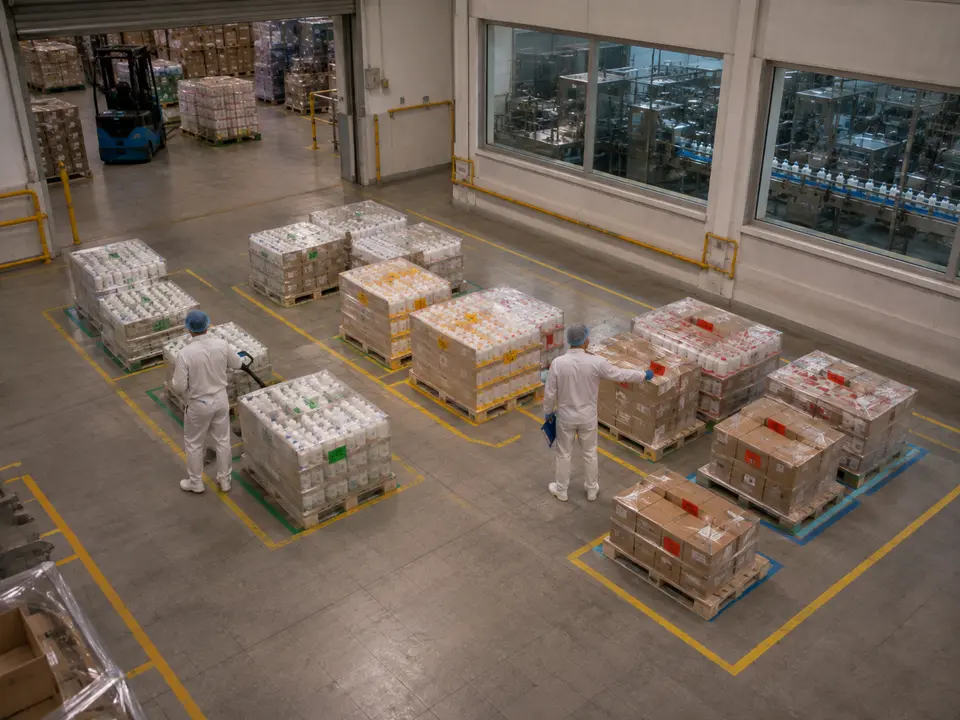
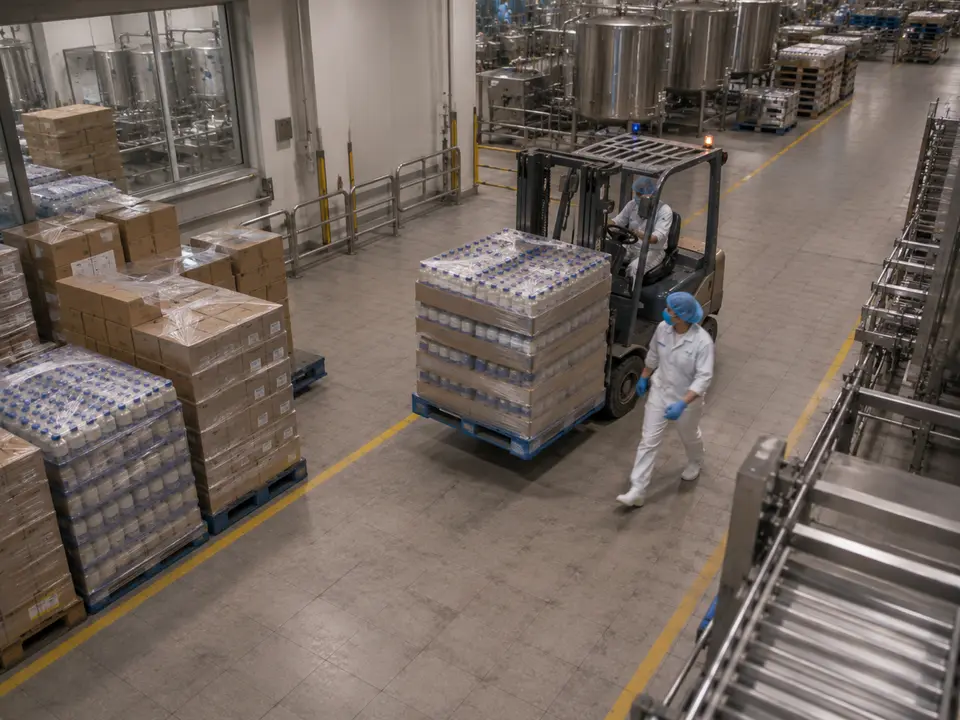
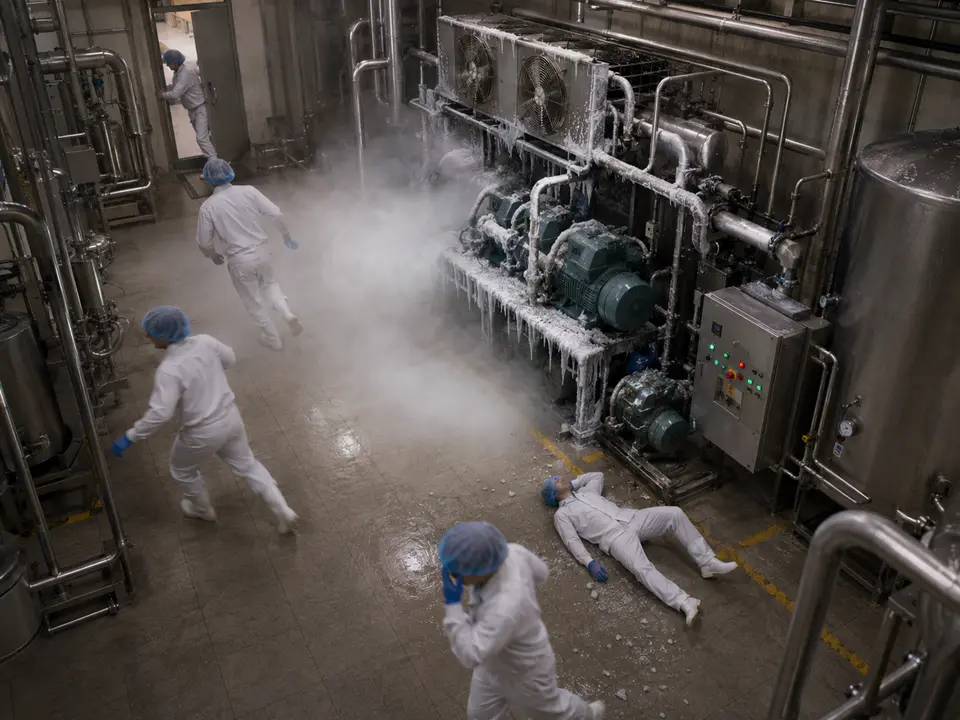
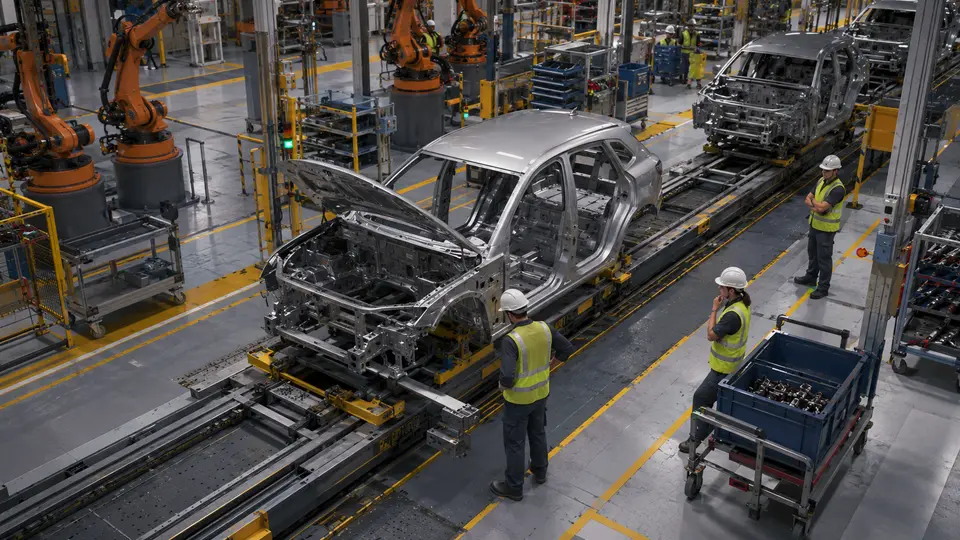
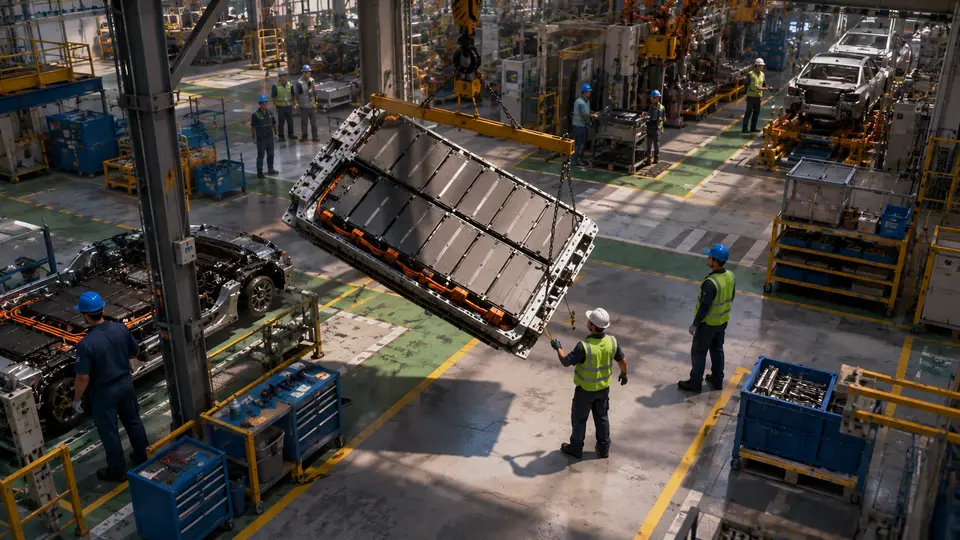
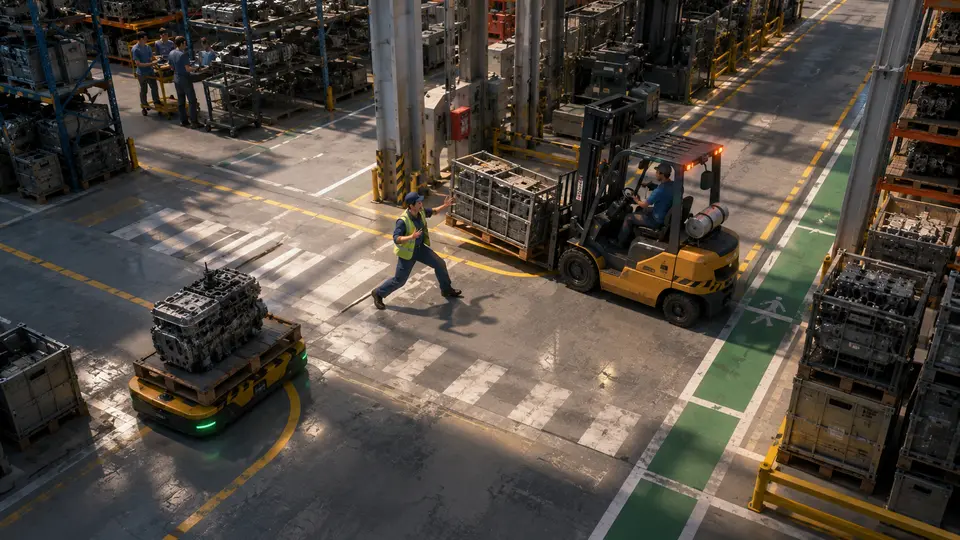
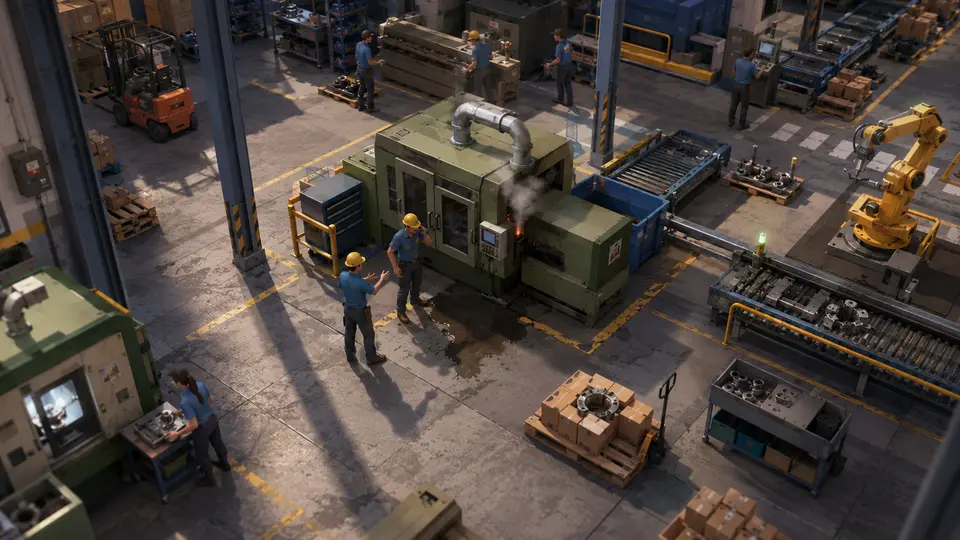
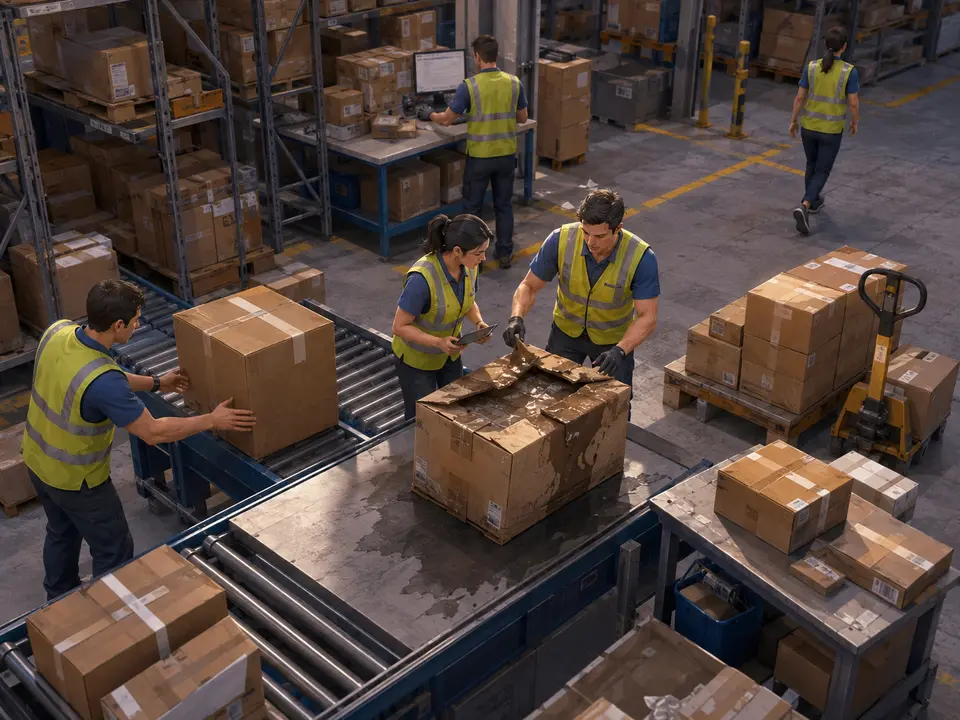
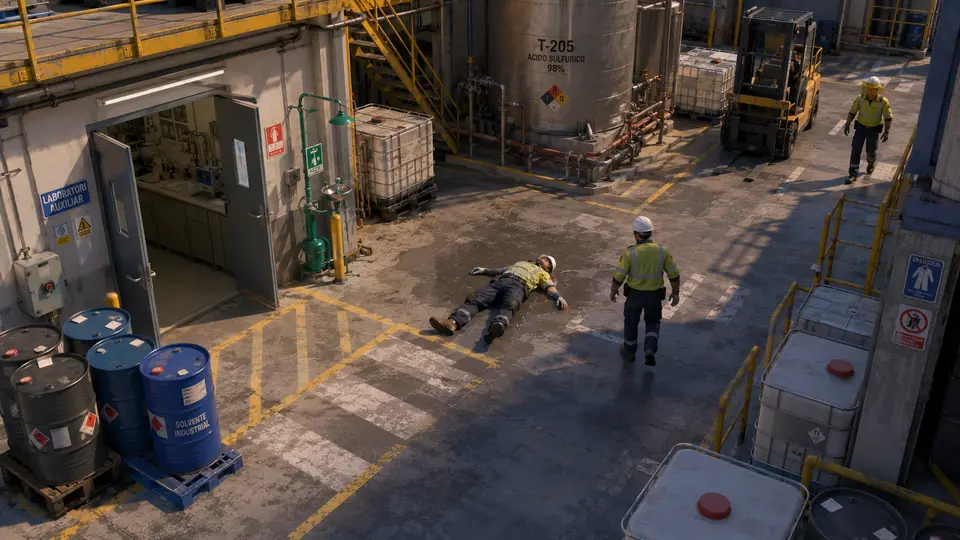
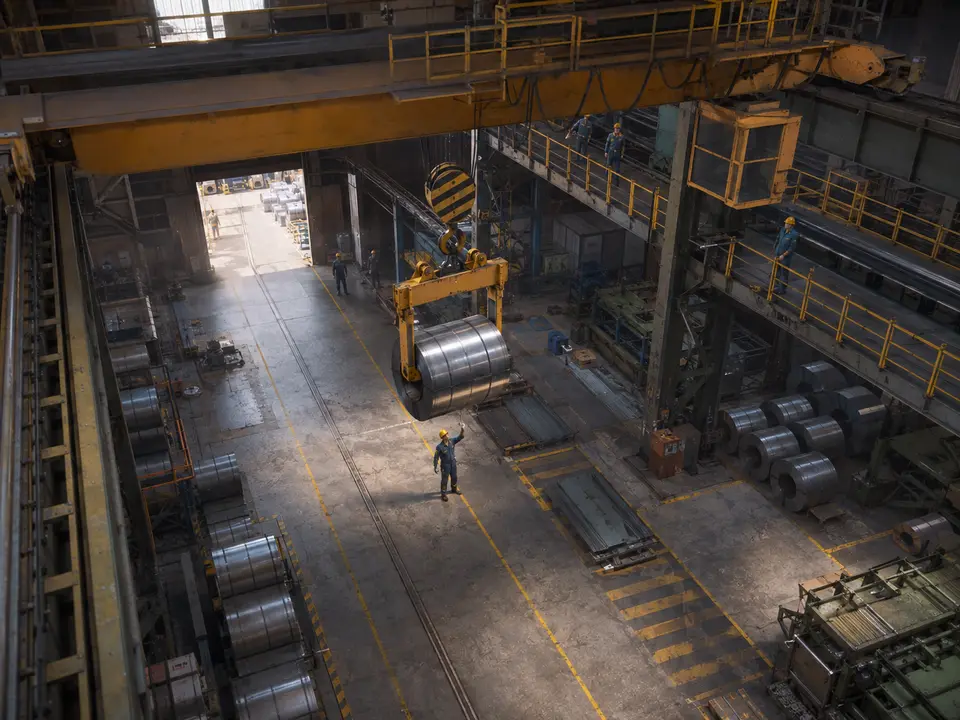
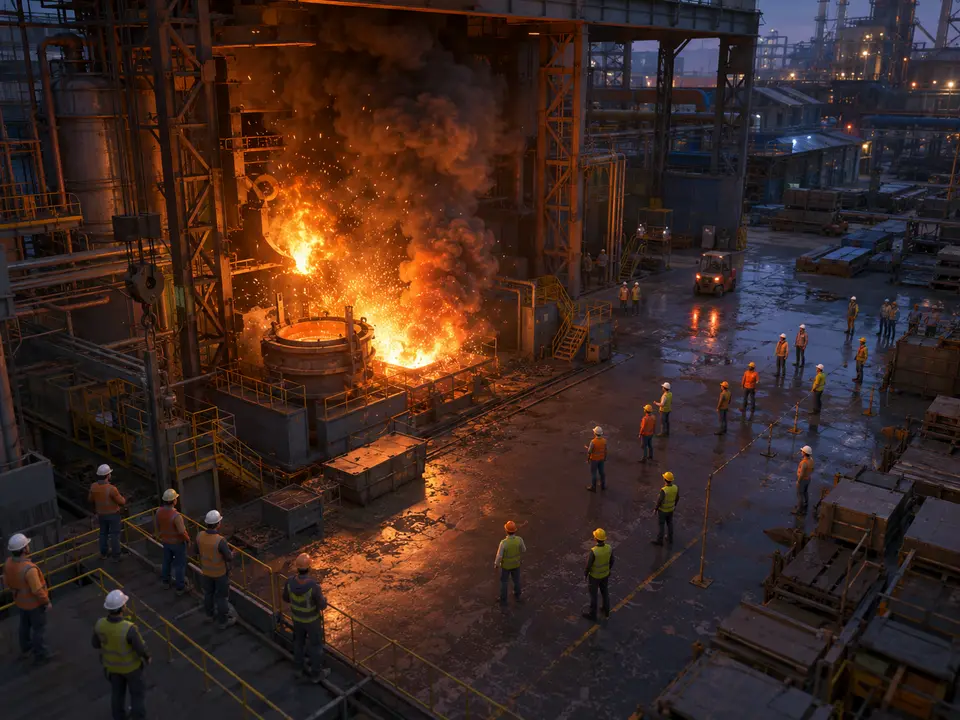
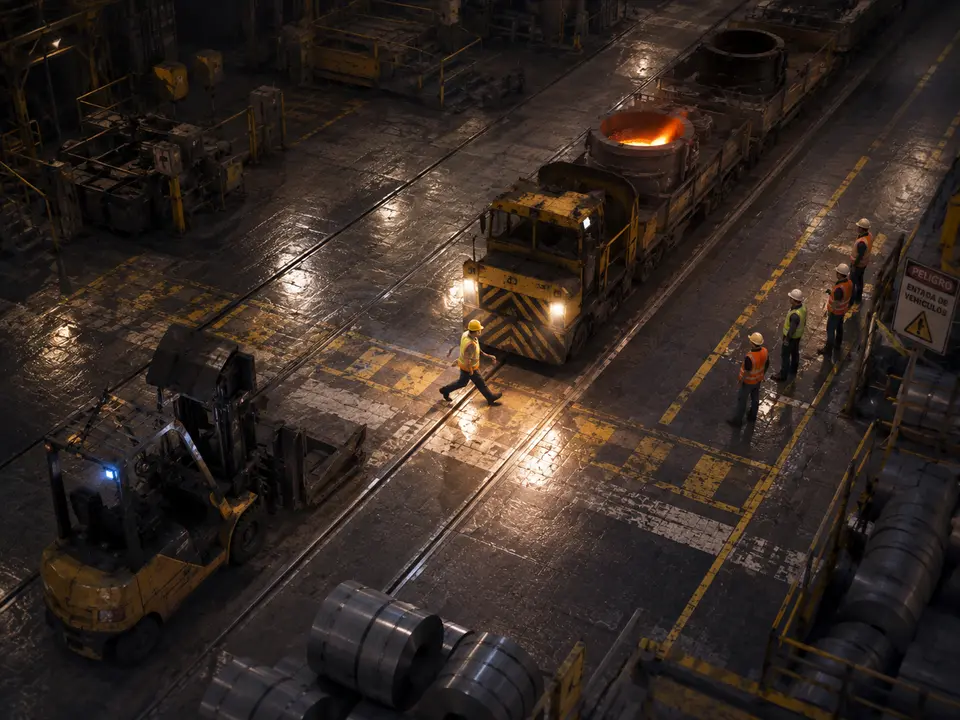
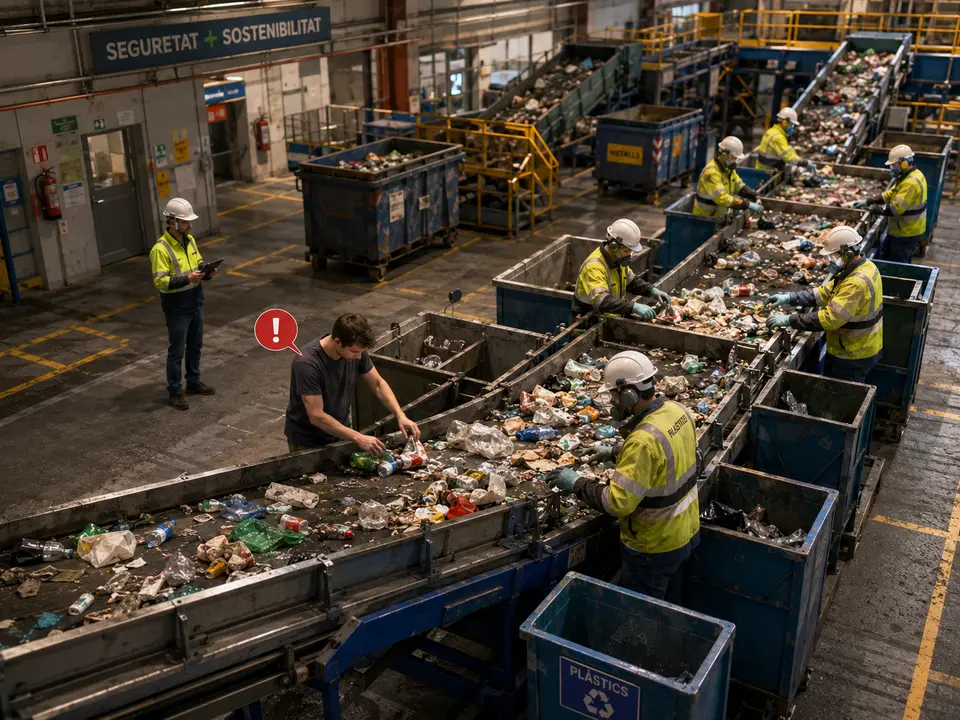
Without IRIS, this is a plant where what happened gets reconstructed by asking around.
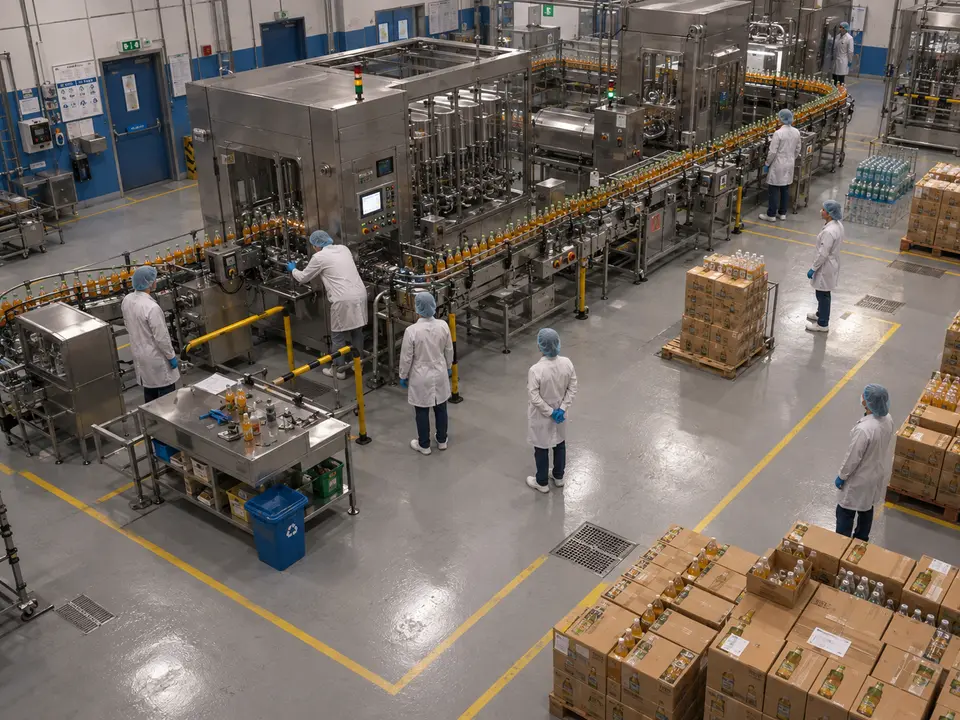
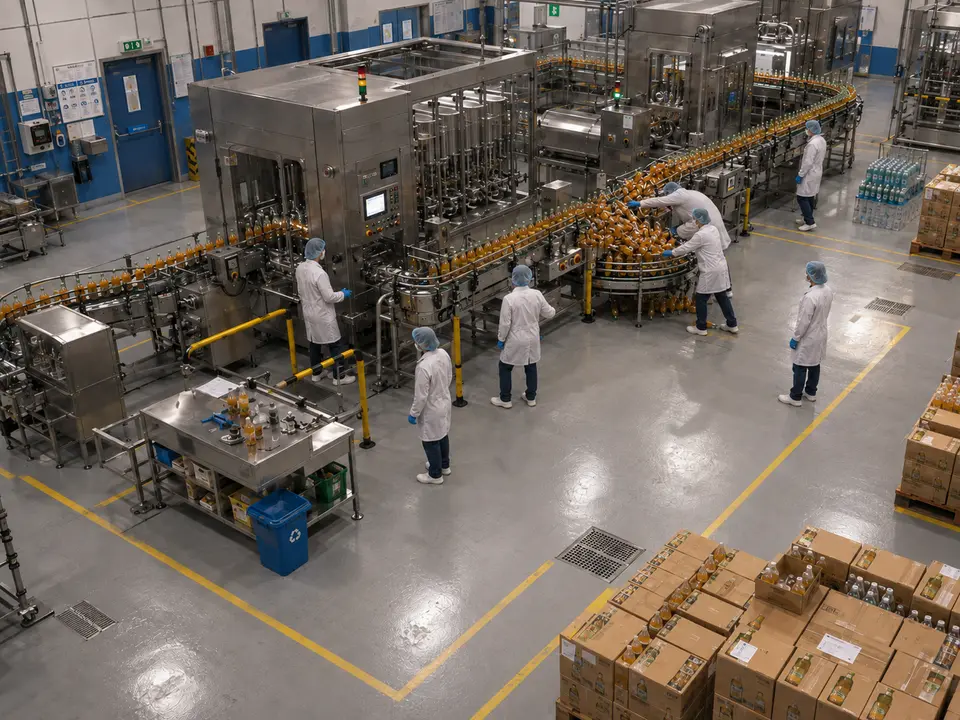
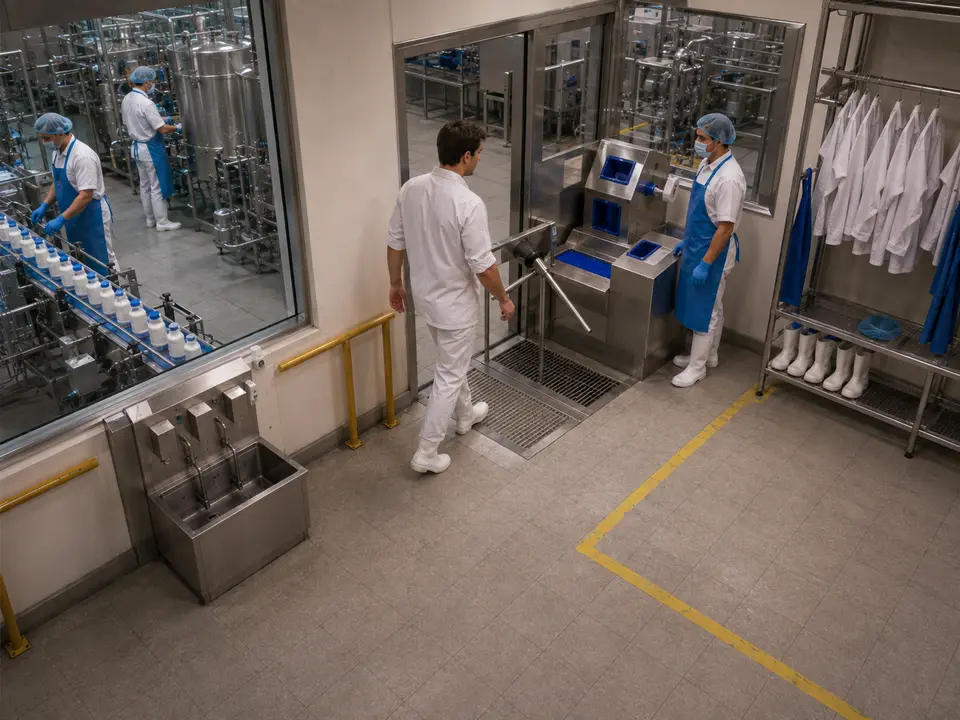
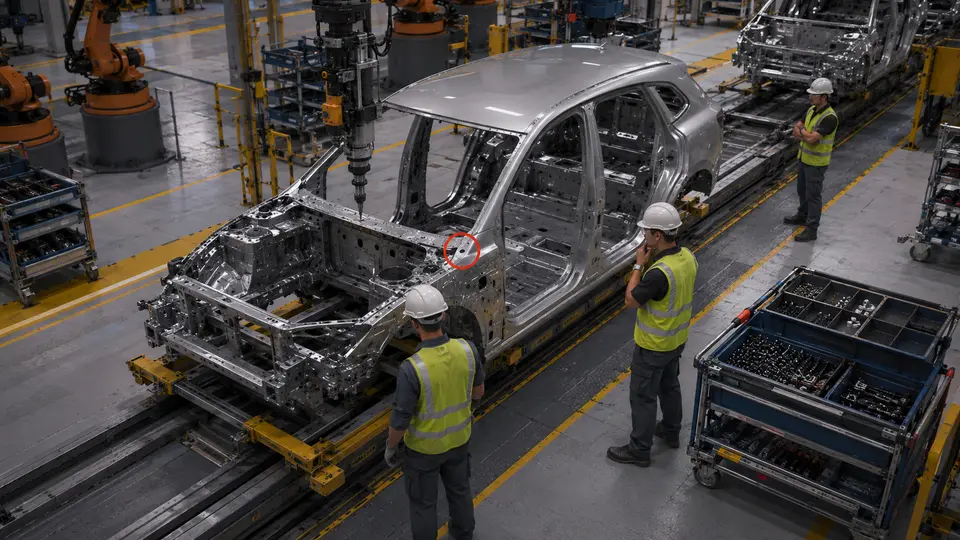
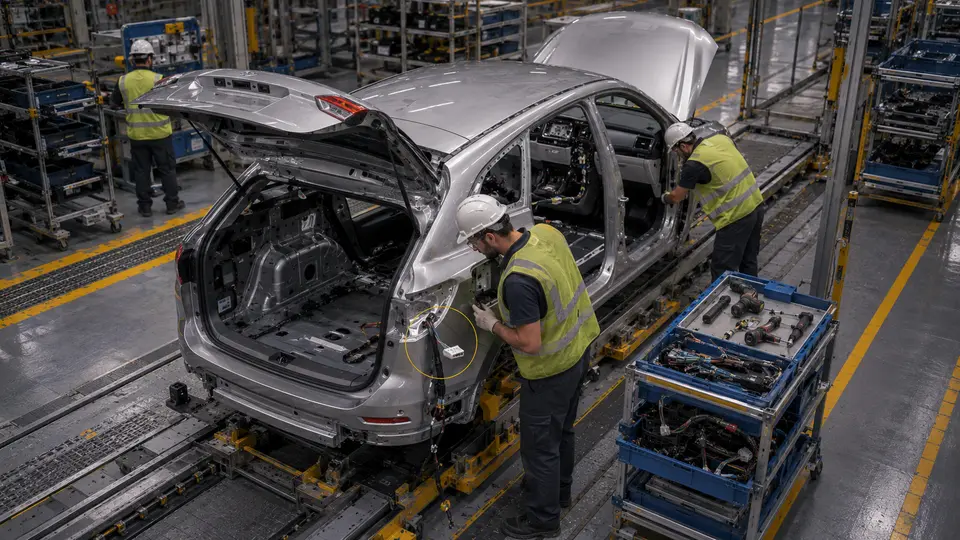
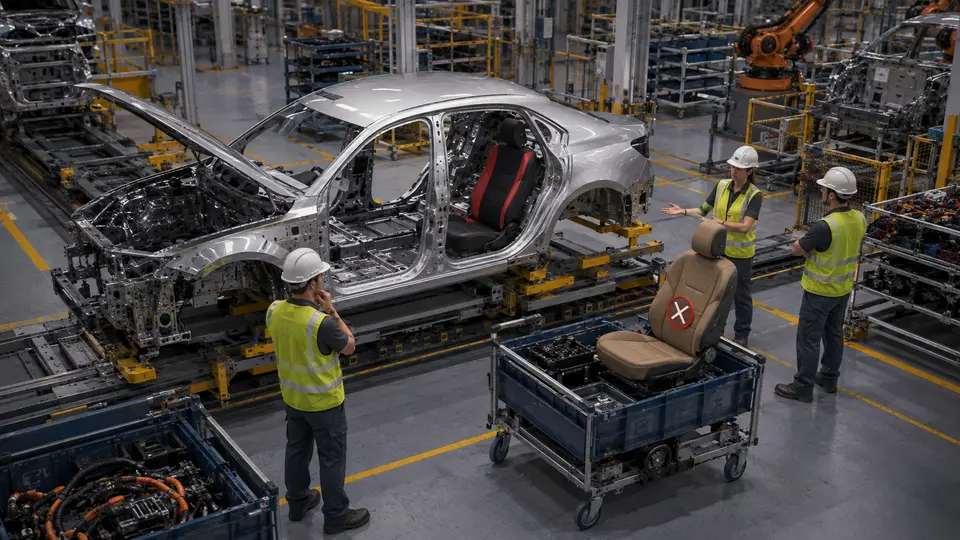
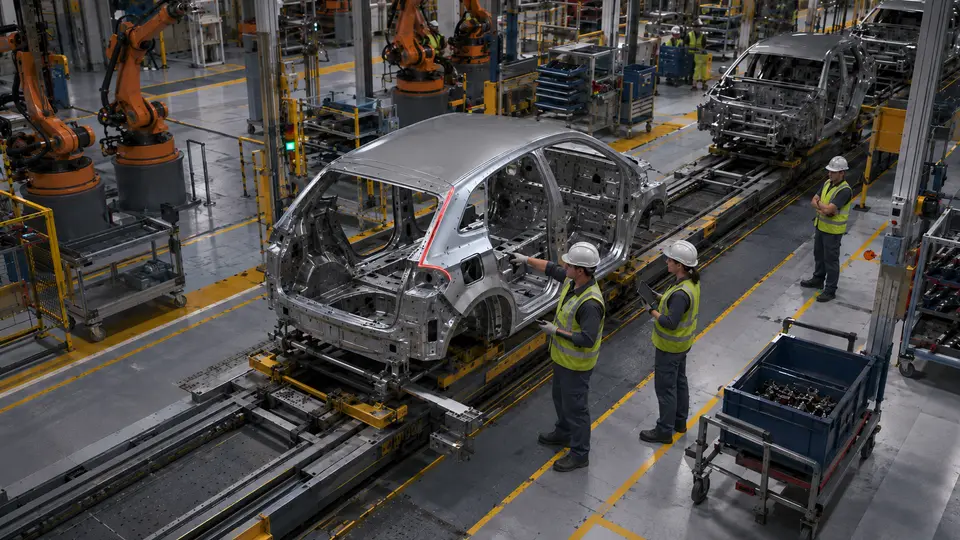
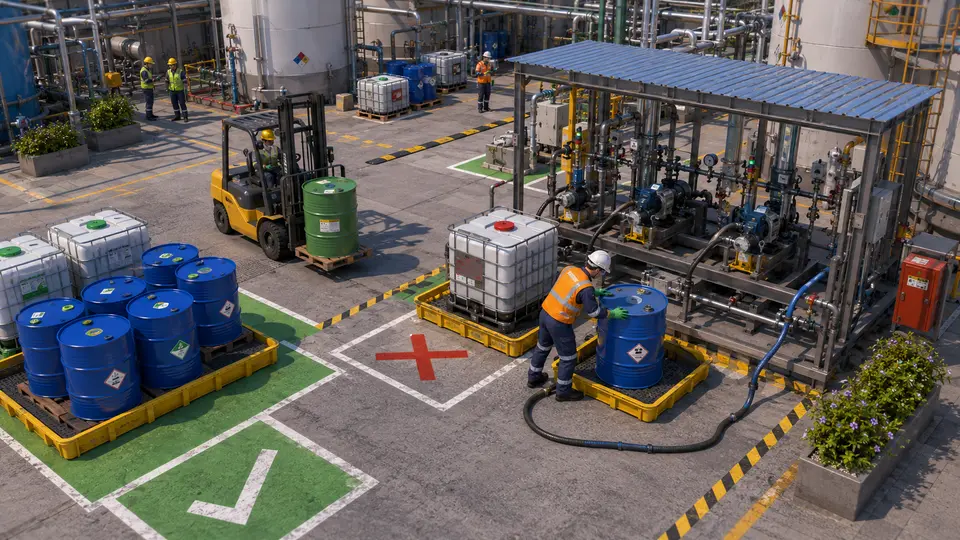
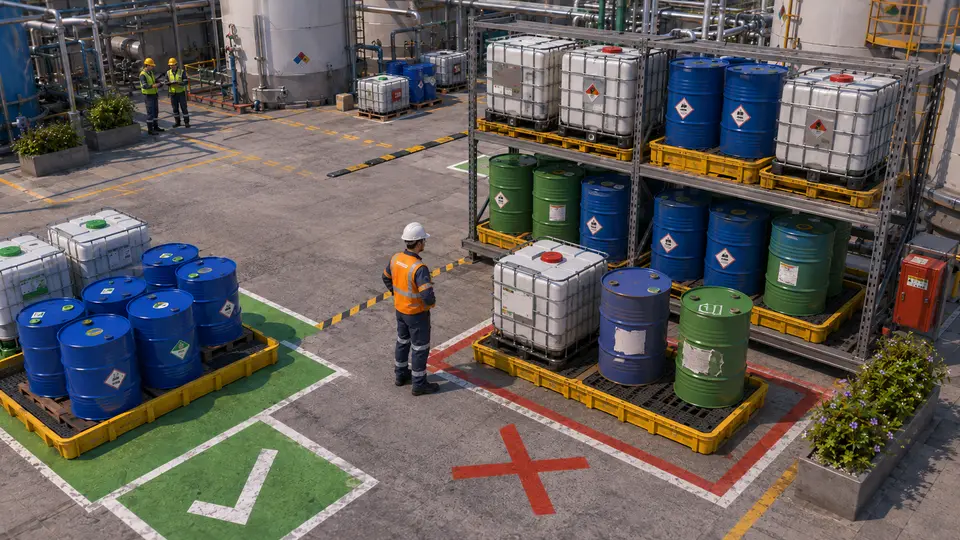
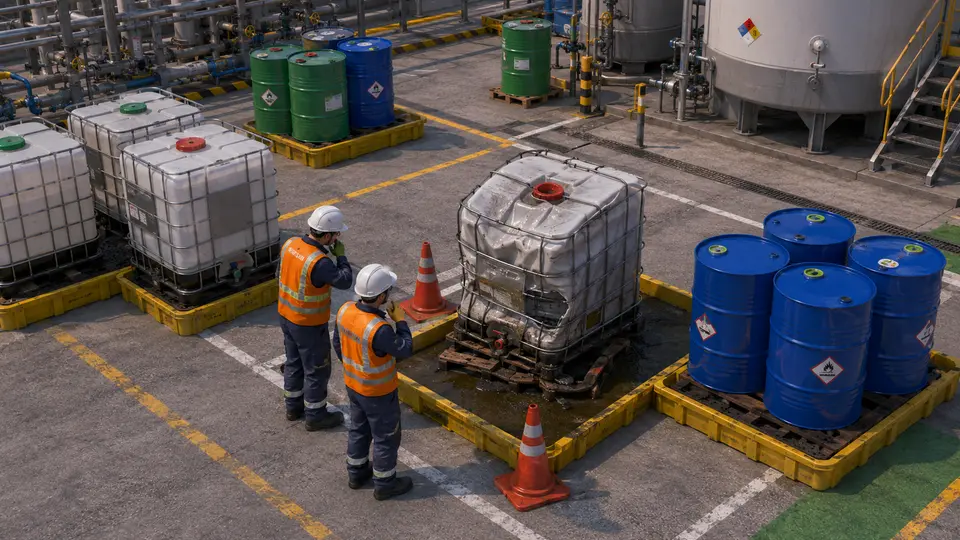
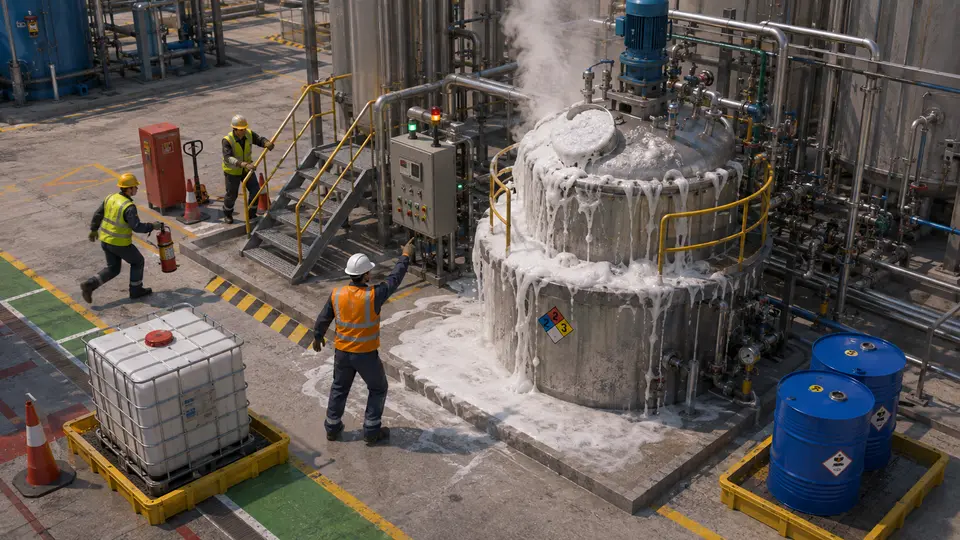
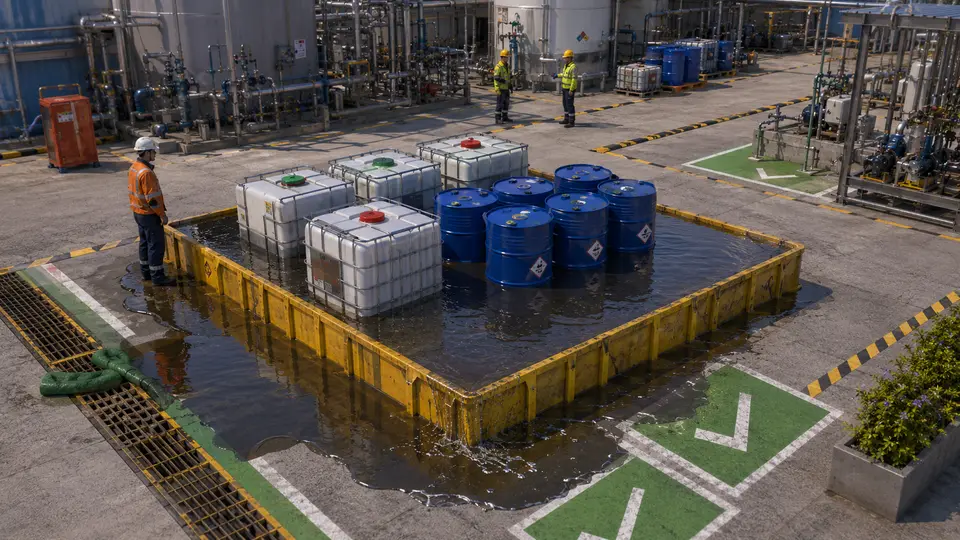
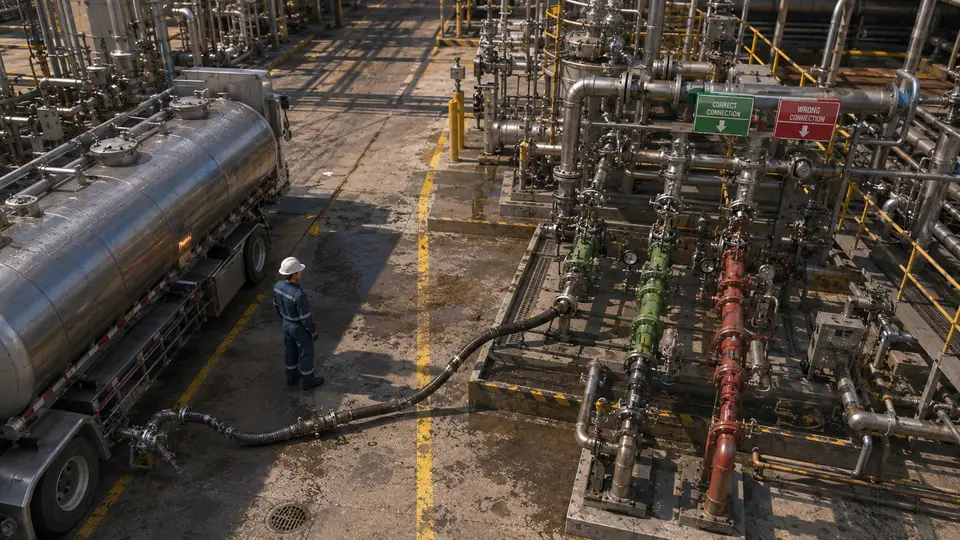
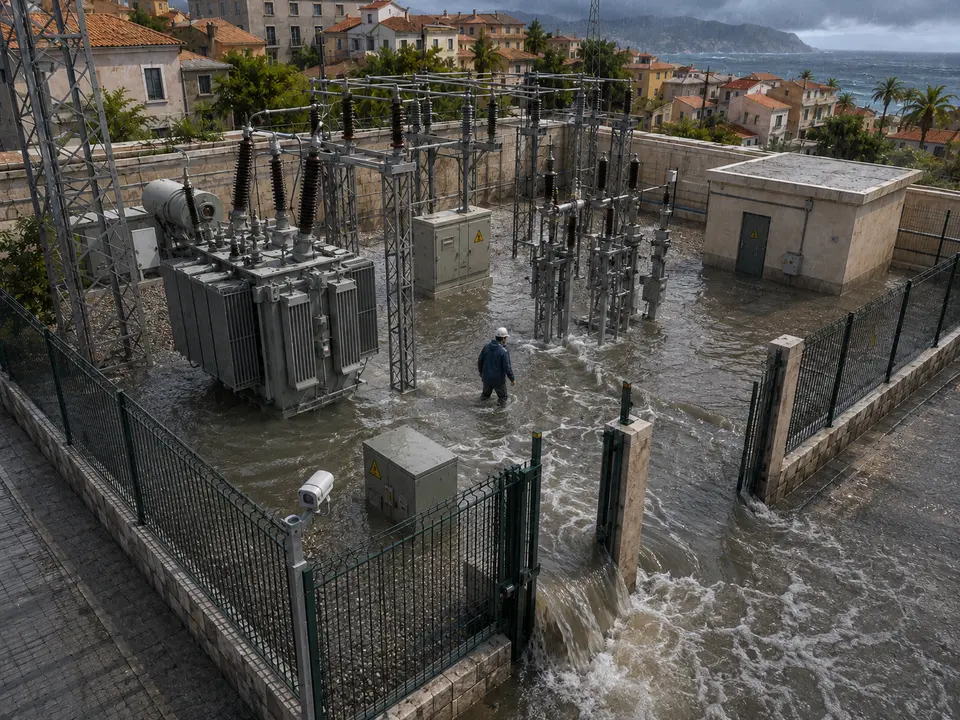
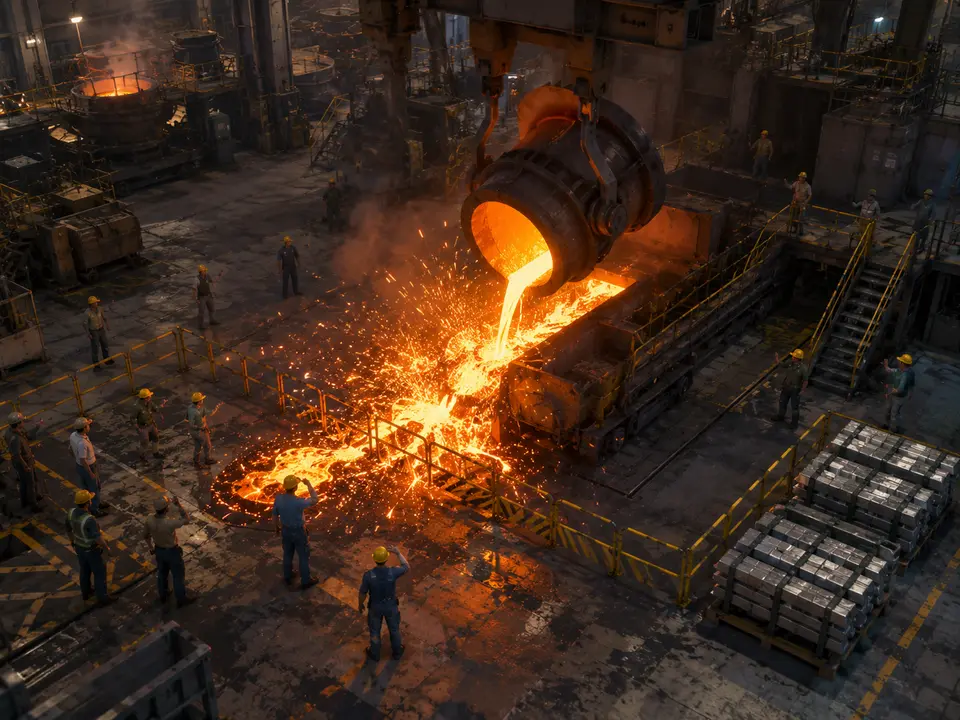
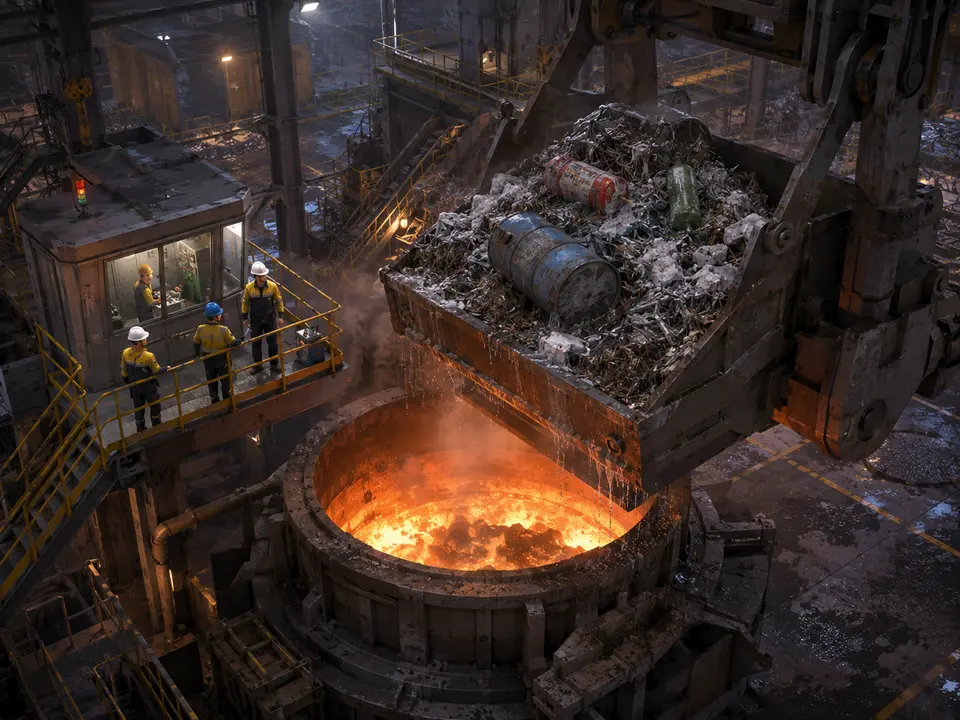
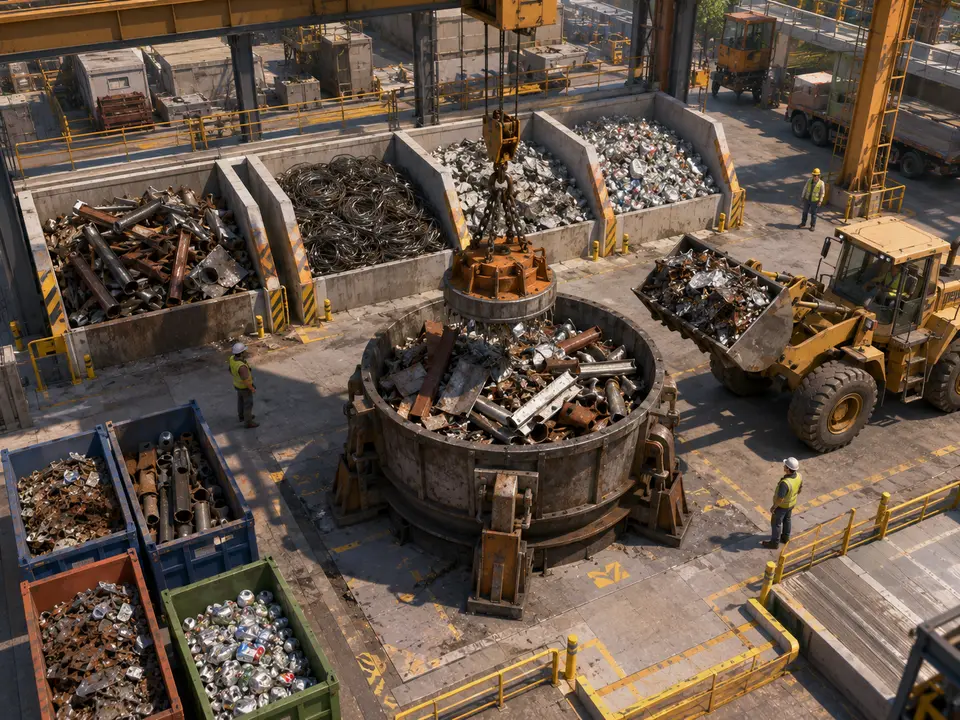
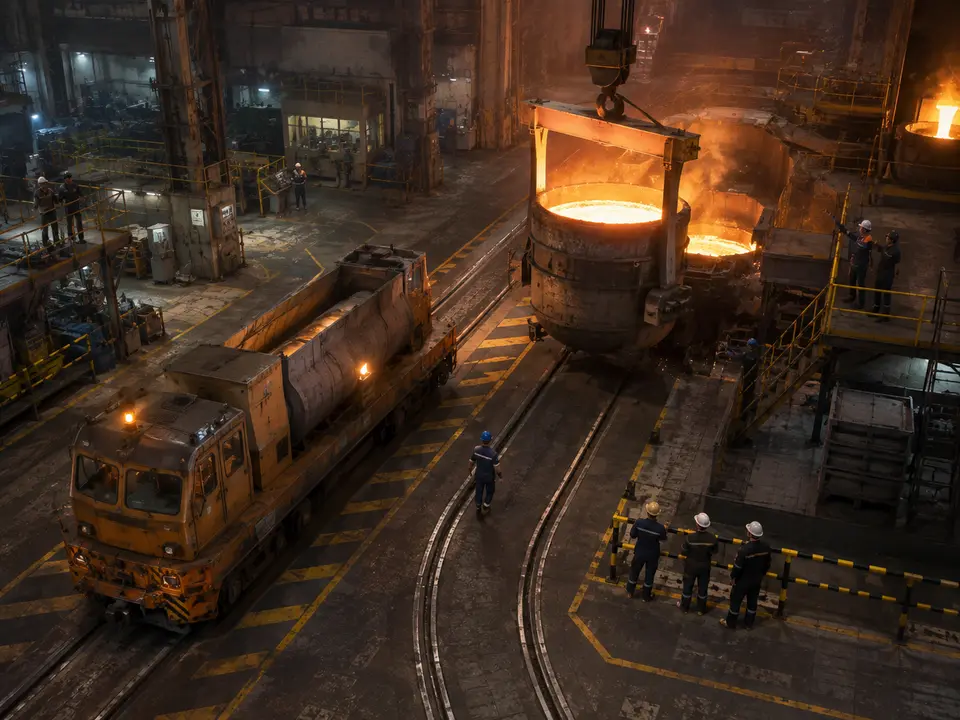
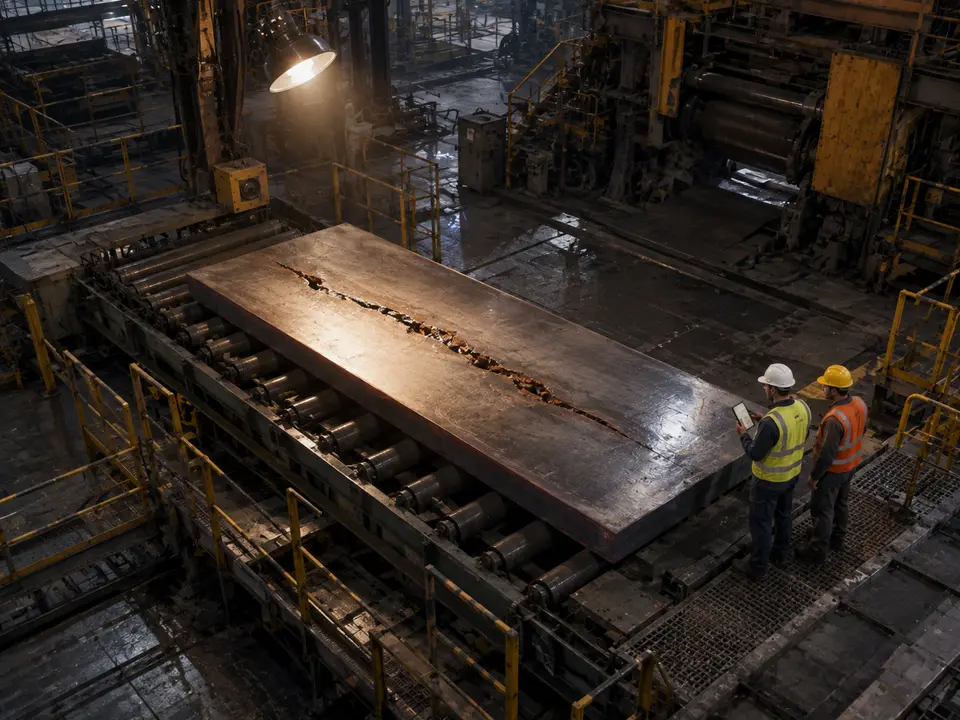
AI-generated image
What IRIS is
IRIS watches the plant for you.
IRIS looks at the cameras you already have on the plant floor and understands what it sees: a stopped line, someone inside a robotic cell, someone without their safety gear on, jammed parts. When something like that happens, it alerts right away; and whatever can be counted, it counts in numbers. All day long, with no one needing to watch the screen.
You tell it what you need to watch, and IRIS does it.
Works with the cameras you already have. Nothing to replace.
A person replies, not a form.
- Your footage never leaves your premises.
- It doesn't identify people.
- Certifications →
What repeats in almost every plant
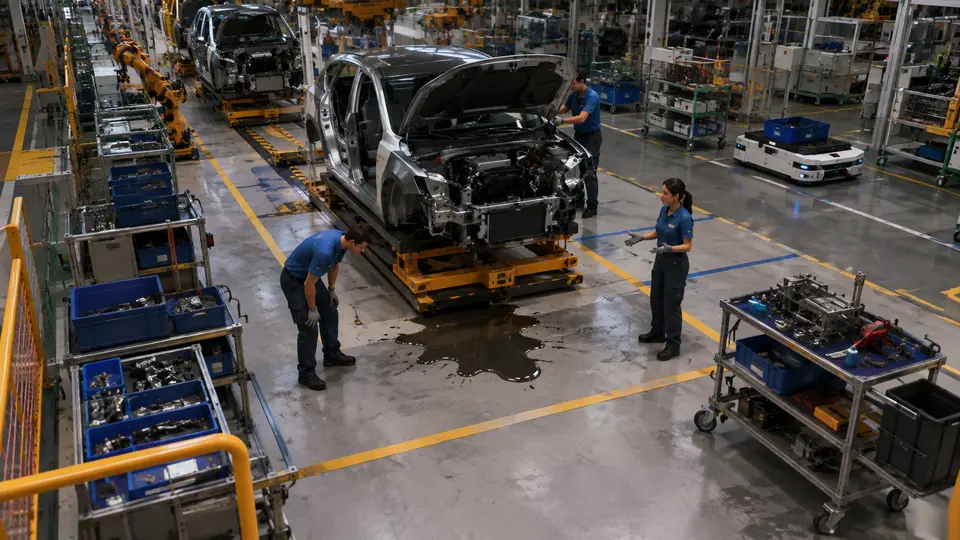
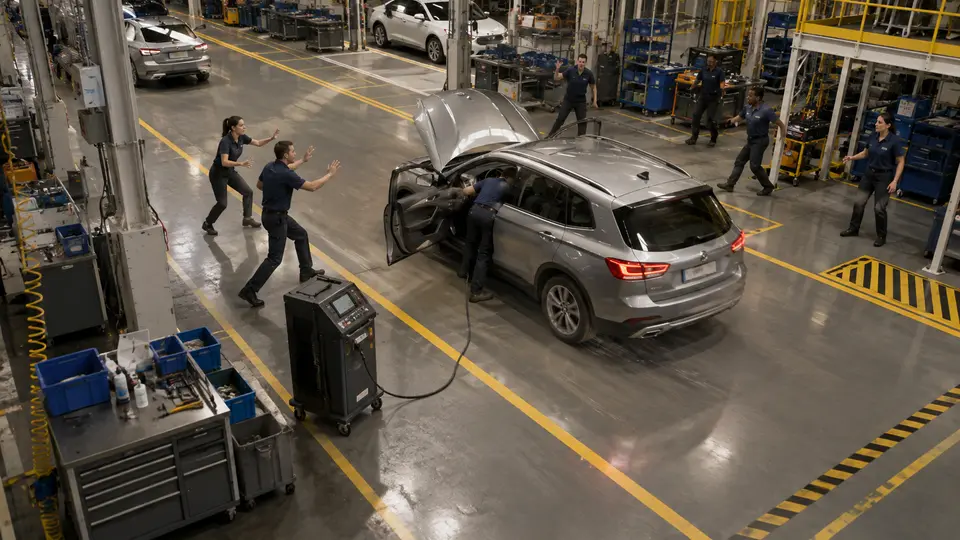
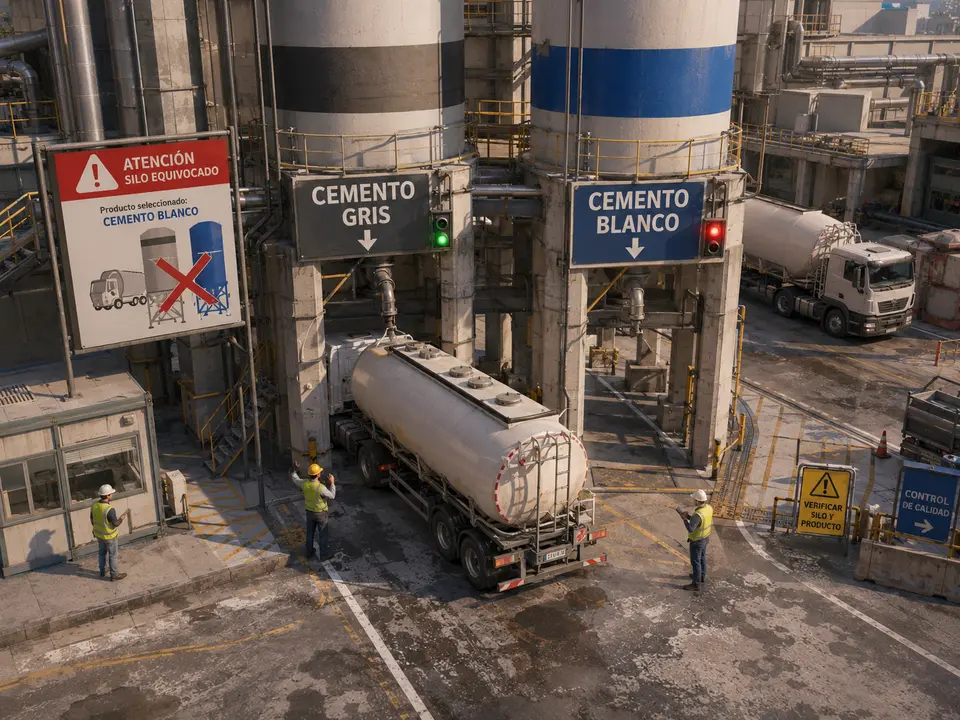
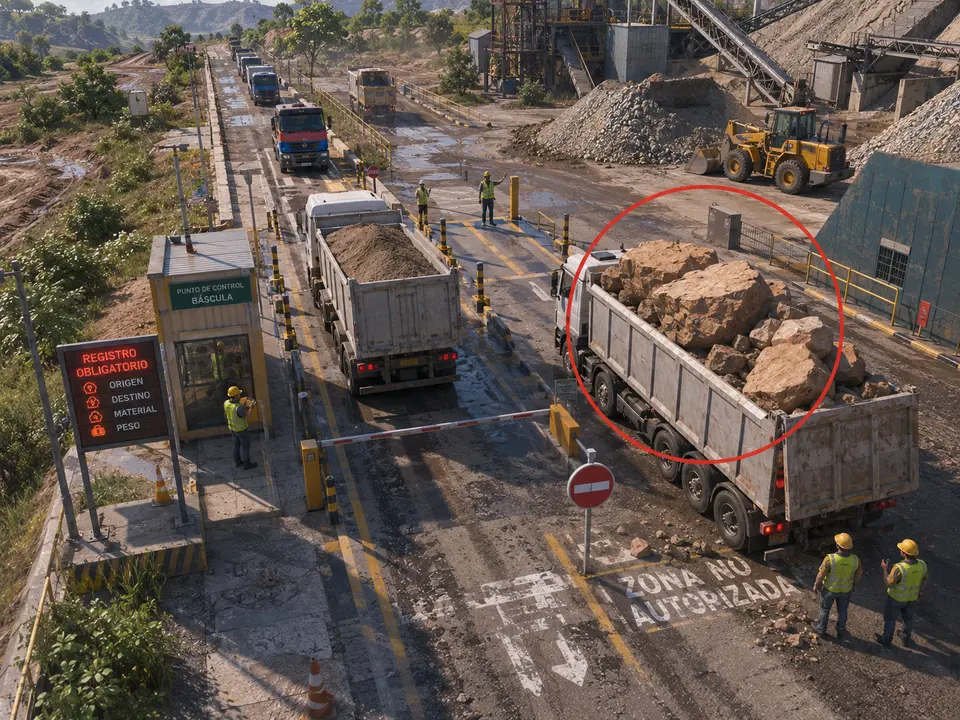
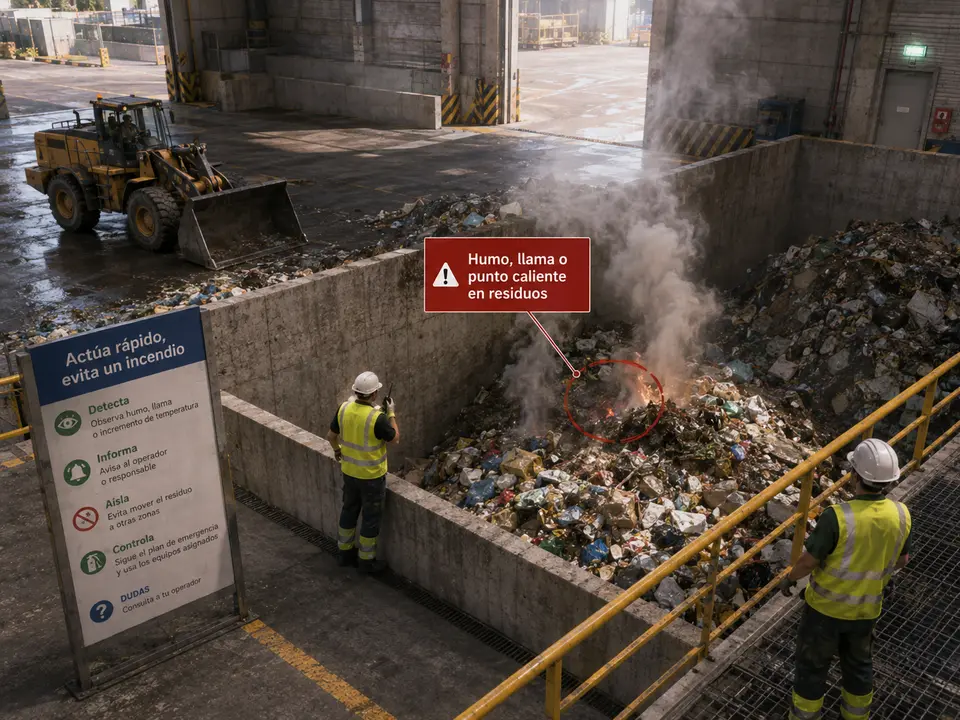
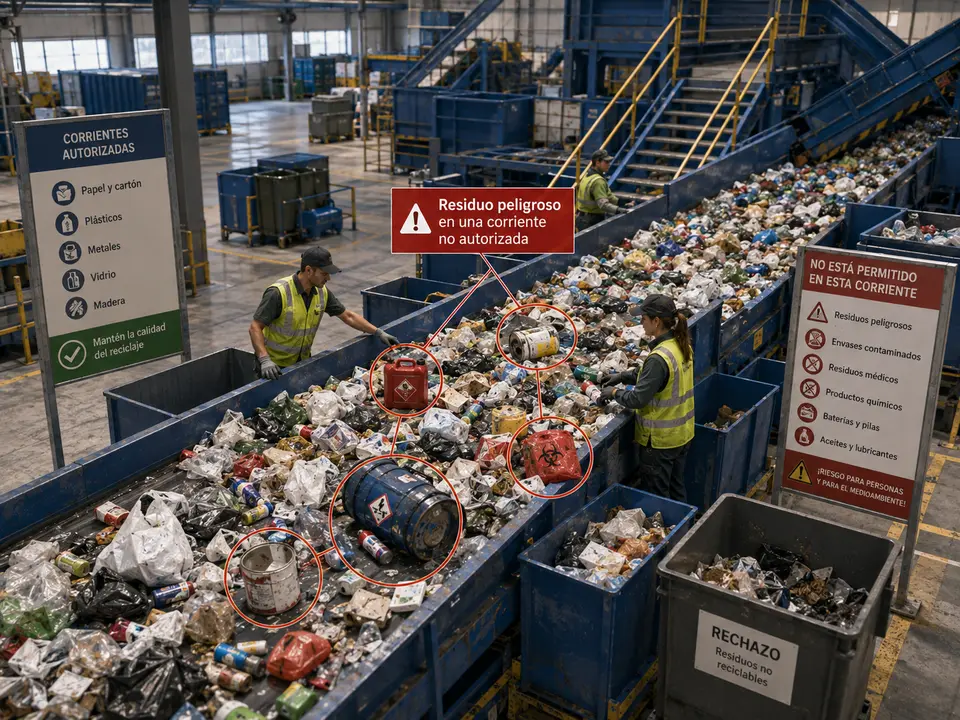
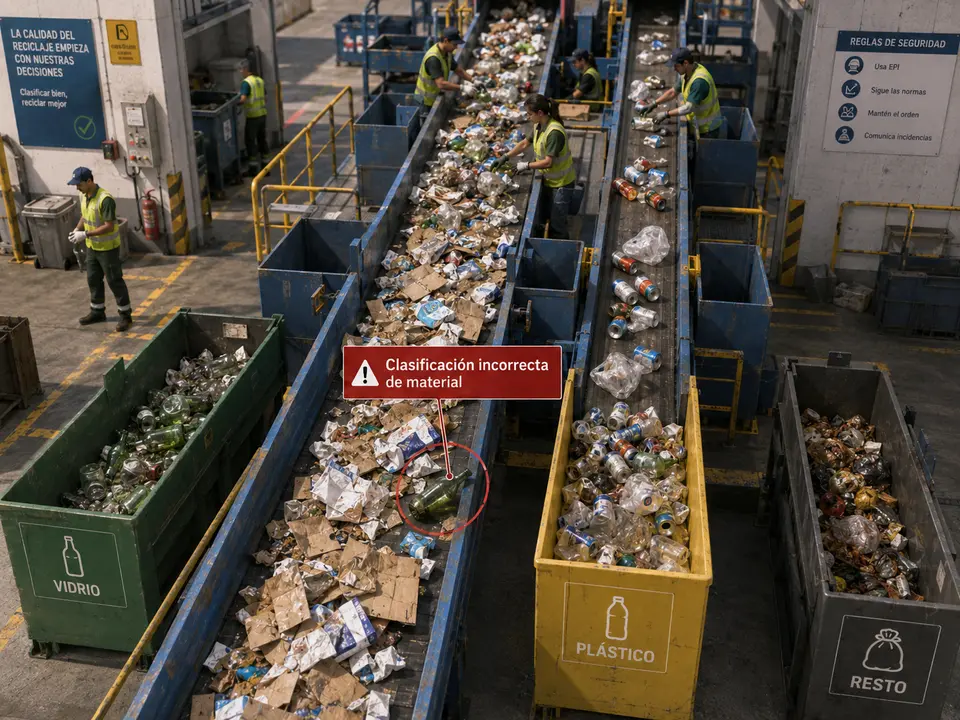
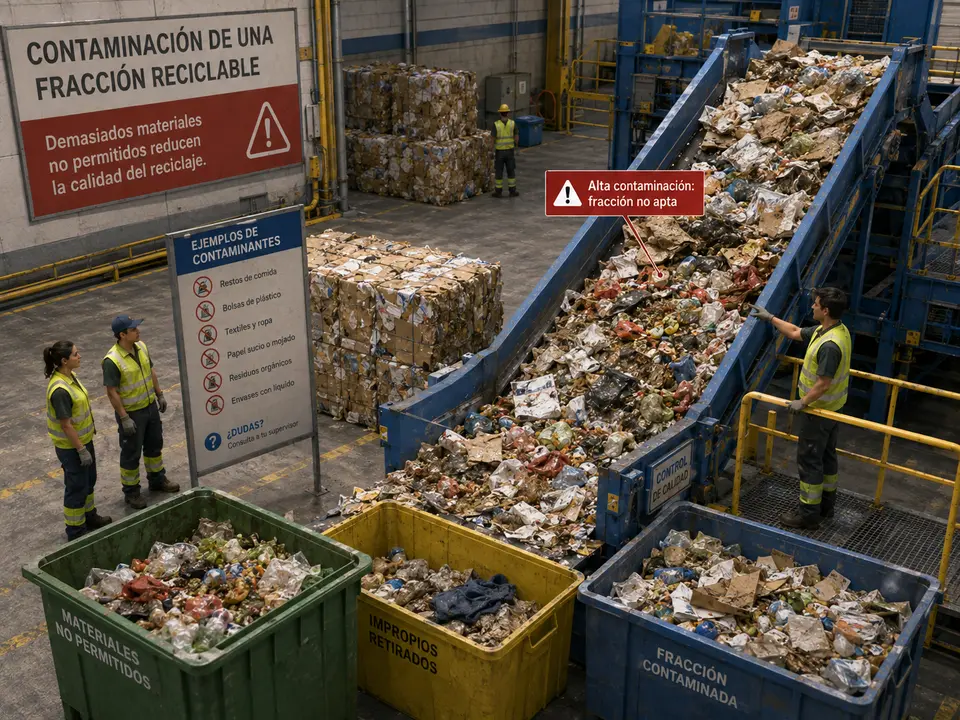
The processes are nothing alike, but the problems are. Not knowing why production stopped. The wrong material going in. Spotting a fire, a leak or a spill too late. Somebody inside an exclusion zone. A near miss between a forklift and a person. A machine opened without lockout. And, at the end of the shift, having no proof of what happened.
When a line stops, a material goes the wrong way or a situation starts to turn dangerous, IRIS does not wait until the end of the shift to find out. It detects it as it begins and keeps the video that explains why.
And now the limit, in full and up front, because it is what makes everything above useful. A camera sees people, vehicles, objects, smoke, flame, spills, build-ups, doors, postures, PPE and the visible state of a line. On its own it does not confirm a gas concentration, a bacterium, a microscopic allergen, the chemical make-up of an ore, actual tightening torque or the temperature inside a closed reactor. With a thermal camera it does read the heat you can see from outside; what is inside, it does not.
That is why IRIS does not replace SCADA, MES, safety sensors or quality systems. It works alongside them: they provide the process data and IRIS provides the picture, the context and the exact minute it started. Where a gas detector is needed, a gas detector is needed, and we say so here rather than in a footnote.
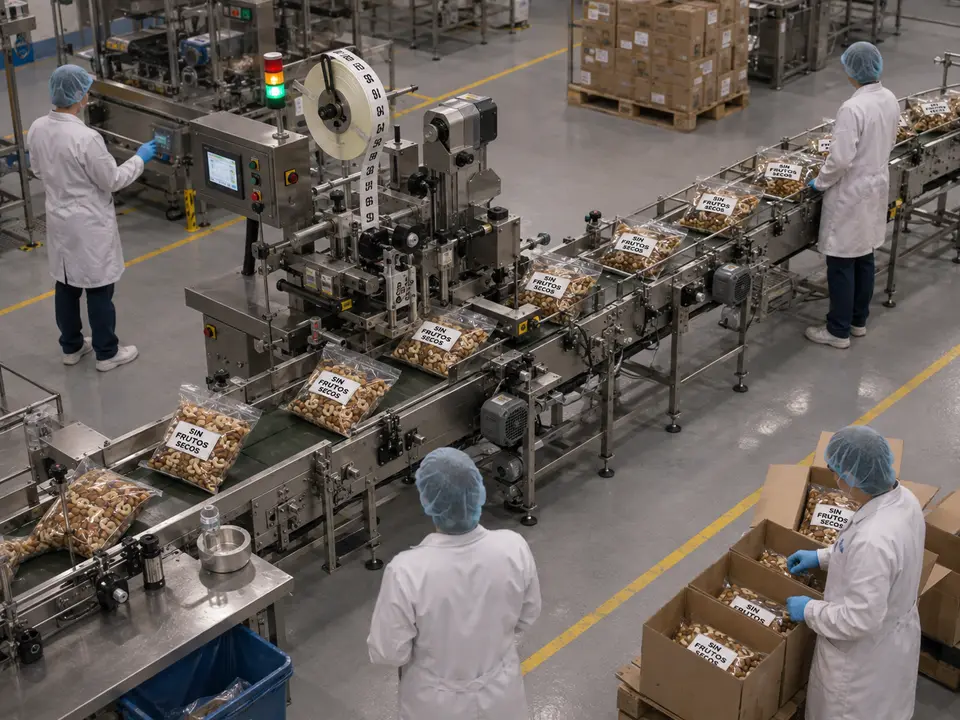
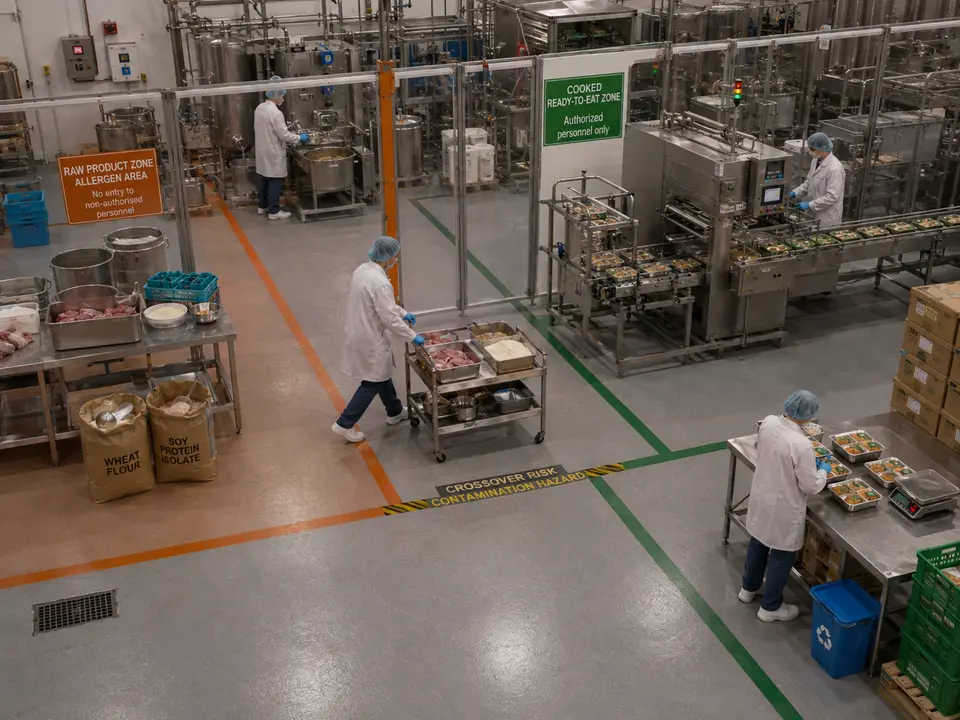
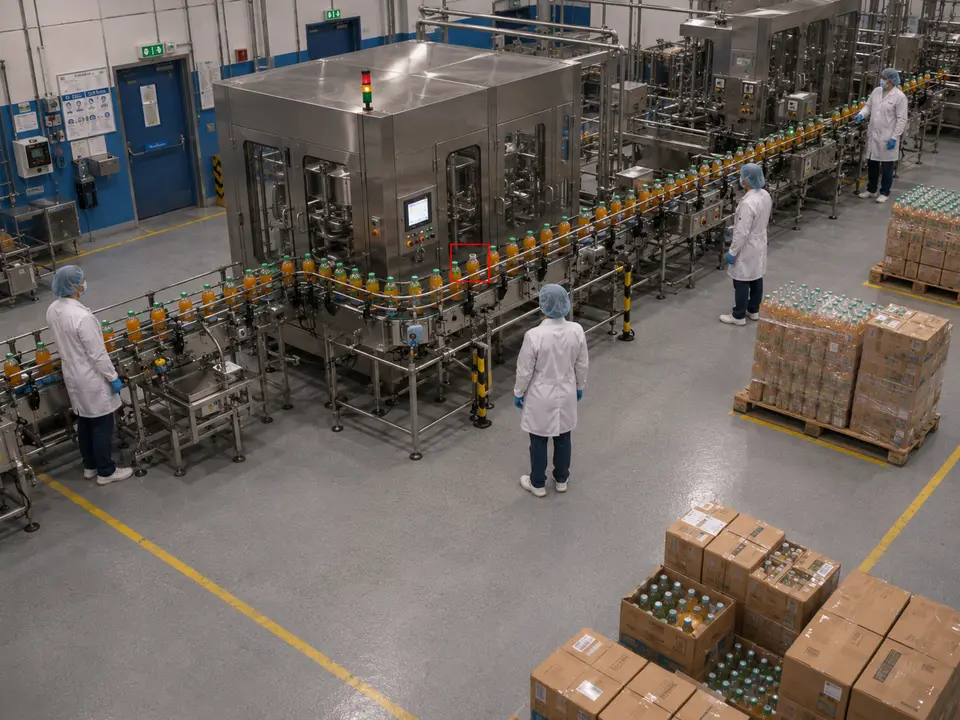
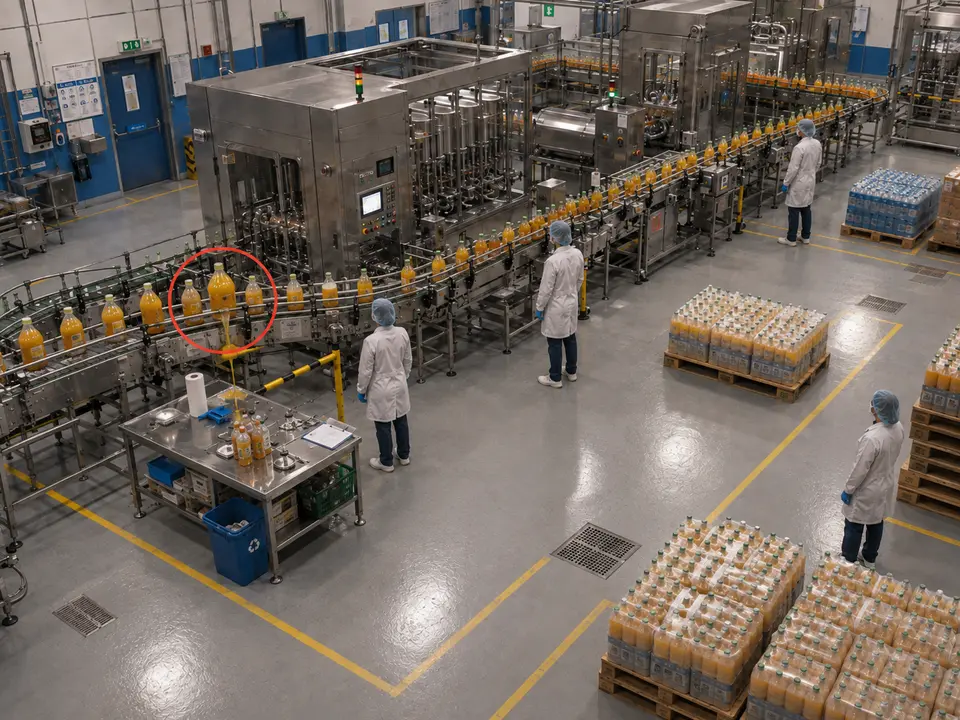
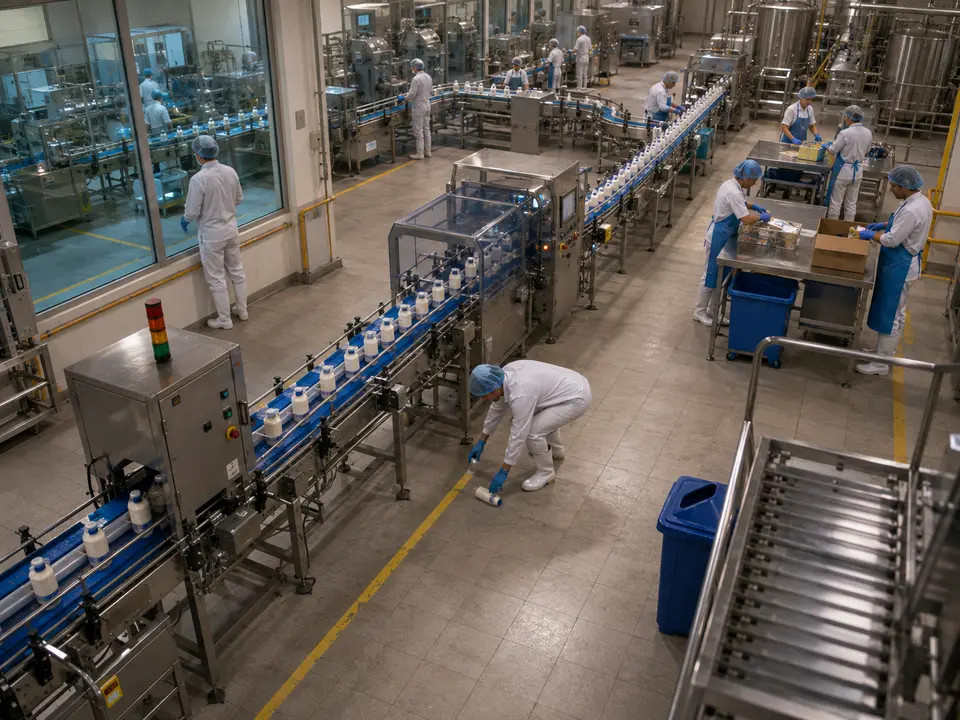
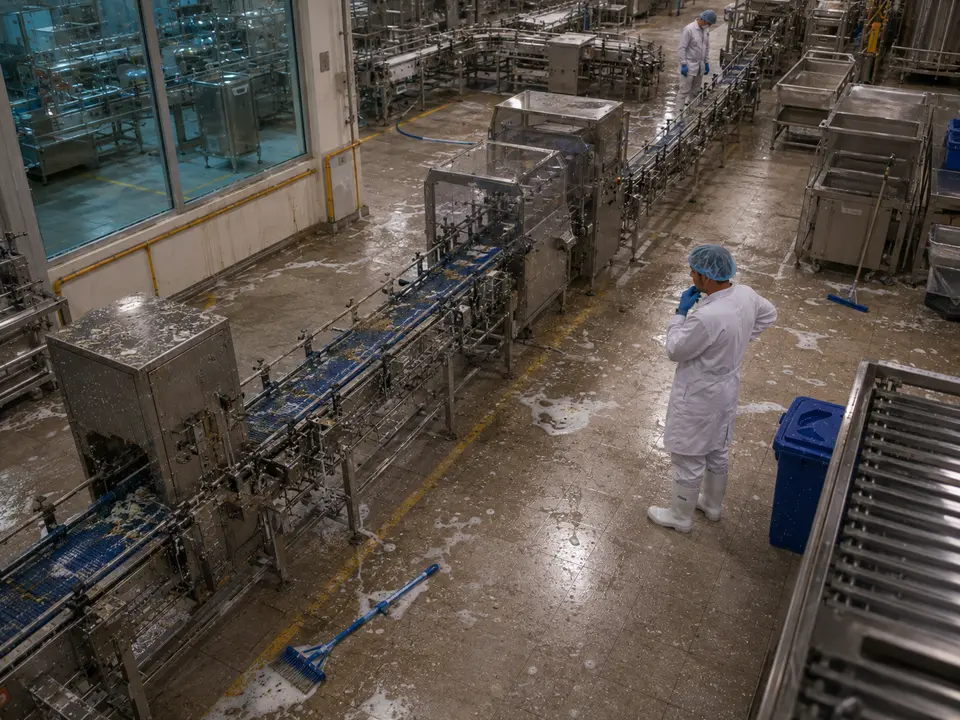
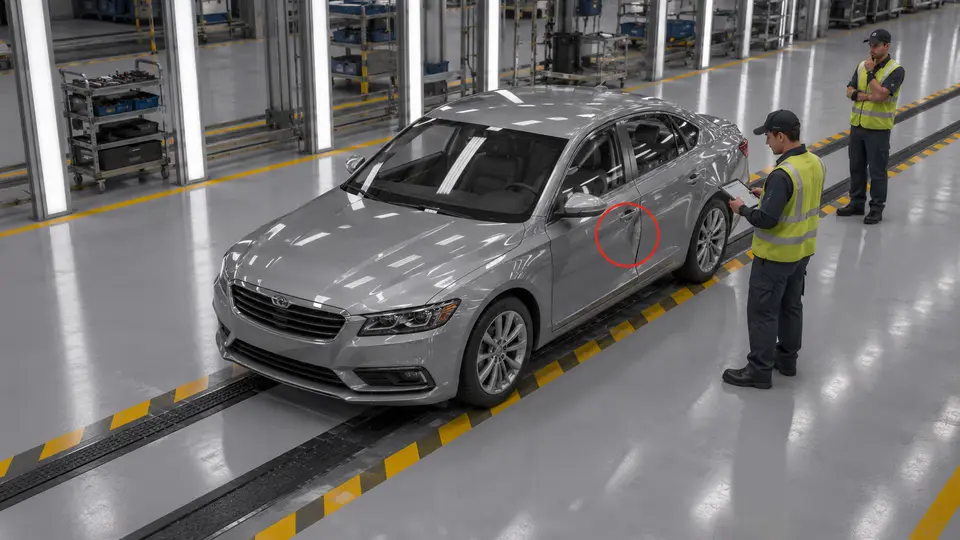
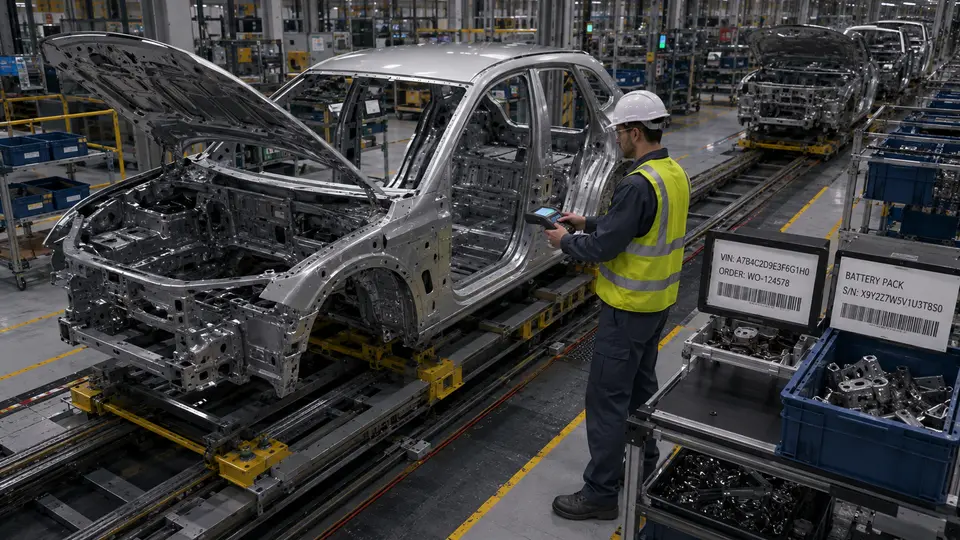
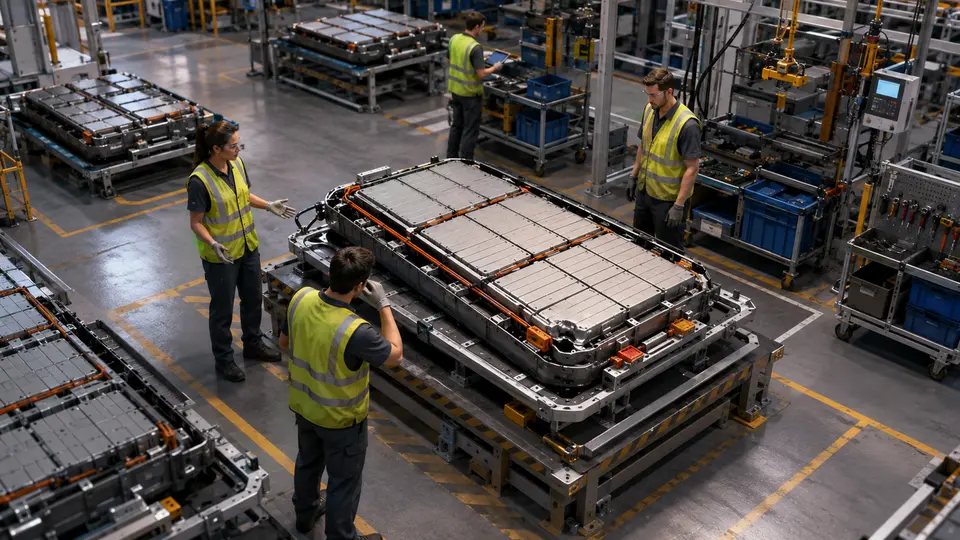
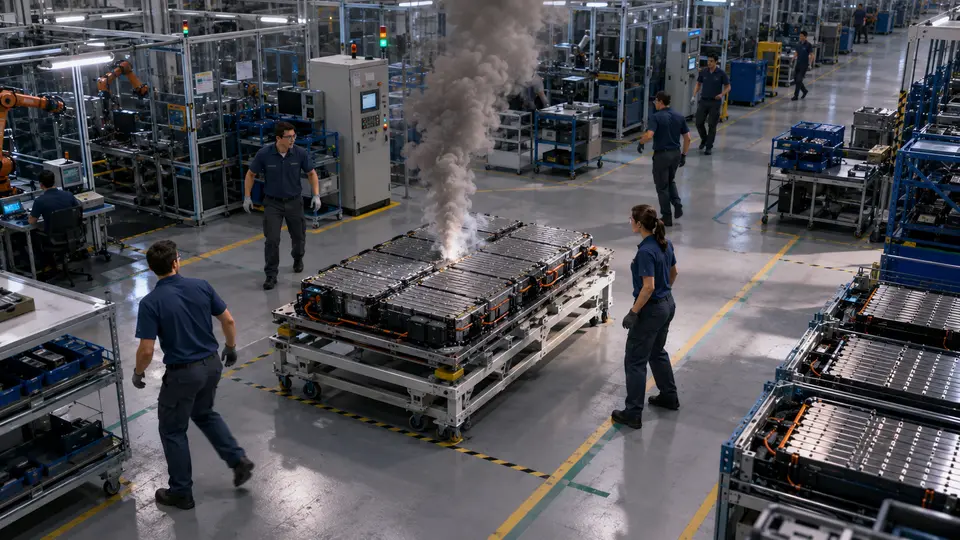
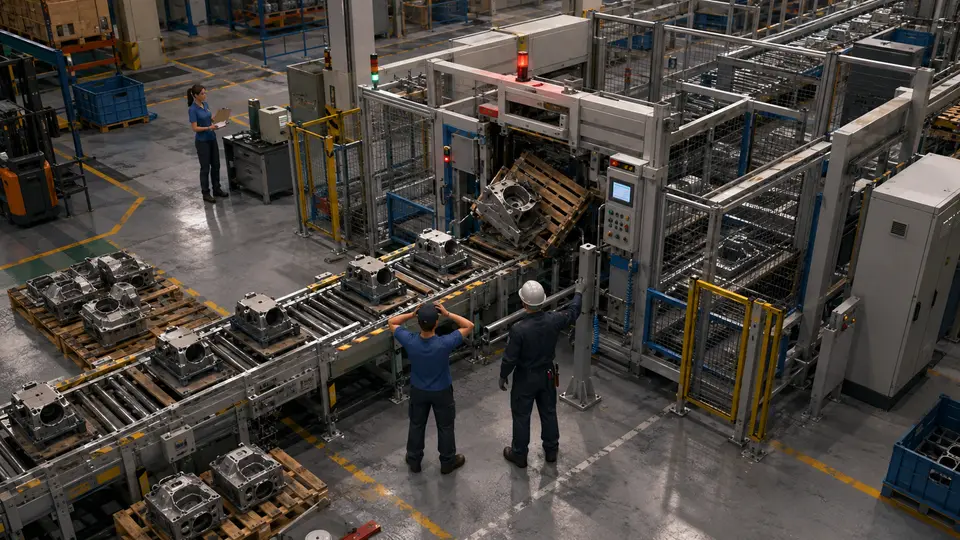
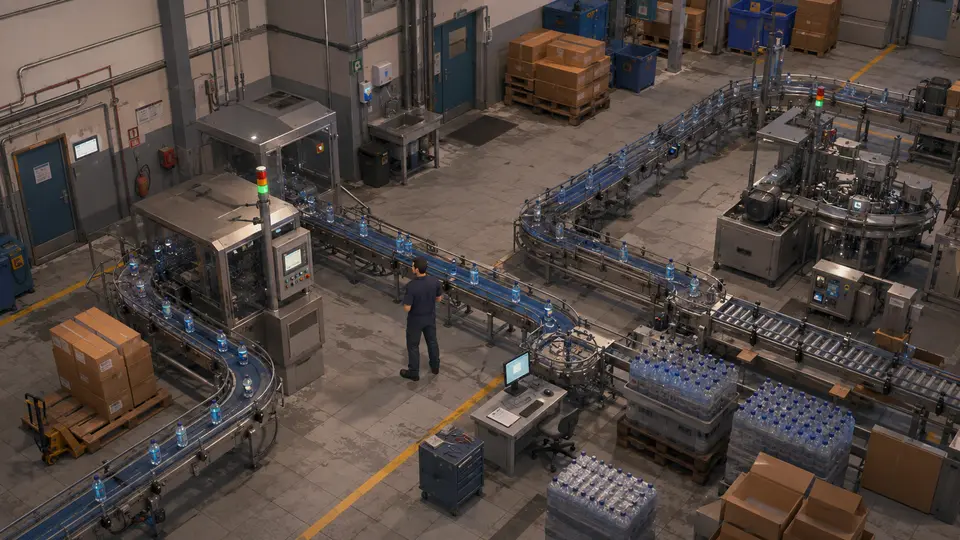
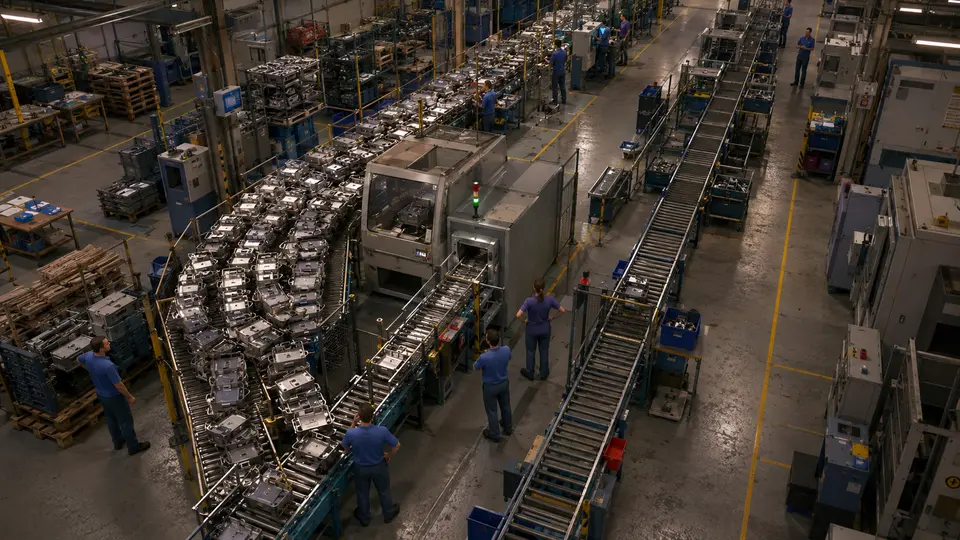
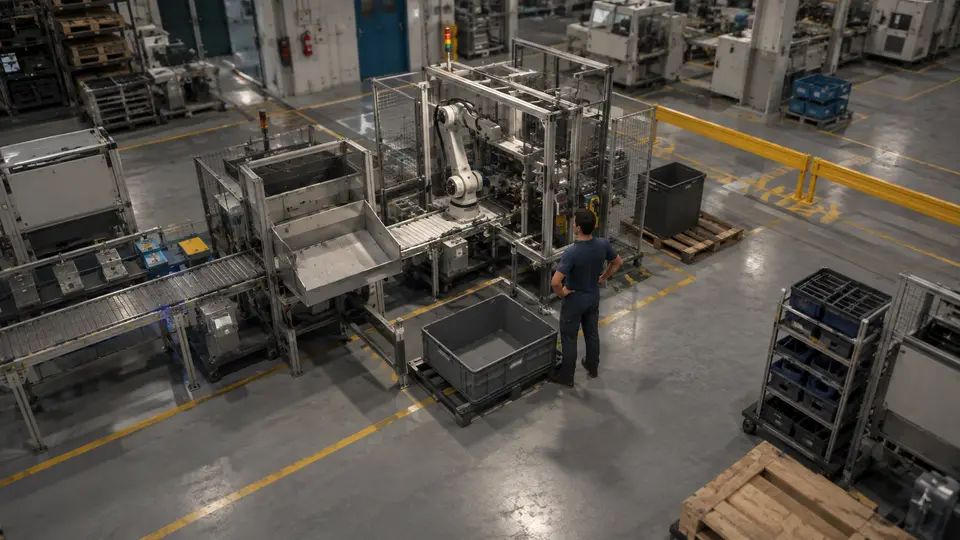
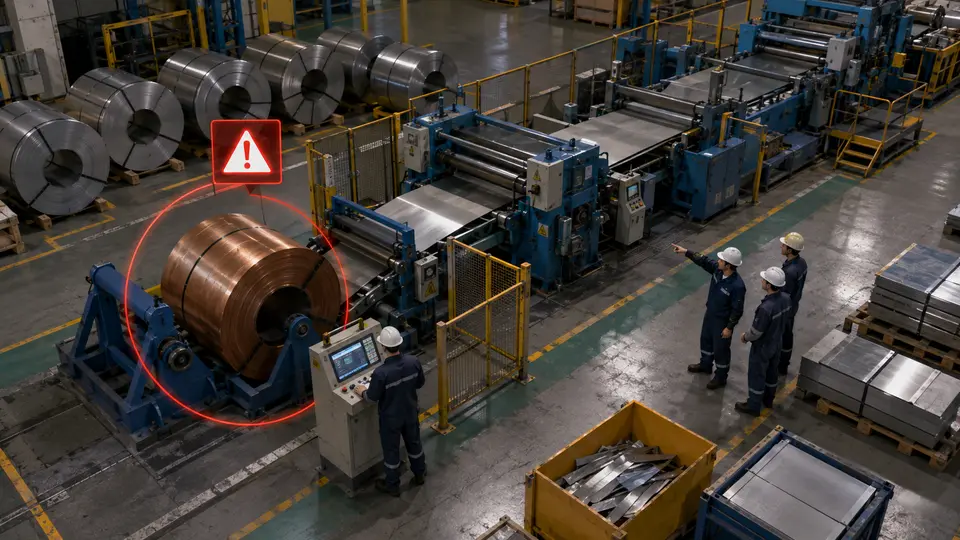
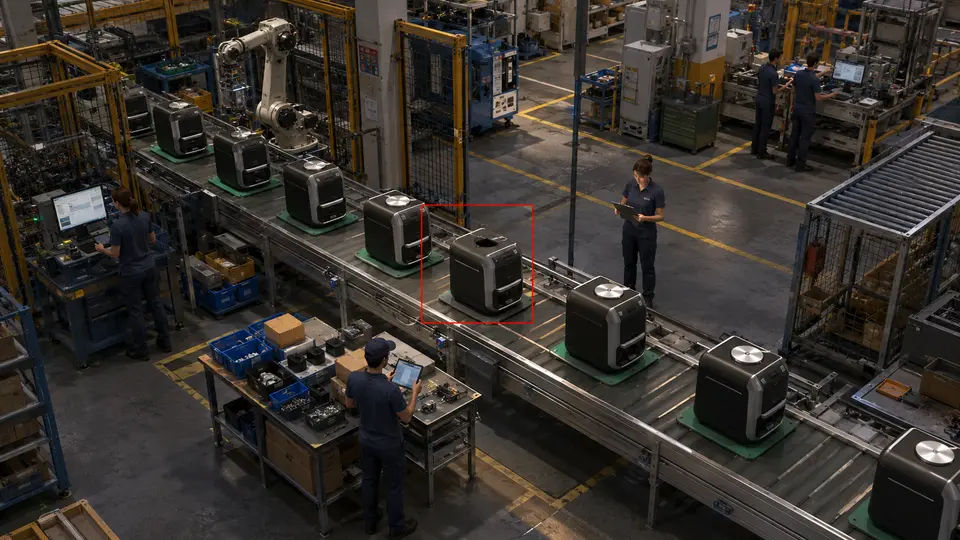
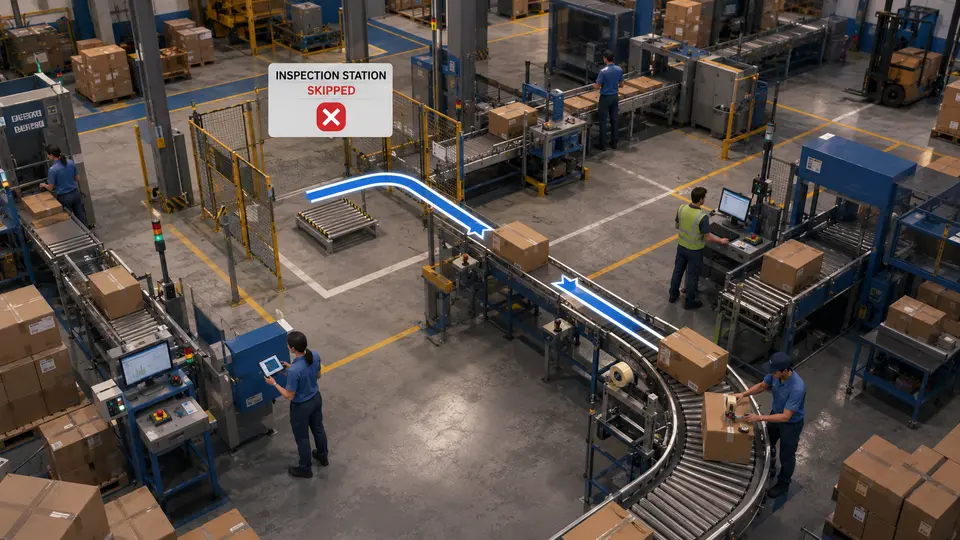
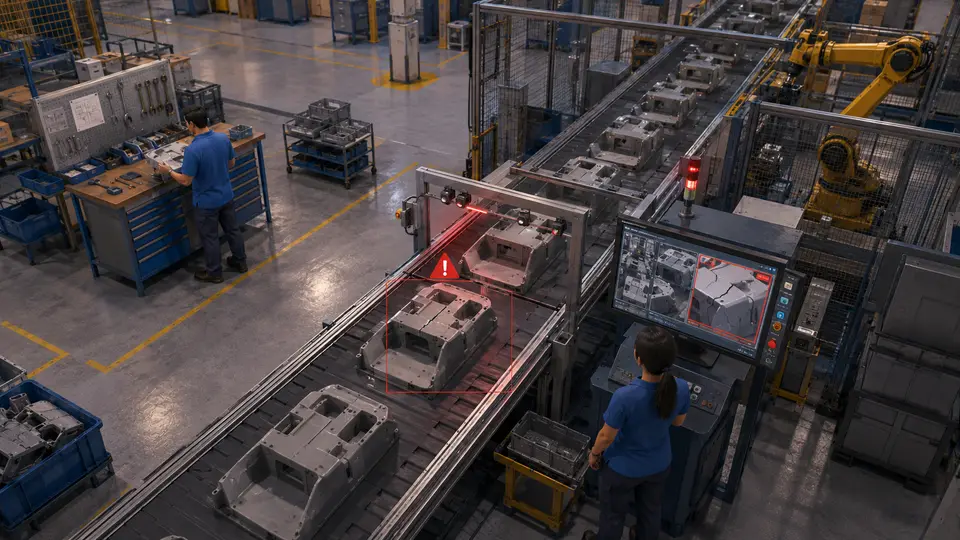
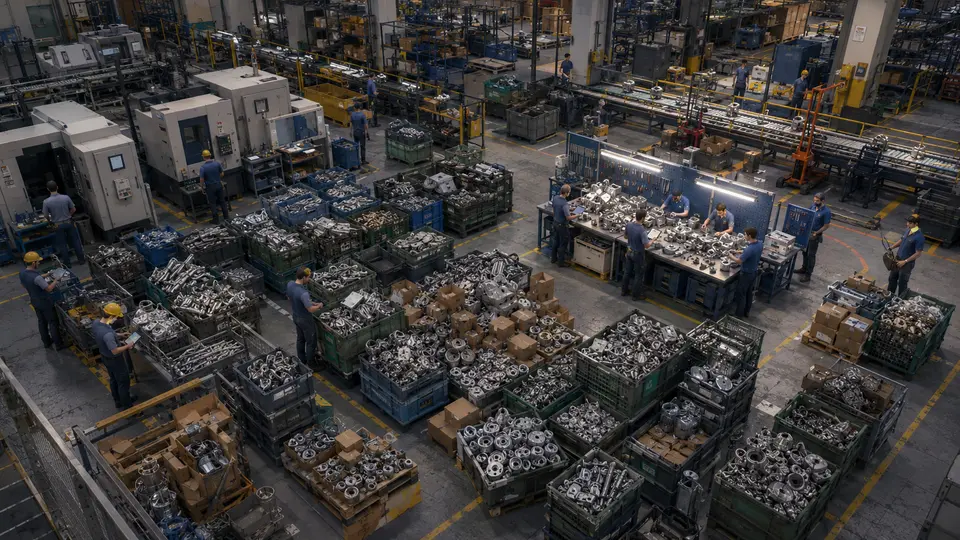
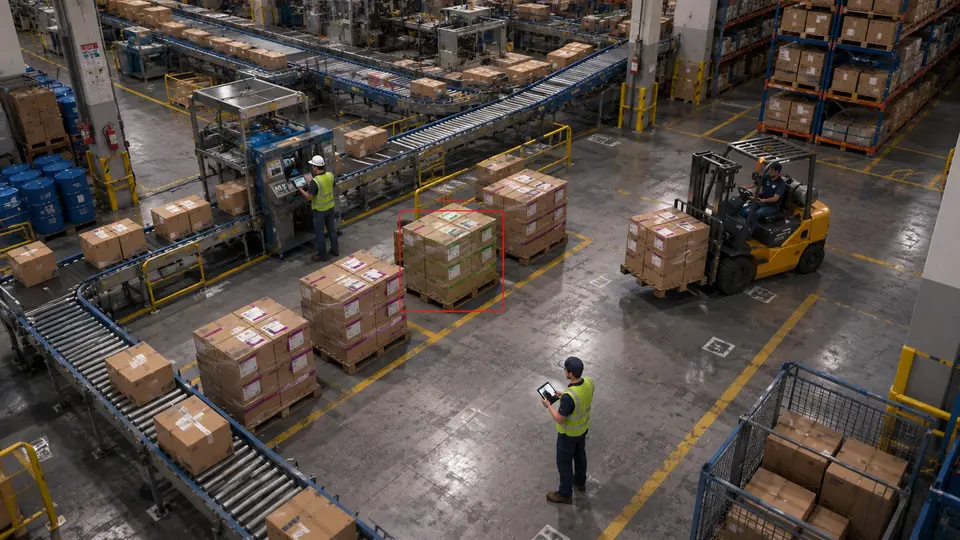
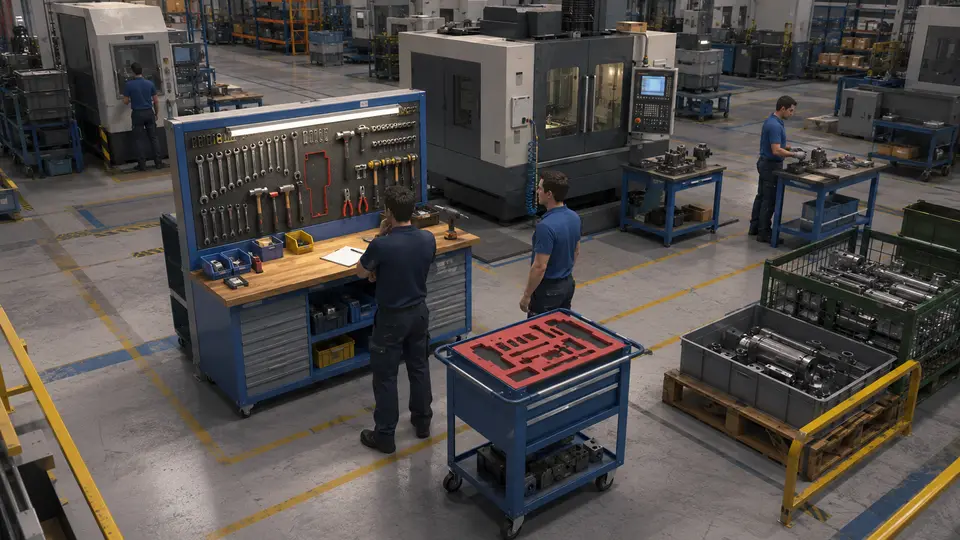
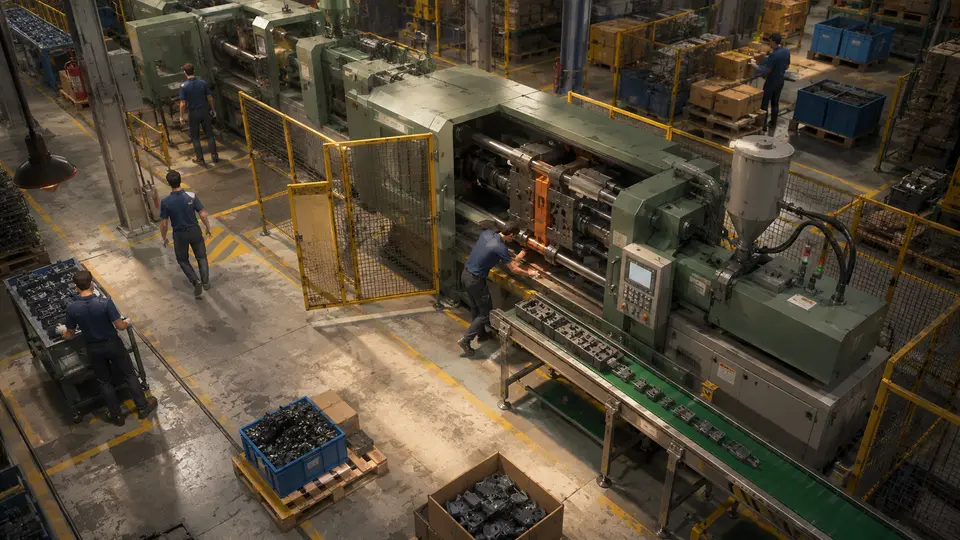
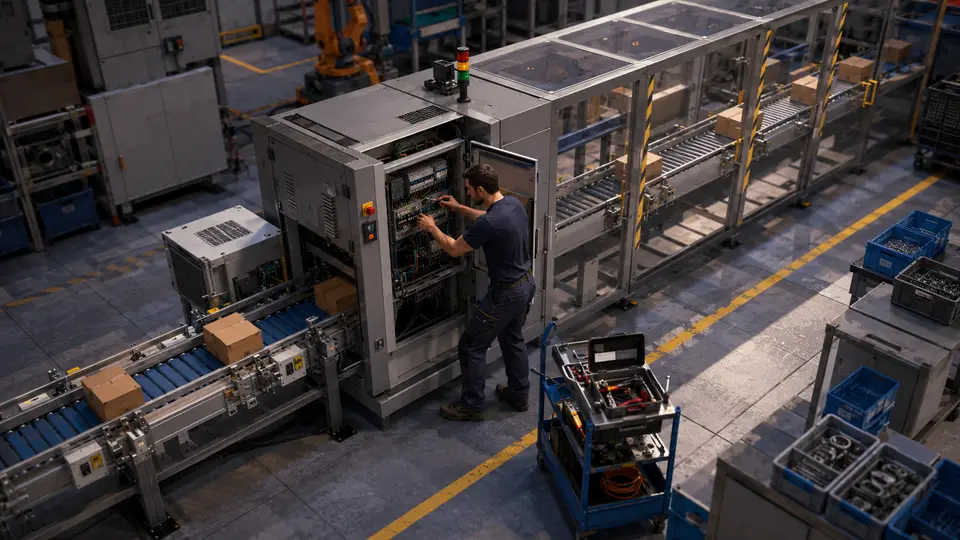
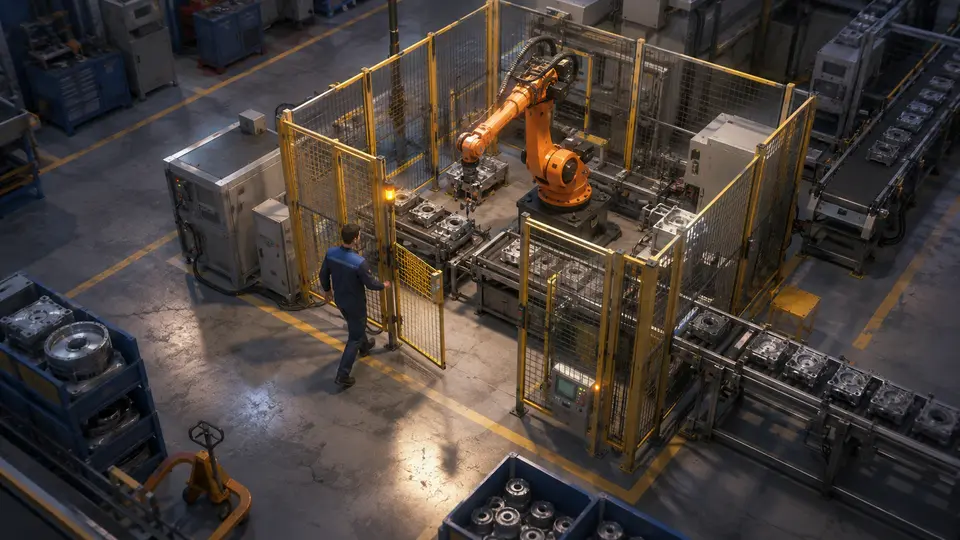
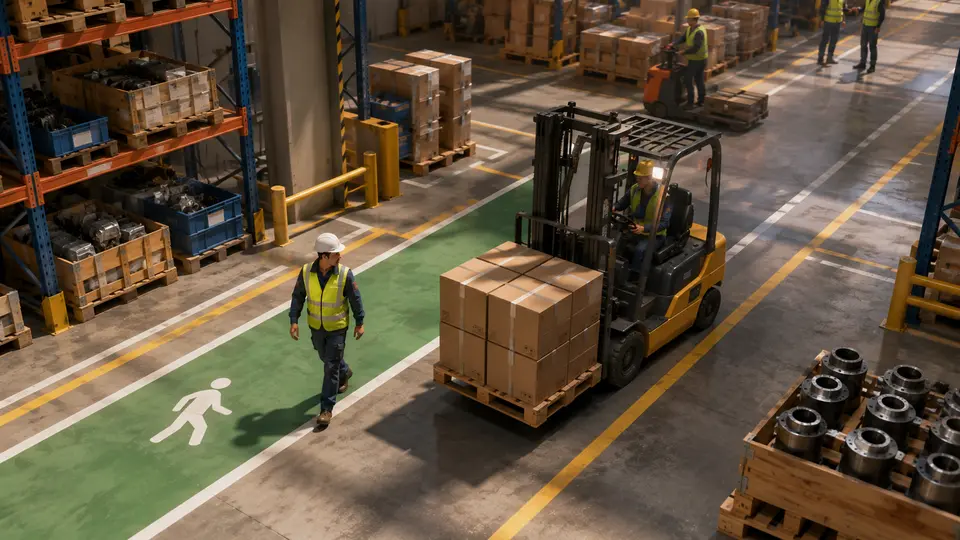
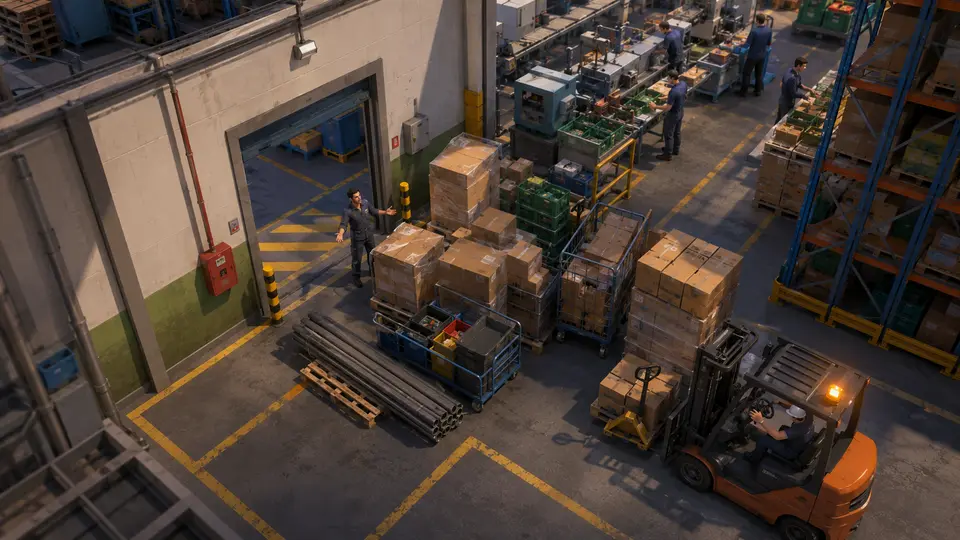
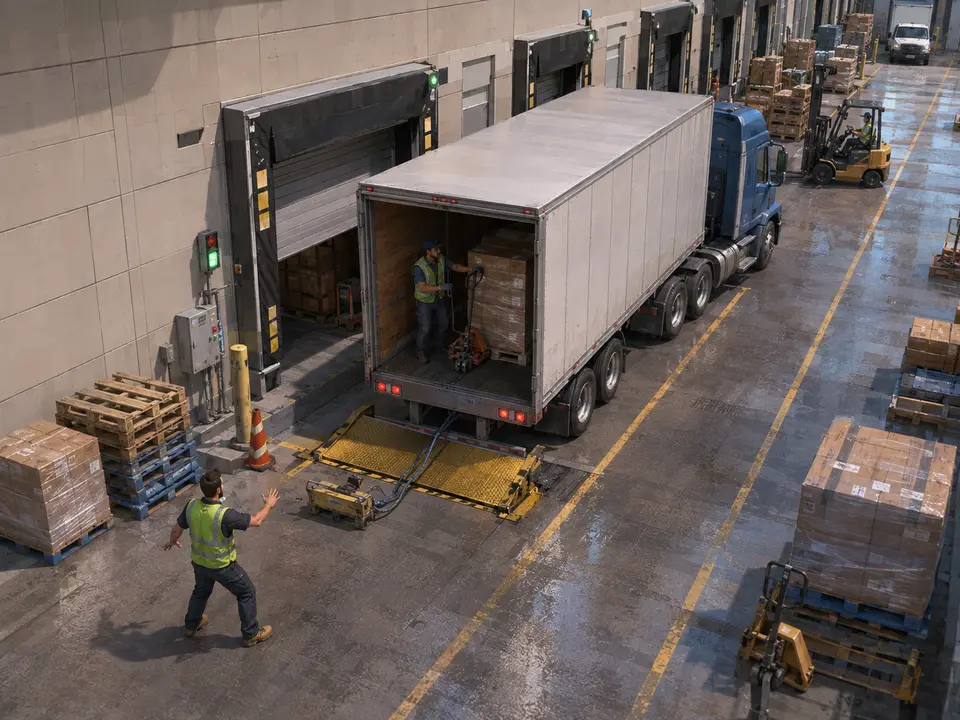
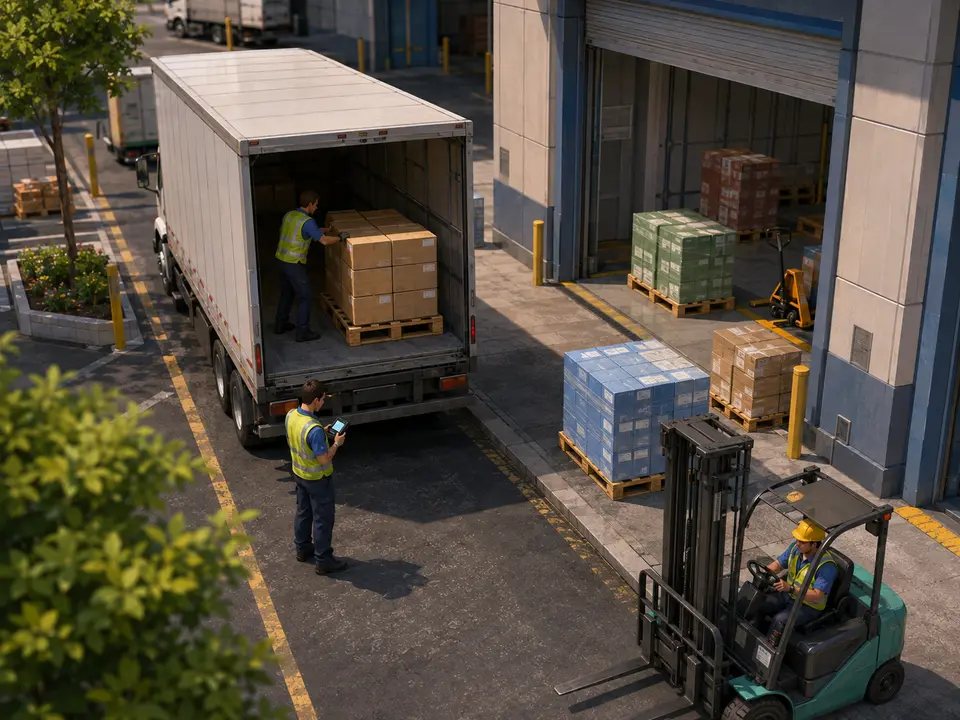
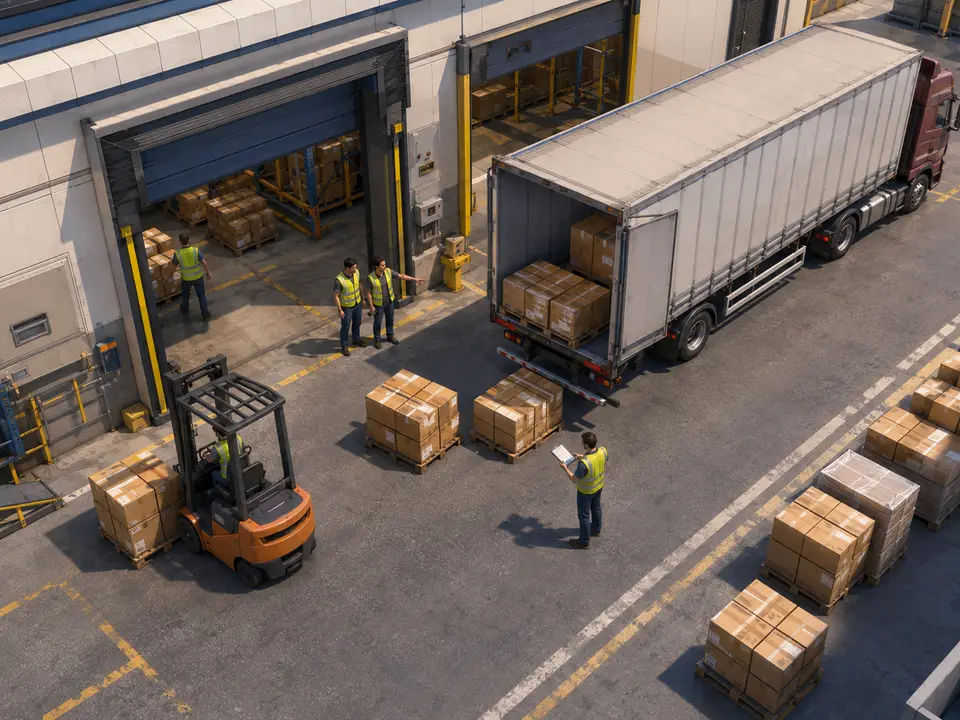
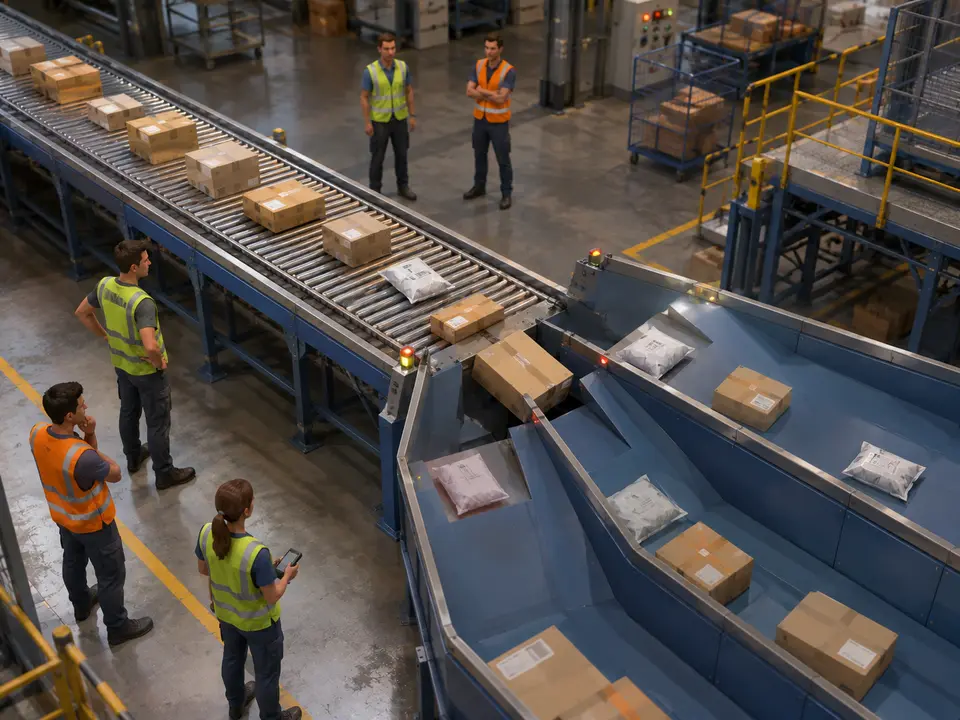
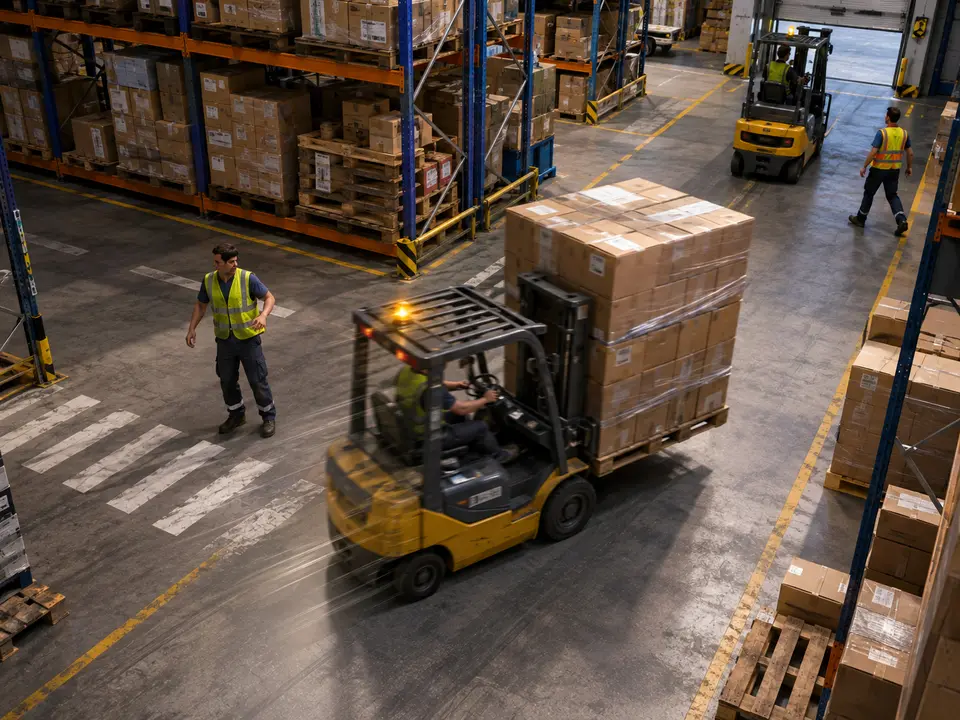
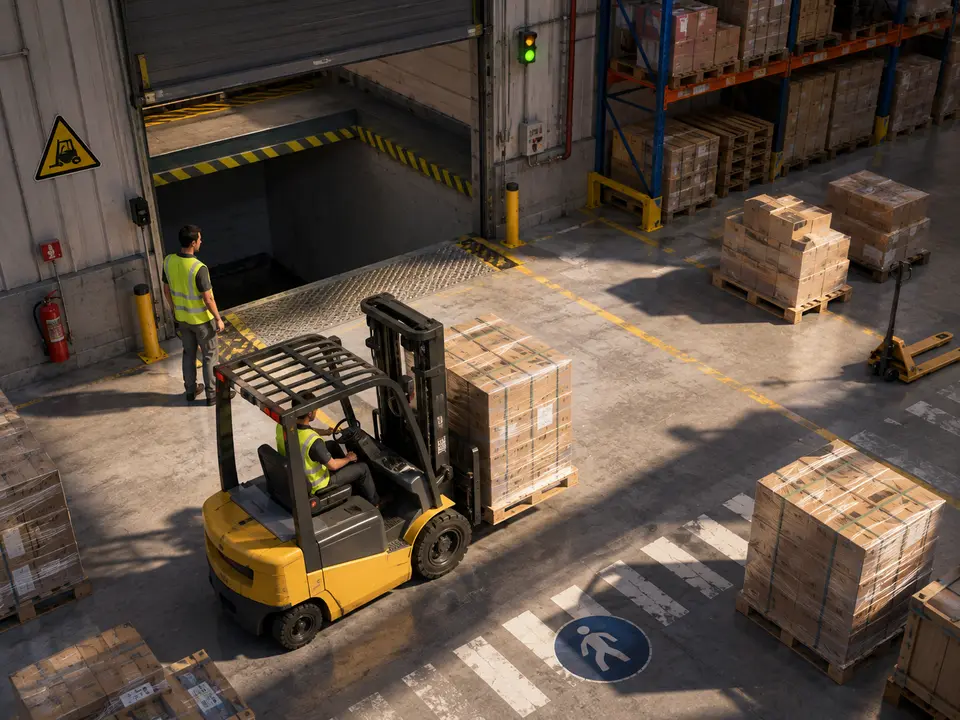
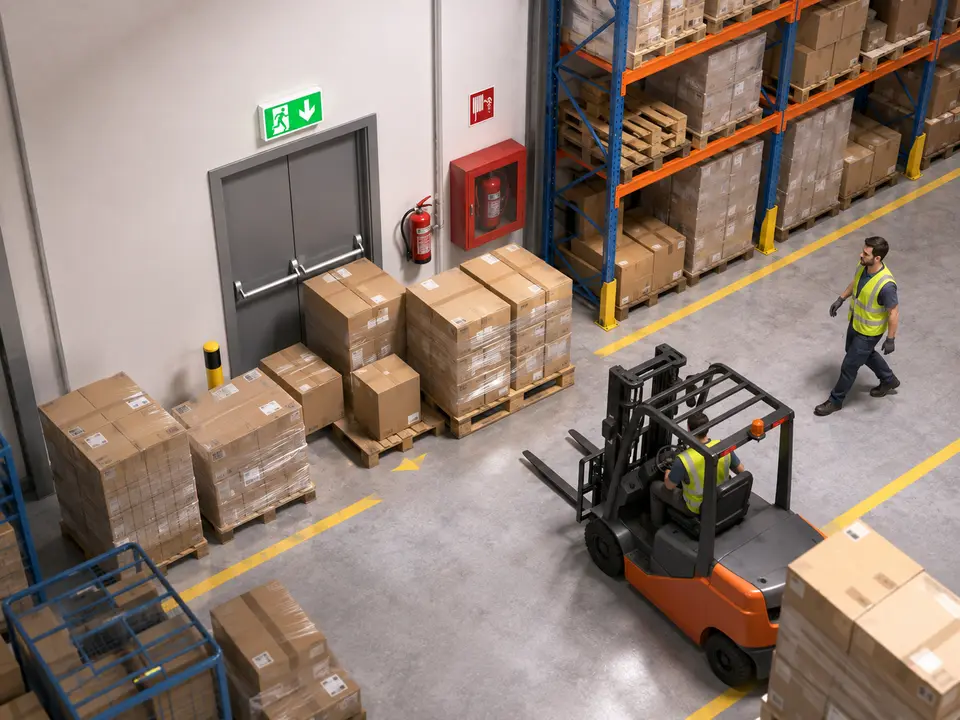
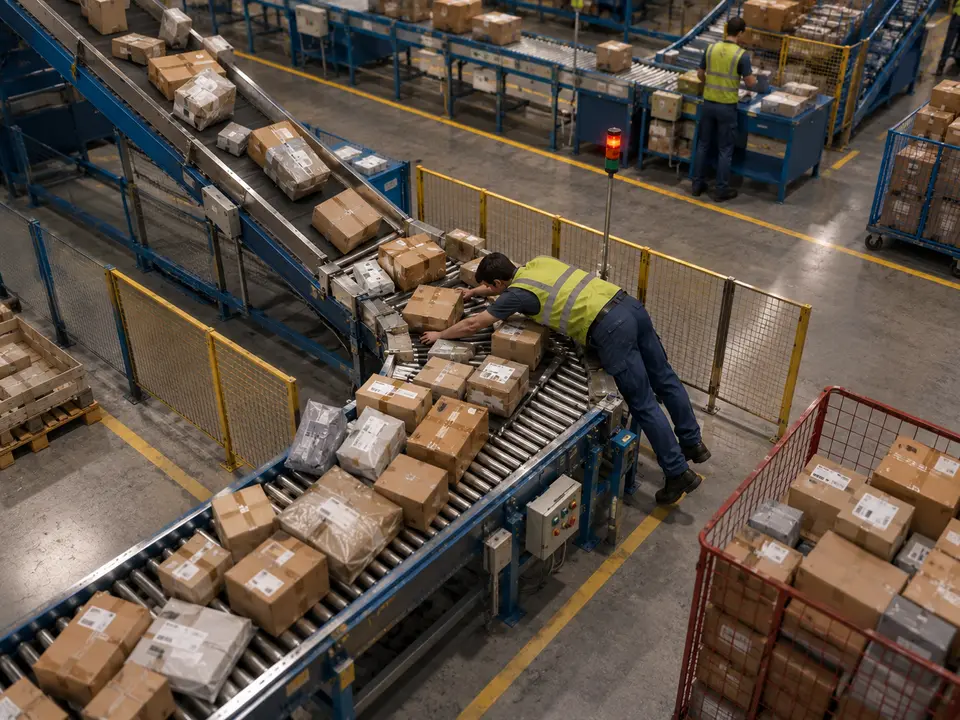
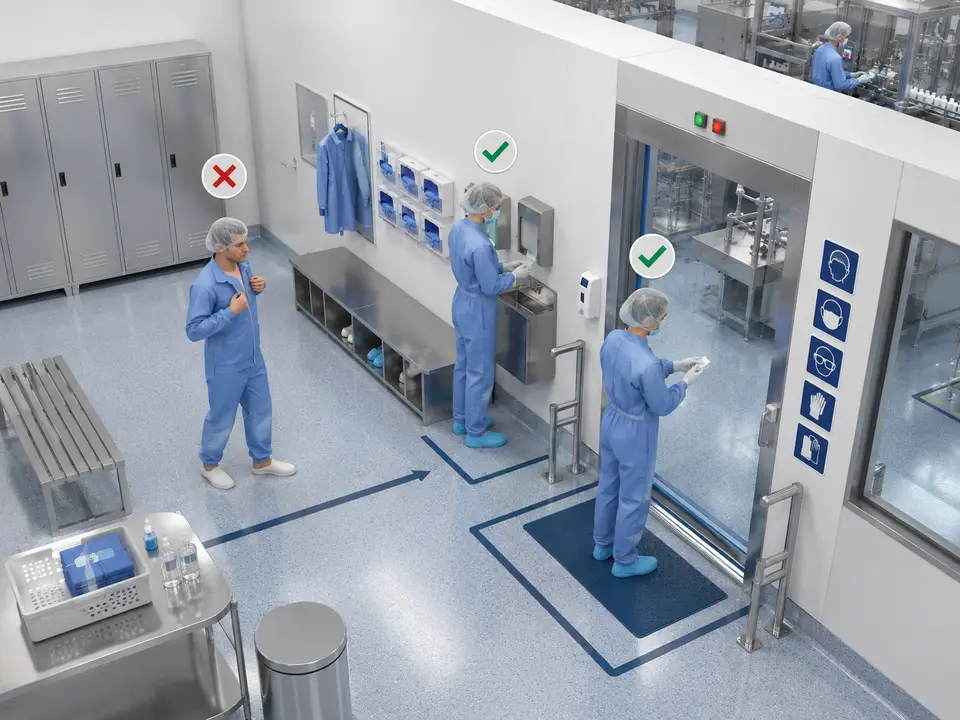
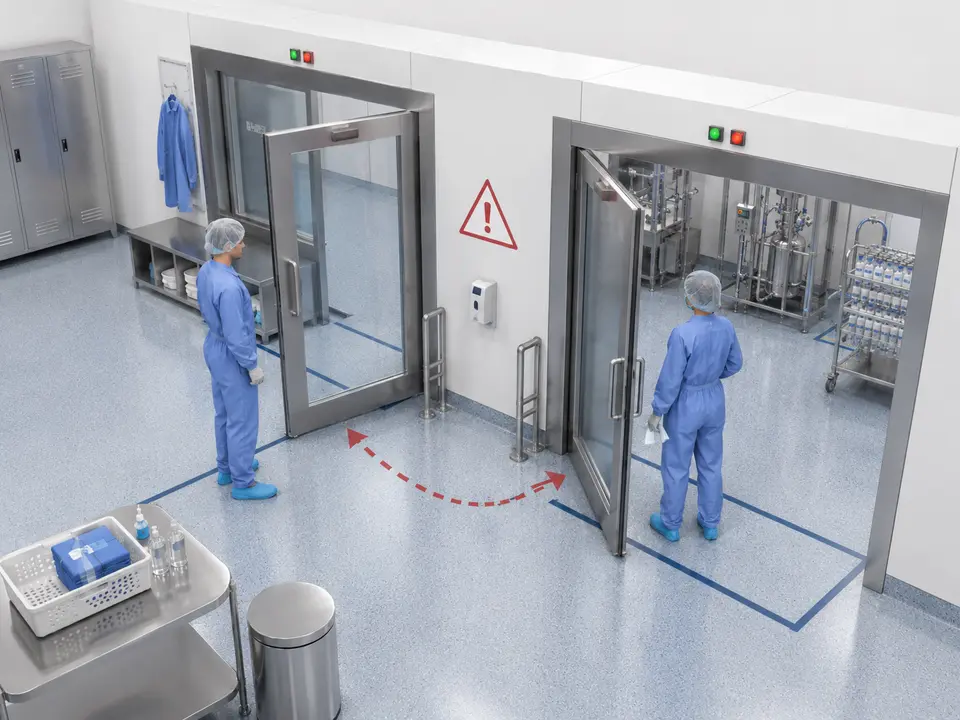
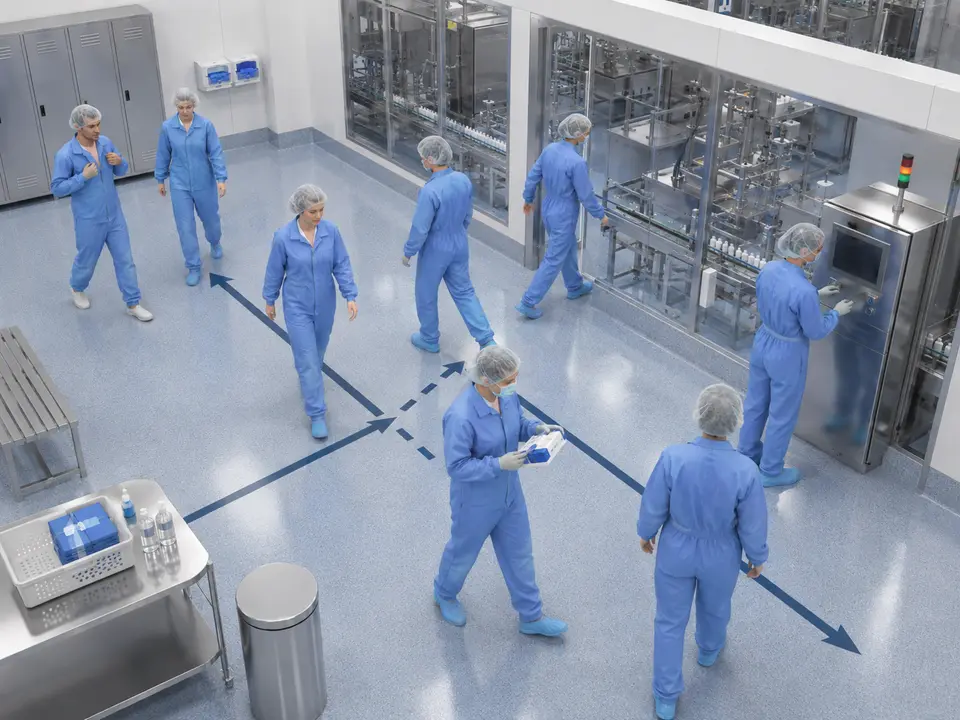
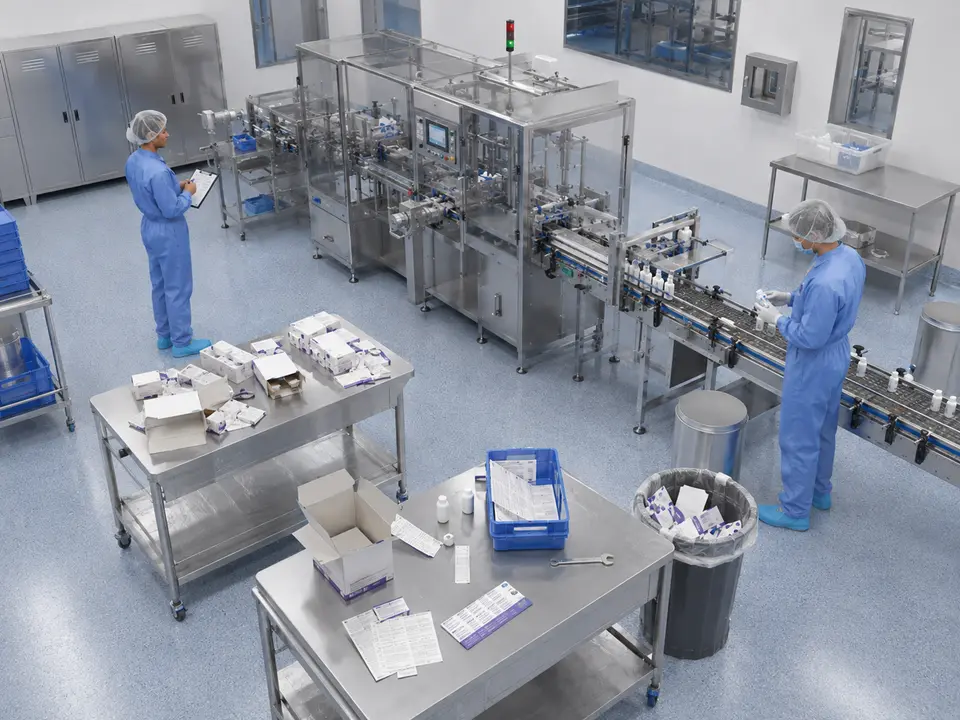
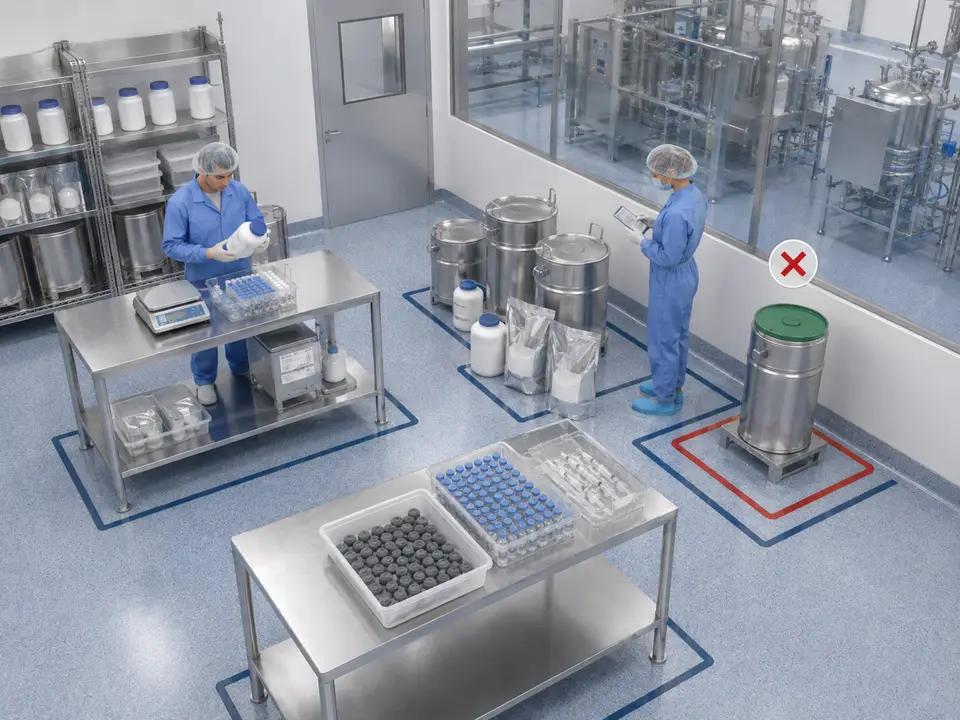
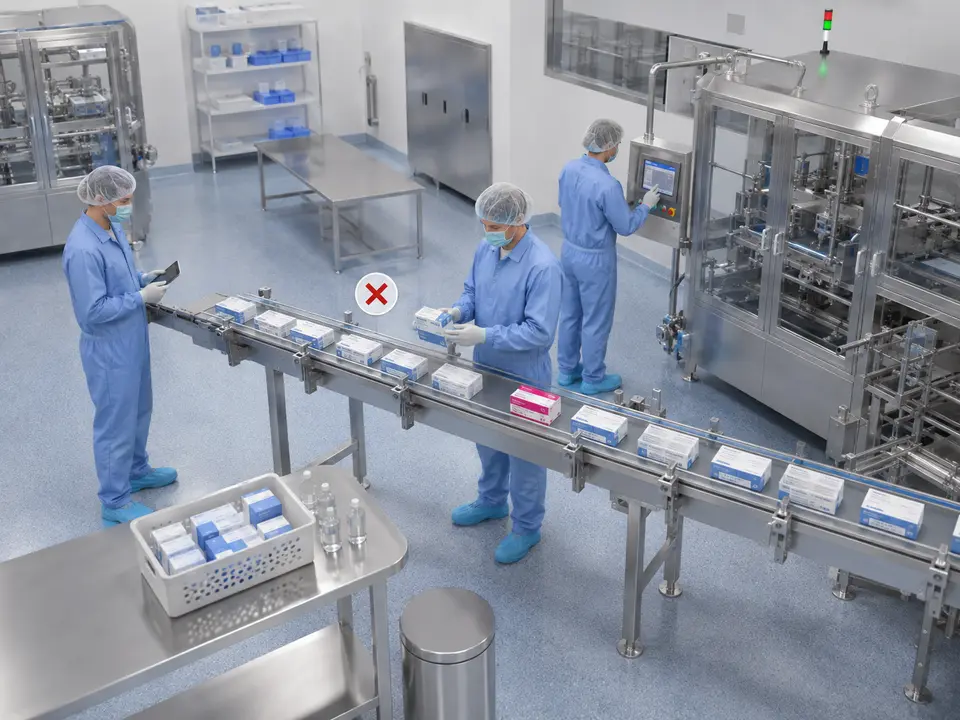
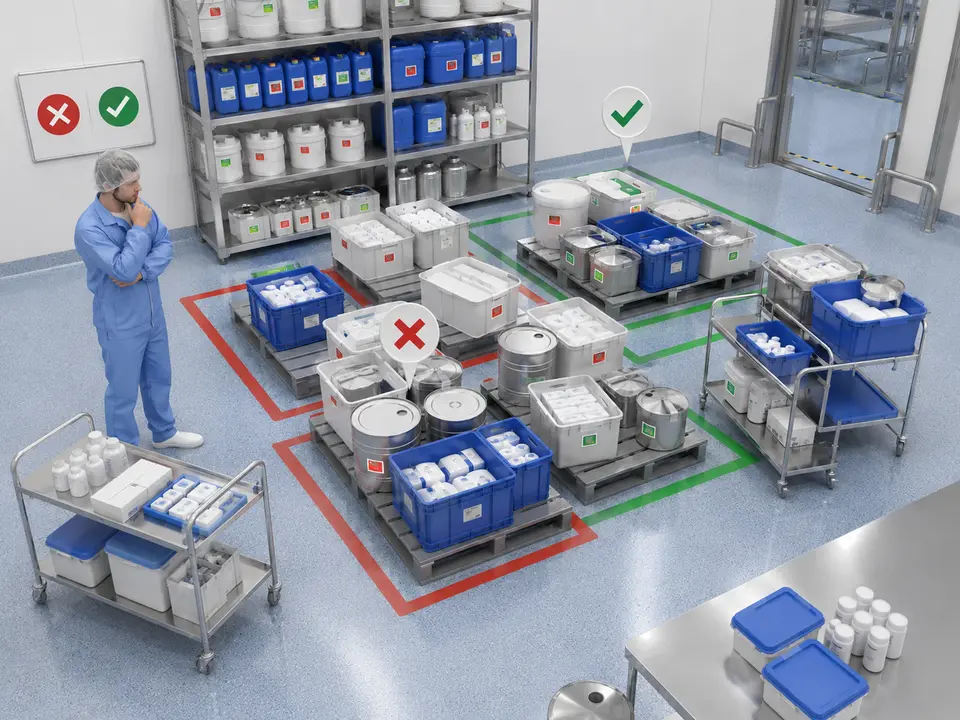
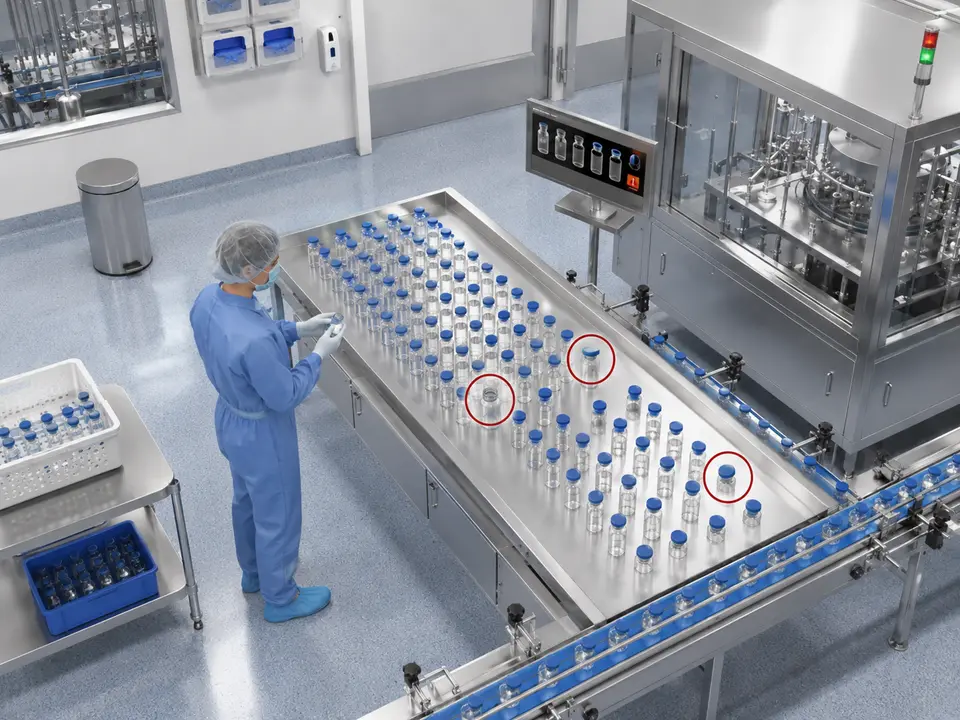
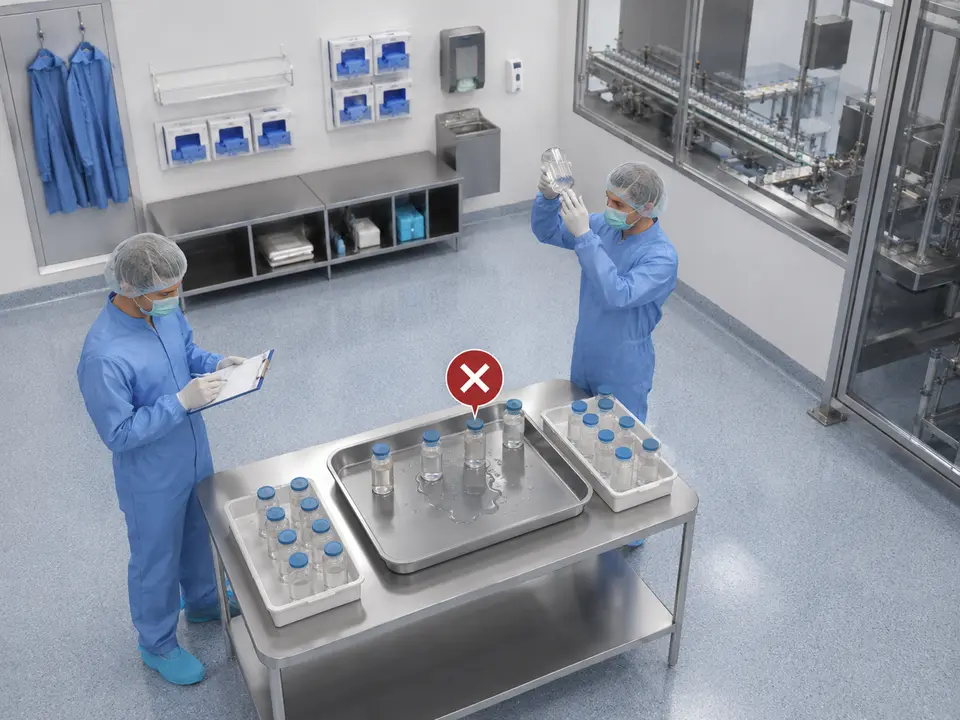
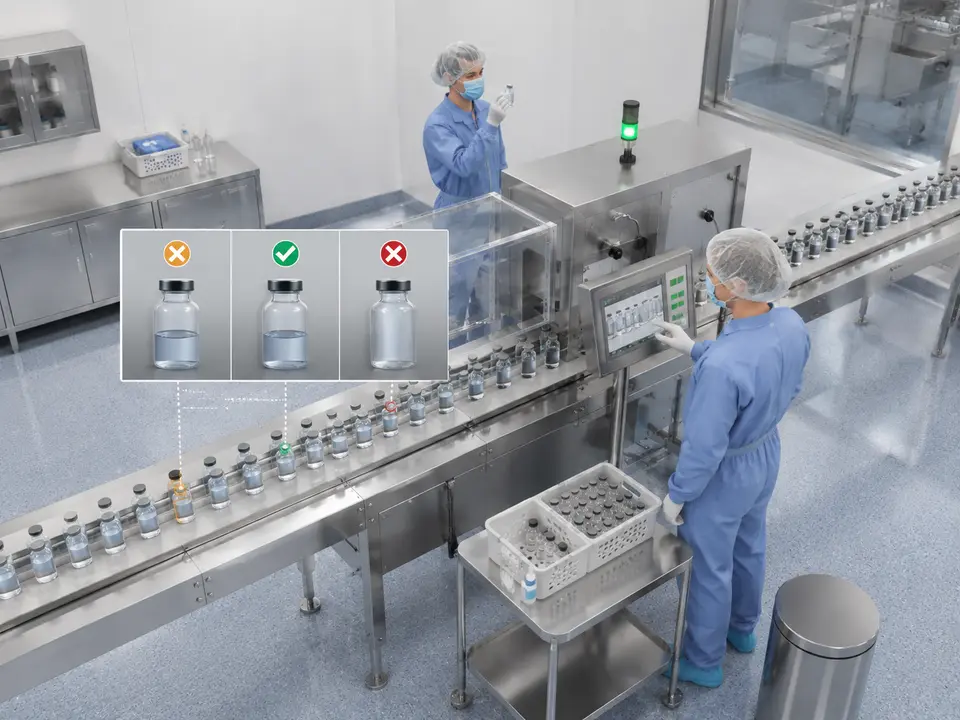
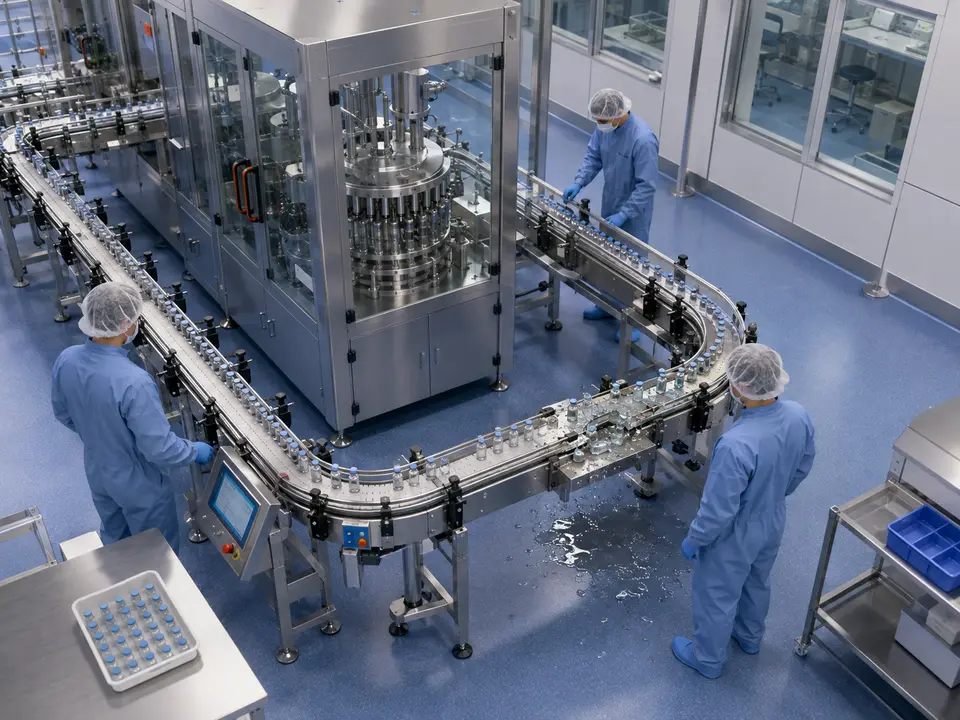
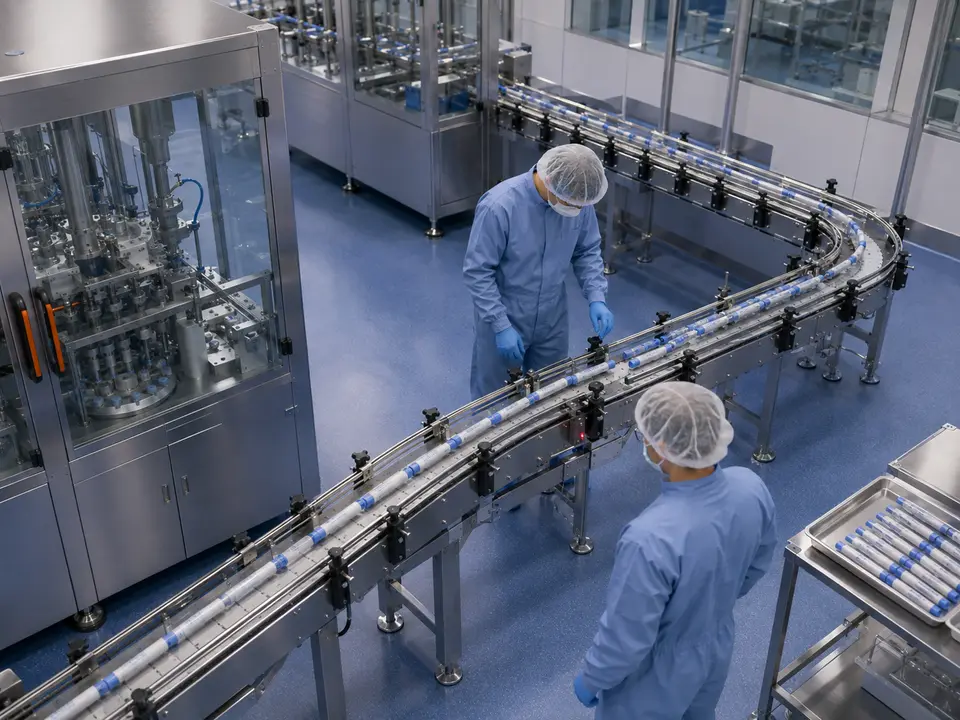
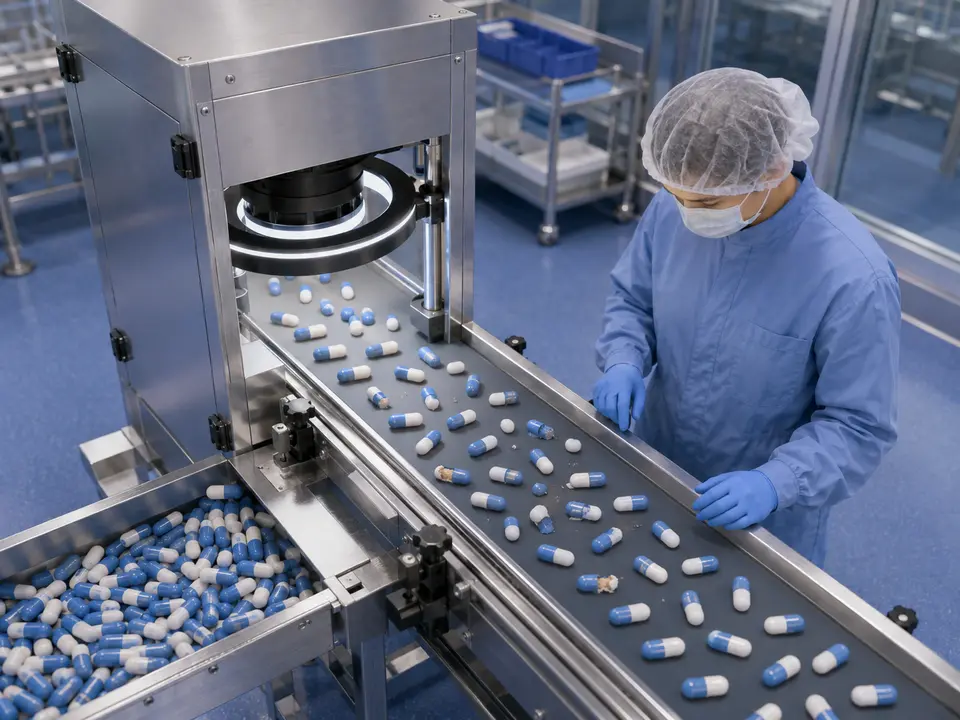
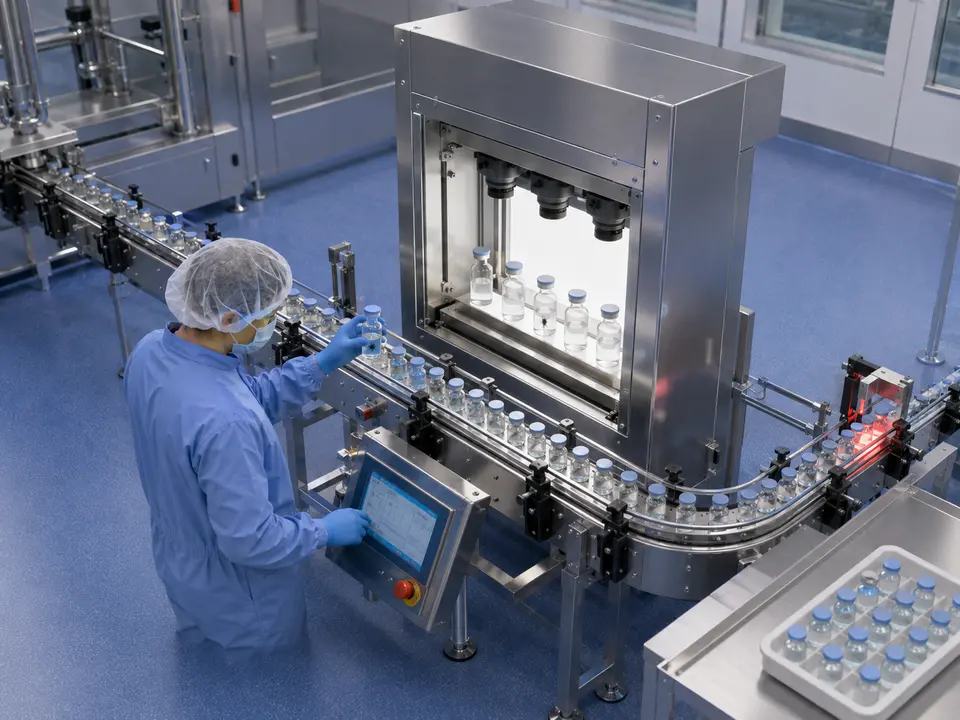
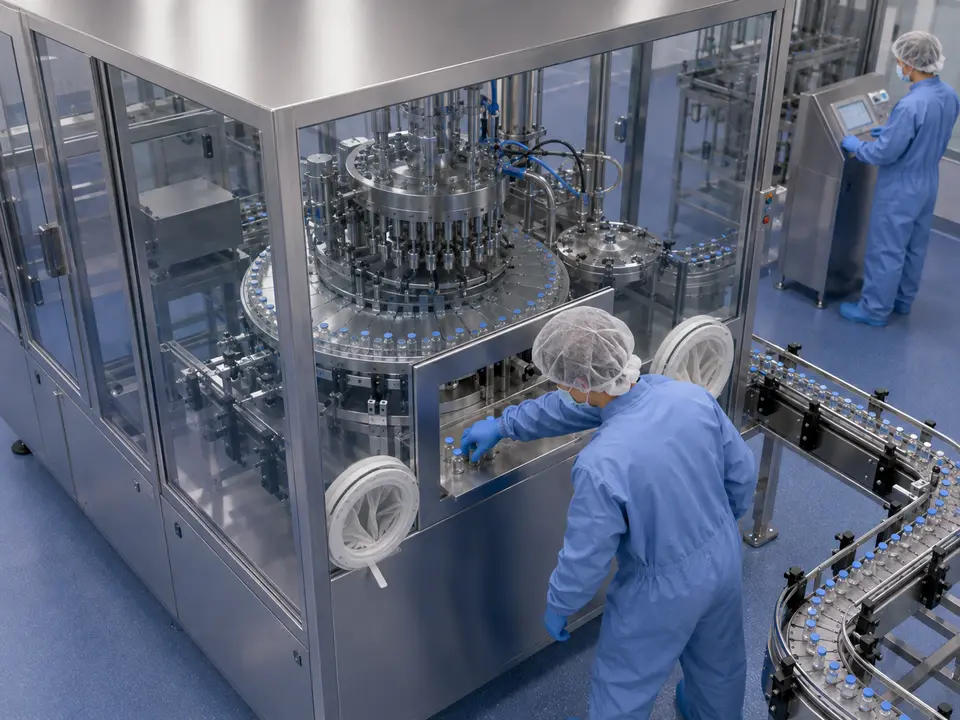
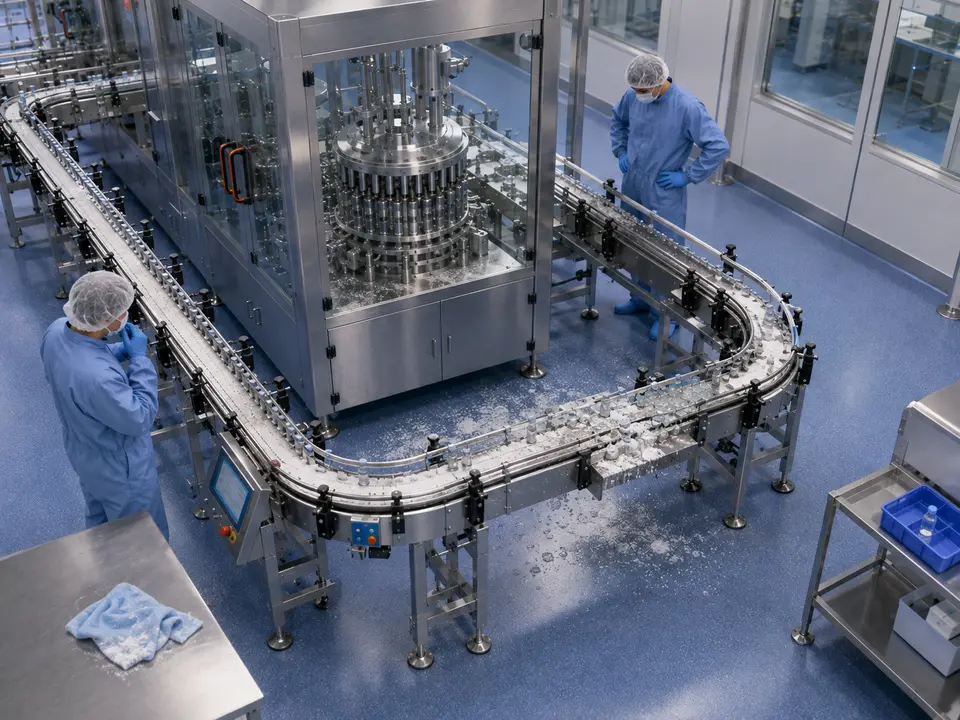
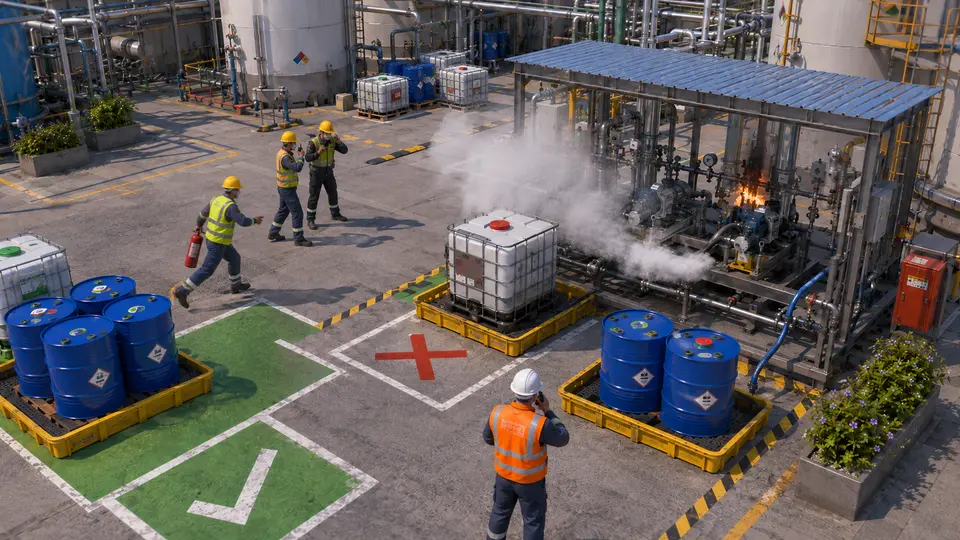
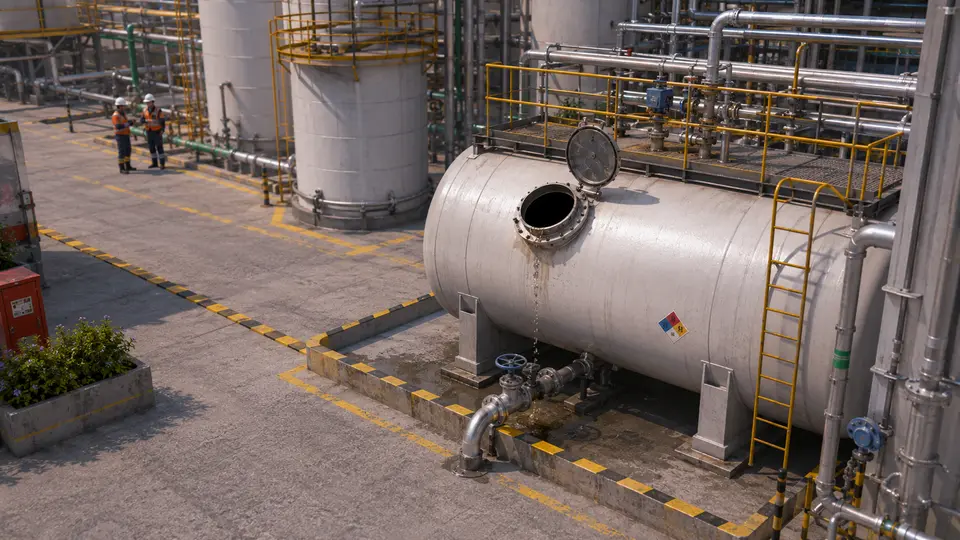
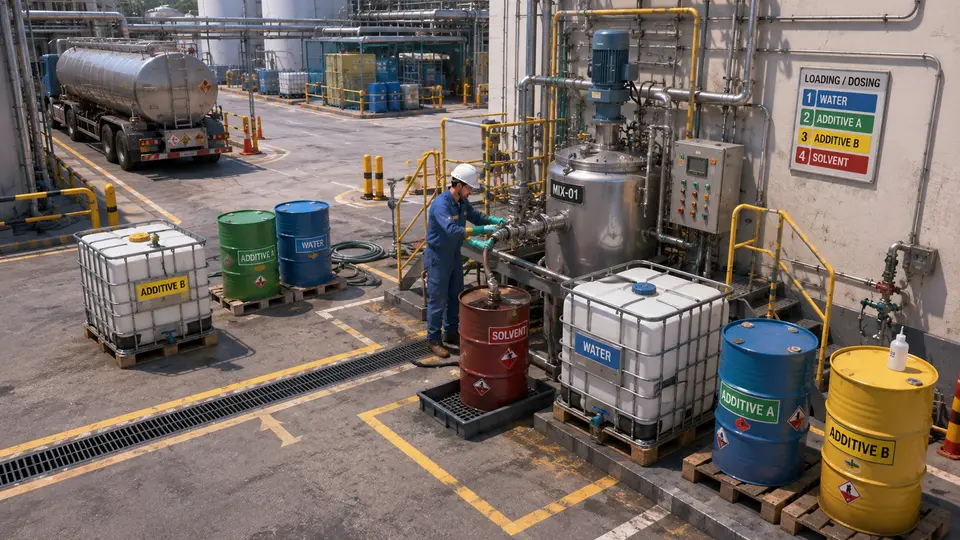
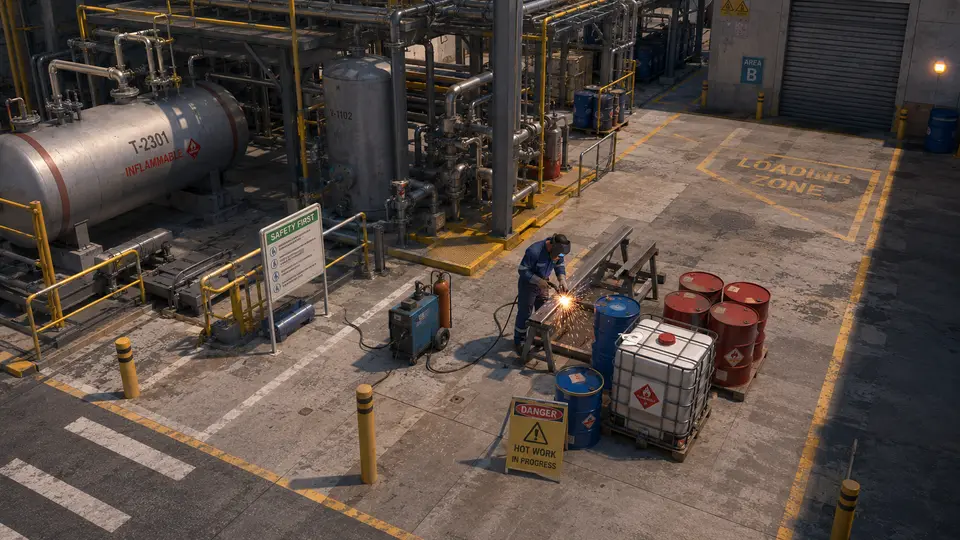
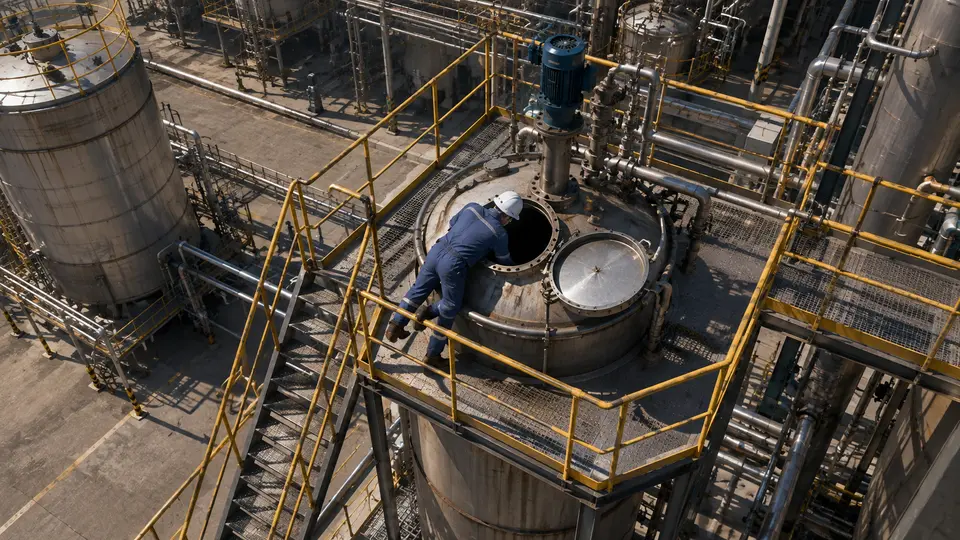
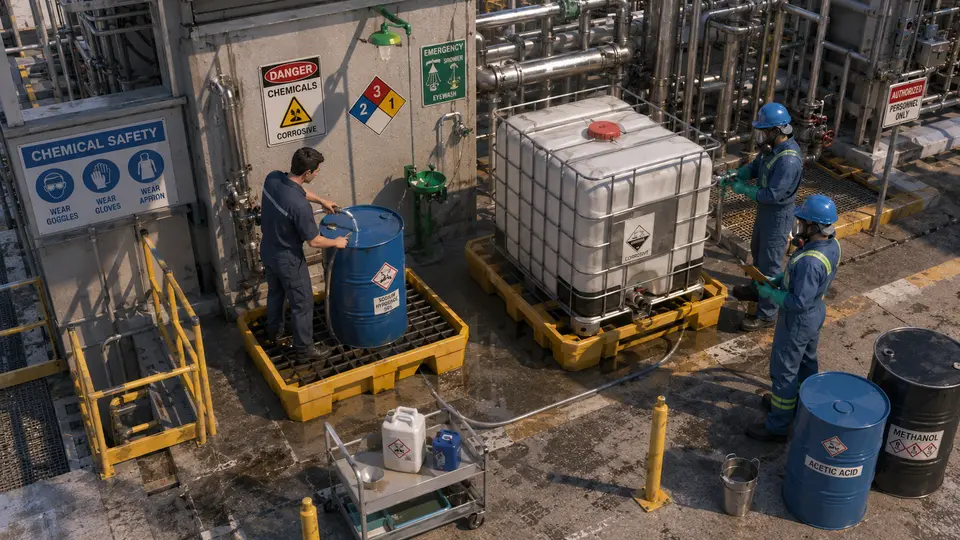
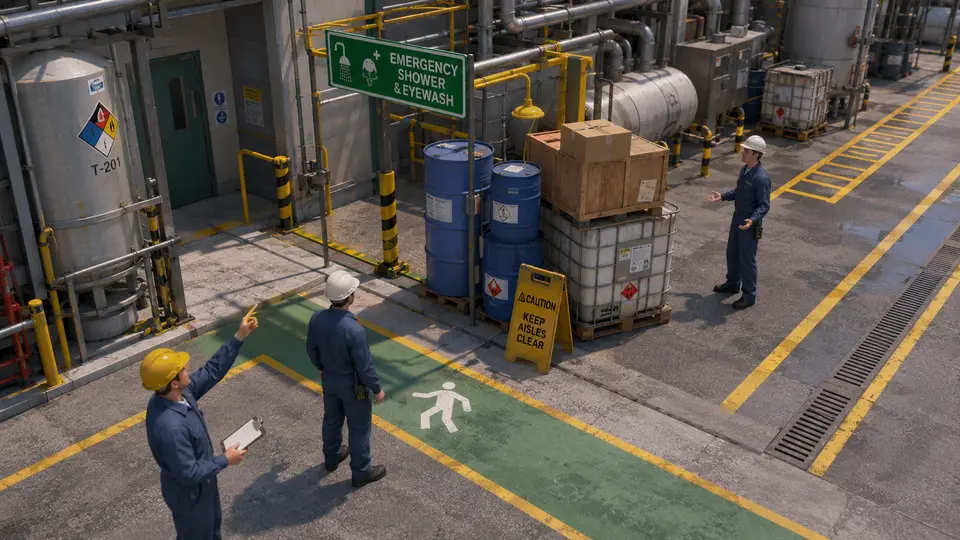
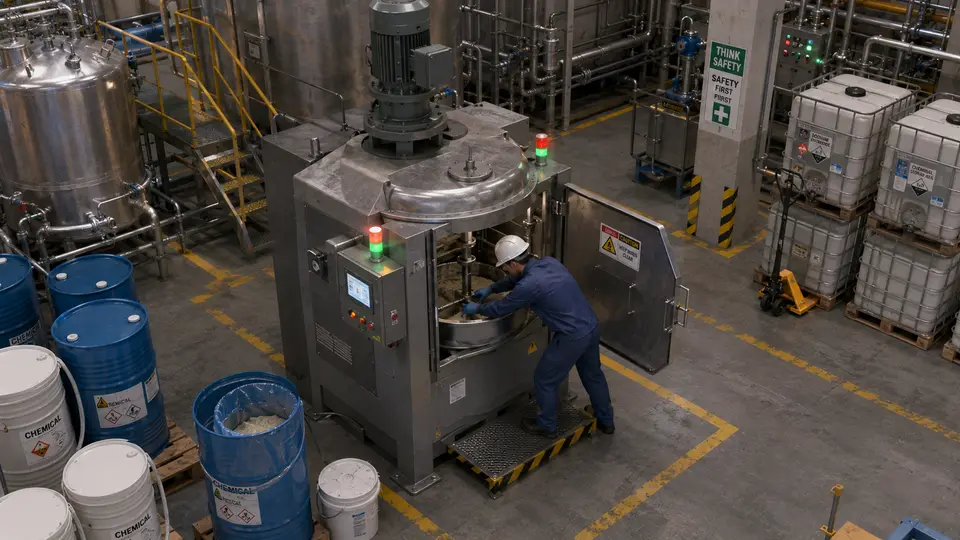
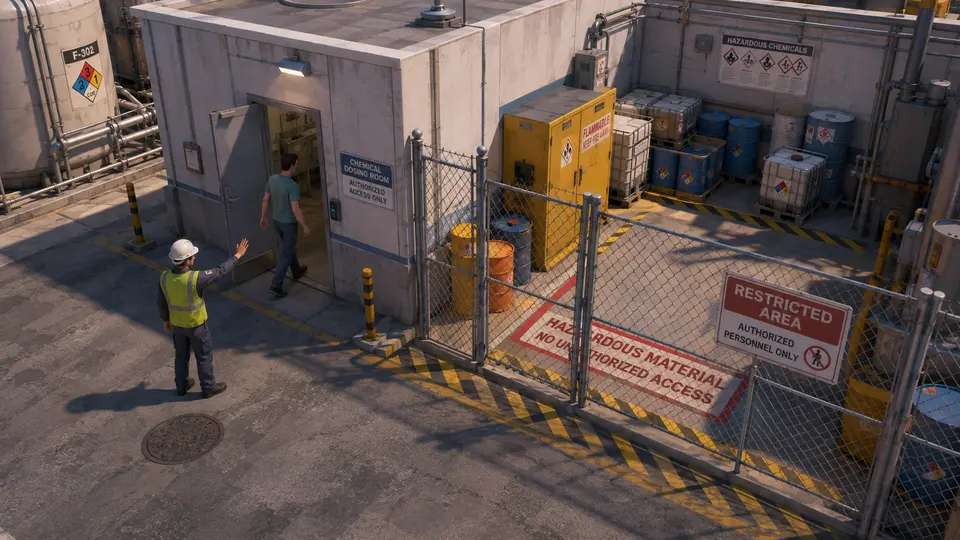
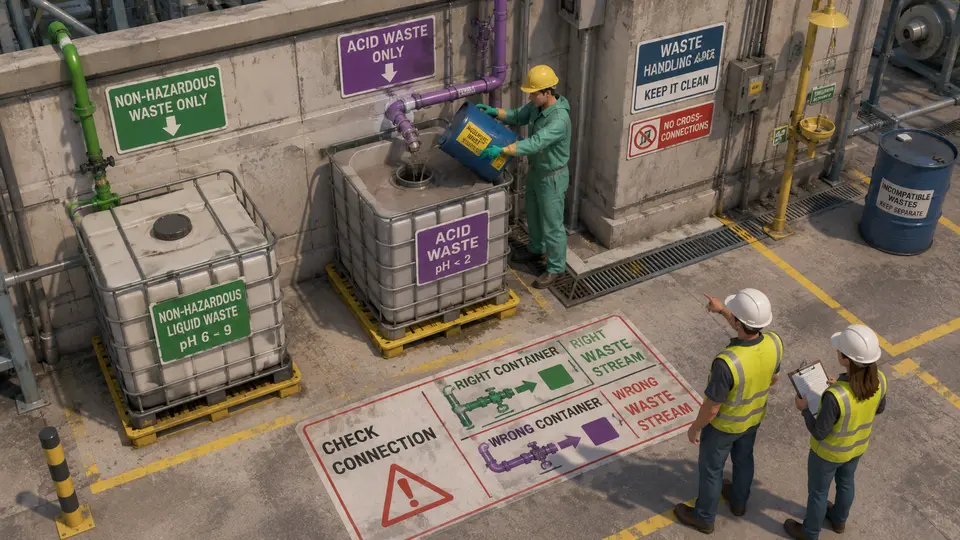
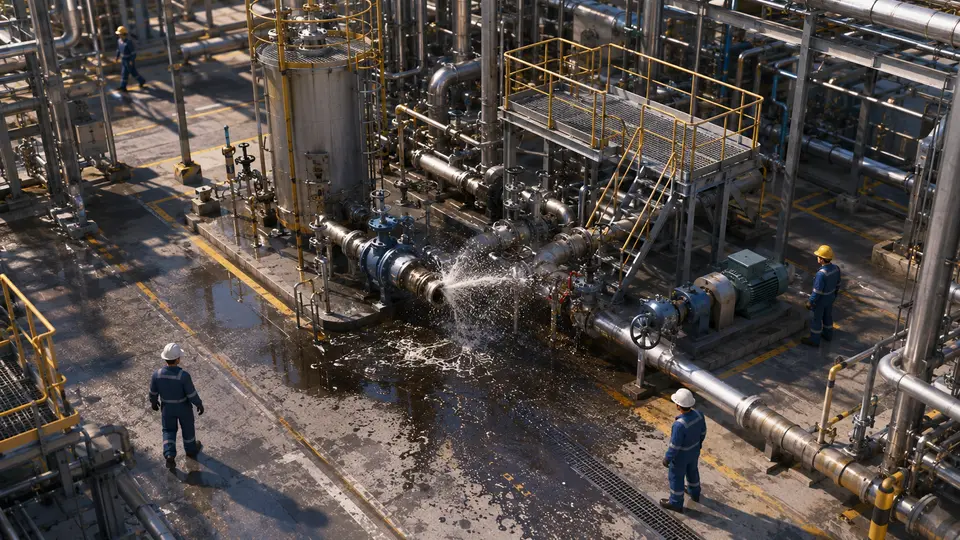
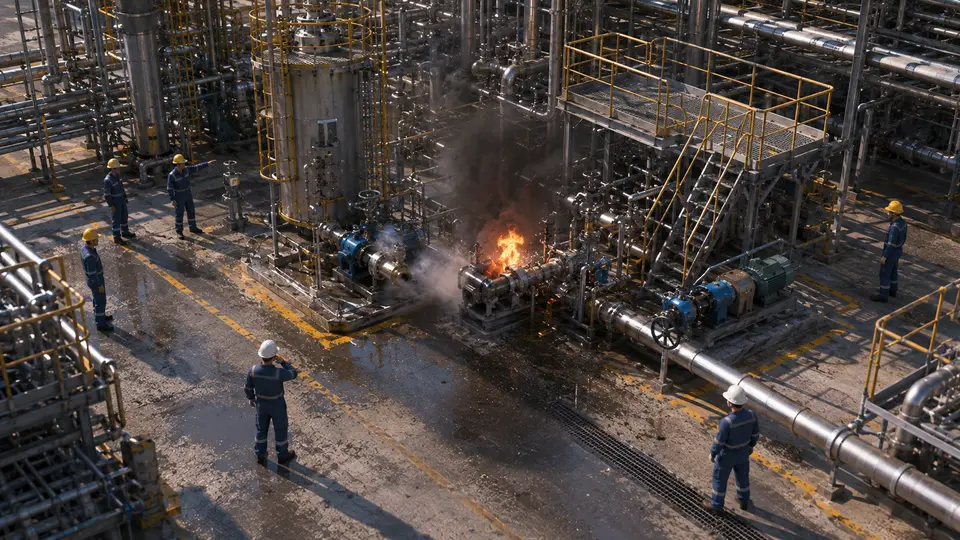
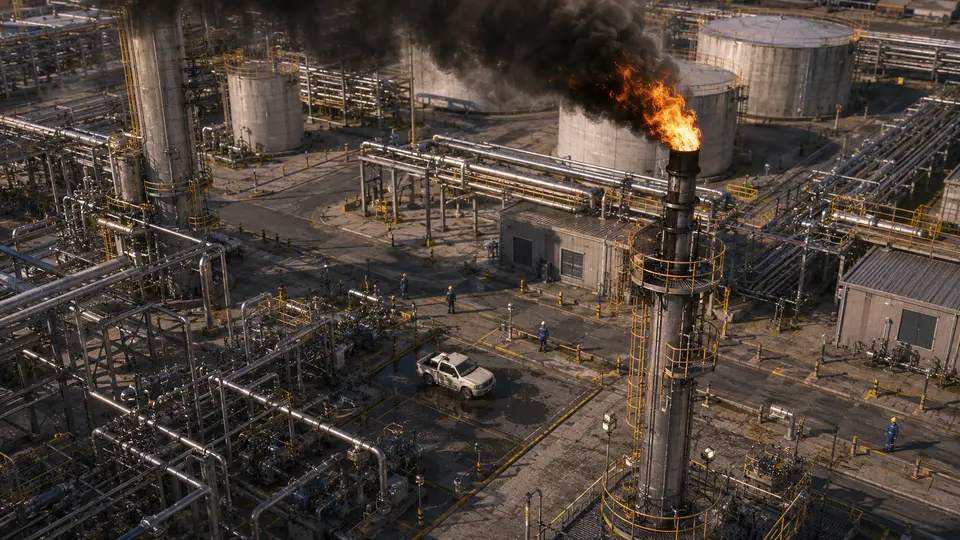
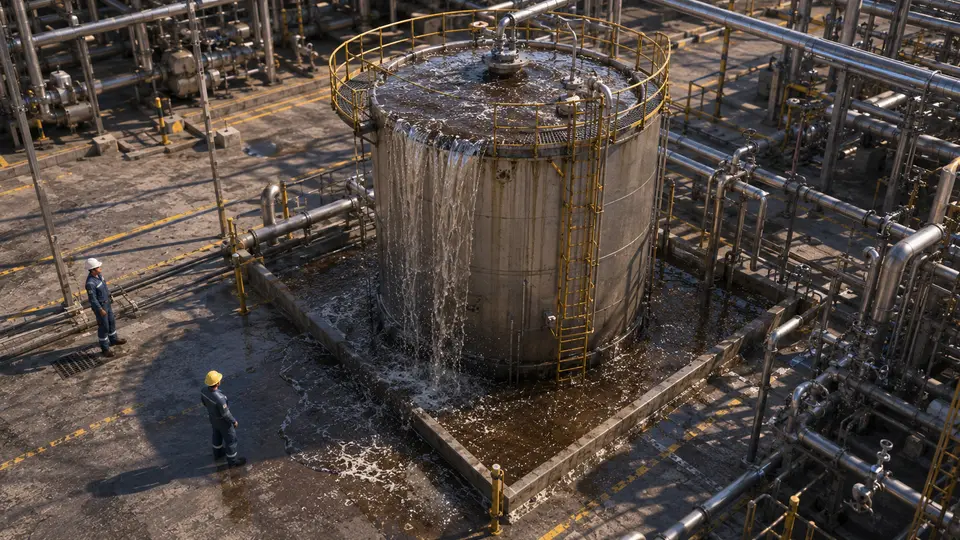
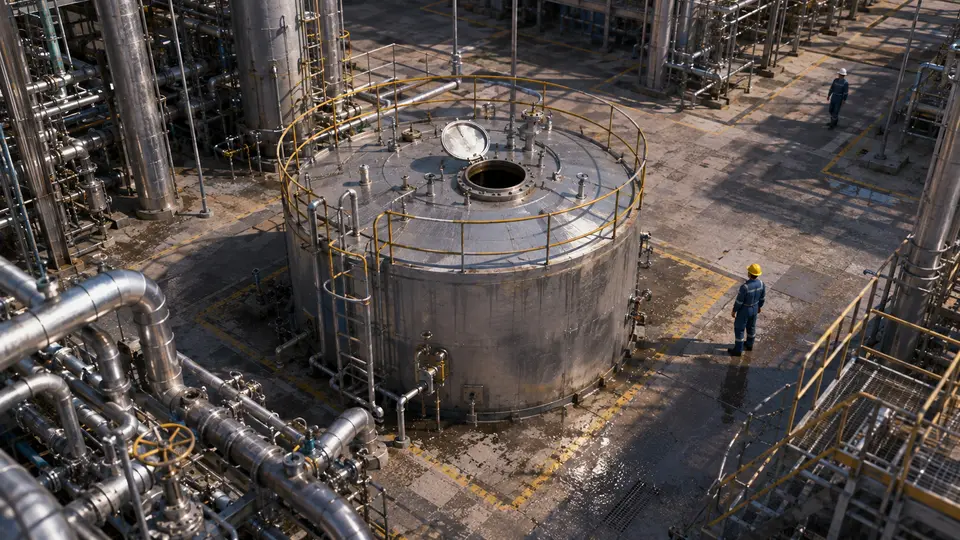
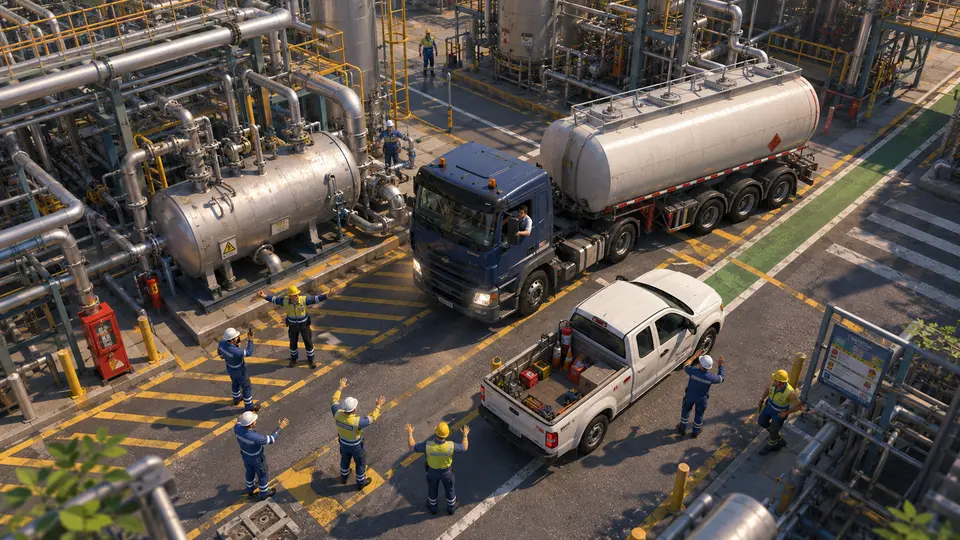
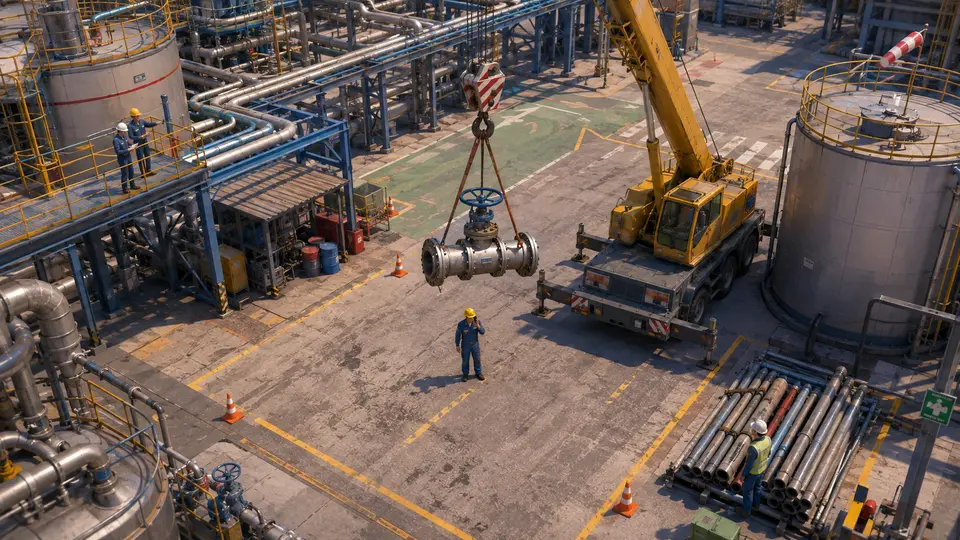
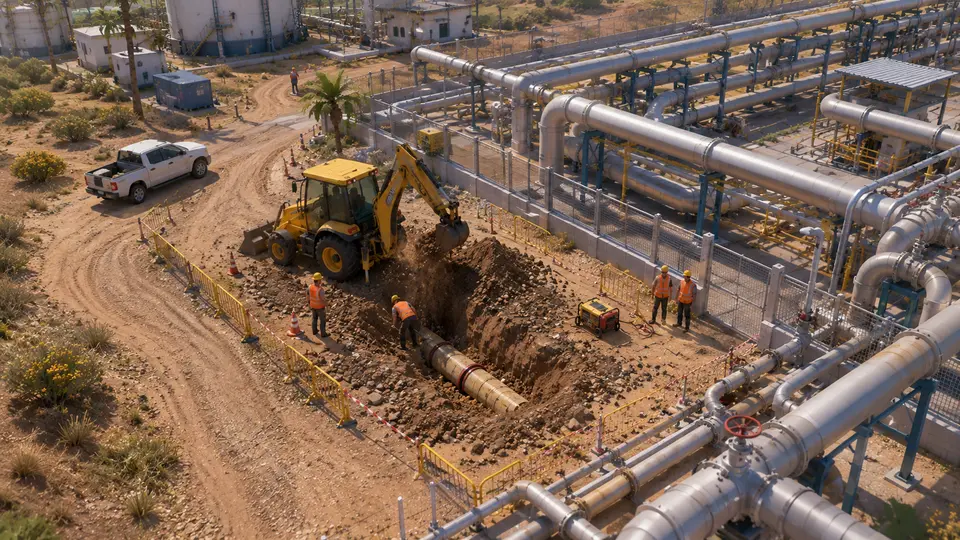
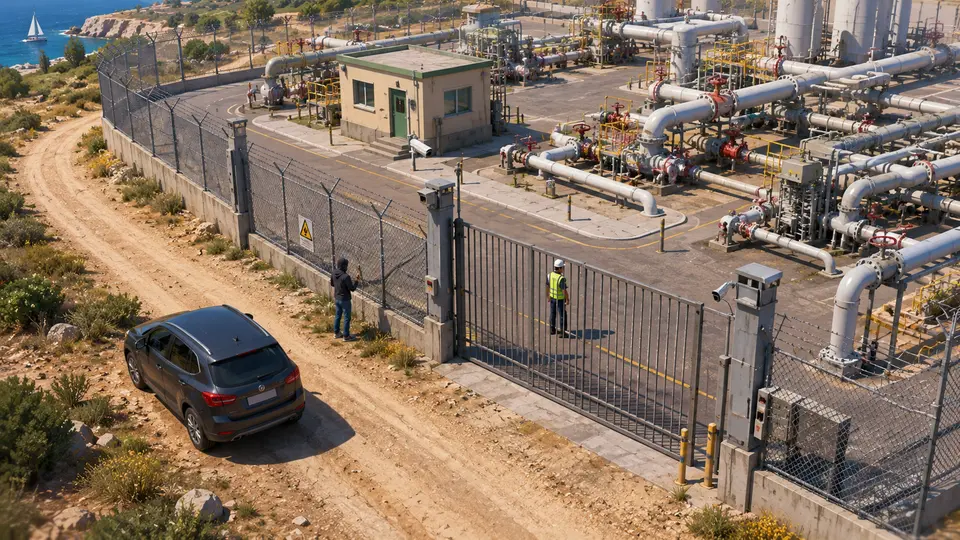
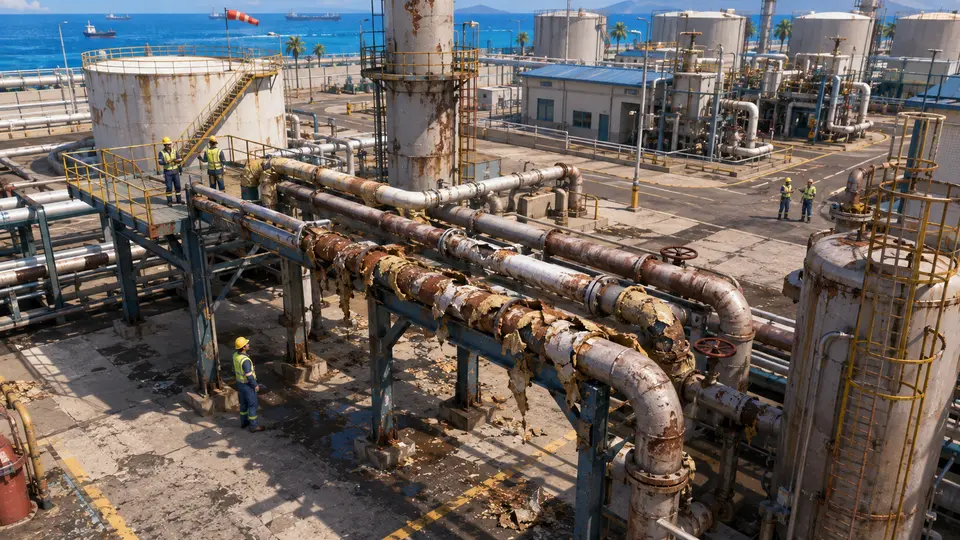
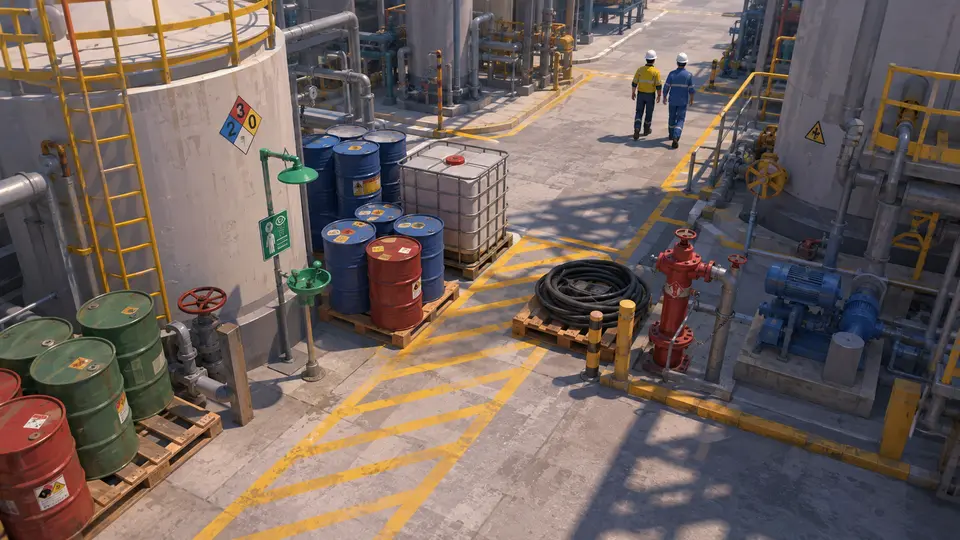
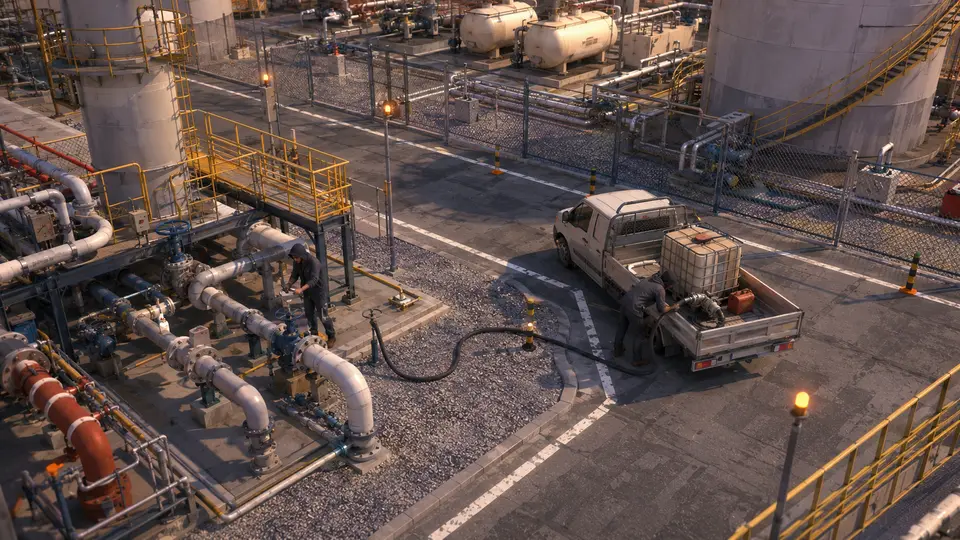
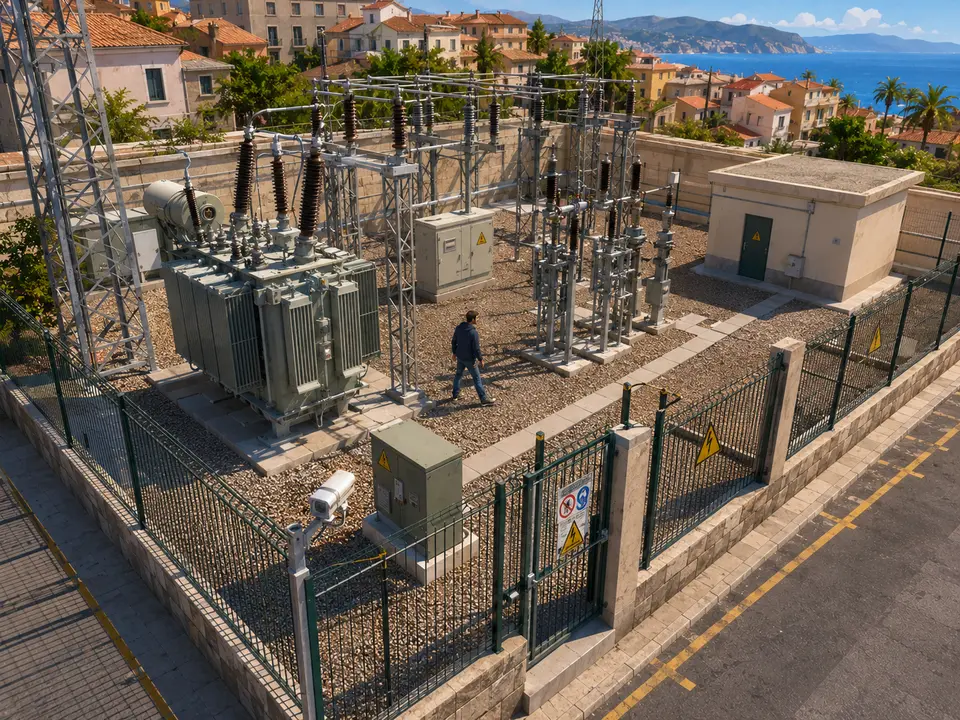
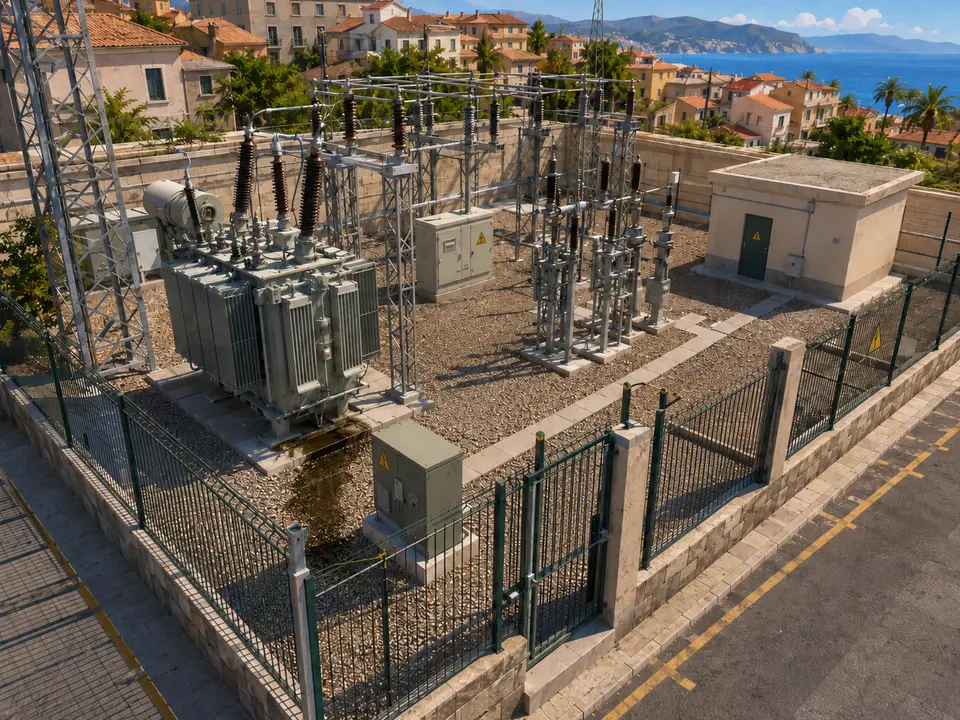
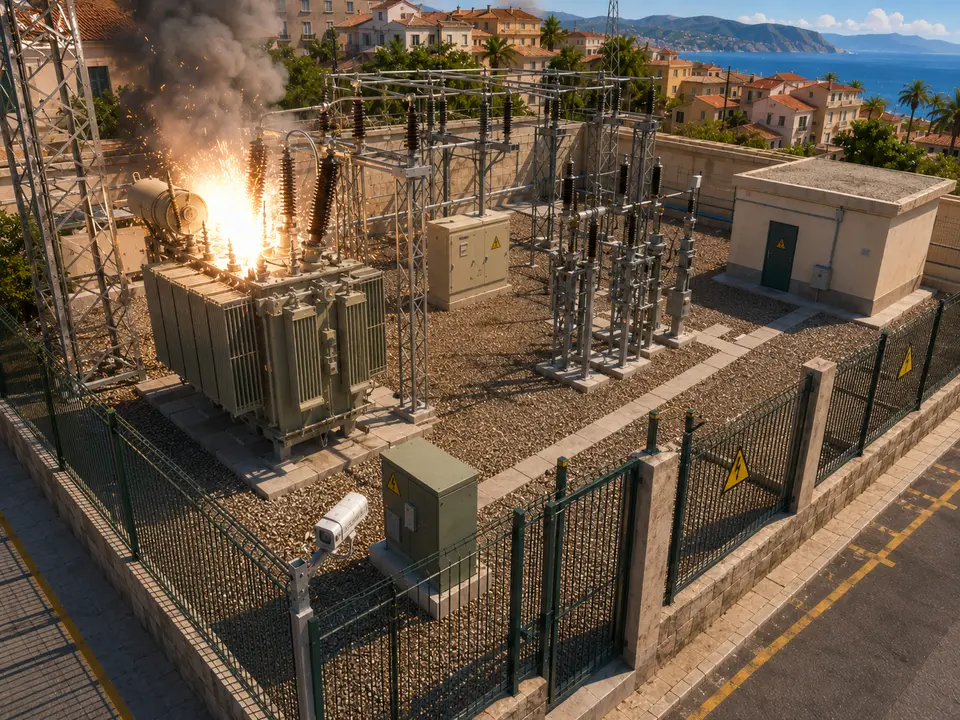
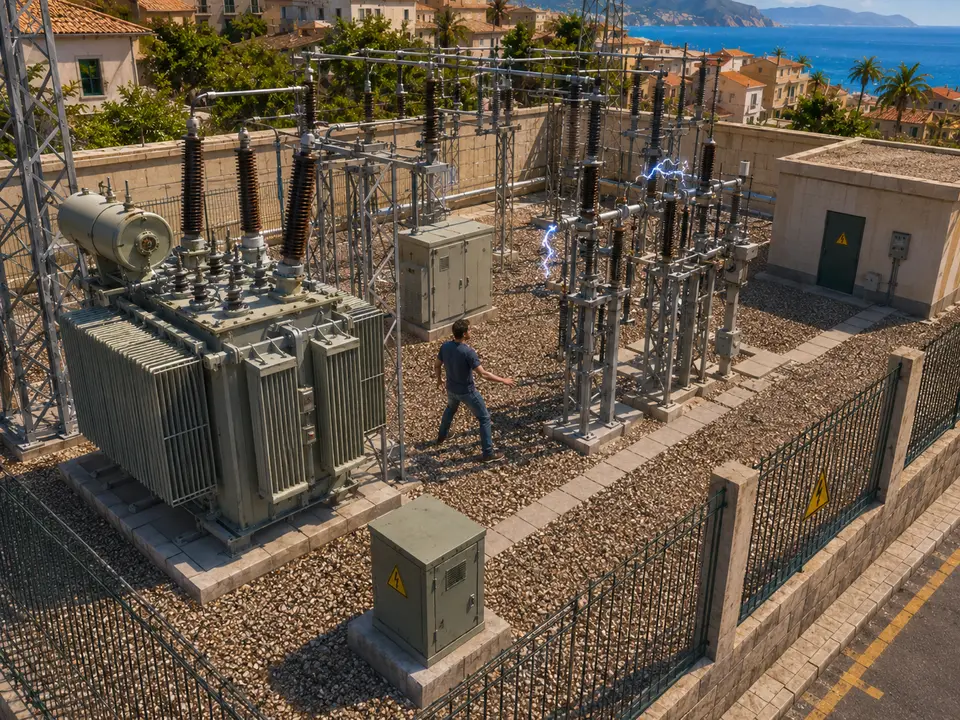
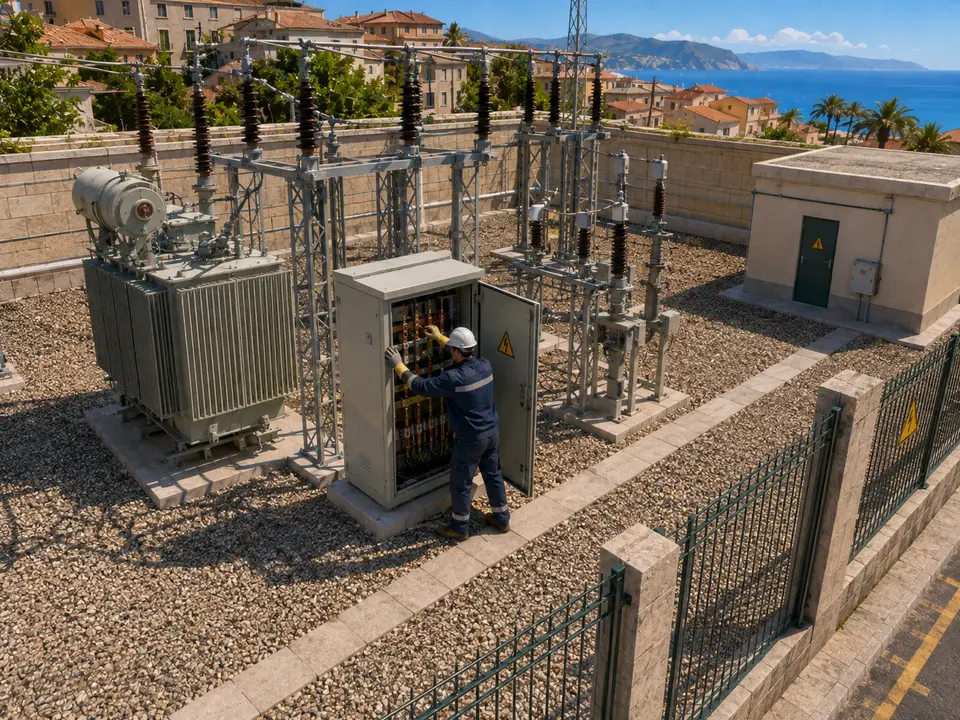
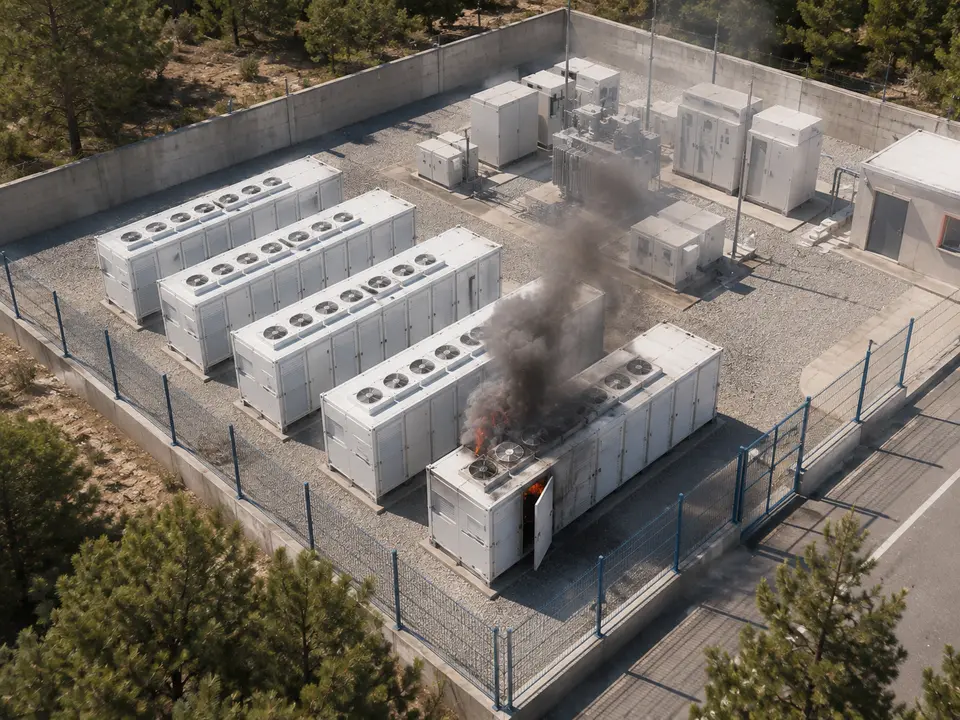
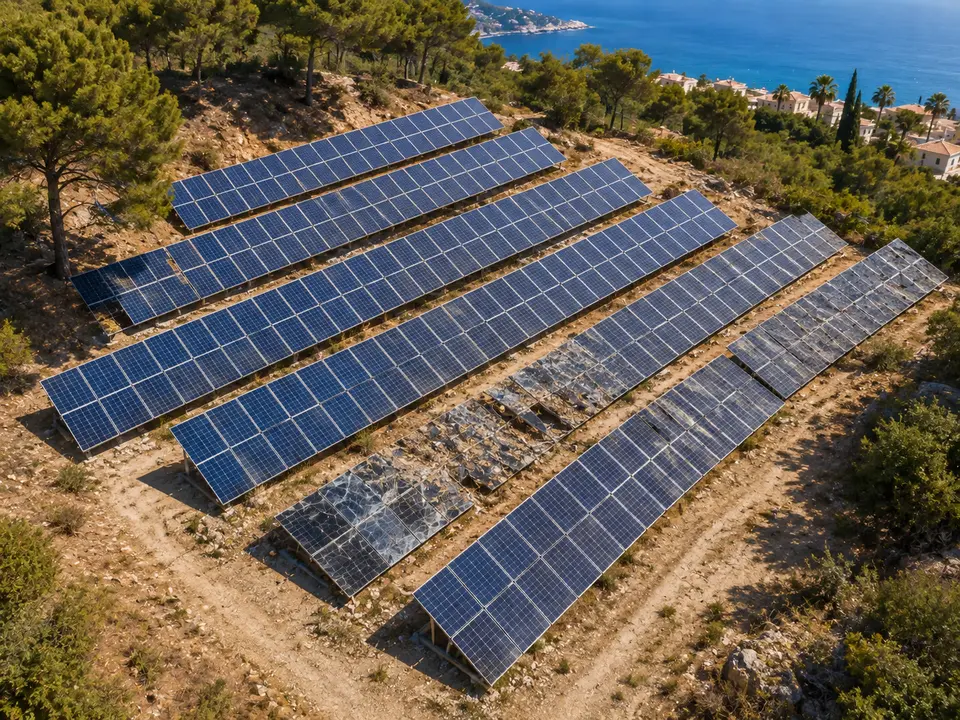
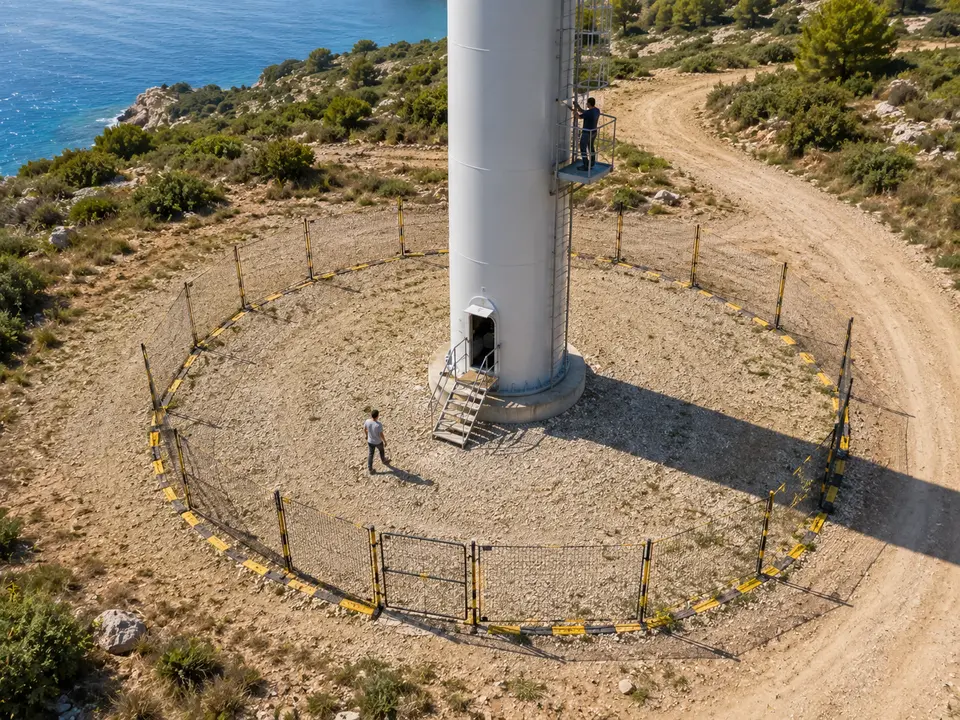
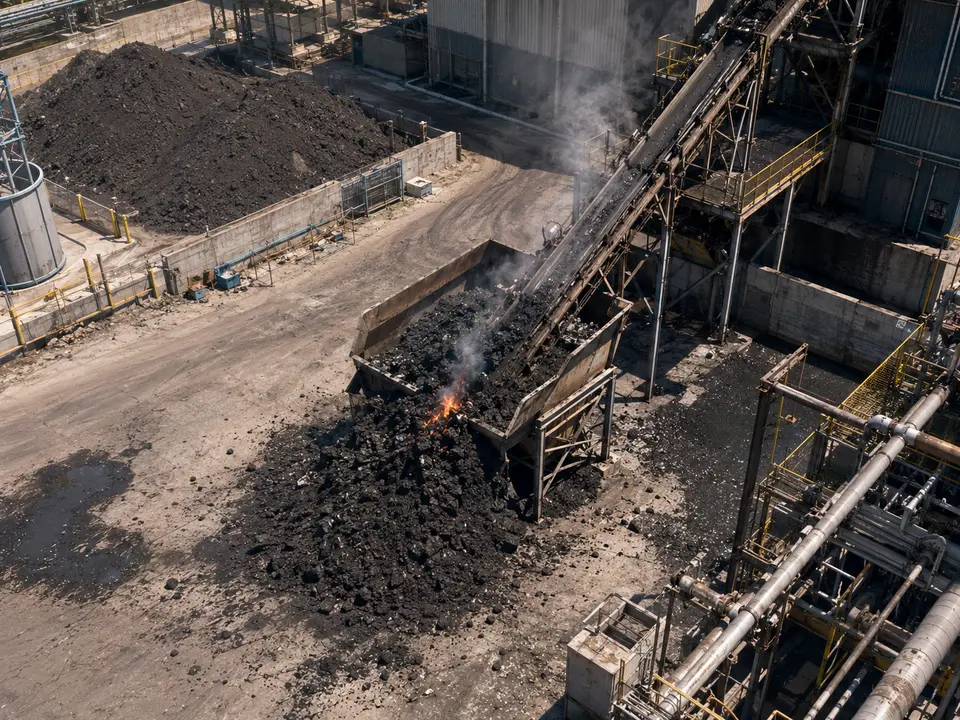
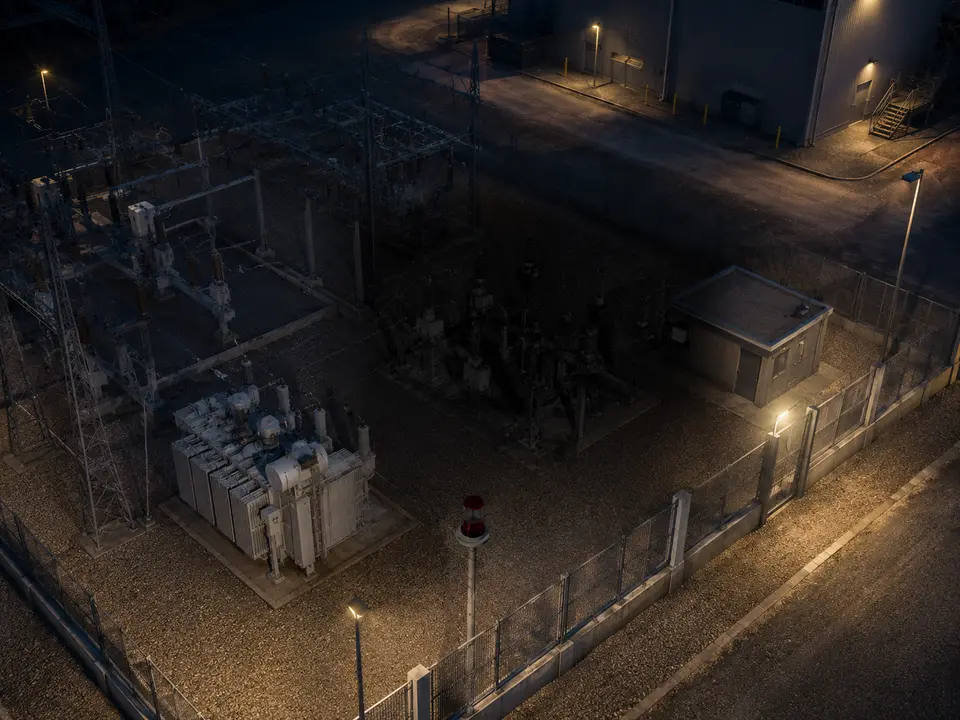
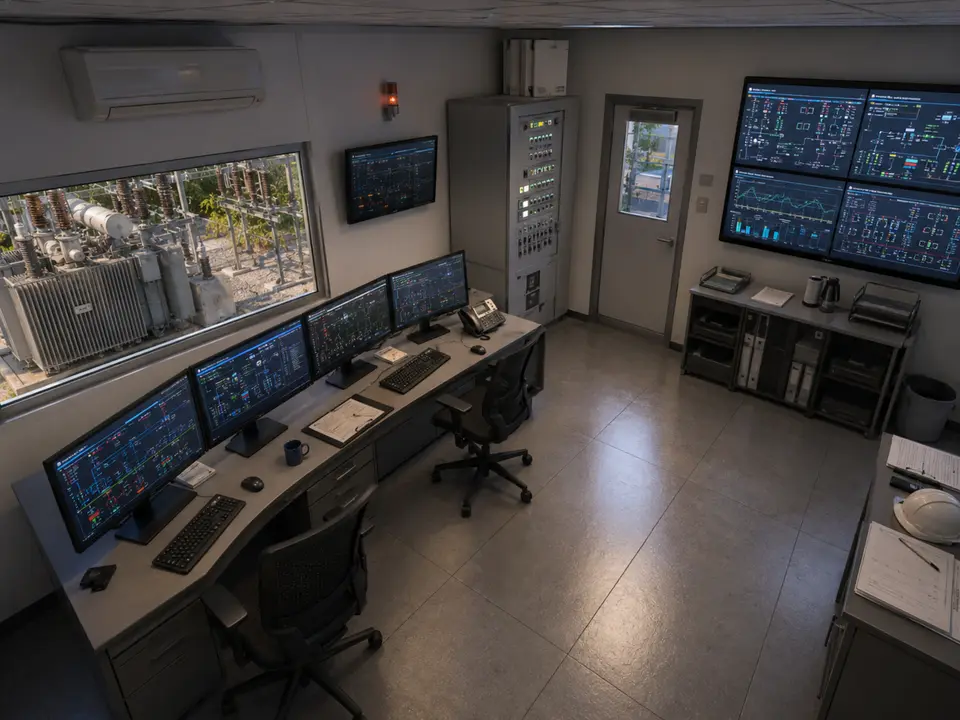
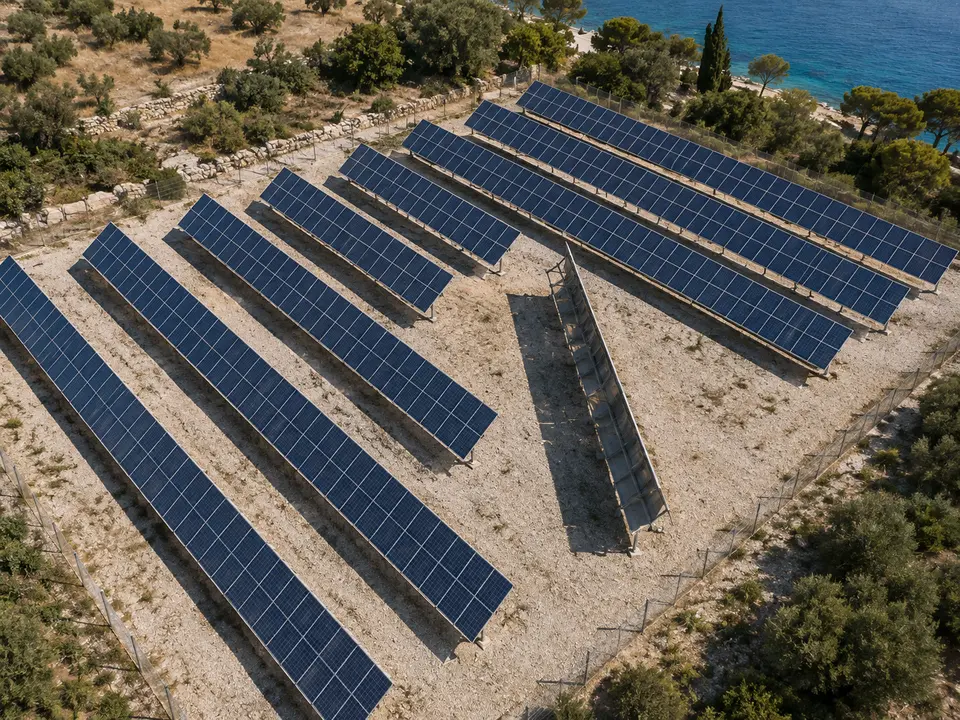
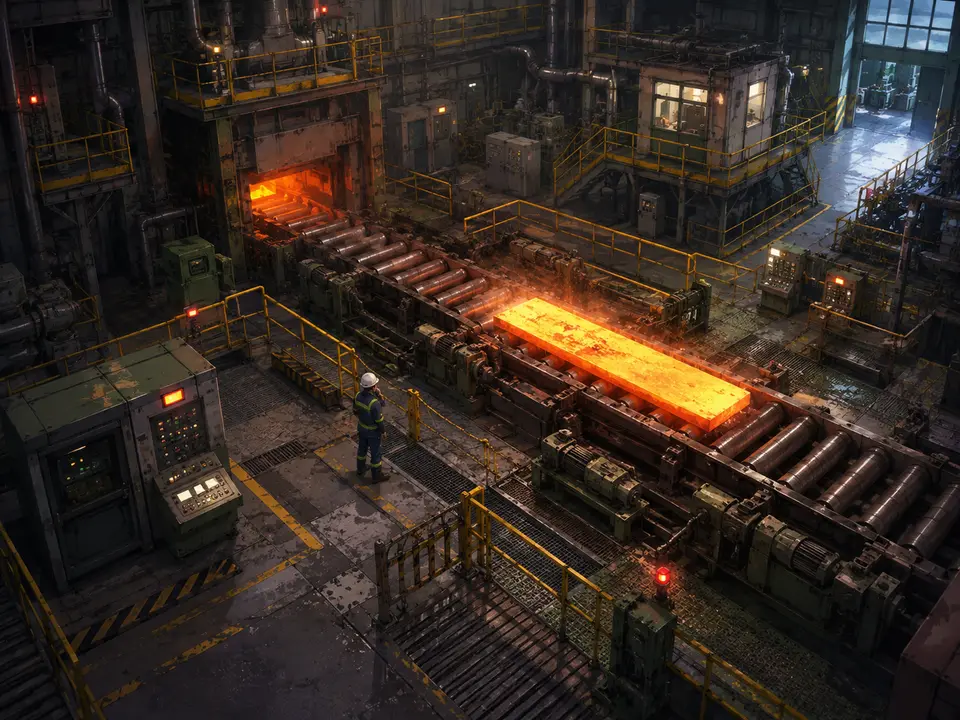
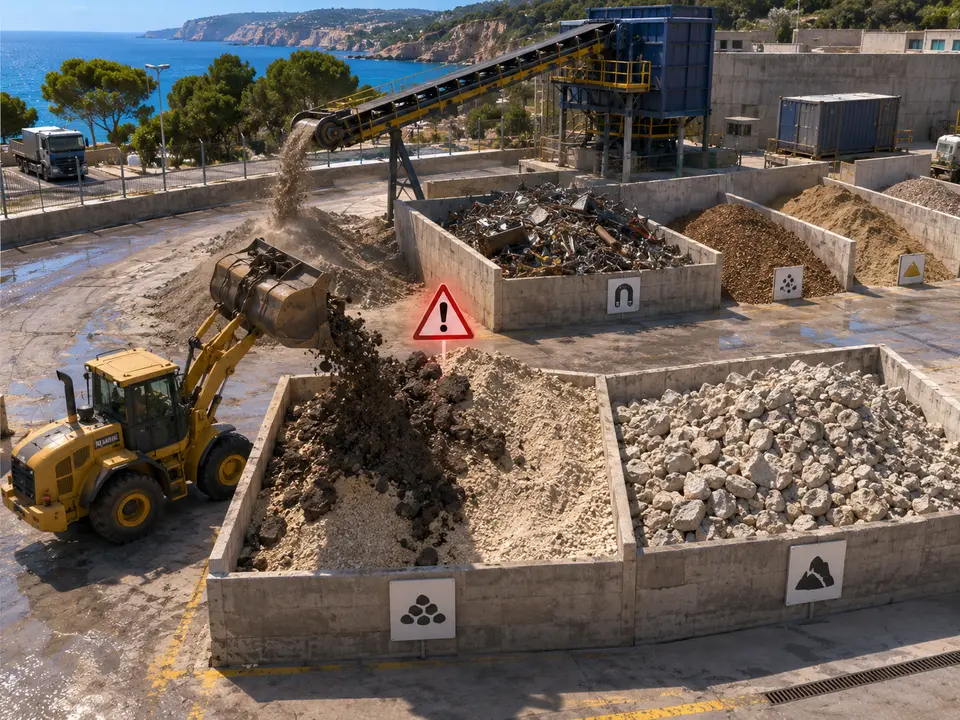
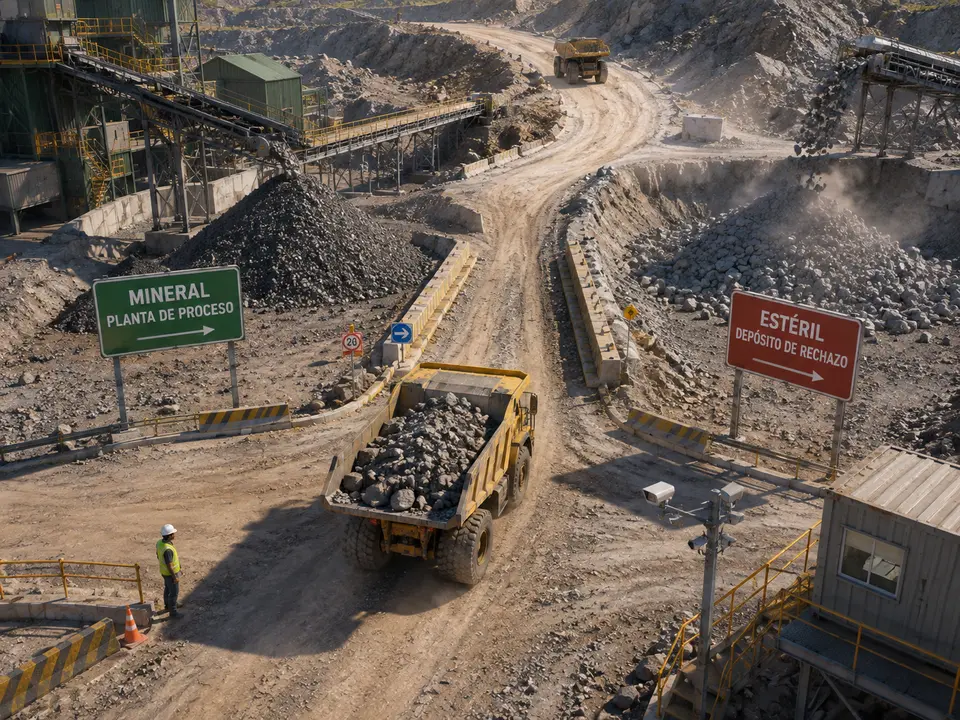
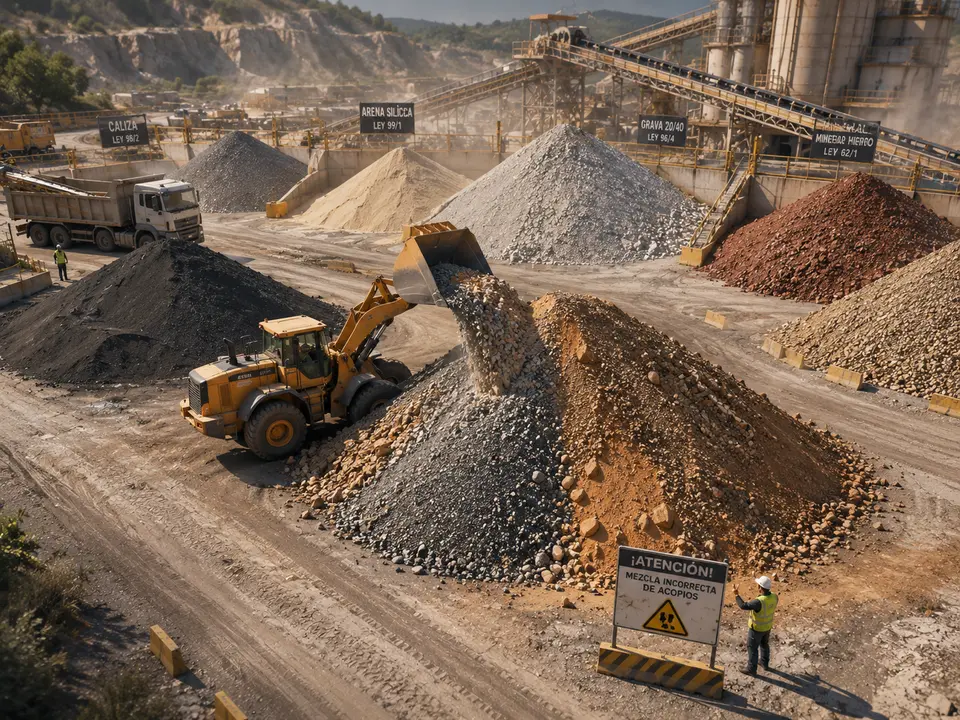
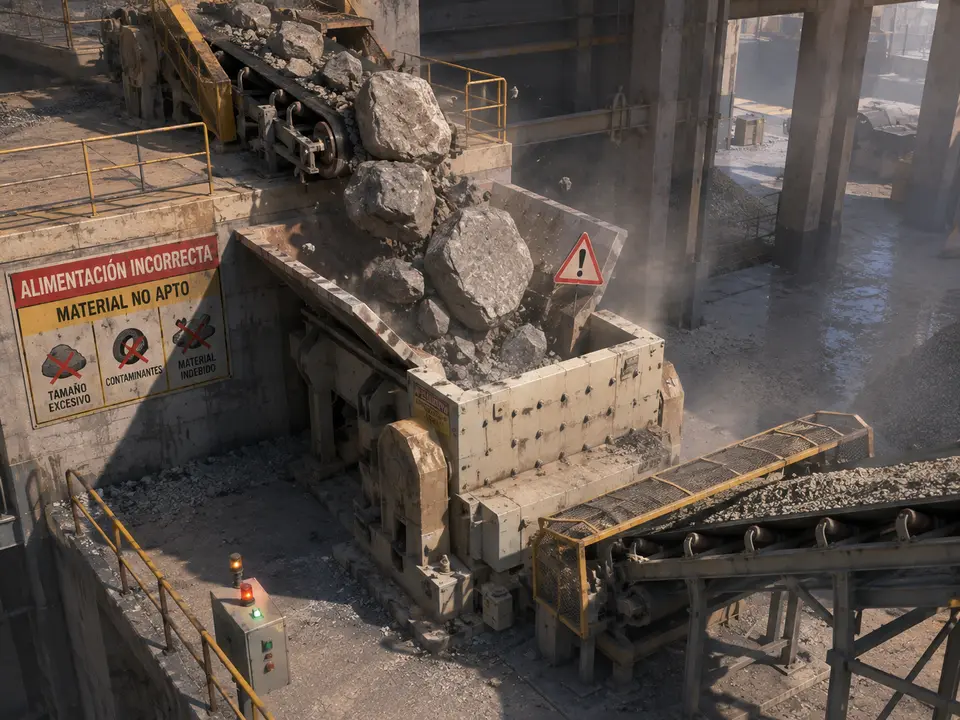
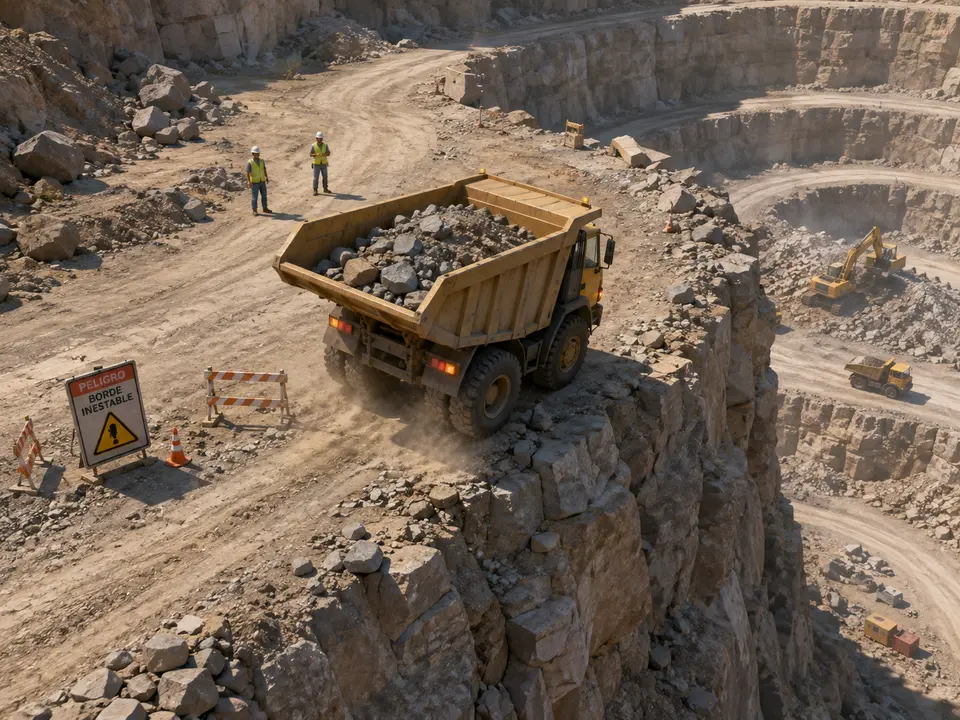
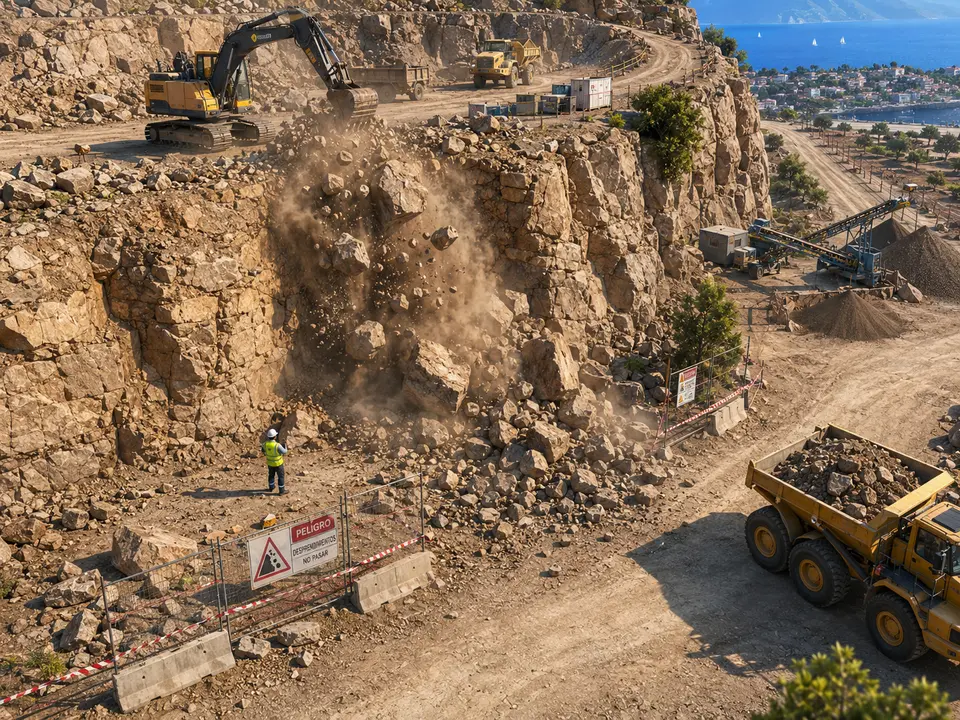
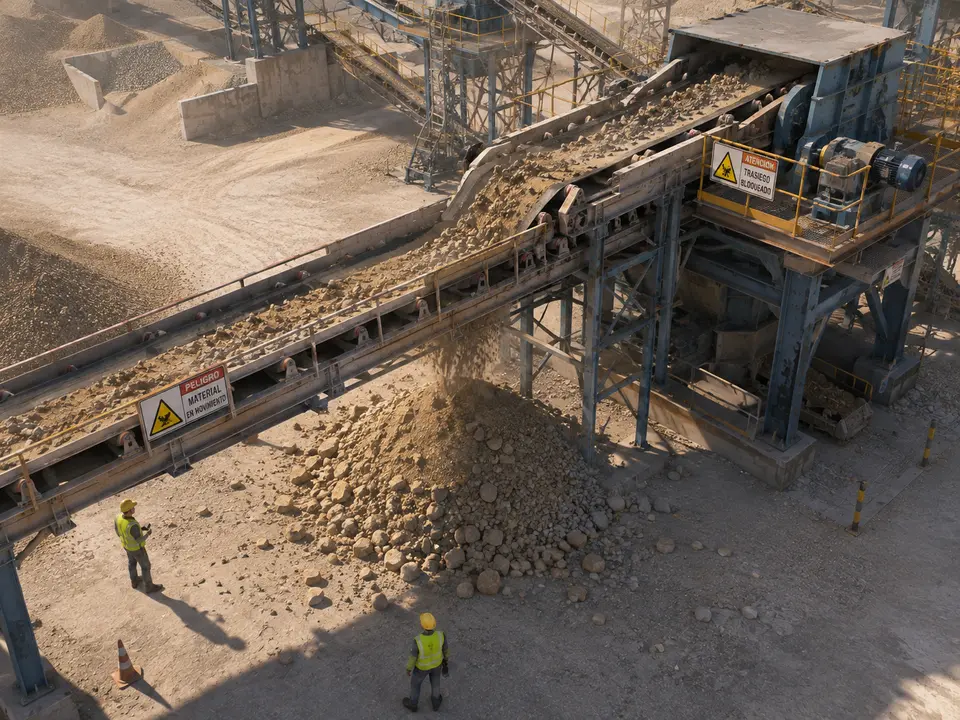
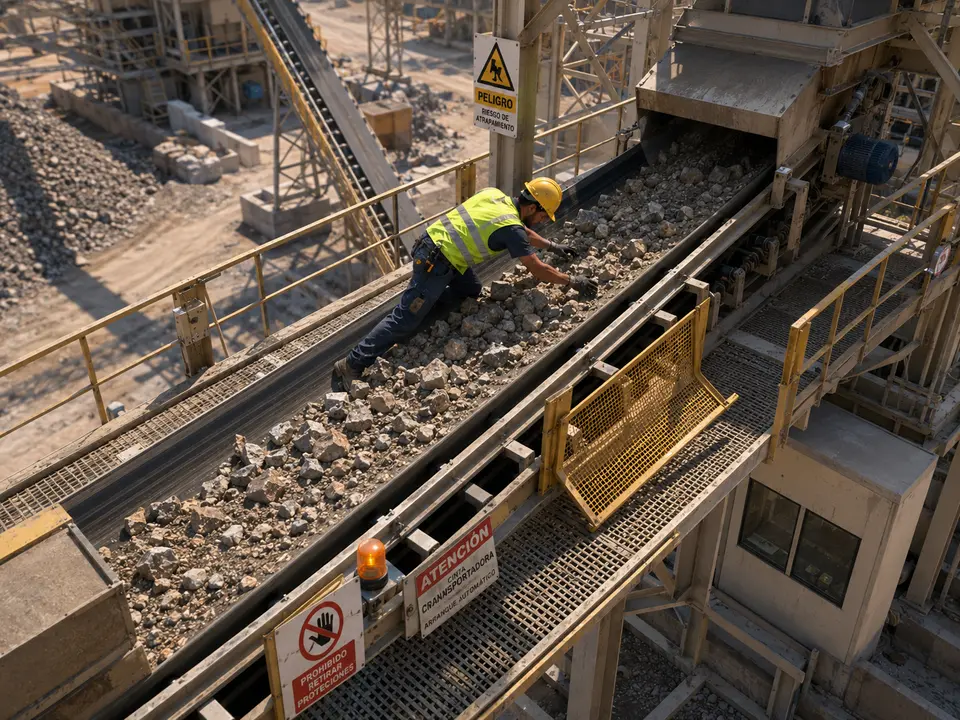
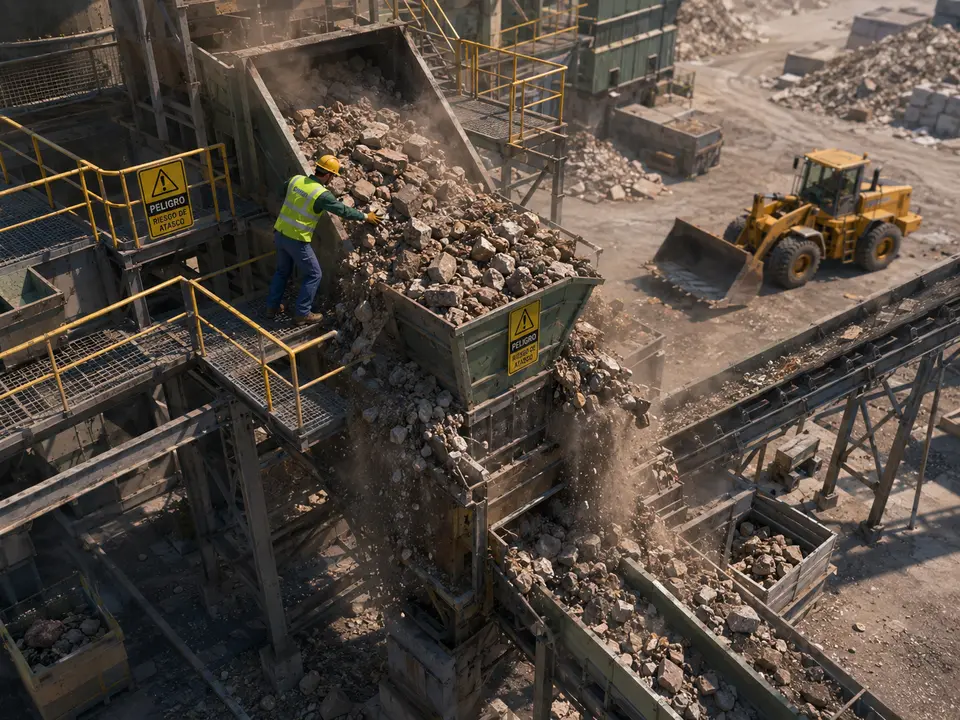
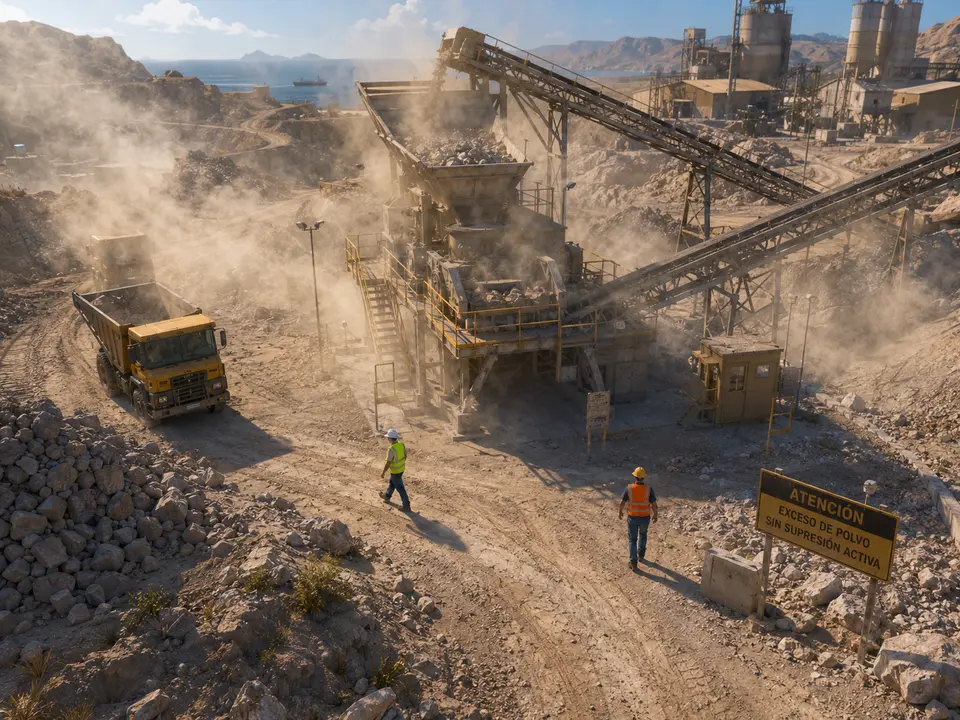
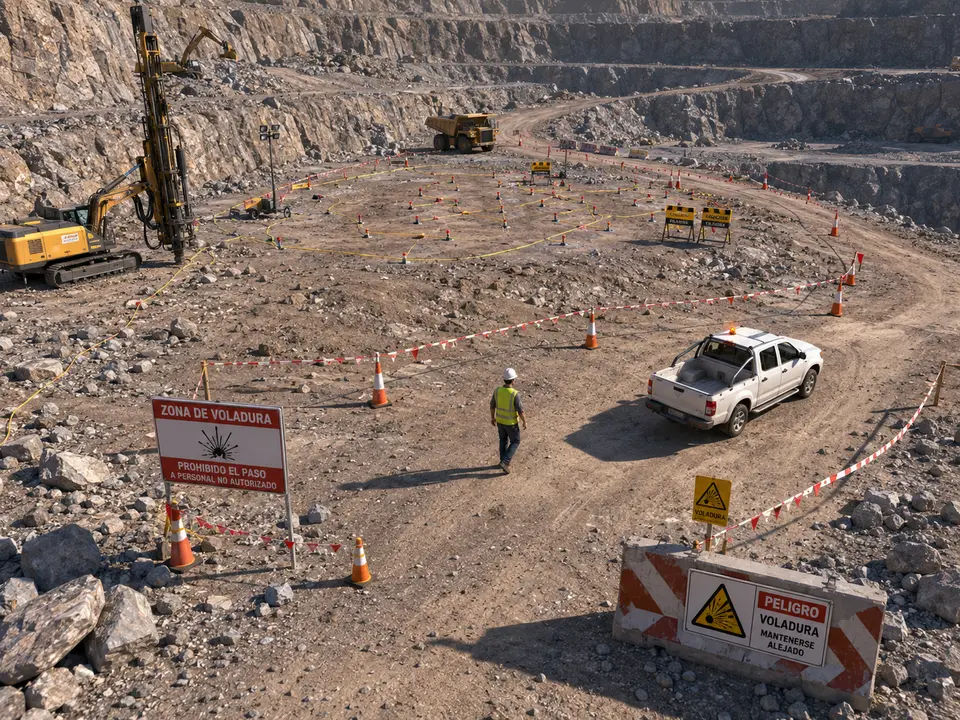
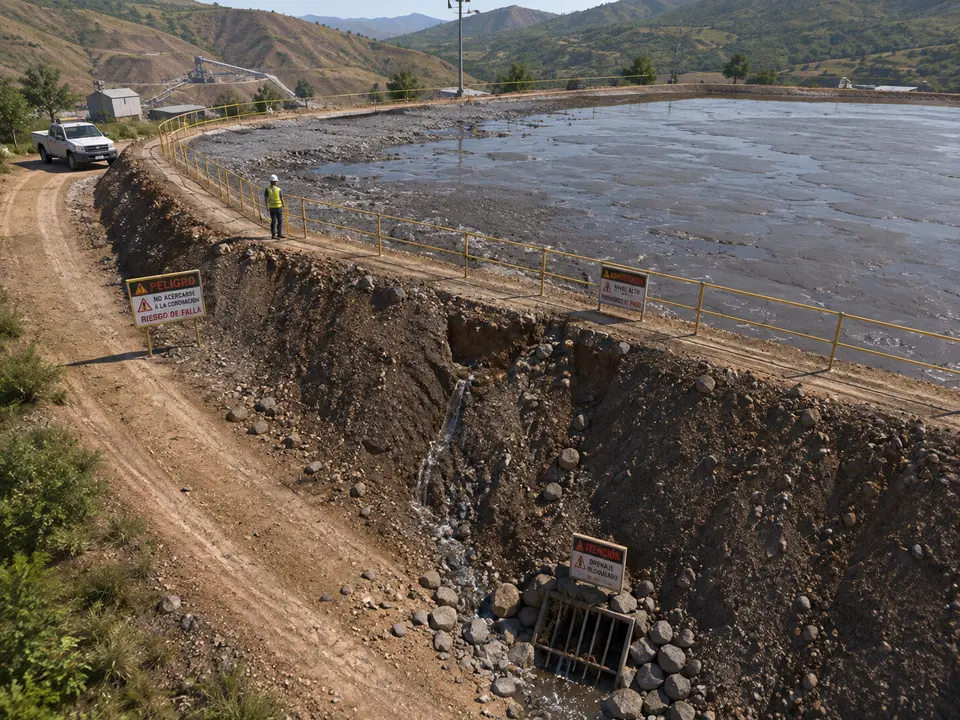
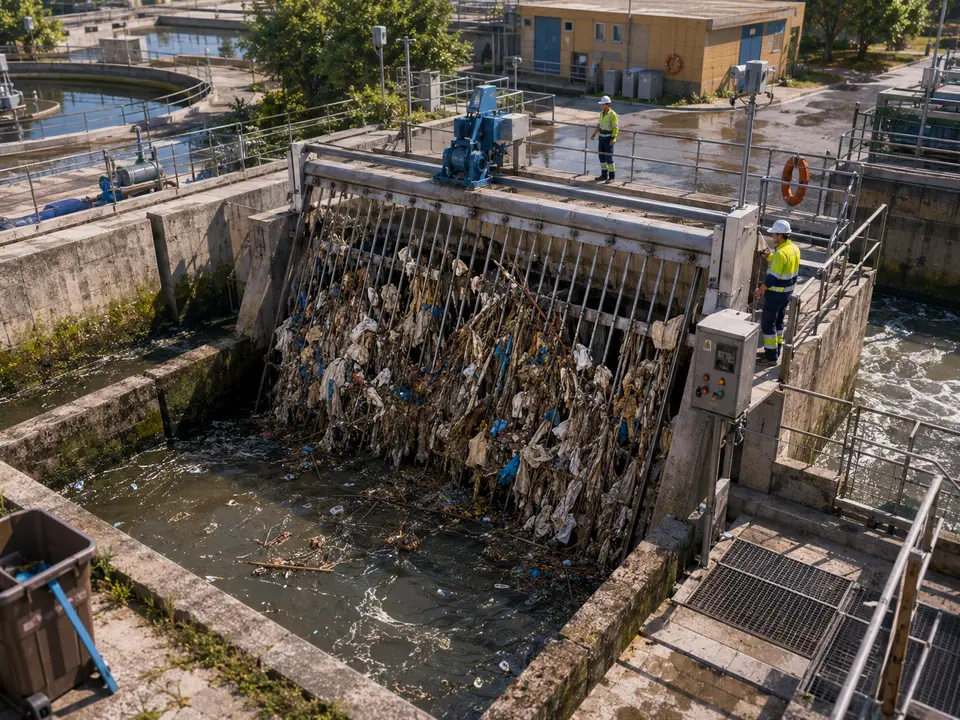
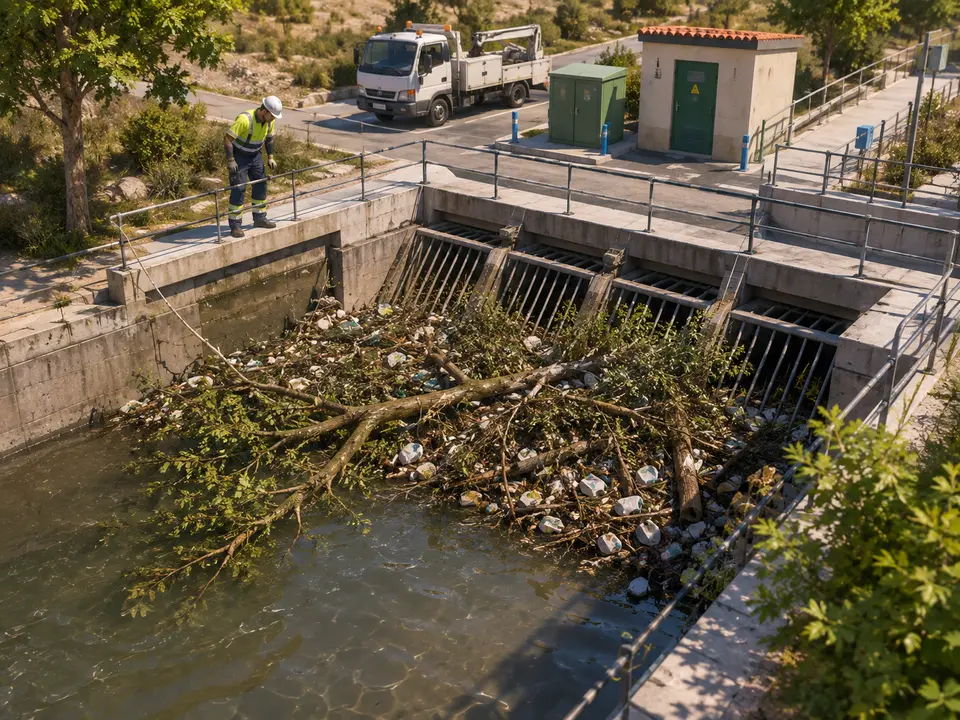
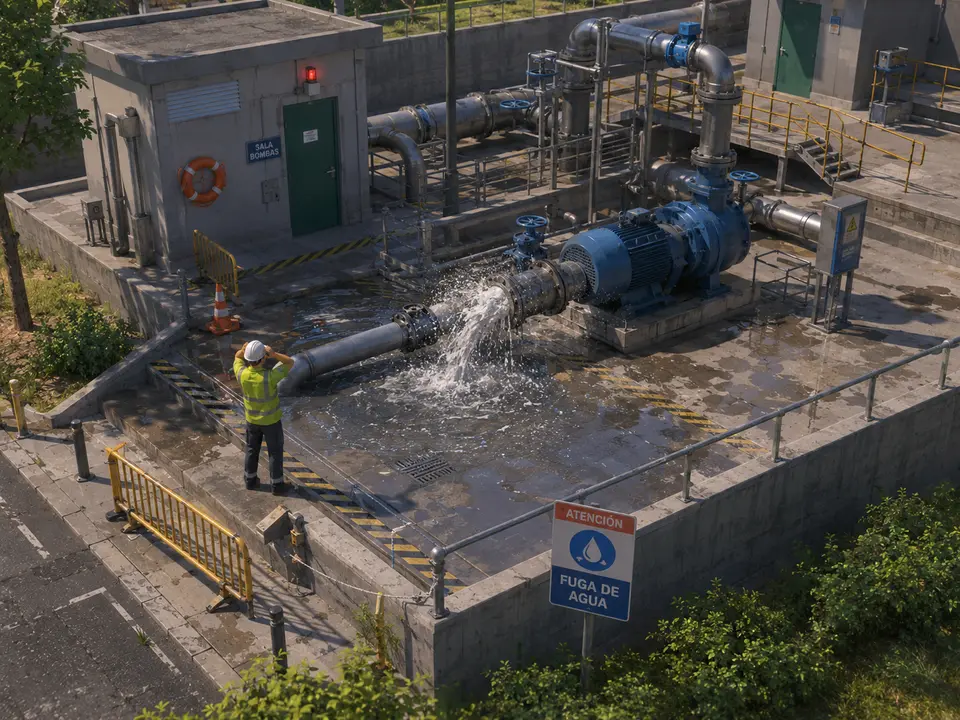
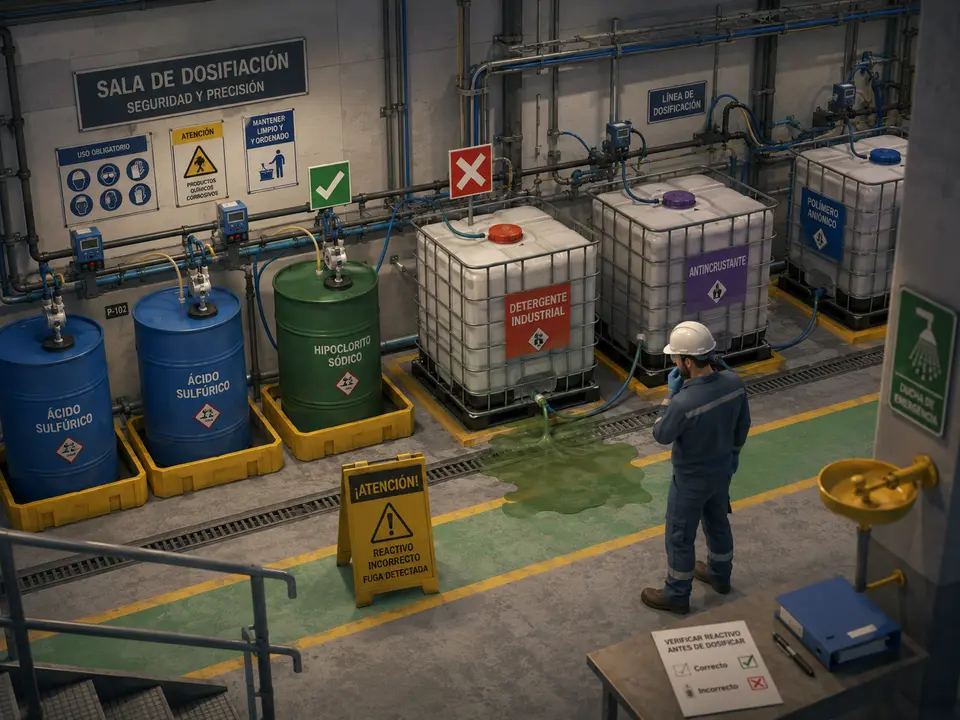
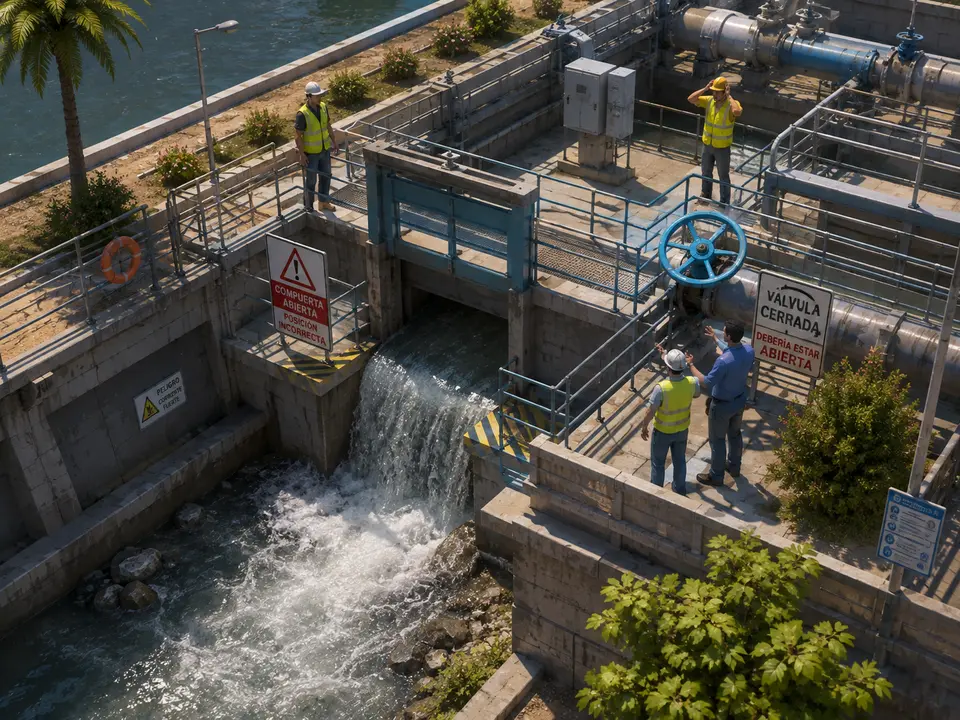
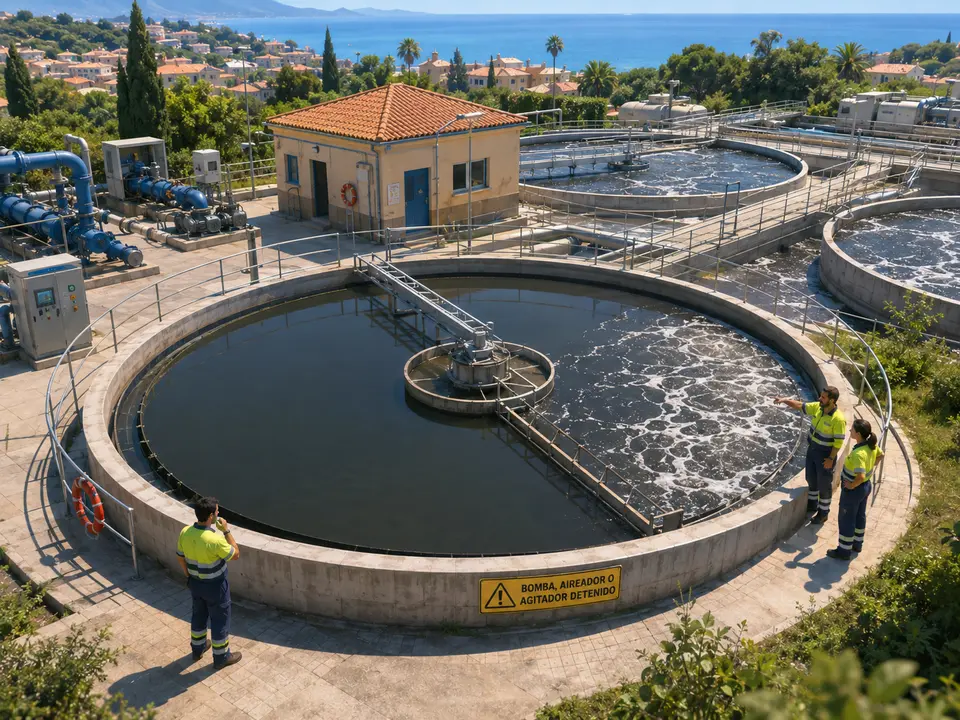
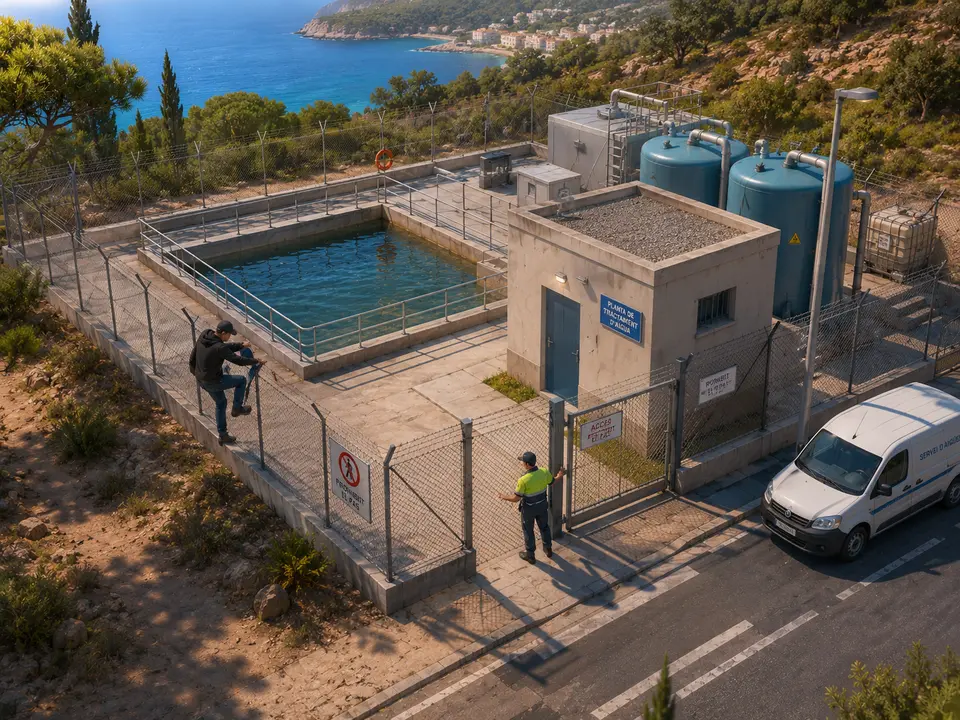
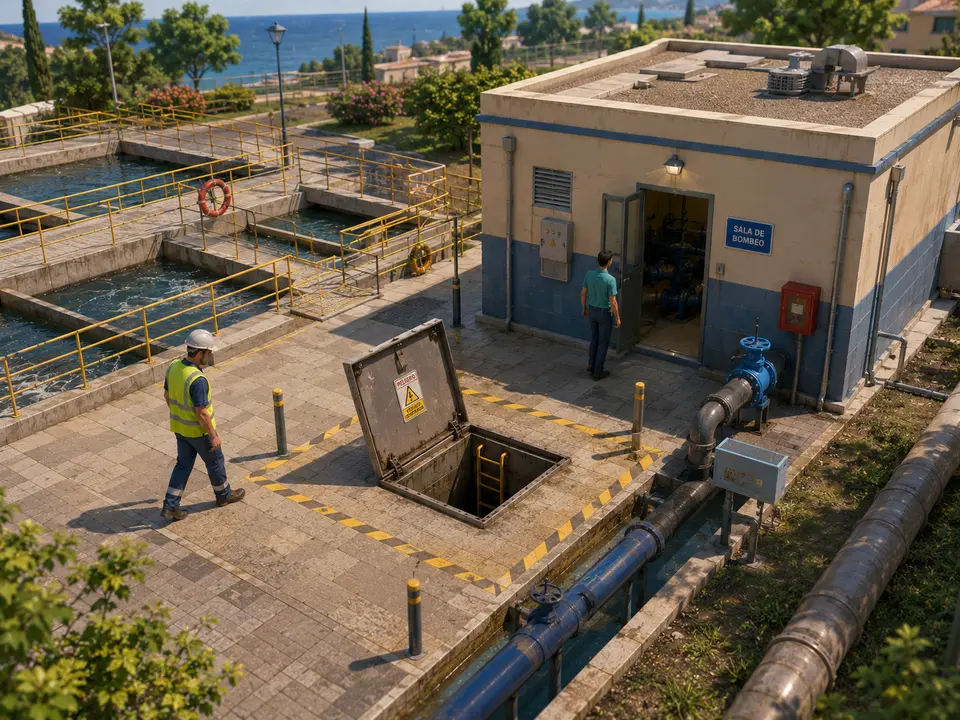
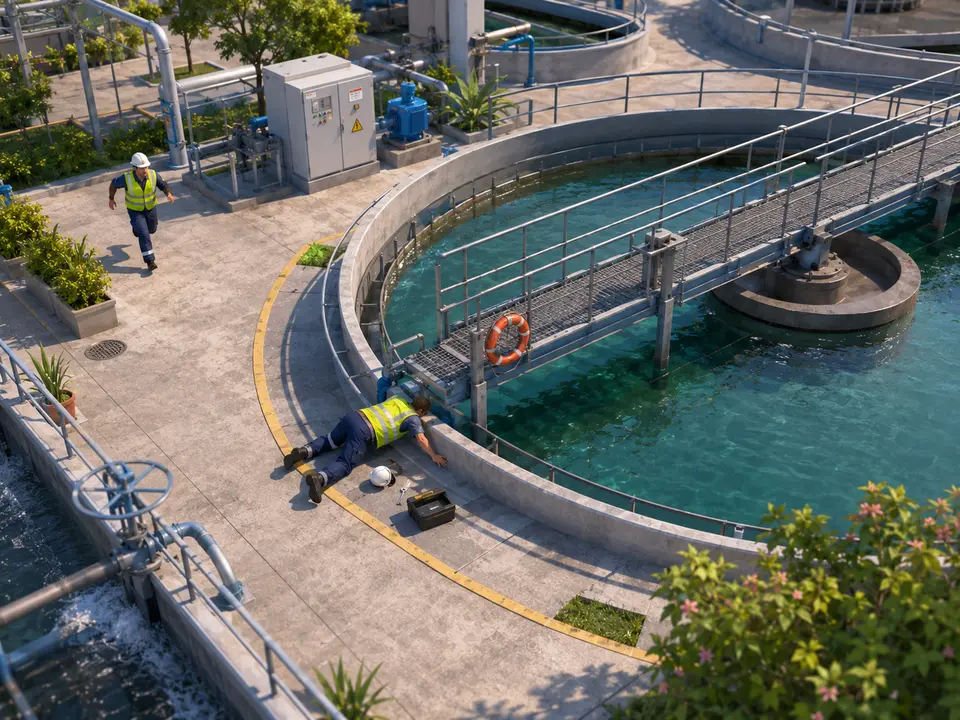
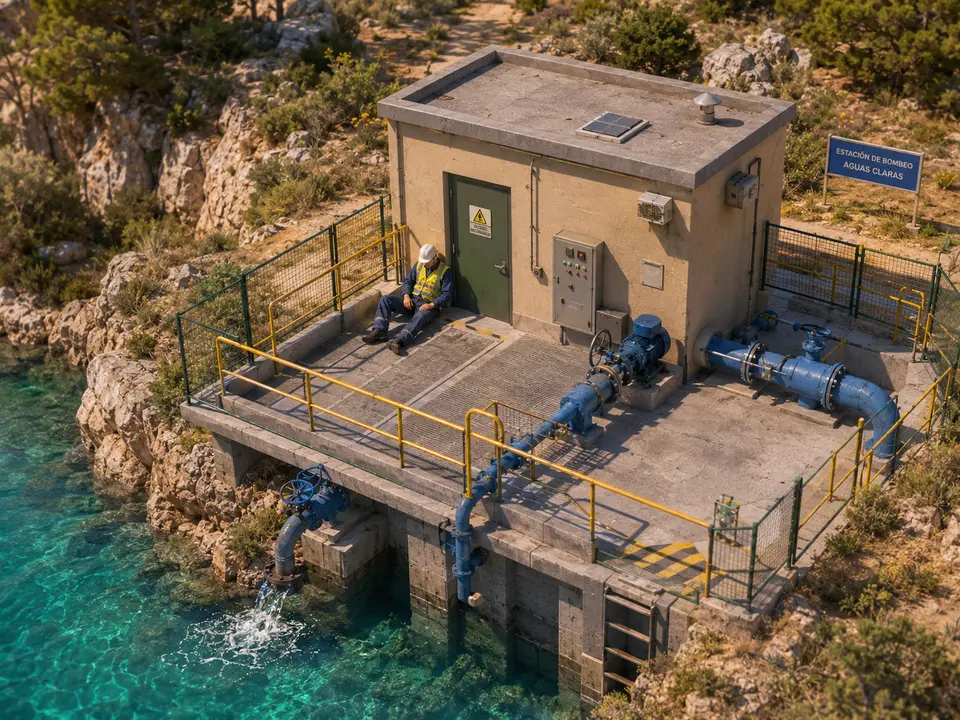
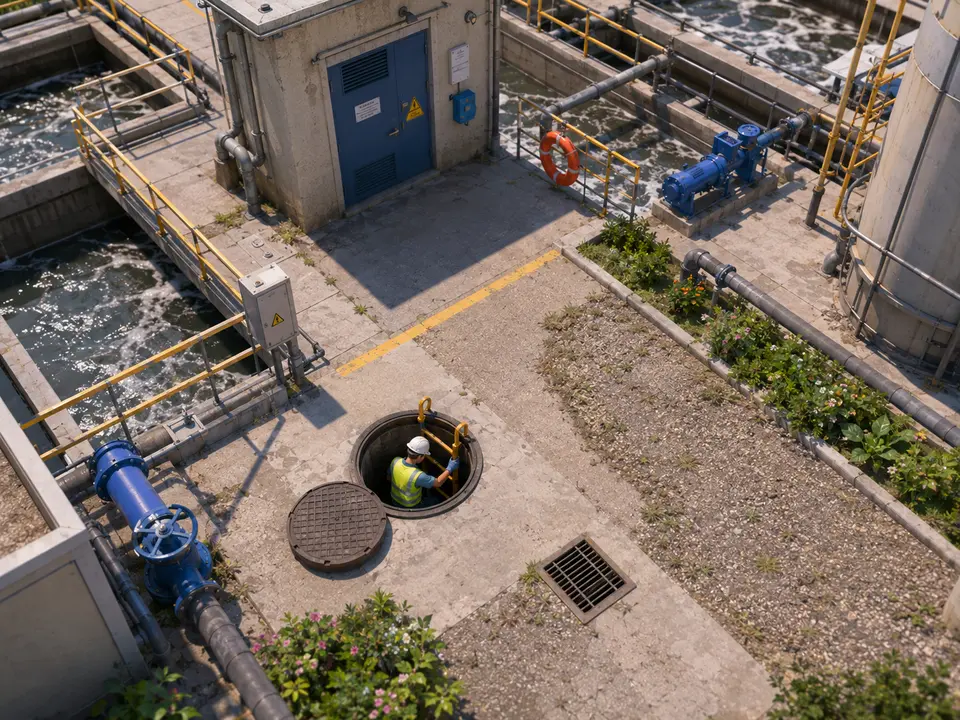
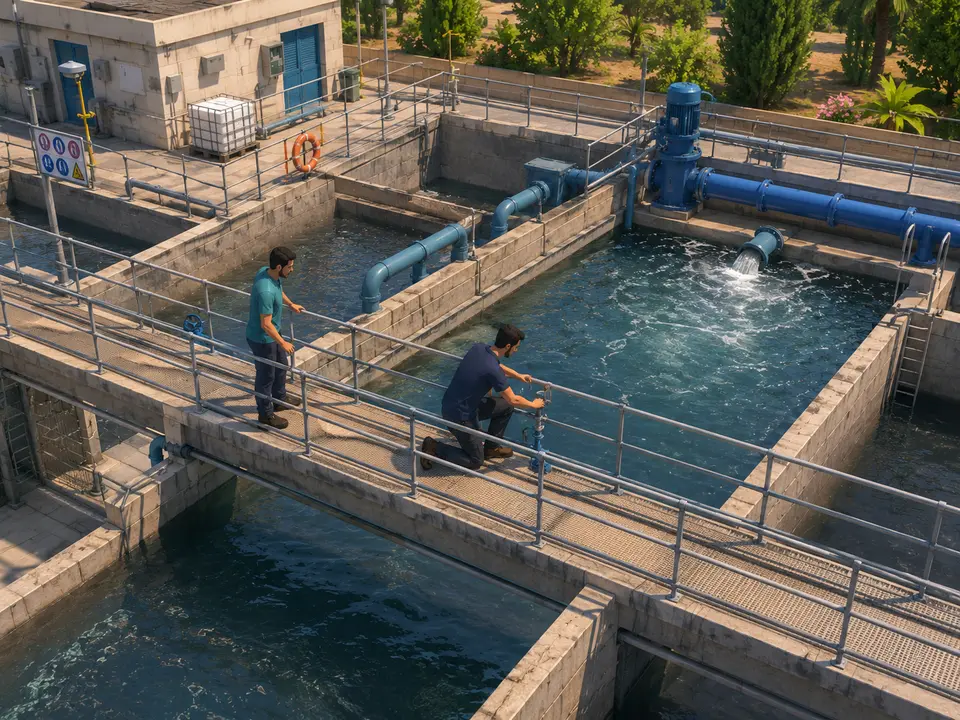
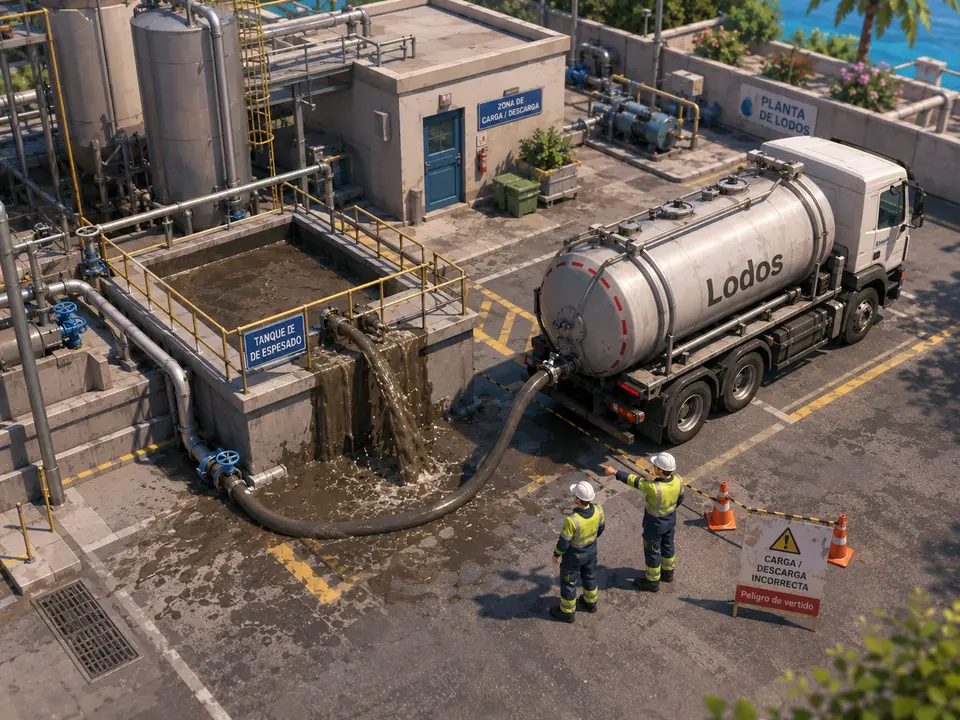
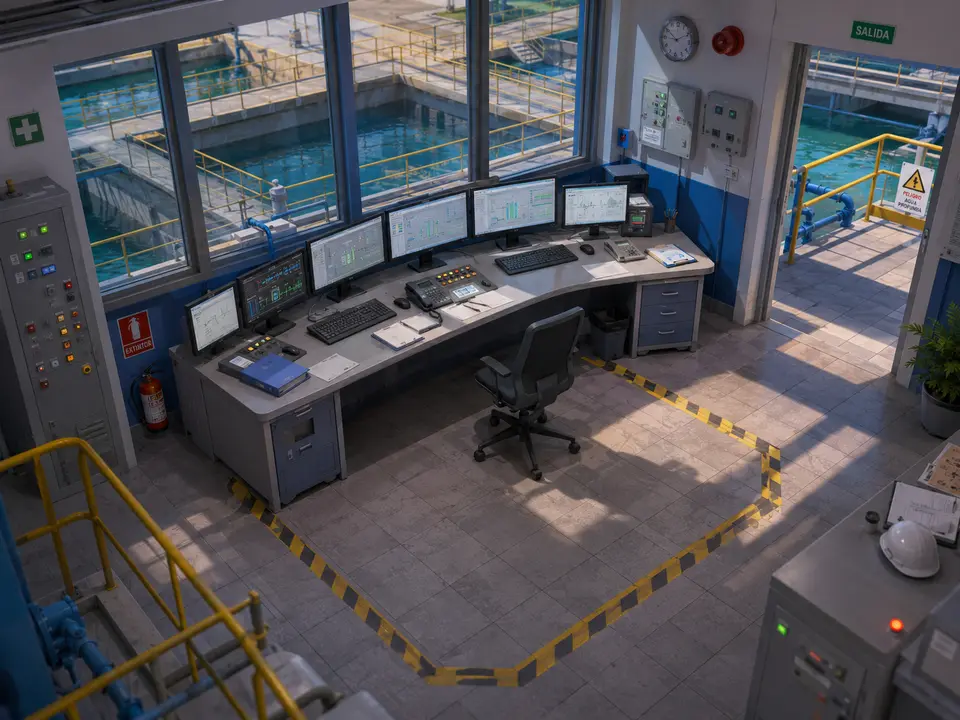
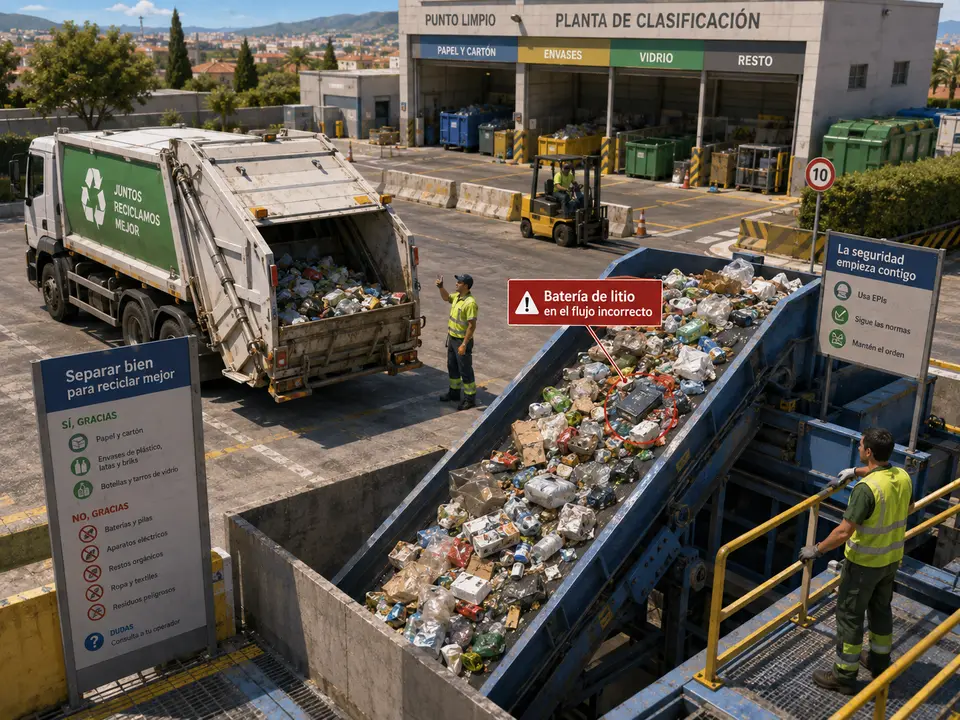
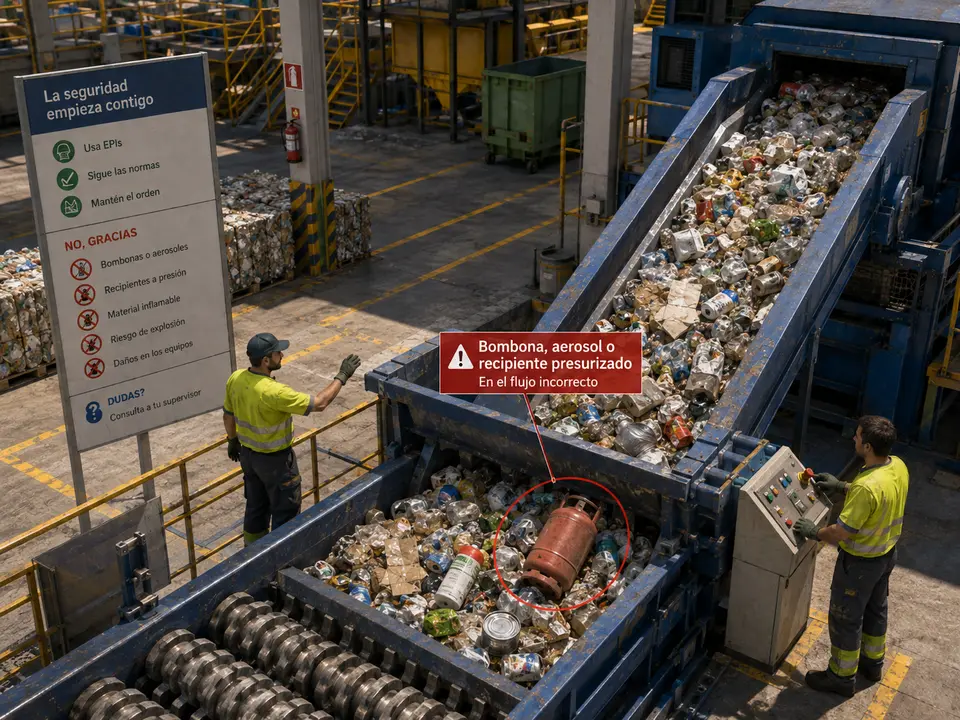
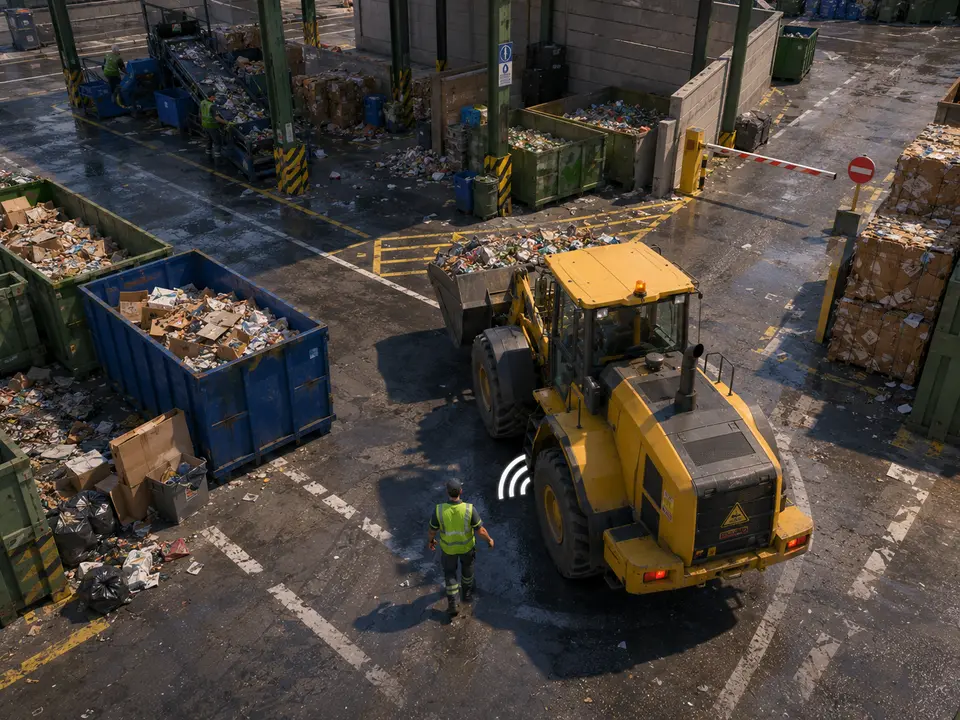
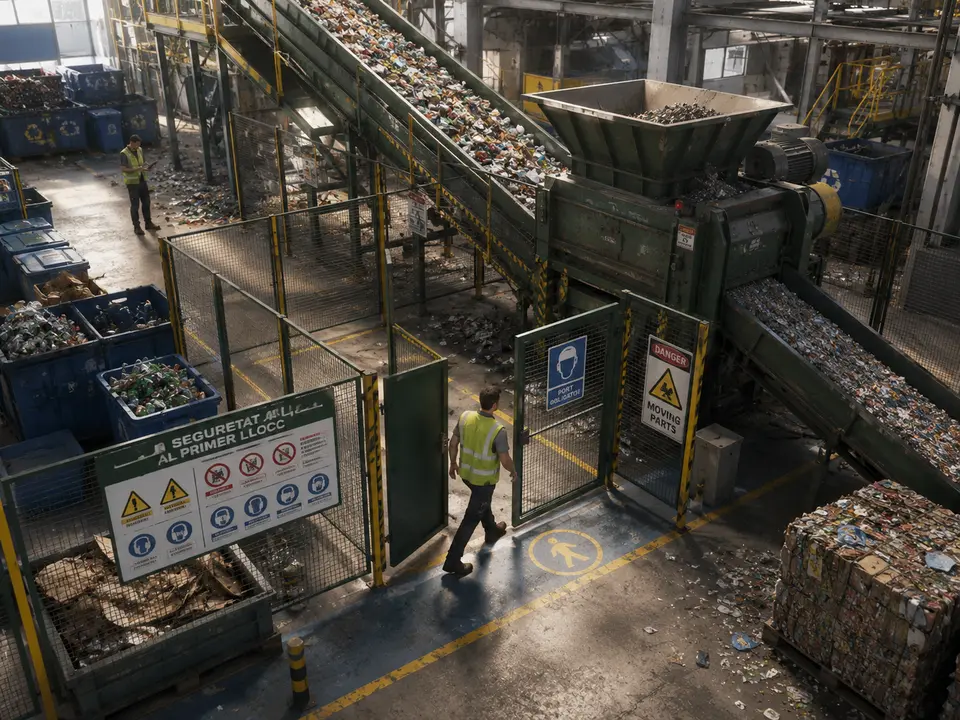
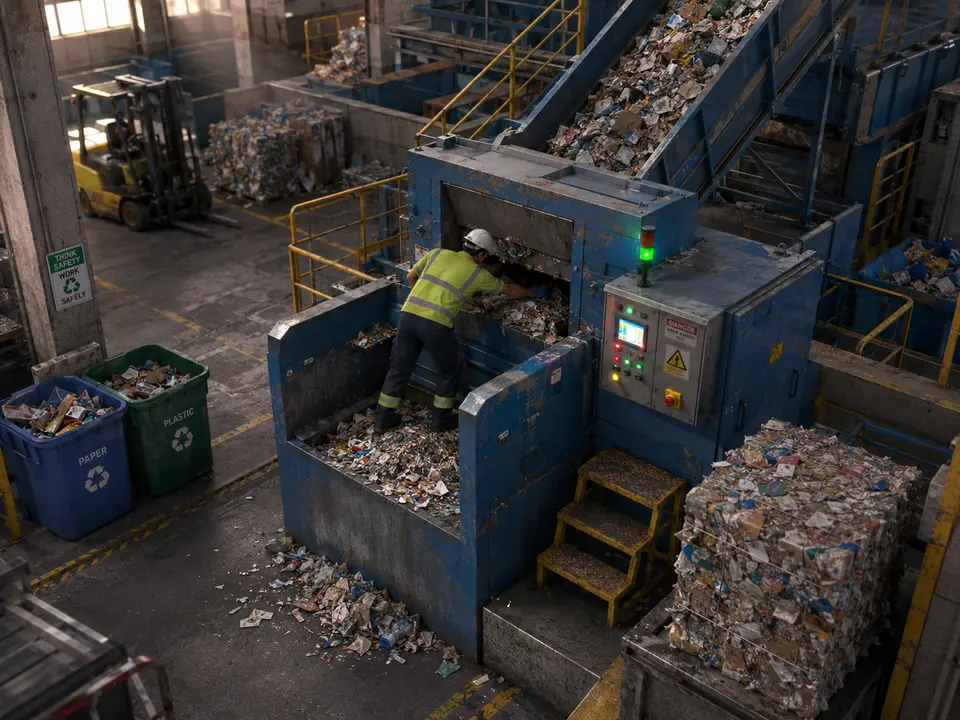
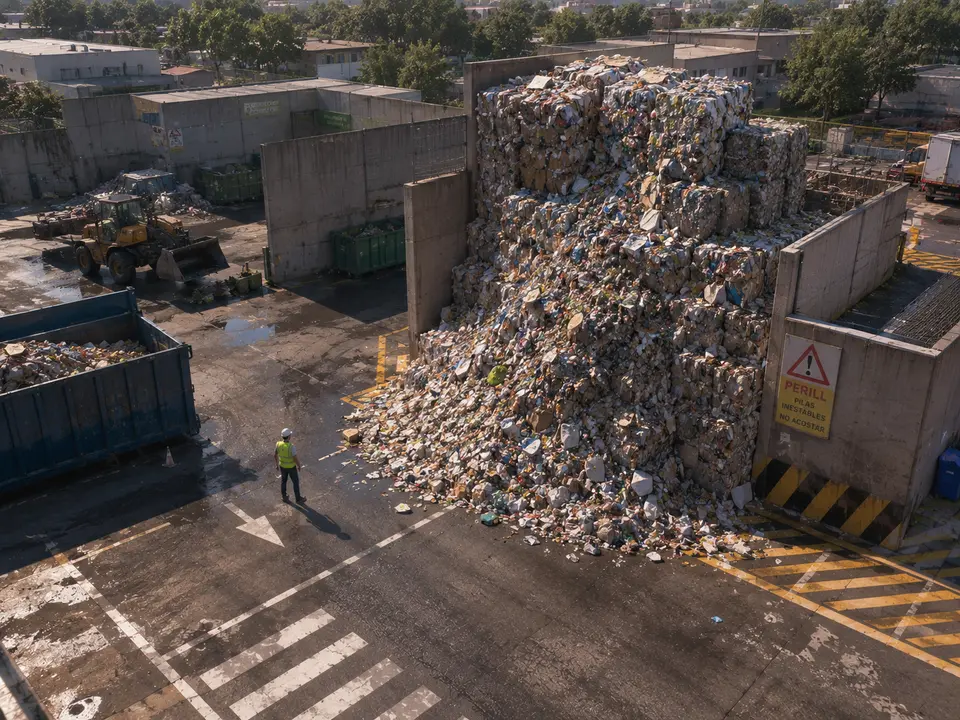
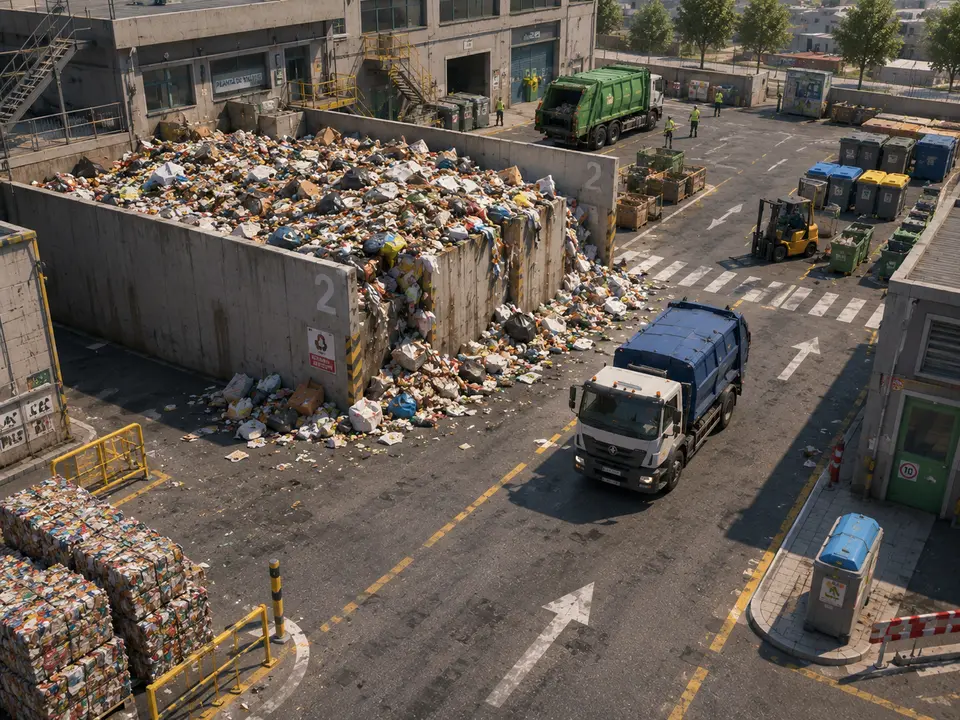
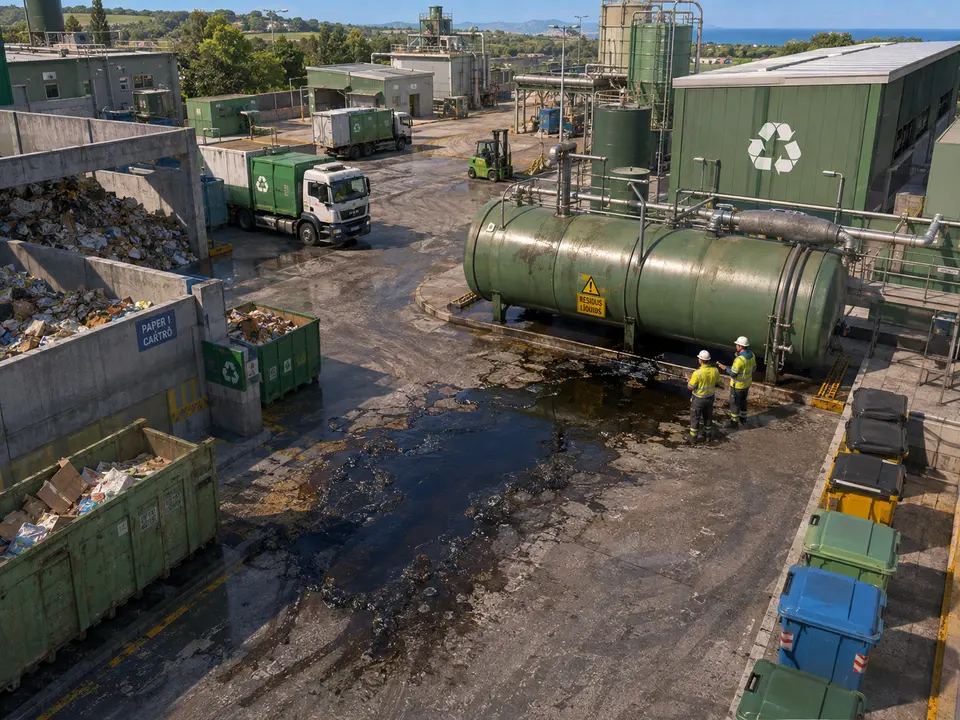
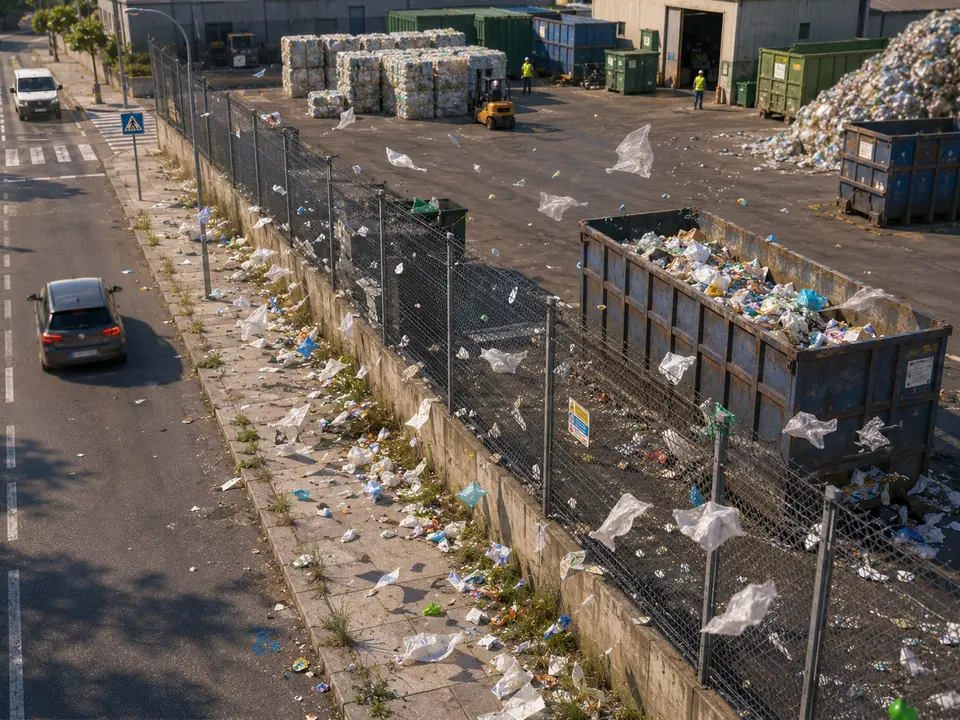
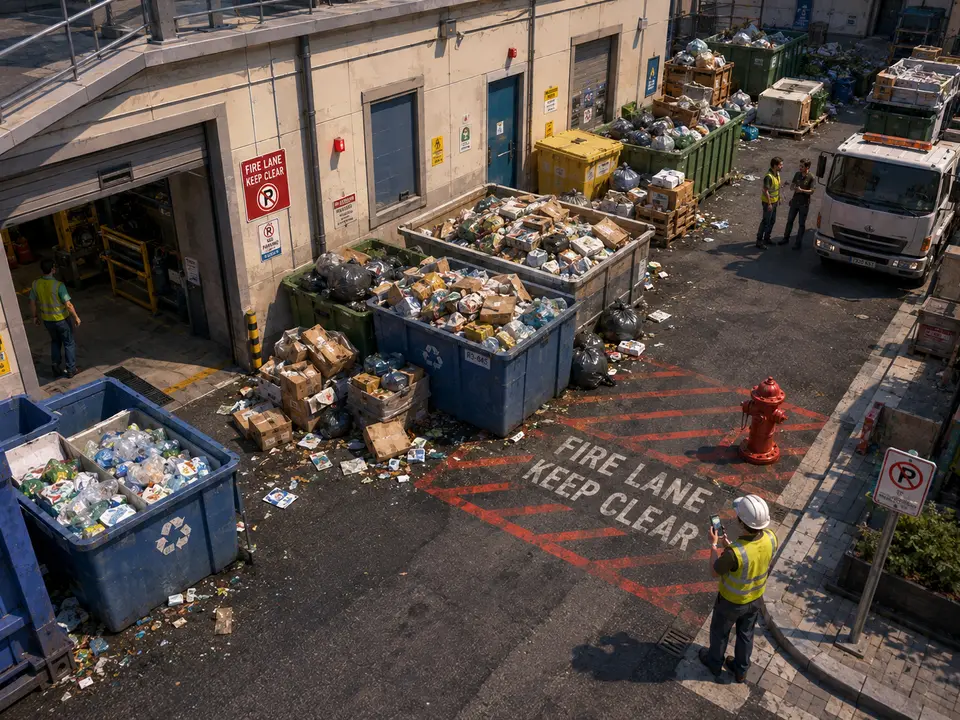
See it for yourself
No extra alarms here. Just what needs looking at.
Not a recorded video, not an explanatory drawing: a summary of the real screen, with a different case every time it starts. There is a lot more behind it.
- The alert fires
- You open it
- You confirm or dismiss
What gets asked on the plant visit
The ten questions that have to be answered before signing.
Answered in the first line, with the limits up front. A plant has dust, steam and backlight, and that gets told here too.
Does it work with the cameras we already have in the plant?
Yes, it works with the cameras you already have in the plant. IRIS connects to the feed of the IP cameras already installed and analyses it as it arrives: what changes is not the equipment, it is what gets understood from the picture. Now the uncomfortable part: a factory floor is not a corridor with steady light. Dust from a crusher, steam from a cooking room and the backlight of an open bay door all degrade what can be seen, and some framings simply fall short. During the project we check camera by camera and tell you plainly which ones work, which would only need moving a few degrees, and which are not good enough for what you want to see there.
Is this for keeping an eye on the operators?
No, this is not for keeping an eye on the operators, and that has to be said in plain words. IRIS does not identify anybody: it detects that there are hands inside an open machine guard, not whose hands they are. It does not recognise faces, does not compare them against any database, is not a time clock and cannot be used to discipline a particular person. What reaches the alert is the situation, where it is and since when. If the plant has a works council, this is the first thing you should be able to show them, and the sooner the better: a system that looks at situations, not at people.
Does IRIS stop the machine or connect to the PLC?
No, IRIS does not stop the machine and does not connect to the PLC. It touches no control, cuts no line, and does not replace the interlock, the lockout-tagout procedure or the safety plan. What it does is flag the situation while it is happening — with the camera, the time and the video — so that whoever is in charge of that area can decide. The decision stays with a person, and it has to: on a plant floor, the judgement of the person standing there is worth more than any automation. IRIS adds what that person is missing, which is a pair of eyes where nobody is looking right now.
How many alerts will we get per shift?
You will get the alerts your rule asks for, and tuning that rule is the work of the first month. A system that throws a hundred alerts a shift gets switched off within a week; we know that, which is why a rule is never «alert if someone is near the forklift». It is «alert if a person on foot is inside the forklift aisle, during production hours, for more than a few seconds». You bound the zone on the image, the hours, how long the situation has to last and who receives it. You start with what really matters in that building, review a week of alerts with your team and adjust. An alert nobody attends to is a badly configured alert, and that gets fixed.
Does the video leave the factory?
The video leaves the factory or stays inside depending on the mode you choose, and there are two modes. In local mode it does not leave: the servers are on your premises, the video comes in over your network, it is analysed there and the system does not need internet to work. That matters in a plant where the line drops or where the connection is poor. In the other, it is processed in our data centre — which is our own cloud, not a third party’s — and then it does leave, encrypted and under the terms signed in the contract. In an industrial group the usual answer is a mix: sensitive inside, the rest outside.
We have plants in different sectors. Do we need a separate system for each one?
You do not need a separate system for each plant: it is the same system, and what changes is what you ask of it. A pharmaceutical airlock, a chemical bund and a recycling belt are very different scenes, but underneath they are the same thing: a zone drawn on the image and a rule written in words. That is why a new plant does not start from scratch, and why a steel works and a food factory can share the same way of working. And something appears that a single plant does not have: comparison with the same yardstick. The same rule, written the same, applied everywhere, so you can see where the situation repeats and which plant is worth visiting.
What is it that IRIS cannot see in a plant?
IRIS does not see what does not fit in a picture, and in a plant that list matters. It does not read a sensor or a PLC: it does not know the temperature of a furnace, the pressure in a line or the concentration of a gas. It does not see inside a closed machine, a vessel or a pipe. A colourless gas is invisible, and very thin smoke is not seen early either. That is why IRIS is not fire detection nor gas detection, and replaces neither: those installations stay where they are. What IRIS sees is what can be seen: flame, smoke once it is visible, liquid on the floor, an open door, a person where they should not be.
Does it replace our sensors, our safety installation or our prevention plan?
No, it does not replace your sensors, your safety installation or your prevention plan: it lives alongside all of them. A sensor measures one quantity at one point; IRIS understands a whole scene. They are different things and you need both. What IRIS adds is the layer you are missing today: watching every camera at once and telling you what is happening in front of them. You can keep recording and managing video where you do it now, because IRIS is an NVMS and sits on top. What gets integrated and how is decided by looking at your actual system, not by promising in advance that we fit with everything.
Besides alerting, can it measure?
Yes, besides alerting it can measure, and the two are not configured the same way. An alert is written with a sentence. A measurement is drawn: a line that gets crossed, a zone that gets occupied. Out of that comes a figure per hour, per shift and per season: how many people are inside an area, how many pallets pass a point, how long a line has been stopped. Asking is for searching. Counting is for measuring. And they are not done the same way: a line cannot be described in a sentence, it has to be traced. For people counting our system is type-approved by the Spanish Metrology Centre, so that figure has been verified by a third party and not by us. Worth putting precisely: that approval covers people counting, not the whole product.
How much does it cost to put it in a plant?
It costs according to how many cameras are analysed, what is asked of each one, how many plants are included, which deployment mode you choose and whether the hardware is yours or ours. We do not publish a price list because it would not be honest: a building with eight cameras and three rules and a group with twelve factories are not the same project. What you can do is start small: two or three spots in one plant, the rules that really matter there, and look at the alerts and the figures with your team before deciding anything. Tell us how many cameras you have and what you want to see, and we will give you a figure. The number is +34 93 566 70 22.
See it somewhere else

Who sees the sales that never reach the till?
10 cases: 4 raise an alert when something happens and 6 only measure. You see each image as it is, and then with what IRIS understands on top.
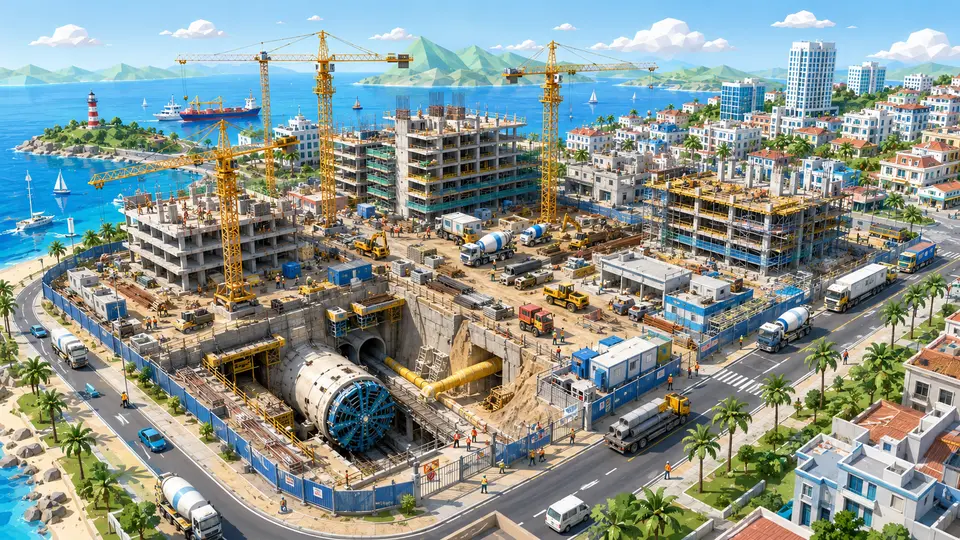
Who is watching when the load swings over somebody?
11 cases: 9 raise an alert when something happens and 2 only measure. You see each image as it is, and then with what IRIS understands on top.


And the best part
By the eighth hour of a shiftnobody watches the way they did in the first. That is not a flaw.
It is being human. A camera has no eighth hour: at four in the morning it understands what it understood at noon, and it speaks up just the same.
Tell us your problem and we will say whether IRIS understands it, or not yet.
We reply the same working day.