What can a camera see without pointing at anyone?
The camera sees facts. The conclusions are drawn by a person.
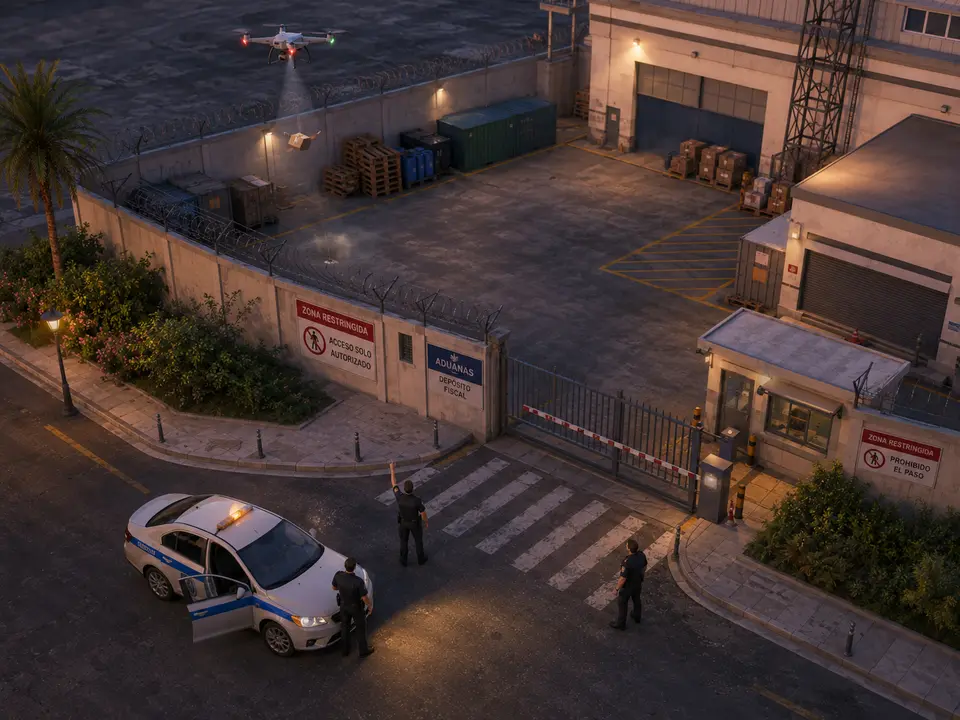
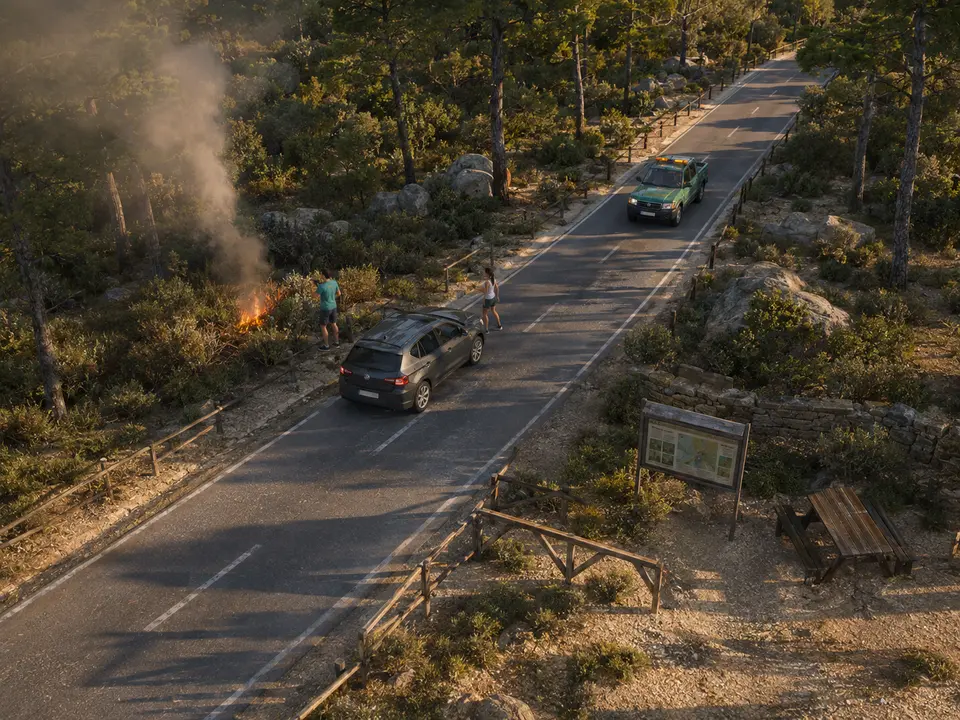
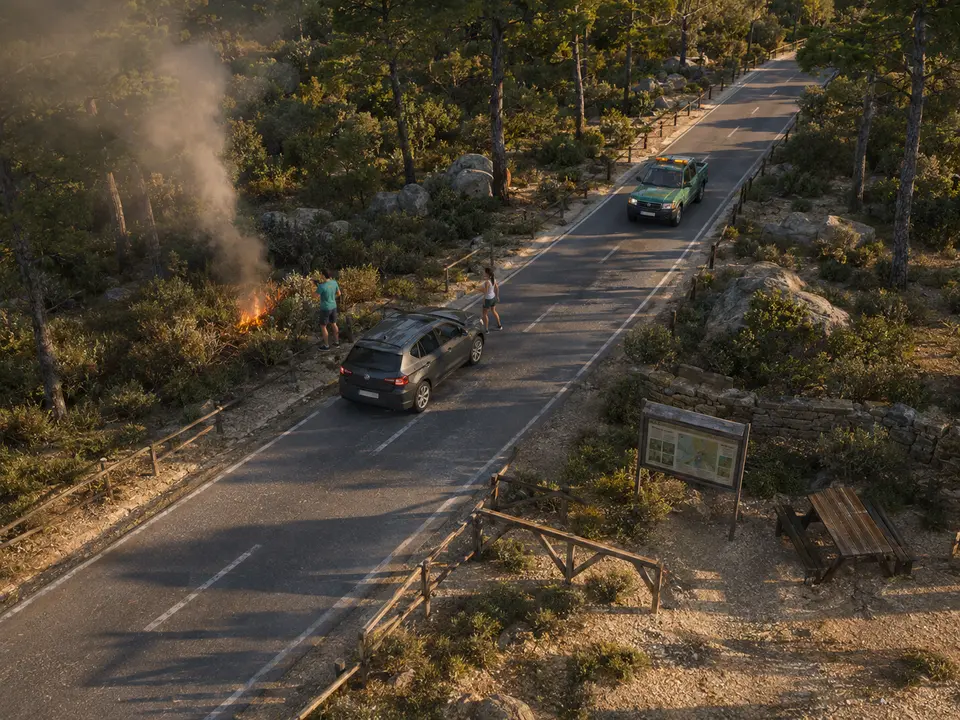
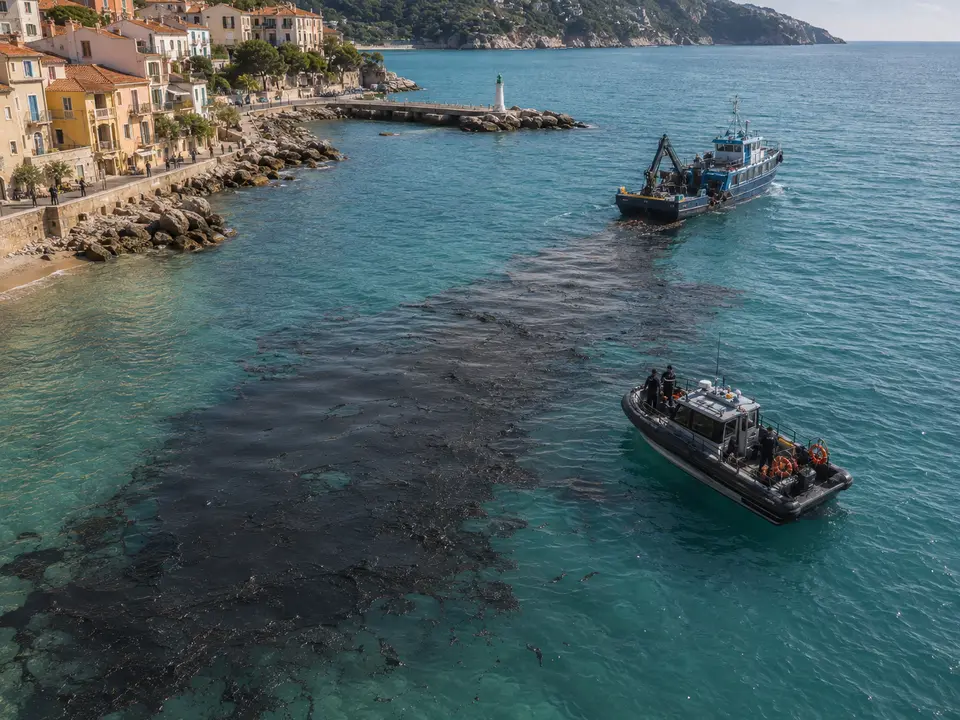
A vehicle stopped where it cannot stop. Smoke coming out of the hillside. A slick spreading on the water. A door that opens at three in the morning. IRIS sees facts like these, timestamps them and hands them over with the camera, the time and the video. It recognises no faces, identifies nobody and follows no person. You will see a handful of cameras here: some raise alerts, others measure. A real service has thousands, and the system is exactly the same.

Without IRIS this is just a territory with a lot of cameras switched on.
AI-generated image
What IRIS is
IRIS looks after the city for you.
IRIS is an artificial intelligence that uses the cameras you already have in the control room and understands what's happening on the streets and in public spaces. When an incident happens, or something you want to track occurs, it alerts you right away instead of someone having to watch a hundred screens at once; and whatever can be counted, it counts in numbers. All day long.
You tell it what you need to watch, and IRIS does it.
Works with the cameras you already have. Nothing to replace.
A person replies, not a form.
- Your footage never leaves your premises.
- It doesn't identify people.
- Certifications →
Seeing a fact is not accusing anyone
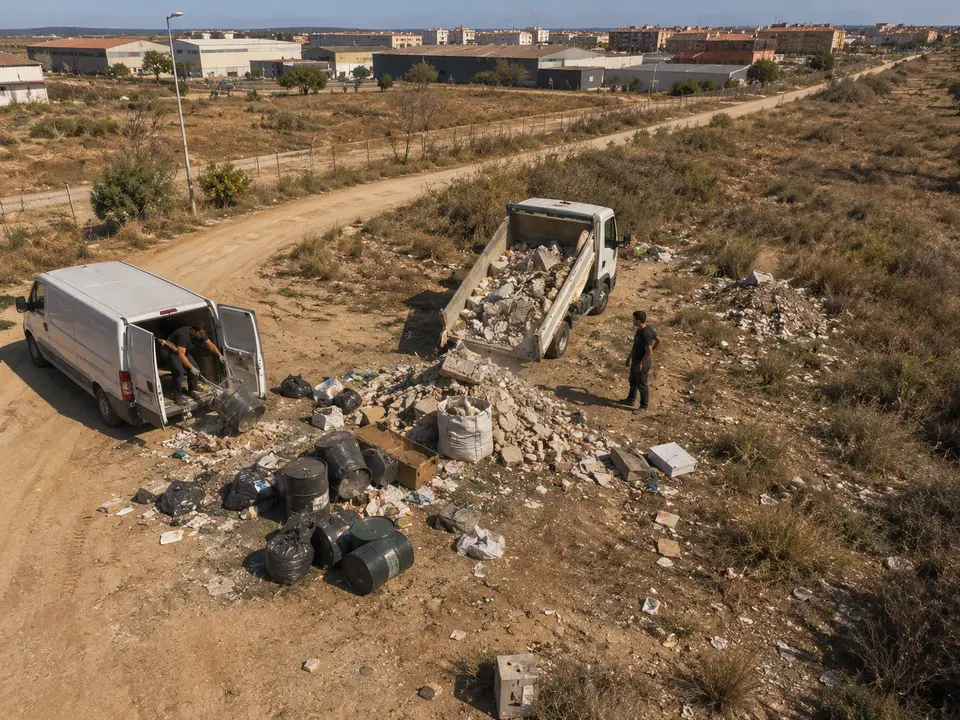
The call comes in by phone, and it comes in late. Someone saw smoke twenty minutes ago and it is no longer a bush, it is half a hillside. The pile of rubble turned up on the waste ground on Monday and nobody knows when it was dumped or which track they came in by. The queue at the vehicle crossing has spilled onto the hard shoulder again and the only way to know the wait is to send someone down to count it. And when, months later, somebody has to explain exactly what happened that night, all there is is a report written from memory.
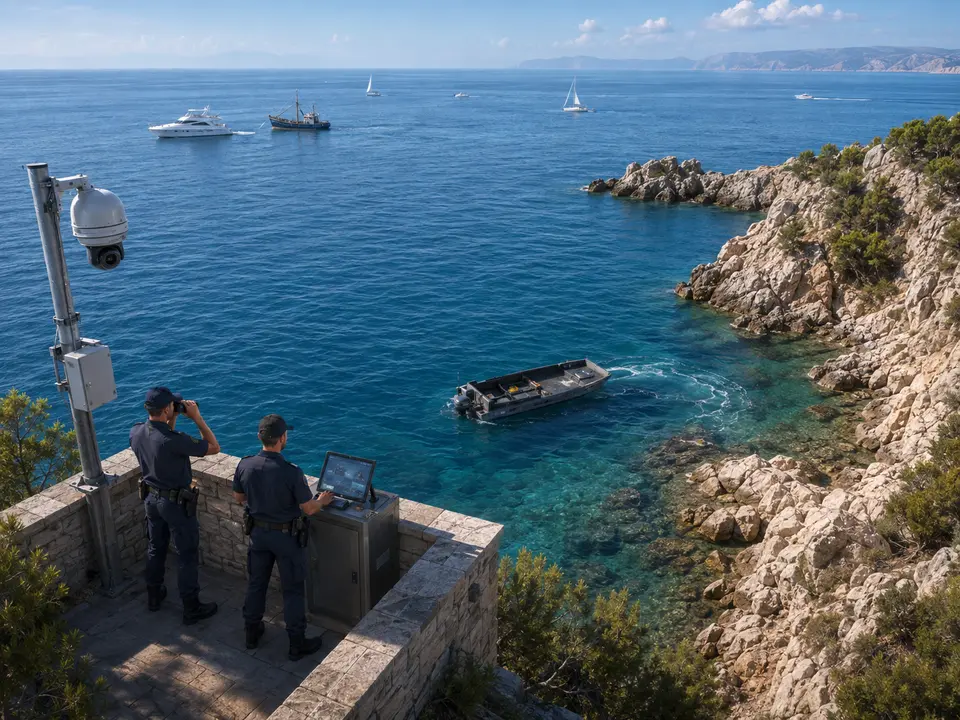
IRIS reads the cameras that are already in place and reports facts. A vehicle stopped where it cannot stop. A blocked exit. A crowd that keeps growing. Smoke. A slick on the water. A boat that stops where there is no anchorage. And so the line is clear: IRIS does not recognise faces, does not build lists, does not profile anyone, does not cross-check any database, uses no biometrics and does not follow a person around the city. Nothing it does can predict who is going to do something. It sees what happens, timestamps it and hands it over with the camera, the time and the video. Nothing more, and nothing less.
There are two ways to ask for things, because they are two different things. What you watch for is described in words: one sentence, and IRIS alerts you when it happens. What you measure is drawn: a line on a turnstile, an area over a stretch of water. A line does not fit in a sentence, you have to draw it, which is why Tuesday's number and Sunday's are measured the same way and can be audited. People counting goes further still: it is type-approved by the Spanish Metrology Centre through NeuralPax, the body that says whether a weighbridge or a speed camera measures correctly. Mind the scope: what is approved is people counting, and nothing else. And two sentences that matter here more than any feature. First: detecting is not deciding — a person draws the conclusion. Second: the same recording used to give an order serves, months later, to prove that order was right, or to prove it was not.
The real scale
It is not thirteen cameras. It is every camera already installed.
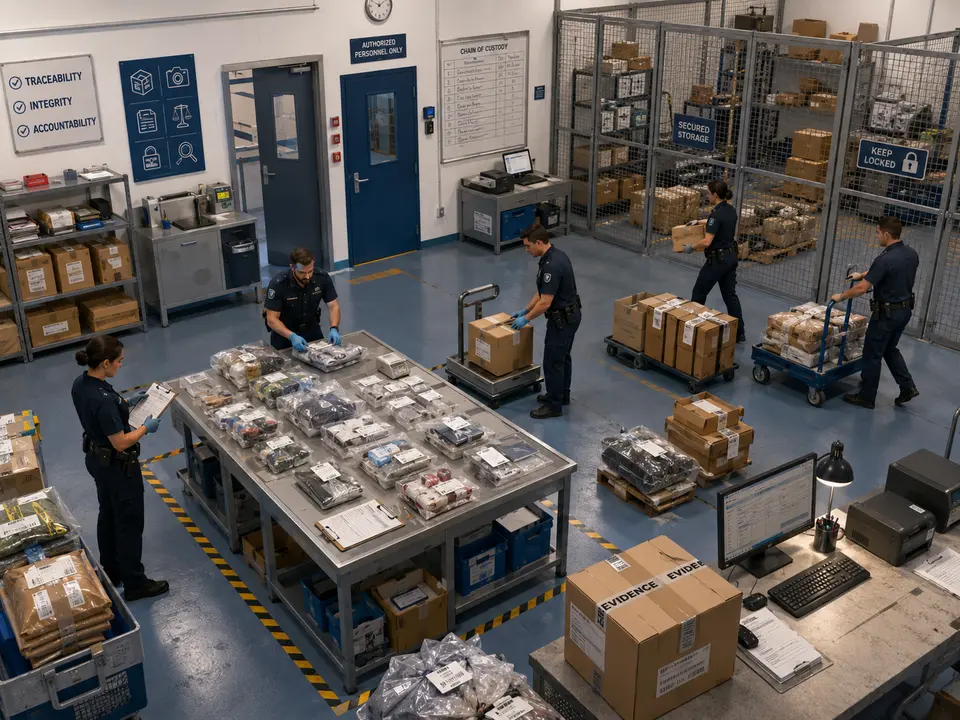
Compound gates, vehicle crossings, quays, yards, hill roads, coastline, waste ground, evidence stores and custody rooms. And there are places nobody looks at, which is worth saying before anyone asks: not inside a home, not in a changing room, not in a toilet, not in an office where somebody is making a statement. When what you see is a person spending the night on the street, or somebody in crisis in the middle of a square, what is needed is not security: it is care. The alert exists to send whoever actually helps, not to move anyone on.
Examples, not a catalogue
One camera, one fact you can check
Some raise alerts, others measure. Each one tells you what is in the image, what rule governs it, which sentence or which drawn line set it up, and what changes for whoever uses it. None of them names anybody or describes anybody: they describe what is in front of the camera.
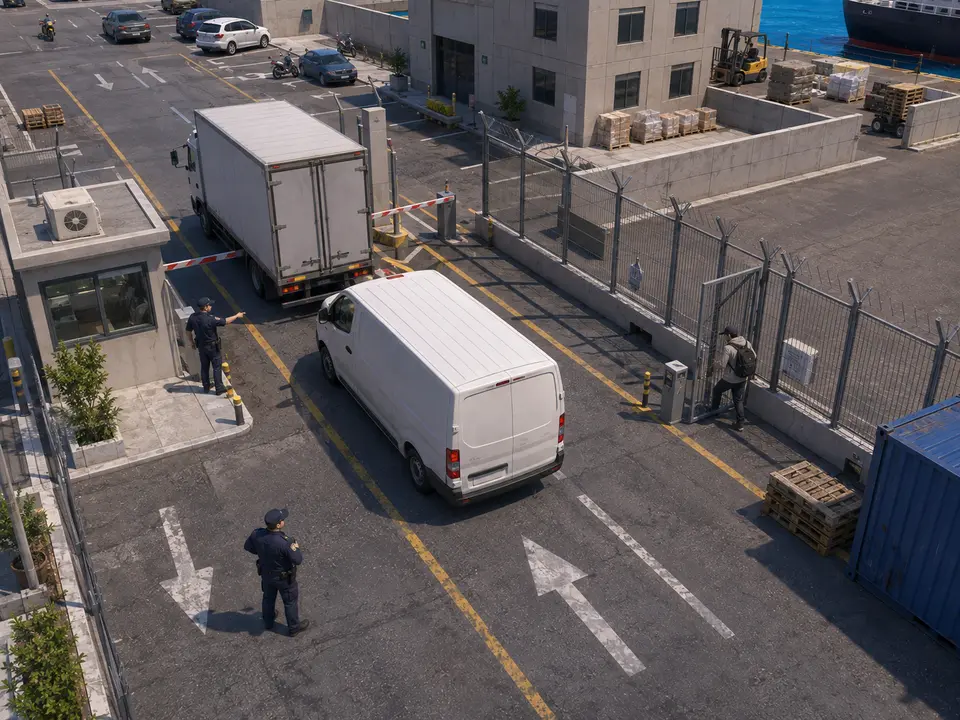
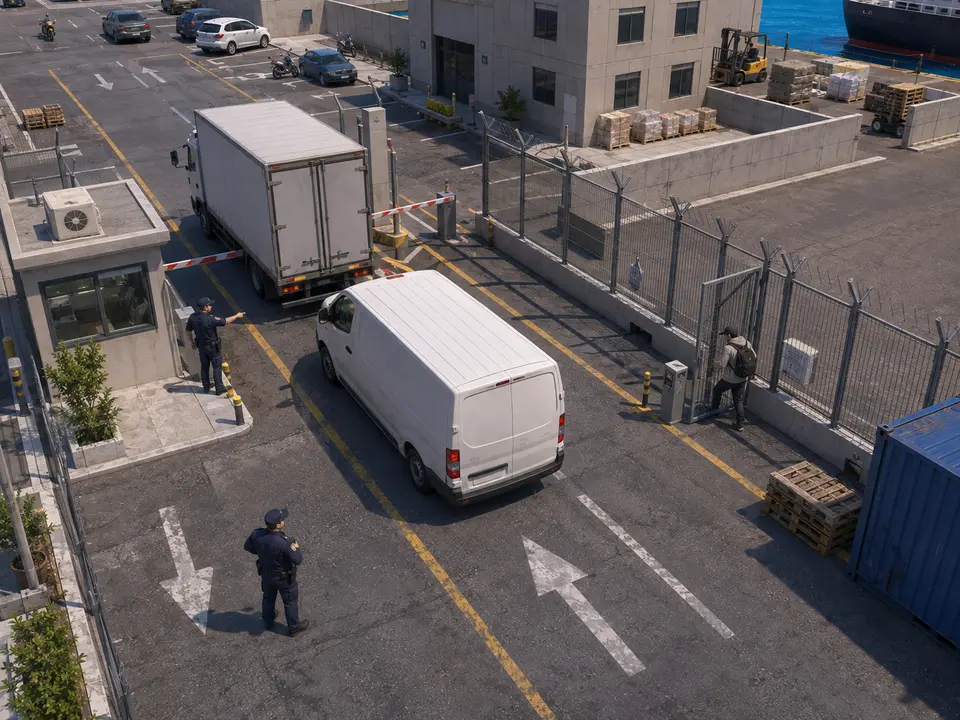
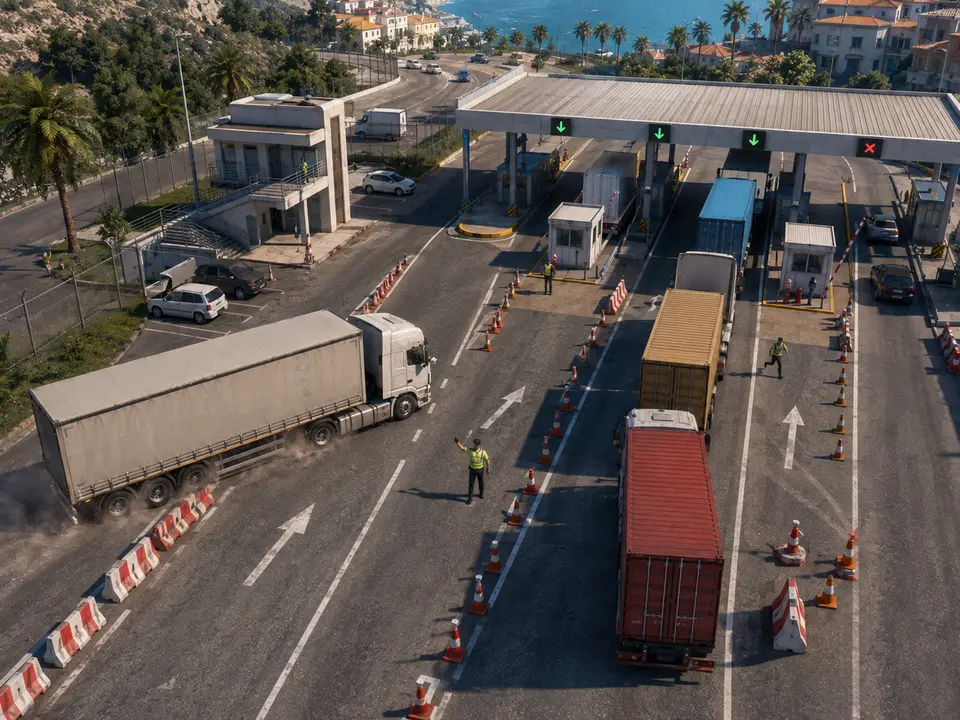
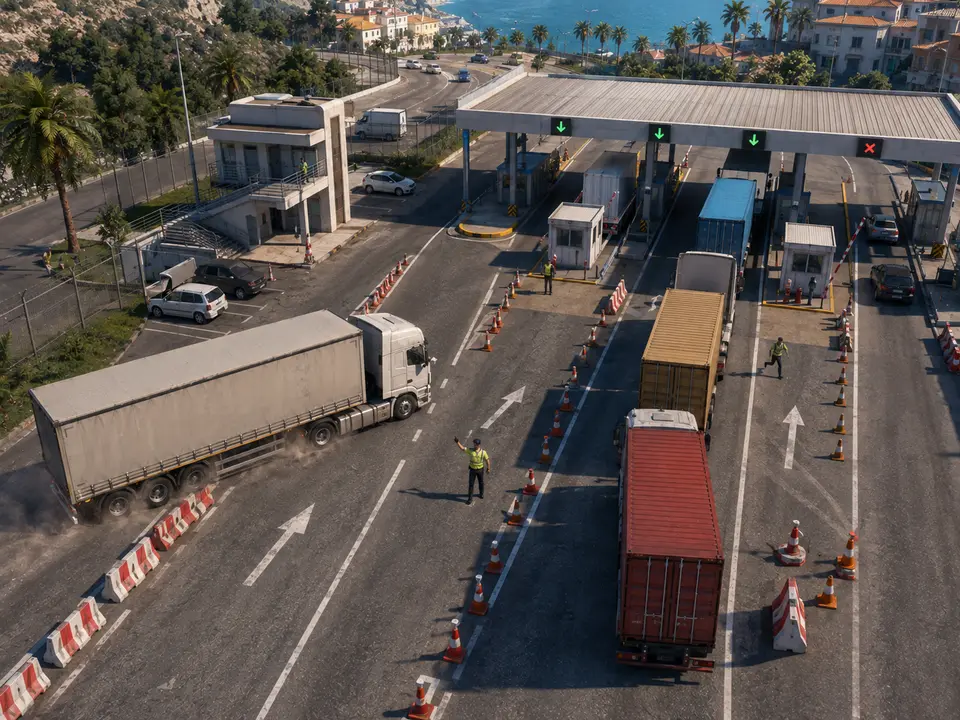
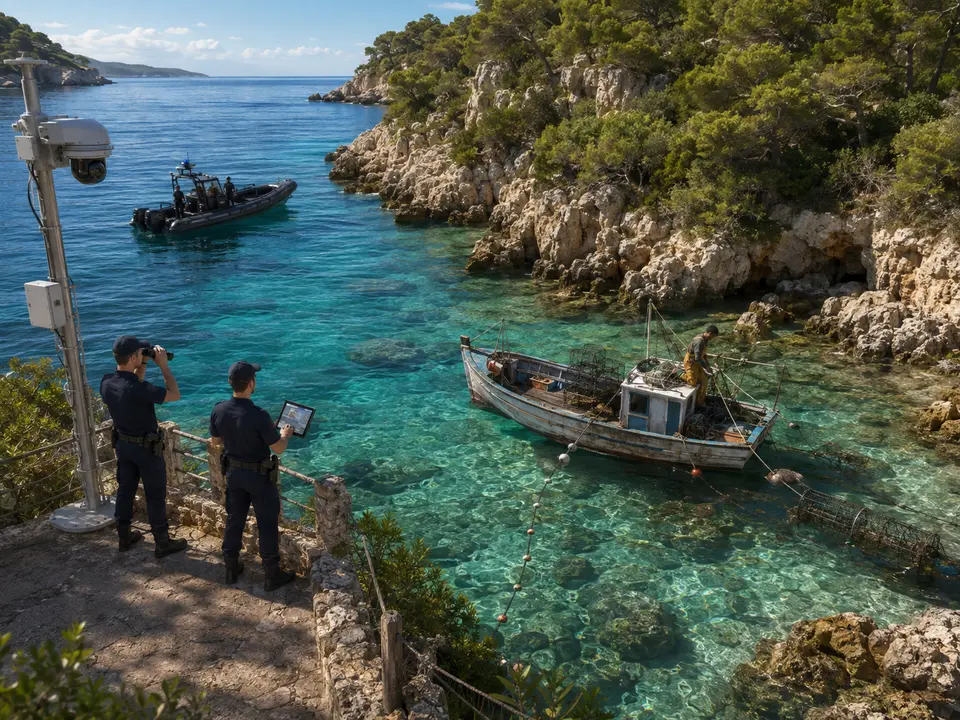
A different case every time
Everything comes in. Only what matters gets through.
This sums up what IRIS does with one alert, from the moment it appears until it is closed. The real screen holds far more; this is the main thread.
- You draw the line
- It counts by itself
- A number comes out
And in your territory
Which fact would have changed your day if you had known it in time?
Think of the last alert that came in late. The smoke that was already half a hillside. The queue that spilled onto the hard shoulder. The waste ground that woke up with twenty cubic metres of rubble on it. In all three cases a camera was looking, and in all three the fact took hours to reach somebody who could act.
IRIS does not change the cameras: it changes how long a fact takes to reach somebody who can act on it. And it keeps the sequence, with its timestamp, for the day somebody has to explain exactly what happened.
What gets asked before it is approved
The ten questions that come up before anyone says yes.
Answered in the first line, straight, and without promising that a system will decide for anyone. The camera sees facts. The one who draws conclusions is a person.
Does it work with the cameras we already have up?
Yes, it works with the cameras you already have up, and that is exactly the point: a territory is not short of cameras, it is short of someone watching them around the clock. IRIS analyses the feed of the IP cameras that already exist; what changes is not the sensor, it is what gets understood from the picture. What does shape the result is where each one is mounted and what can be seen from there: a camera placed so the whole access fits in frame gives less than one pointed straight at the spot that matters to you. Before promising anything we would rather look at real images from your cameras and tell you which ones this makes sense on and which ones it does not. Sometimes the answer is to move a camera two metres, and that is cheaper than buying anything.
Does IRIS identify people, recognise faces or follow anyone across the territory?
No, IRIS does not identify people, does not recognise faces and does not follow anyone across the territory, and that has to be said plainly. It compares no face against any database, keeps no record of who anyone is and holds a file on nobody. Nor does it predict, score anyone, classify anyone by their behaviour, or read anyone’s intentions or mood. What it detects are facts defined by the authority itself: a vehicle stopped where stopping is not allowed, a blocked exit, smoke rising from the hillside, a stain spreading on the water, a crowd that keeps growing. What is happening, where, and since when: that is everything the alert carries. And on number plates, the honest answer: IRIS can read plates when the camera is installed for that and whoever operates it has a legal basis to do so, but that is another camera and another decision, and it is not what the cameras on this page do.
Does the video leave our premises?
The video leaves your premises only if you want it to, and in this sector the norm is that it does not. In the on-site mode the servers sit in your building, the video comes in over your network, is analysed in there, and the system does not need internet to work: if the line drops, the analysis carries on. In the other mode it is processed in our data centre — which is our cloud, not somebody else’s — encrypted and under the terms signed in the contract. Either way, an alert always keeps the same things: the camera, the time, the fact detected and the clip of video, so the report can later rest on more than a memory.
Does an IRIS alert count as evidence of what happened?
An IRIS alert brings a time-stamped fact with its video, no more and no less: it does not retouch the image, hides nothing and does not interpret what can be seen. Whether that fact counts as evidence is decided by the procedure that applies and by whoever has to weigh it up — not by us and not by a salesperson of ours. What we can tell you is what makes that sequence useful: it is exactly the same for both sides. It works just as well to back up whoever acted as to contradict them, which is why it is worth having before anyone needs it. Seeing a fact is not accusing anyone.
Where does a camera not go, and who answers for data protection?
Where a camera does not go is worth answering before anyone asks: nothing is watched inside a home, in a changing room, in a toilet, or in an office where someone is being attended to. And in public space, where there is a camera and where there is not is decided by the authority, with its legal framework, its lawyers and whatever public notice applies. That is signed by whoever installs it, not by us; be wary of anyone who tells you otherwise. What does depend on the software is that the processing is configurable piece by piece: what is kept, for how long, who can access it and from where. And that our way of working is certified for information security and for privacy by an external auditing body. That paper is not signed by a salesperson: it is signed by an auditor, and you can ask us for it before you sign anything.
How many alerts will reach the control room?
The control room will get the alerts you decide on, because a rule is bounded: area, time window and duration. A system that throws two hundred alerts a shift is switched off within a week, and rightly so: when everything alerts, nothing does. That is why a rule is never “tell me if a vehicle is stopped”, but “tell me if a vehicle is stopped on this hard shoulder, between ten at night and six in the morning, for more than three minutes”. Change the area, the window and the minimum time, and the same detector goes from firing a hundred times a day to firing when it really matters. And it is tuned afterwards, with what actually came out in the first two weeks in your territory and not in somebody else’s.
Who decides what is watched and what is not?
The authority decides, not IRIS. Which area, at what time, for how long and under what conditions: that is written by whoever operates the system, and it stays written as a sentence anyone can read and anyone can change. IRIS applies what it has been told, always the same way and without getting tired. It ships with no list of behaviours and does not decide on its own what is normal in your territory: what is normal on a stretch of coast is not what is normal on an industrial estate, and the people who work there know that. If tomorrow a lane closes, an access opens or the hours of a crossing point change, the rule is rewritten in a short while and nothing has to be ordered. And because it is written as a sentence, it can be shown exactly as it is to anyone who asks what that camera is actually watching.
What is it that IRIS does not see?
What IRIS does not see is real, and it is worth saying before anything is signed. A camera only understands what falls inside its frame: if something happens off camera, behind a wall, between two vehicles or in an area with no camera at all, IRIS does not see it — just as a person watching that same screen would not. At night, in fog, in heavy rain or with a dirty lens it sees worse, and on a hillside against the light at dawn it sees worse still. And some situations look a great deal like others: dust thrown up by a lorry and smoke can be confused for a few seconds, which is why an alert is always closed by a person looking at the video. Detecting is not deciding. IRIS is not infallible and we are not going to sell it to you as if it were: it is a system that watches, at every hour, the cameras nobody is watching right now.
How long does it take to be up and running?
How long it takes depends on the size of the deployment, and we are not going to give you a date we do not yet control. The work has three clear phases: connecting the cameras that already exist, drawing the areas on each image and writing the rules that matter at that spot, and tuning those rules against what actually happens. The first detections show up early; the fine tuning takes longer, because it depends on what happens in front of those cameras and not on us. Specific dates go in the proposal, once we know how many cameras there are and what you want to detect on each one.
How much does it cost?
The cost is worked out from how many cameras are analysed, what each one is asked to do, which deployment mode you choose and whether the hardware is yours or ours. We do not publish a price list because it would not be honest: a stretch of coast with twelve cameras and three rules is not the same project as a whole territory with hundreds. What can be done is to start small: one access point, one stretch of hill road, the two or three rules that really matter there, and see the alerts with your own team before deciding anything. Tell us how many cameras you have and what you want to detect, and we will give you a figure. The number is +34 93 566 70 22.
See it somewhere else
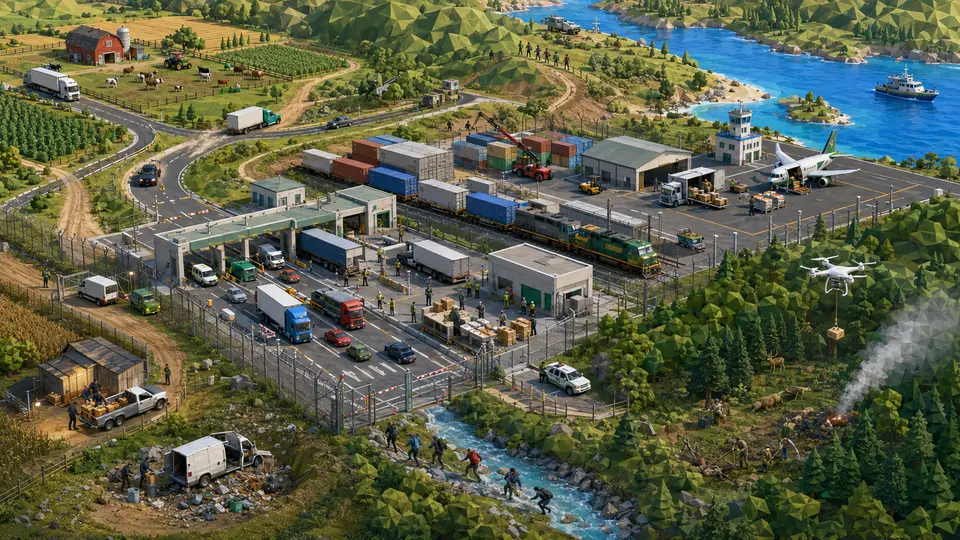
What can a camera see without pointing at anyone?
13 cases: 9 raise an alert when something happens and 4 only measure. You see each image as it is, and then with what IRIS understands on top.
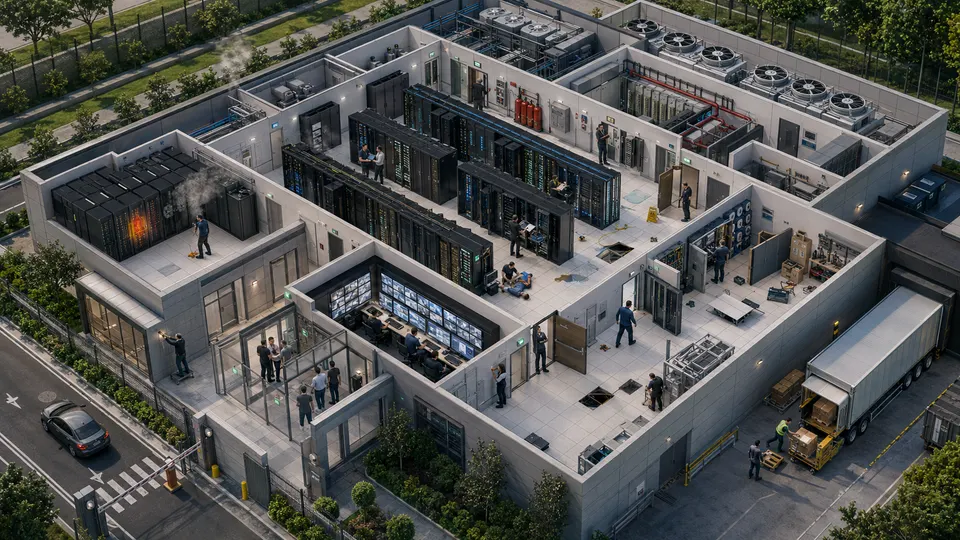
What if the outage does not start with an attack?
13 cases, and in every one of them IRIS raises an alert when something happens. You see each image as it is, and then with what it understands on top.


And the best part
You decide once what matters to you.It stops depending on who happens to be on shift.
You say it in your own words and it stays written down. Nobody has to remember anything at the start of a shift: what you decided is already in place, and still there tomorrow.
Tell us your problem and we will say whether IRIS understands it, or not yet.
We reply the same working day.