Who watches the cameras of a whole city?
A city has thousands of cameras. IRIS understands them all.
We show twenty-three here: eighteen that raise an alert when something happens and five that alert nobody, they just count. A council has thousands, spread across the whole municipality. The system is exactly the same. And one thing before you go in: IRIS identifies nobody, recognises no faces and accuses no one. It sees facts, timestamps them and hands them over with the camera and the hour. Whoever concludes is a person.

Without IRIS, this is just a city recording itself.
AI-generated image
What IRIS is
IRIS watches the street for you.
IRIS looks at the cameras you already have on streets and squares and understands what's happening: a fight, a spill, an overflowing bin or a crowd building up. When something important happens, it alerts you; and whatever can be counted, it counts. All day long, with no one watching a screen.
You tell it what you need to watch, and IRIS does it.
Works with the cameras you already have. Nothing to replace.
A person replies, not a form.
- Your footage never leaves your premises.
- It doesn't identify people.
- Certifications →
A whole city, understood
A city council already has thousands of cameras across the city. They record all day and almost nobody watches them. When something happens, someone has to notice, report it and wait for the right team to arrive.
IRIS watches for them. It analyses every camera continuously and only interrupts when a rule set by the council itself is met: a sinkhole, a fallen tree, a fight, a water leak.
The result is not more video to review. It is an alert with the camera, the time, what happened and the footage, while it is happening. Whoever decides what to do is a person, always. And not everything that matters is an alarm: sometimes what matters is a number. How many people walk down the high street, how long a queue lasts, how much a court gets used. That is not asked for in words: you draw a line or an area on the image, because a line cannot be described in a sentence, it has to be traced. That is why Tuesday's figure and Saturday's are measured the same way and can be audited. And people counting is certified by the Spanish Metrology Centre through NeuralPax: what is certified is that measurement, counting people, and nothing else.
The real scale
Twenty-three here. Thousands out on the street.
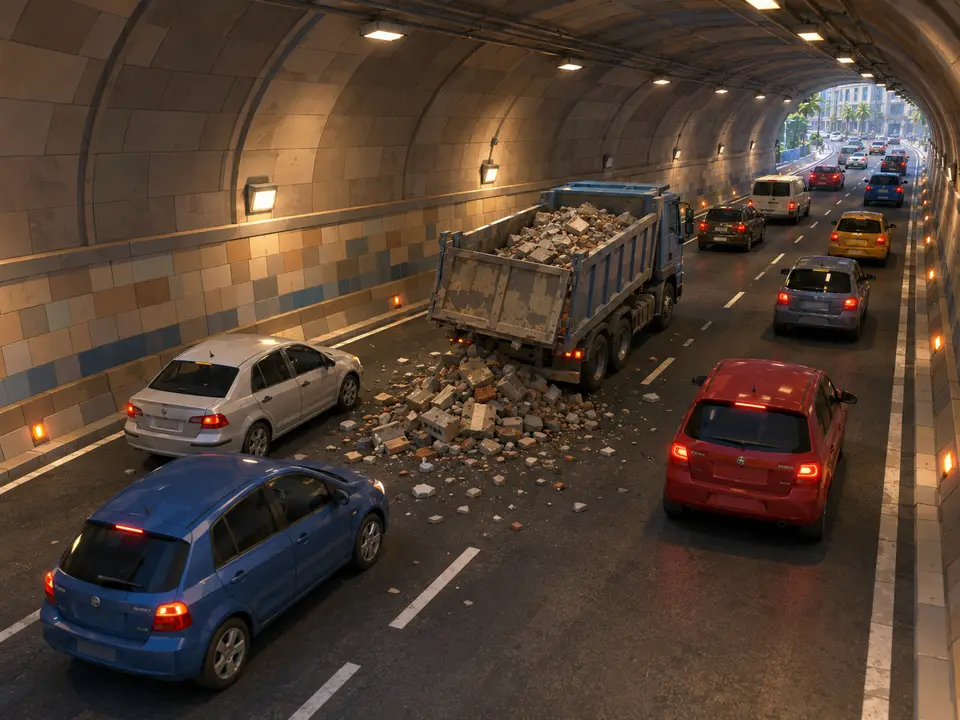
This demo shows twenty-three cases because twenty-three fit on a screen. A real city has cameras at junctions, squares, parks, industrial estates, beaches, car parks, markets, schools, treatment plants and tunnels. Thousands of them, and a few more every year. No person can watch them all; that is exactly the problem IRIS solves: it analyses however many there are, all at once, and only interrupts when a rule is met. And where there is nothing to watch for, it counts: how many people go past, how much a court gets used, how many bikes stay in the lane.
Examples
These twenty-three are just examples.
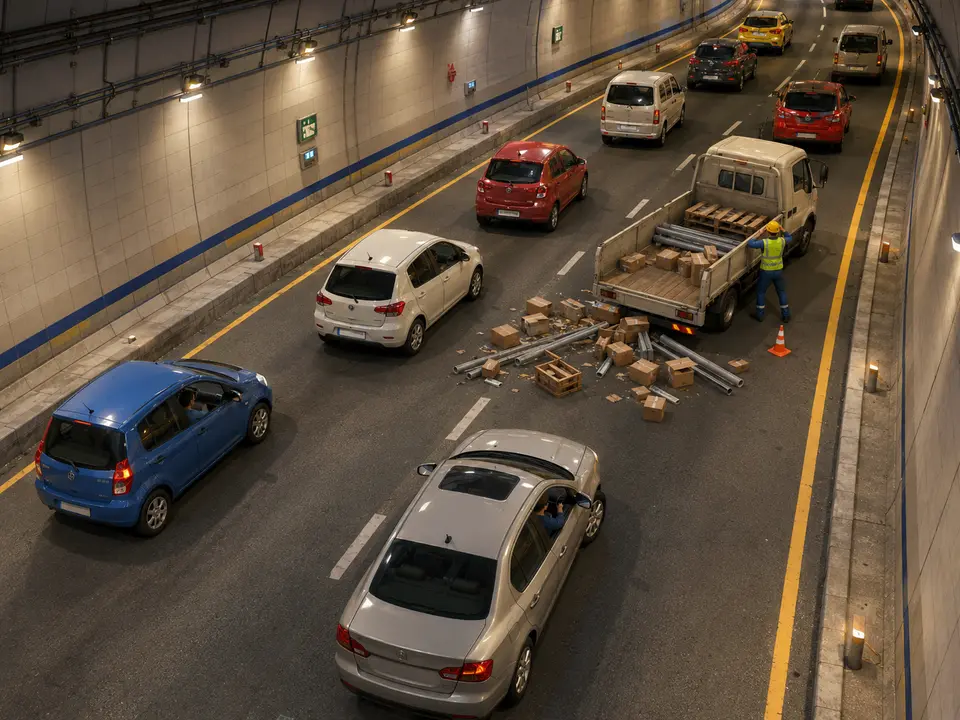
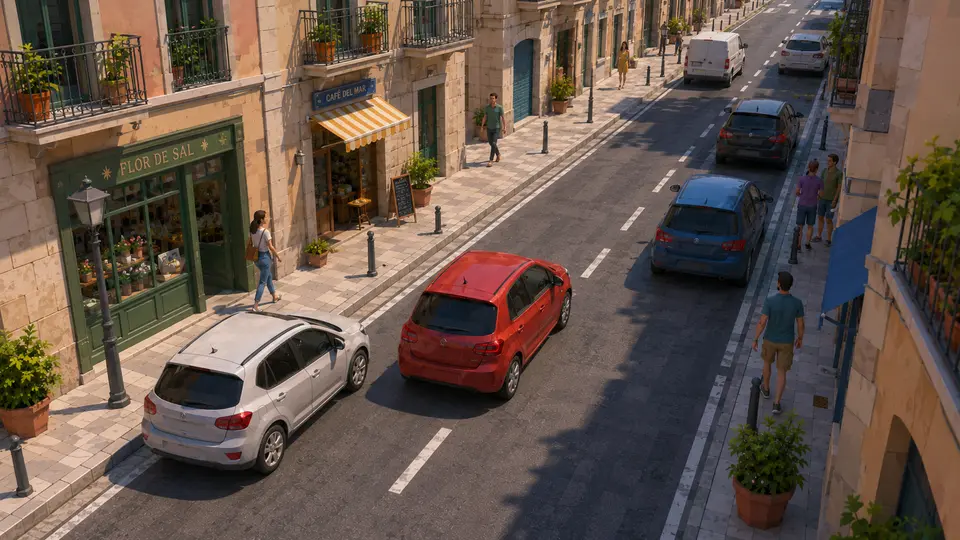
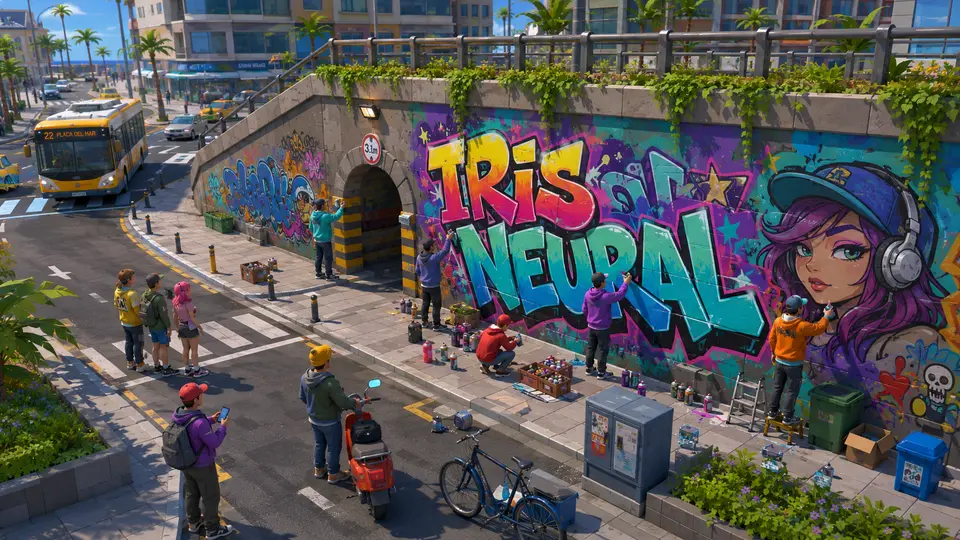
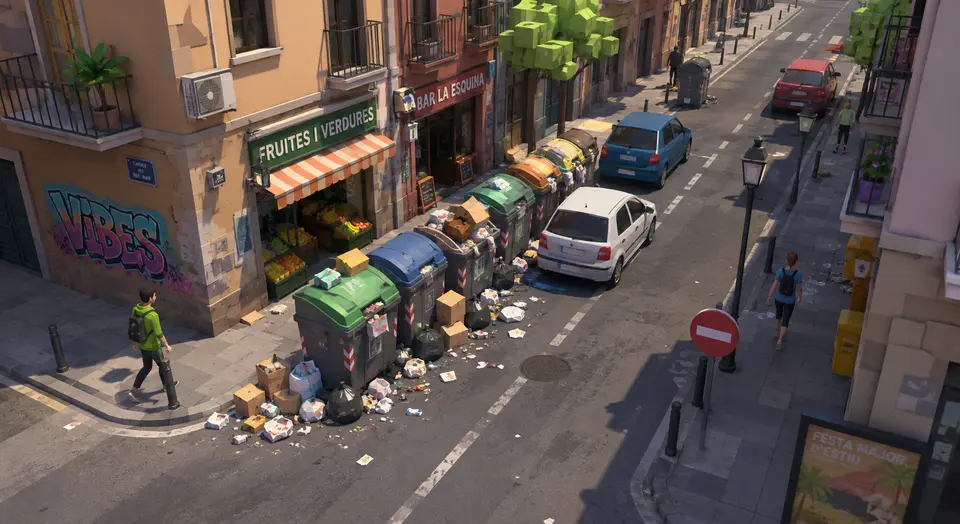
Each one shows a different kind of thing. They are not the twenty-three things IRIS can do: they are the ones that fit on a screen. Open any of them and you will see the image as it is, and then with what IRIS understands on top.





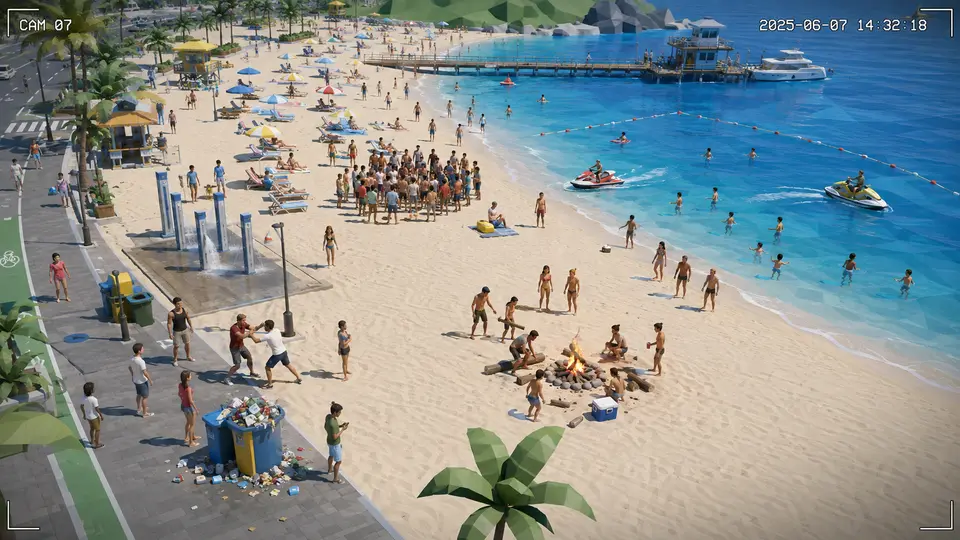


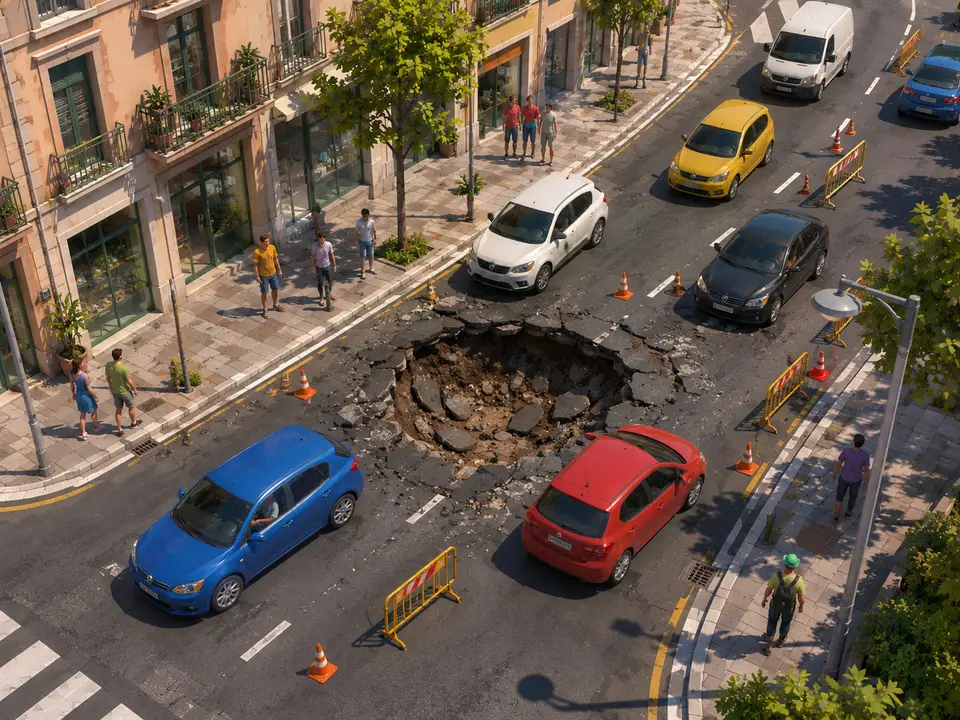

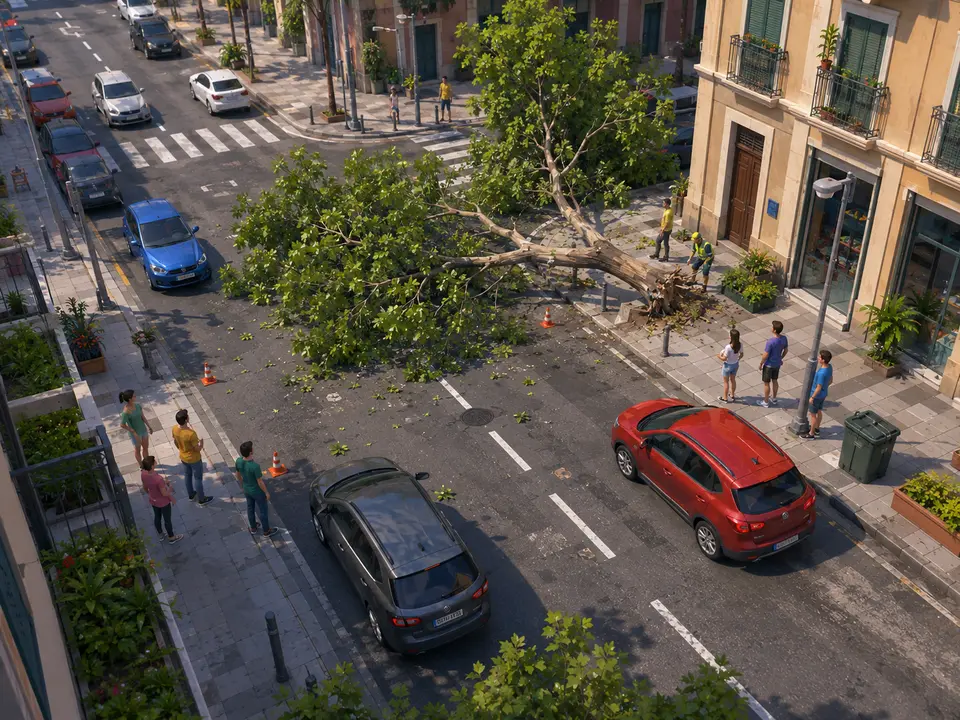
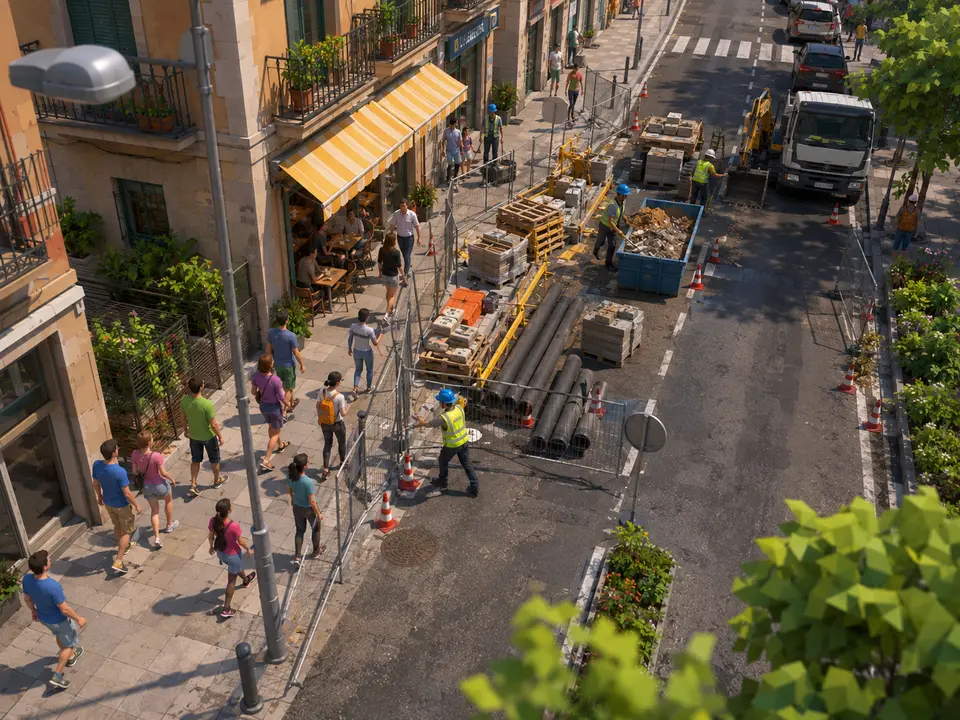






See it in action
The real interface, step by step
Everything comes in. Only what matters gets through.
This sums up what IRIS does with one alert, from the moment it appears until it is closed. The real screen holds far more; this is the main thread.
- The rule gets built
- It goes to every camera
- Published, it watches alone
- And then it fires
Now think about yours
Imagine knowing all of that while the city keeps running.
A bin that has been overflowing for three days. A street light out at a crossing. Roadworks with no signs. A capacity limit blown on an August Saturday. How many people walk the high street and when. How many bikes use the cycle lane that was so hard to get built. A car double-parked outside a school for forty minutes.
All of that is happening right now, in front of cameras your city already owns and already paid for. And right now nobody knows, because there are not enough people to watch that many screens. IRIS watches them all at once and tells you when it happens, not the next day through a photo on social media.
What everyone asks
The ten questions that come up in every meeting.
Answered before you have to ask them, and answered in the first line. Straight, with no promises that fall apart in front of a camera.
Do I have to replace the cameras I already have on the street?
No, you do not have to replace the cameras you already have on the street. IRIS connects to the feed of the IP cameras that are already installed and analyses it: what changes is not the sensor, it is what gets understood from the picture. During the project we check camera by camera whether the framing and quality are good enough for what you want to detect at that spot, and we tell you plainly which ones fall short. Replacing a camera is the exception, not the starting point.
How many cameras can IRIS analyse at once across a whole municipality?
IRIS analyses at once every camera your installation has, including the thousands across an entire municipality. This demo shows twenty-three because twenty-three fit on a screen, not because that is a ceiling. Real capacity is set by the hardware behind it, not by the software, and it is sized during the project according to how many cameras there are and what each one is analysing.
Does the video leave my premises or stay inside?
The video leaves or stays inside depending on the deployment you choose, and there are two of them. In the on-site mode it does not leave: the servers sit in your building, the video comes in over your network, is analysed in there, and the system does not need internet to work. In the other one it is processed in our data centre — which is our cloud, not somebody else's — and then it does leave, encrypted and under the terms set in the contract. Most organisations mix the two: sensitive sites stay in, the rest goes out.
Does IRIS identify people or recognise faces?
No, IRIS does not identify people and does not recognise faces. It detects objects, behaviours and situations: a car parked on the pavement, a fall, a crowd building up, rubbish left outside the bin. It puts no name to anyone and compares no face against any database. Counting by time slot is aggregated and anonymous: it says how many people passed through an area, never who they were. A counted person is a one: nothing else of them is kept.
How do I stop the control room ending up ignoring alerts because of false alarms?
You stop the control room ignoring alerts by tuning the rules with your operators, street by street, over the first few weeks. Let us start with the awkward part: yes, the system gets it wrong sometimes. Every detection system does, and anyone who says otherwise has never installed one. That is why a rule is never a single condition: it combines what is seen, where it is seen and how long it has been there. Those three values are tuned with you until what reaches the screen is what your team wants to receive. An alert nobody acts on is a badly configured alert, and that can be fixed.
How long does it take to be up and running on the street?
How long it takes depends on the size of the installation, and we are not going to give you a date we cannot yet control. The work has three clear phases: connecting the cameras that already exist, drawing on each image the zones and rules that matter, and tuning those rules against what actually happens on the street. The first detections show up early; the fine tuning takes longer. Specific dates go in the proposal, once we know how many cameras there are and what you want to detect on each one.
Does IRIS replace my control room or the guards I have?
No, IRIS does not replace your control room or your guards: it changes what they look at. Today one person sits in front of dozens of screens and cannot watch them all at once. With IRIS they stop watching everything and watch what matters, when it matters. The decision stays theirs: IRIS opens the camera, shows what it saw and waits. Who decides what to do is a person, always.
Can I use IRIS if I already have a VMS recording?
Yes, you can use IRIS if you already have a VMS recording: it lives alongside it instead of replacing it. IRIS is an NVMS, that is, the layer you are missing today: understanding what happens in front of the cameras and applying your rules. You can carry on recording and managing video where you do it now. What gets integrated, and how, is decided by looking at your actual system, not by promising up front that we fit with everything.
Can I put this on public streets without breaching data protection law?
You can, but compliance does not depend on the software alone: it also depends on how you deploy it and what you decide to process, and that is signed off by your organisation, not by us. What we can tell you is that the processing is configurable piece by piece: what is kept, for how long, who can access it and from where. And that our way of working is certified for information security and for privacy by an external auditing body. That paper is not signed by a salesperson: it is signed by an auditor, and you can ask us for it before you sign anything.
How much does it cost to put IRIS on a municipality's cameras?
The cost is worked out from three things: how many cameras are analysed, which deployment mode you choose, and whether the hardware is yours or ours. There is no single price list that fits everyone, because analysing twenty cameras in a park does not cost the same as two thousand across a whole municipality. Tell us how many cameras you have and what you want to detect, and we will give you a figure. The number is +34 93 566 70 22.
See it somewhere else

Why did the line stop?
237 cases, and in every one of them IRIS raises an alert when something happens. You see each image as it is, and then with what it understands on top.

How many bays are free right now?
15 cases: 9 raise an alert when something happens and 6 only measure. You see each image as it is, and then with what IRIS understands on top.


And the best part
With two screens you watch.With twenty you look without seeing.
It is nobody’s fault: it happens to everyone. IRIS watches all twenty at once and only interrupts when something deserves a person’s attention.
Tell us your problem and we will say whether IRIS understands it, or not yet.
We reply the same working day.