NVMS · Infinity Neural
The cameras multiplied.The people watching them did not.
Everything comes in. Only what matters gets through.
IRIS connects to the cameras you already have and watches every one of them at once, around the clock and without shifts. You write the rule — someone in the manoeuvring area with no hi-vis, an emergency door left open, a lorry parked where it should not be — and IRIS applies it without stopping. If it happens, your team hears about it while it is happening. The rest never reaches them.
- Local processing
- No pay-per-query
- Works without internet
- The cameras you have
- Natural language
- Neural video
- 8 languages
IRIS automation1 of 8
«Tell me if there is a collision with people on the roadway, and which approaches are blocked.»
CAM-14Collision at a junction
You write the sentence. IRIS looks for it in what the cameras see and tells you when it turns up.
Not one of these eight sentences needed anything trained specially for it. It is the same IRIS in all of them.

Turn on IRIS Vision
AI-generated image
The cost that never shows up on the invoice
Recording is not the expensive part. Watching it by hand is.
A hard drive costs what it costs, and every year it costs less. What never gets cheaper is the hours of people watching screens where almost nothing happens, or the hours that go afterwards into finding the exact moment inside the recording.
Attention runs out
Nobody holds their focus on a wall of screens for a whole shift. It is not a lack of professionalism: it is how a human head works. After a few minutes the eyes are still there, but the attention is gone.
Almost everything recorded is routine
Of everything your cameras see in a day, the vast majority is normality: cars going past, people walking, doors opening and closing. What genuinely calls for a decision is a tiny part of it, buried in all the rest.
Searching afterwards costs whole shifts
When something finally happens, someone has to go through hours of video from several cameras to find thirty seconds. That time comes out of the same team that should be watching what is happening right now.
Every new camera multiplies the video, but it does not multiply the people. Your team should not be guarding screens. It should be solving situations.
Do the maths
How much of what you record does anyone actually watch?
Put in your own numbers. There is no trick and no figures of ours hidden inside: it is a division, and the whole formula is written below.
2,352hours of video a day that nobody sees. You record them, you store them, you pay for them.
- 48 hHours anyone can watch
- 385,440Yearly cost of those people watching
The formula, in full
Hours recorded per day = cameras × 24. A camera that is on records twenty-four hours, not eight.
Hours that can be watched = people × 24. This is the only assumption we make, and it is as generous as it gets: that each person watches one image at a time, without blinking, without a break and without tiring all shift long.
The percentage is one divided by the other. And because the assumption is impossibly good, in real life the number always comes out worse than the one you just got here.
None of this says anything about IRIS. These are your figures and a division. What IRIS does with the video nobody watches is what the rest of the site is about.
Real scenes
Six scenes that already happen. What changes is how they end.
None of these is made up. They are ordinary shifts, with ordinary people doing their job well. The problem is never the person: there are simply more cameras than eyes.
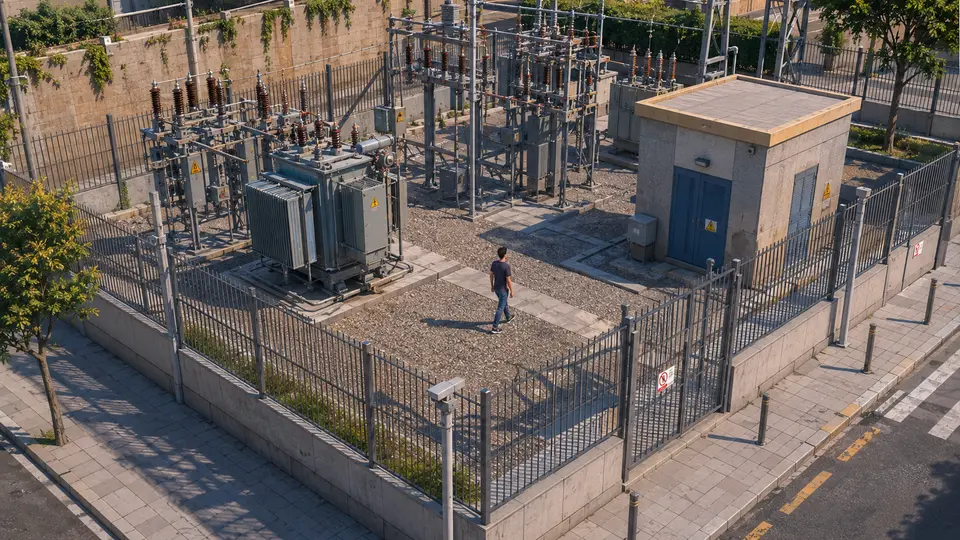
Airports and power plants
Kilometre 14, at three in the morning
It is three in the morning. The perimeter fence runs for eighteen kilometres and almost none of it is lit. …
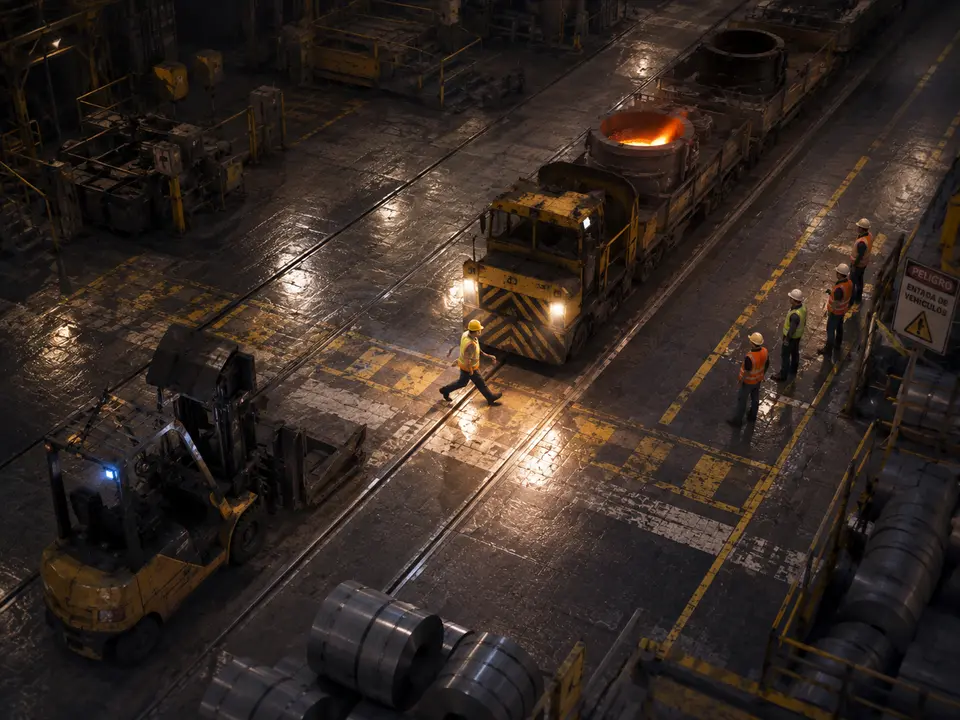
Ports and rail
The vest that stayed in the van
Quarter to six in the morning, still dark. The terminal has not stopped all night: engines, reversing alarms, steel on steel. …
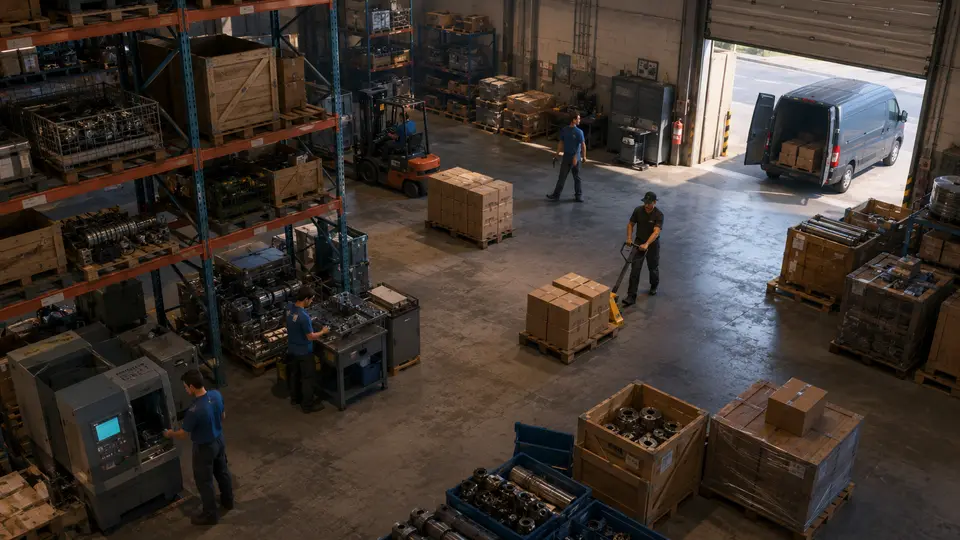
Security and investigation
One white van in five hundred hours of video
Monday morning. Over the weekend, material went missing from the loading area. …
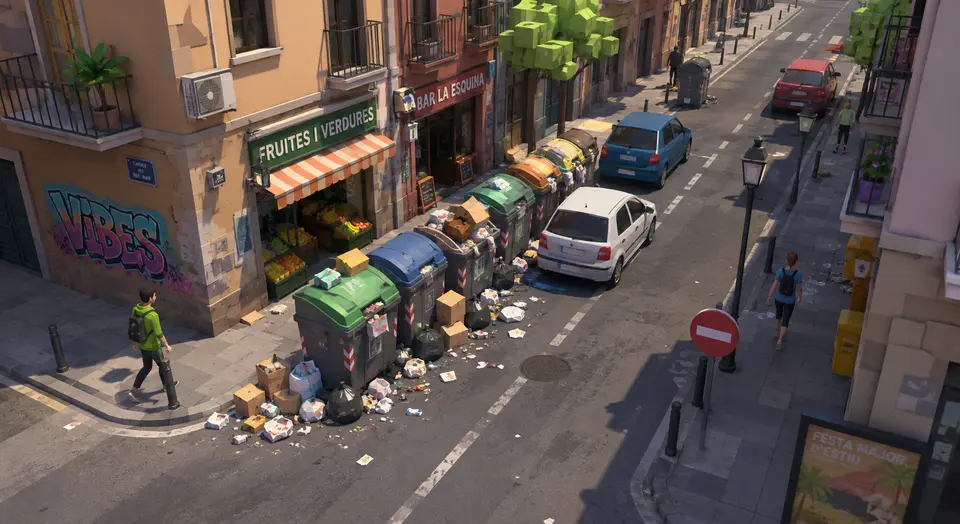
Local government
The bin that had been overflowing for three days
Tuesday morning at the public spaces department of a mid-sized council. A council officer opens her inbox: forty reports, four meetings, and the cleaning budget that has to be closed this week. …
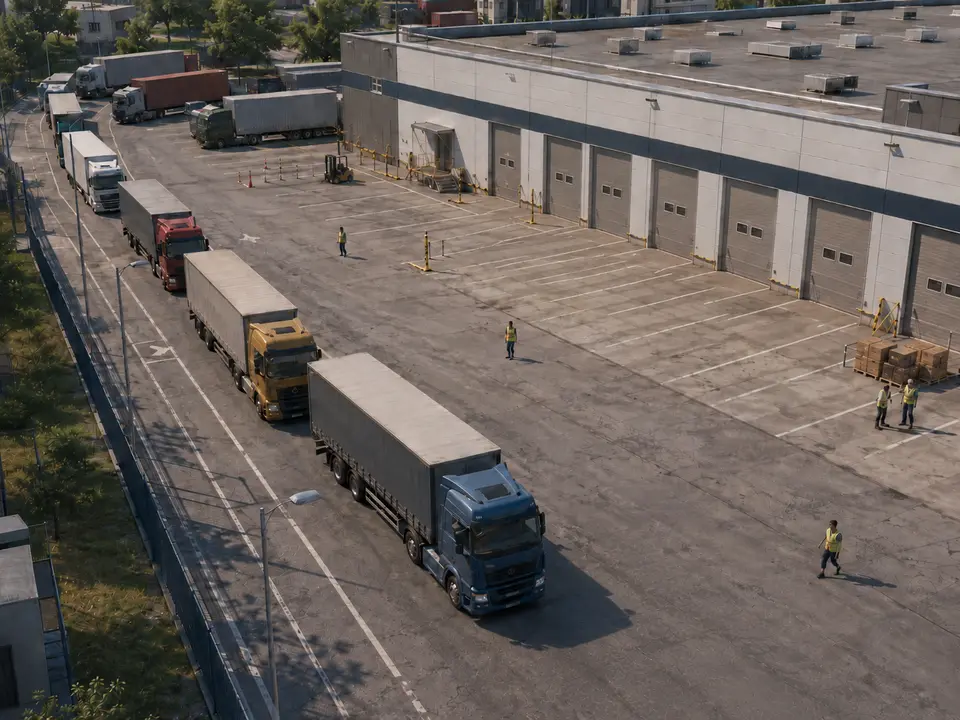
Logistics and industry
Forty minutes nobody can account for
Quarter to seven in the morning in the yard of a distribution centre. It is cold, and three lorries have had their engines running for a while, waiting. …
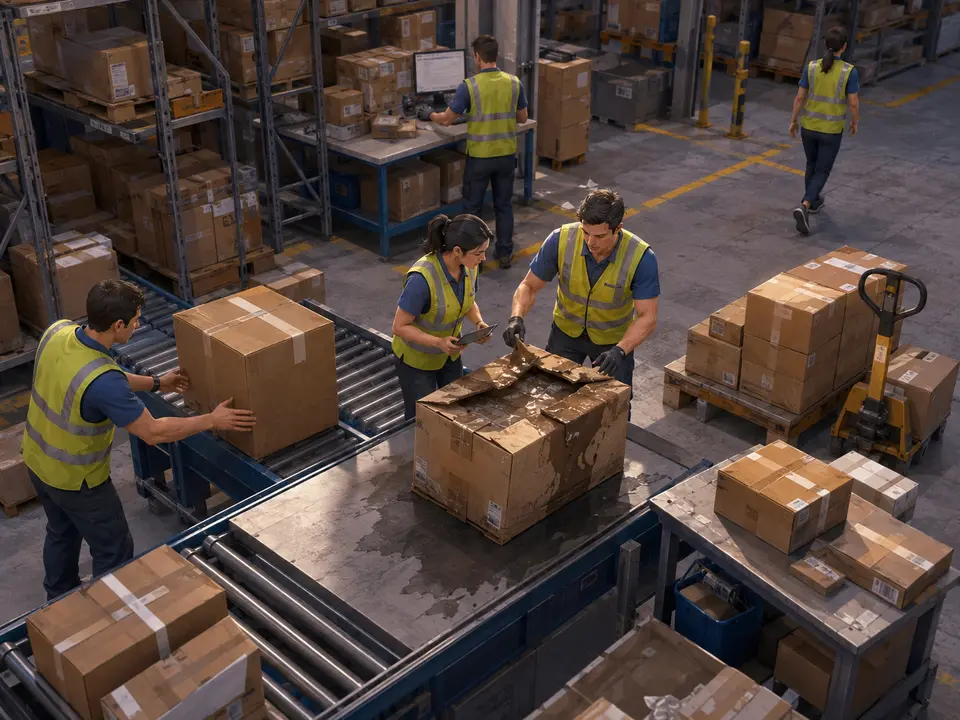
Finance and legal
Paying because you cannot show it
Thursday afternoon. On the desk there is a claim: goods that arrived damaged, with a photo of a broken pallet and an email that has already been forwarded three times. …


Infinity Neural
AI has spent years locked inside a screen. We take it out onto the street.
That is what we do: take real artificial intelligence and put it to work where things actually happen. A junction, a loading dock, a platform, a school gate. And do it the simplest way there is: with the cameras that are already up.
It is simple
No new cameras, no rewiring the building, no strange sensors. IRIS connects to the ones you already have and starts understanding what they see.
It is already running
This is not a demo reel or a lab experiment. It is software that is installed, watching real cameras, every day and at every hour.
You notice it on day one
You stop watching forty screens and start looking at what matters. That needs no chart to explain: you see it on that night's shift.
And it stays at home
It can run inside your own site, with no internet at all. Your footage goes nowhere unless you want it to.
What does IRIS do?
IRIS sees, understands, decides and acts.
Cameras already see the world; IRIS is what makes them understand it.
Sees what is already recording
IRIS connects to the cameras you already have, as long as their video stream is available. Seeing was never the problem: the cameras were already doing that on their own.
Understands what is going on
It recognises people, vehicles, objects, zones and durations, and how they relate to each other. It moves from ‘there is something in the image’ to ‘this is what is going on’.
Decides by your rule
It compares what happens with the rules your organisation has defined. Decide once; IRIS applies it every time.
Acts and writes it down
It opens the incident, alerts, brings up the camera, records the figure and stores the evidence. The team receives a situation ready to be decided on, not an hour of footage.
With two hundred cameras, the problem is not seeing. It is finding.
These nine cameras watch a process plant. Nobody is going to open them one by one. You ask once, and IRIS says which one.
Ask them all at once«Find me anyone in the pump area without the flame-resistant suit.»
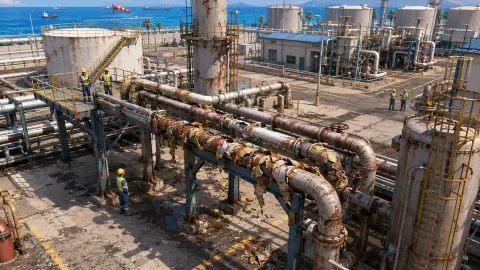

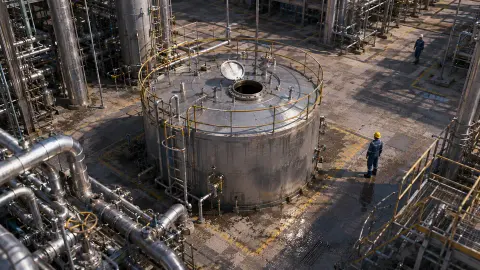
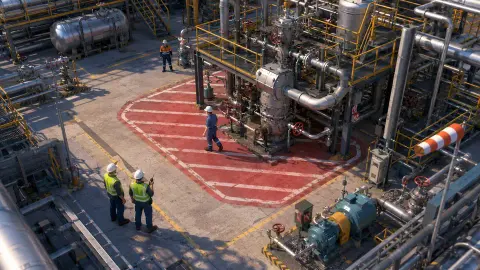
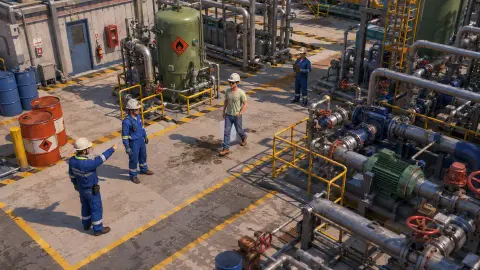
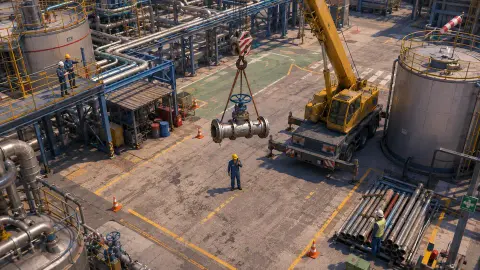
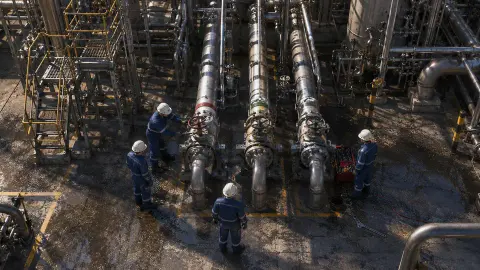
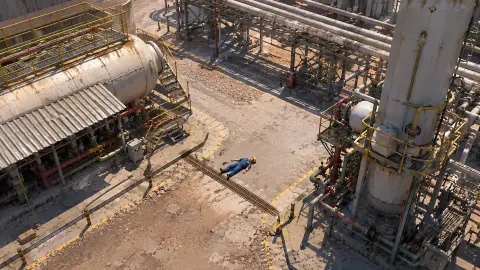
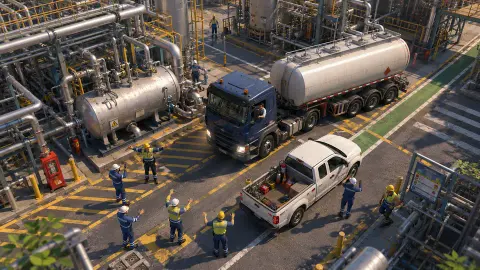


Checking all nine…Yes, in one: CAM-331.

Tomorrow the question can be a different one. You write it and that is all: nothing to prepare, and no going through the cameras one by one.
Where is your problem?
The technology is the same. The pain is not.
IRIS installs the same way in a hospital as on a loading dock. What changes is what you ask it to understand. Pick the ground that looks like yours.
- For heads of securityCritical infrastructureAirports, ports, power plants and rail networks. Kilometres of fence, night shifts and alarms the wind sets off every hour. IRIS tells a person apart from a branch moving in the wind, and it can run inside your own site with no internet at all.
- For municipal control roomsCities and mobilityMunicipal duty service, traffic and emergency services, with the same patrols as always and far more cameras. IRIS flags the car stopped in the bus lane, the crash at the junction or the crowd starting to build, and finds Saturday's white van by typing one sentence.
- For plant managers and safety officersIndustry and logisticsBlocked docks, trucks waiting, and a worker stepping into the manoeuvring area without a vest. IRIS measures how long each operation really takes, warns when someone walks where they should not, and turns your cameras into numbers you can show at Monday's meeting.
- For venue operations teamsVenues and eventsTrade fairs, stadiums, shopping centres and car parks. A queue growing at one entrance or an exit that jams ruins the visit before anyone complains. IRIS counts how many people are there, where they build up and how long they have been waiting, and warns while there is still time to open another door. That people counting is type-approved by the Spanish Metrology Centre through NeuralPax, so the headcount you show has been verified by a third party.
- For hospital management and facilitiesHospitals and health centresLong corridors, wards with few staff at night, and equipment that gets borrowed and never comes back. IRIS says if someone has been on the floor too long or if a patient leaves through the wrong door, and it tells you where the crash cart is without anyone walking three floors to find it. It does not need to look at faces to do that.
- For store management and loss preventionRetail and large storesA shelf that has gone empty, a spill in the middle of an aisle and a checkout queue nobody can see from the back office. IRIS says so while there is still time to fix it, and counts how many people come in, where they go and how long they wait. At the end of the month that is numbers, not impressions.
These six are the doors people ask for most, not the whole list. This site has quite a few more environments built: schools, building sites, hotels, banking, data centres, car parks and prisons. Not seeing yours? Tell us what is in front of your cameras and we will tell you whether IRIS understands it, or not yet.
See it working
Step into a city and look through its cameras.
A collision, a sinkhole, a water leak, a fallen tree. Step into any of them and you will see the raw image and, on top of it, what IRIS understands.
- 23
- examples built
- 18
- raise an alert when something happens
- 5
- only measure
A real city has thousands of cameras. These are the examples that fit on one screen, chosen so you can see the two things IRIS does: raise an alert when something happens, and measure what is not an alarm. Because not everything that matters is an alarm — sometimes what matters is a number.
Enter the city
How is it different?
The VMS ended at the recording. The Neural VMS begins at the decision.
The VMS solved recording. IRIS solves what happens next.
| Traditional model | IRIS · Neural VMS |
|---|---|
| Stores video | Understands what is happening |
| Shows cameras | Prioritises what deserves attention |
| Detects motion | Understands objects and context |
| Generates alarms | Applies rules and responses |
| Forces you to review recordings | Turns the archive into something you look up with a question |
| Produces video | Produces situations, metrics, decisions and evidence |
| Scales by adding operators | Scales by automating observation and repetitive tasks |
Two things worth knowing early
No call to the outside. No meter running.
No outside connection
Video is analysed inside your own installation or in our data centre. There is no outside service the image gets sent to, and none to ask permission from. In local mode you can unplug the internet cable and the system keeps detecting, alerting, measuring and recording just the same.
No meter on questions
There is no charge per question. Not per search, not per alert, not per camera you open. One query and a million queries cost the same, and that decides who ends up using the system: when asking has a price on it, people stop asking and the tool sits idle.
Who this is not for
IRIS is not bought and forgotten. Part of the work is yours.
The most honest thing we can tell you before you read any further is this: nobody from outside knows what matters inside your site. We know how to make a camera understand what it sees. What deserves waking somebody at four in the morning, you know. If nobody on your side sits down and says it, IRIS will end up alerting about things that do not matter, and both of us will have signed off on that failure.
That is why the projects that work have an owner inside. A named person — the head of security, of operations, of the plant — who decides what gets watched, who gets alerted and what changes when the operation changes. Where there is nobody like that, the system keeps the rules from day one and six months later it no longer resembles what actually happens in front of the cameras.
And we are going to tell you no more than once. That this camera cannot read a plate. That this detection is not fixed by software, it is fixed by moving the pole. That the thing you want to measure is not in the image and needs another instrument. If what you are after is a supplier who says yes to everything in the first meeting, you will find one. It will not be us.
Somebody has to say what matters
What deserves an alert and what does not is known by whoever knows the operation. We help you write it down, but we cannot decide it for you.
And somebody has to own it
The projects that fade out are the ones with nobody inside to keep them alive when the operation changes.
We are going to tell you no
Some cameras are not up to what you want. We would rather say so on the site visit than find out on the day of the incident.
If nothing will change, do not buy
If the shift is going to carry on watching the same screens exactly as yesterday, this is just an expense. IRIS is only worth it if it changes how the team works.
What people usually ask
Frequently asked questions
Can IRIS work without internet?
Yes. IRIS can be deployed fully on site and work with no internet connection. Video, models, searches and rules can all run inside the customer's own infrastructure.
Do I have to replace my cameras?
Not necessarily. IRIS is designed to use the video infrastructure you already have, where the integration and available streams allow it.
Does IRIS make decisions for us?
No. Your organisation sets the rules and the limits. IRIS automates their repetitive application and brings people the situations that need human judgement.
What is an NVMS?
An NVMS is a Neural Video Management System: a video management system that also understands what is happening in the scene. It interprets objects, zones, timings and context, applies the organisation's rules and turns video into metrics and evidence.
How long does it take to get running?
It depends on the site and how many cameras are integrated, so we do not quote a generic timeline. The usual path is to start with a few cameras and one or two rules, check it detects what you expect, and grow from there.
Does IRIS replace my current VMS?
It depends on the site. IRIS can work as a complete video management system or sit alongside the one you already have, and that is decided after looking at your camera network, not before. We would rather go camera by camera and tell you what can be done today and what cannot, than promise it fits everything.
How much does IRIS cost?
The price depends on three things: how many cameras come in, how many detections you want on each one, and where the video is processed. We do not publish a fixed price list, because a twelve-camera site and a six-hundred-camera site have nothing in common. Tell us your case and we give you a real figure, not a range.
Does IRIS cut down false alarms?
Yes, and it is one of the reasons it gets installed. Classic motion detection goes off with rain, a branch or a cat; IRIS looks at the scene and works out what is there, where it is and how long it has been there before it alerts. We do not promise an alert will never fire needlessly again, because that does not exist: we promise the noise stops reaching the operator, and that when an alert does arrive, it is worth looking at.
The real interface, step by step
You set the rule once. IRIS applies it every time.
You will see a summary of the interface, played step by step and hands-free. Each round starts with another case. The complete tool does not fit in a demo.
- The rule gets built
- It goes to every camera
- Published, it watches alone
- And then it fires
And the best part
You do not need to buy cameras:you need yours to understand what they see.
Nothing gets built, mounted or rewired. It plugs into what is already up and running, and the only thing that changes is what those cameras understand.
Tell us your problem and we will say whether IRIS understands it, or not yet.
We reply the same working day.