How many bays are free right now?
The cameras are already up. You don't need a sensor in every bay.
We show fifteen cameras here: nine that raise an alert when something is happening and six that alert nobody, they just count. A thousand-bay car park already has cameras on the ramps, in the aisles, at the barrier and in the stairwells. IRIS watches them all at once, and out of that come the two things an operator needs: how many bays are free, and a warning when something goes wrong.

Without IRIS this is a car park where nobody knows how many bays are left.
AI-generated image
What IRIS is
IRIS spots the free space before you've circled the block.
IRIS is an artificial intelligence that watches the cameras you already have in the car park and understands what's happening on every floor. When a zone fills up, a queue forms on the ramp, or something you've asked it to watch happens, it alerts you — and it counts the free spaces in numbers. All day, with no one needing to watch a screen.
You tell it what you need to watch, and IRIS does it.
Works with the cameras you already have. Nothing to replace.
A person replies, not a form.
- Your footage never leaves your premises.
- It doesn't identify people.
- Certifications →
What is at stake in a car park
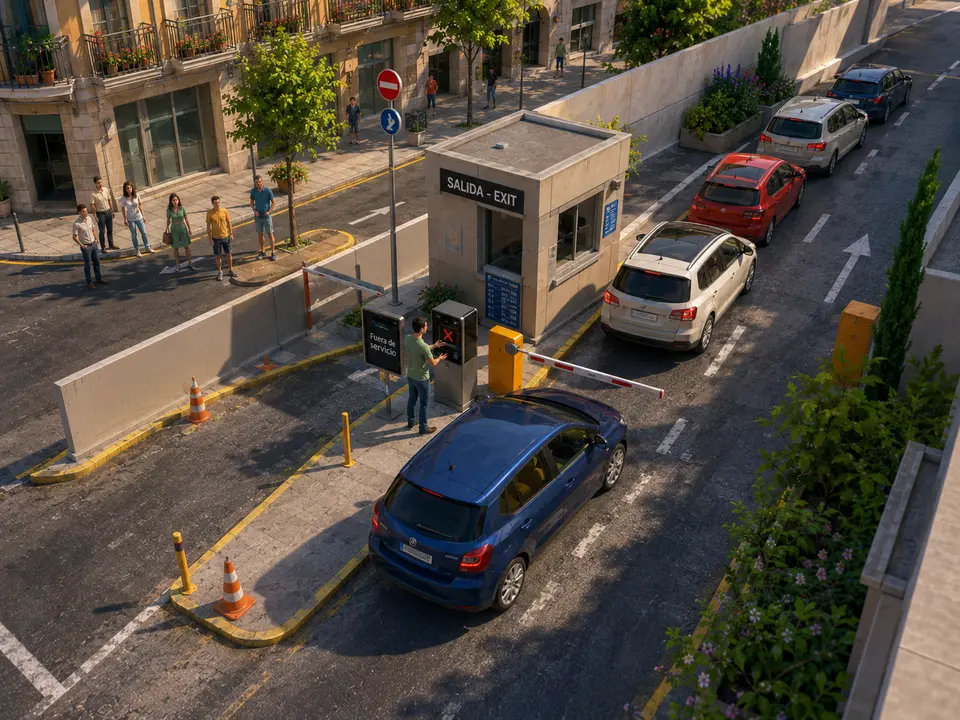
A car park lives off occupied bays and gets judged on the queue at the entrance. Both are found out too late. The sign at the door says FULL because somebody set it yesterday, and inside there are forty empty bays nobody can find: cars going round for four minutes down a full aisle. At the exit a queue builds because at one pay machine nobody is finishing, and nobody notices until the jam reaches the street.
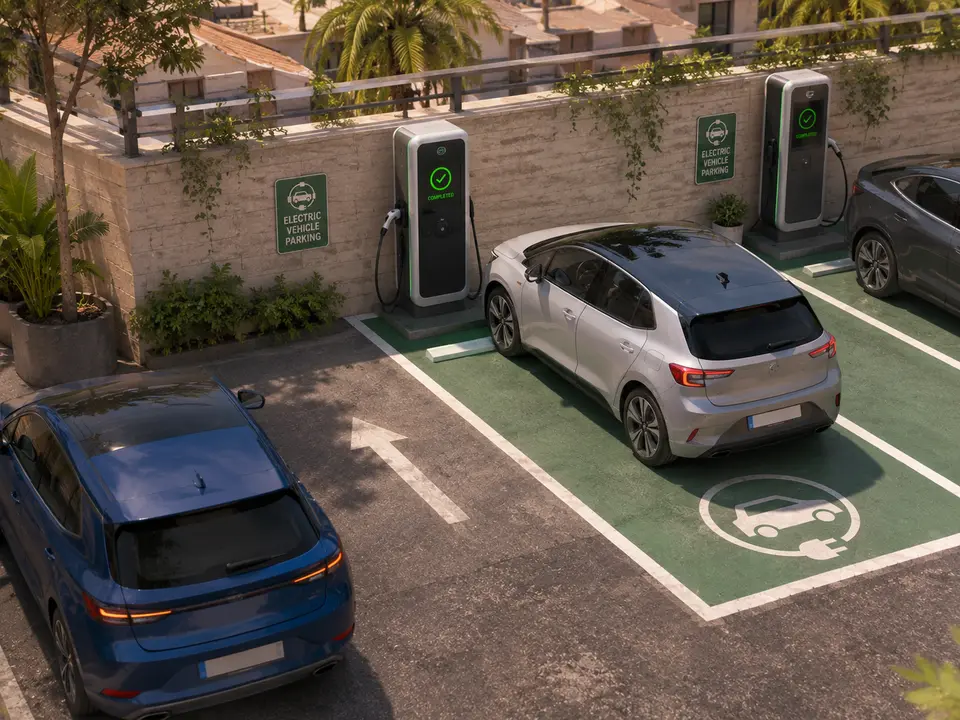
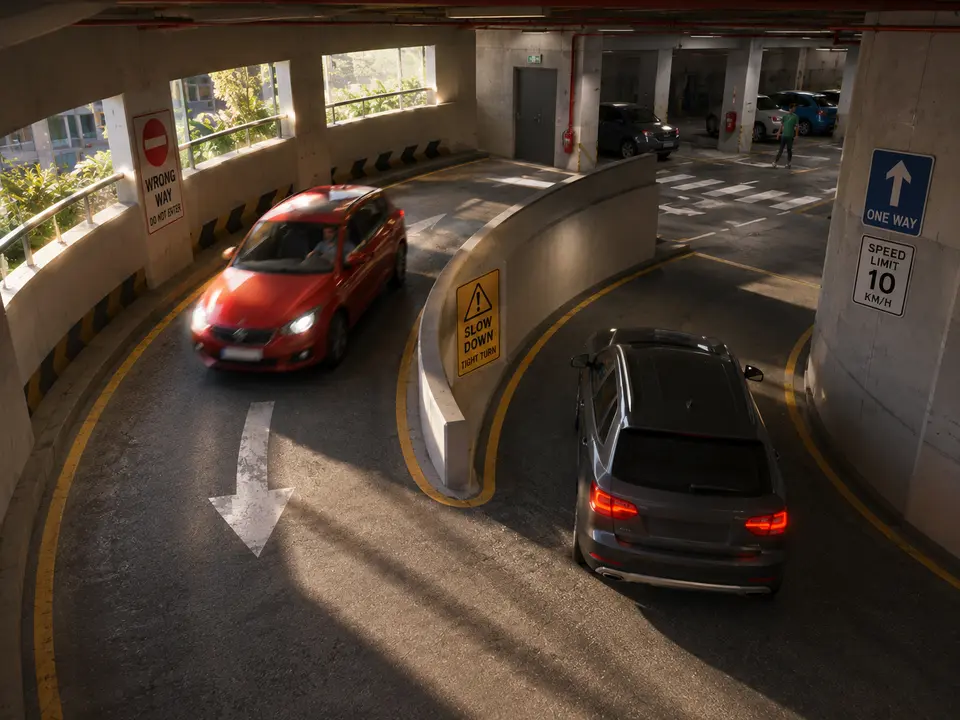
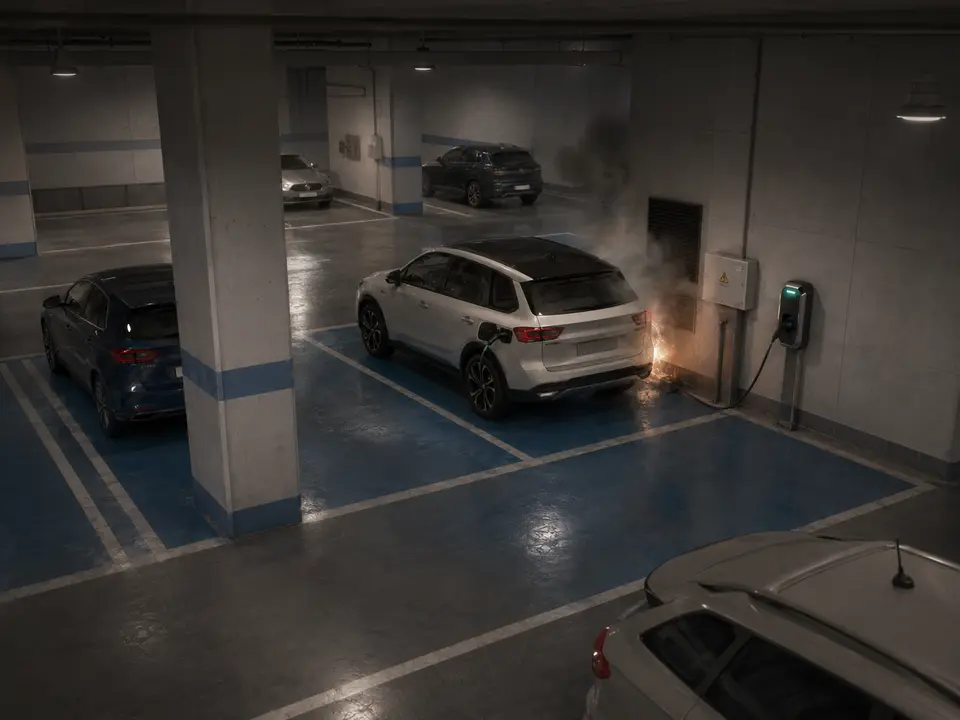
IRIS watches for you. It analyses all the cameras the car park already has — the ramps, the aisles, the barrier, the charging bays, the exits — and only interrupts when a rule you wrote is met: a car coming up the ramp the wrong way, a vehicle stopped outside a bay on a level that should be empty, smoke at the foot of a plugged-in car at three in the morning. The alert arrives with the camera, the time and the video, while it is happening, to the person who can walk down to that level.
And where there is nothing to alert about, IRIS measures. How many bays are free, on which level and of which type. How many cars are waiting at the entrance and for how long. How long a car takes from coming up the ramp to parking. That is not set up by talking, it is set up by drawing: a line cannot be described in a sentence, it has to be traced onto the image. That is why the figure comes out the same every day and can be audited. And it comes from the cameras that are already up: no sensor over every bay, no digging up the tarmac, no rewiring.
The real scale
Fifteen cameras here. A thousand bays and one person in the booth.
This demo shows fifteen cameras because fifteen fit on a screen. A thousand-bay car park has many more, and has had them since the day it opened: on every ramp, in every aisle, at the barrier, in the stairwells and in the lobby. What it does not have is anyone watching them. There is one person in the booth, and that person is taking payments, raising barriers and answering the intercom; they cannot also keep an eye on eight levels. More screens do not fix it either. IRIS analyses however many cameras there are, day and night, and only interrupts when a rule you wrote is met. The rest of the time it counts: free bays, cars in the queue, minutes to park.
Examples
These fifteen are just examples.
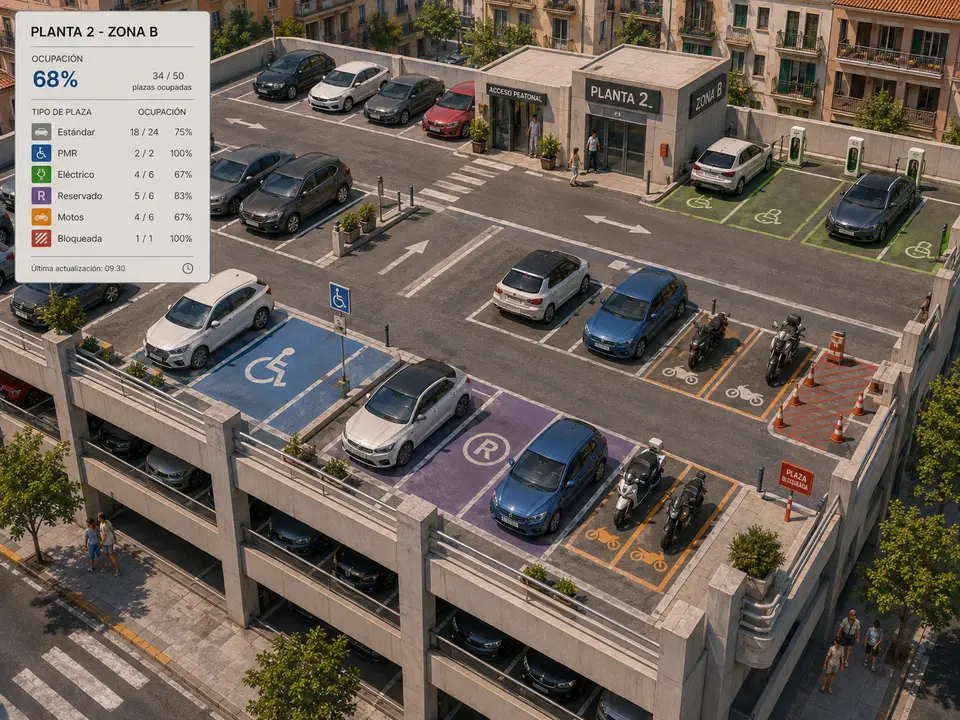
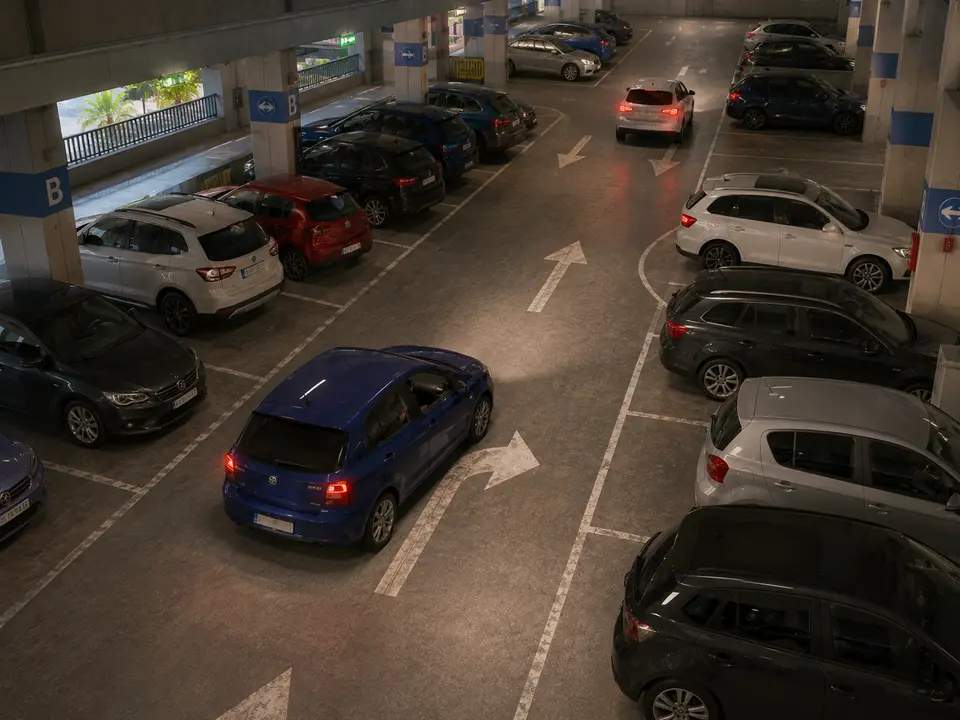
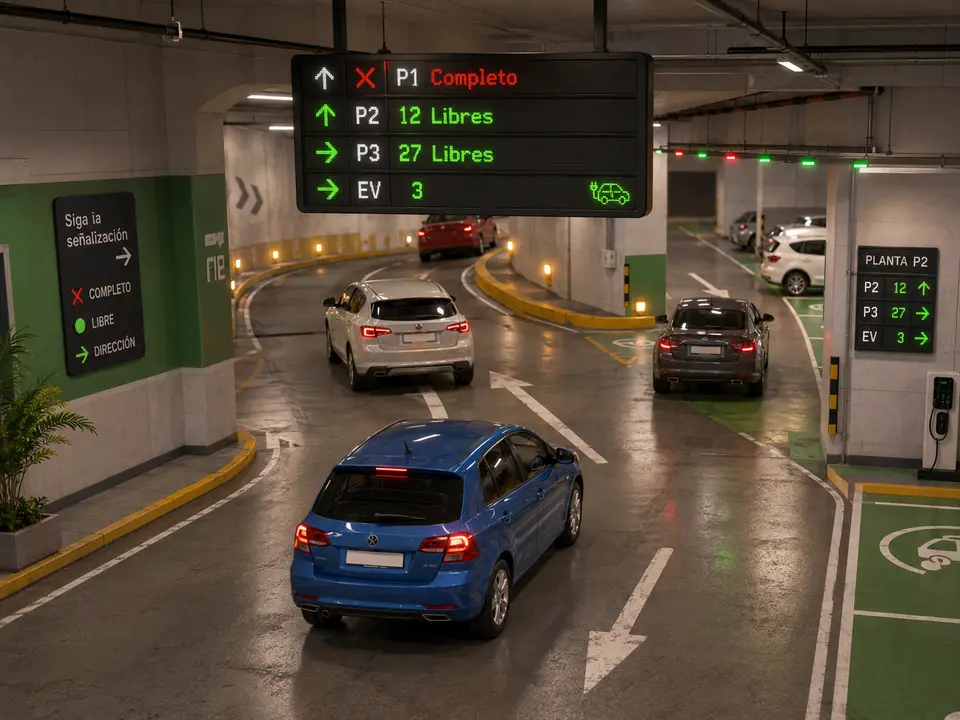
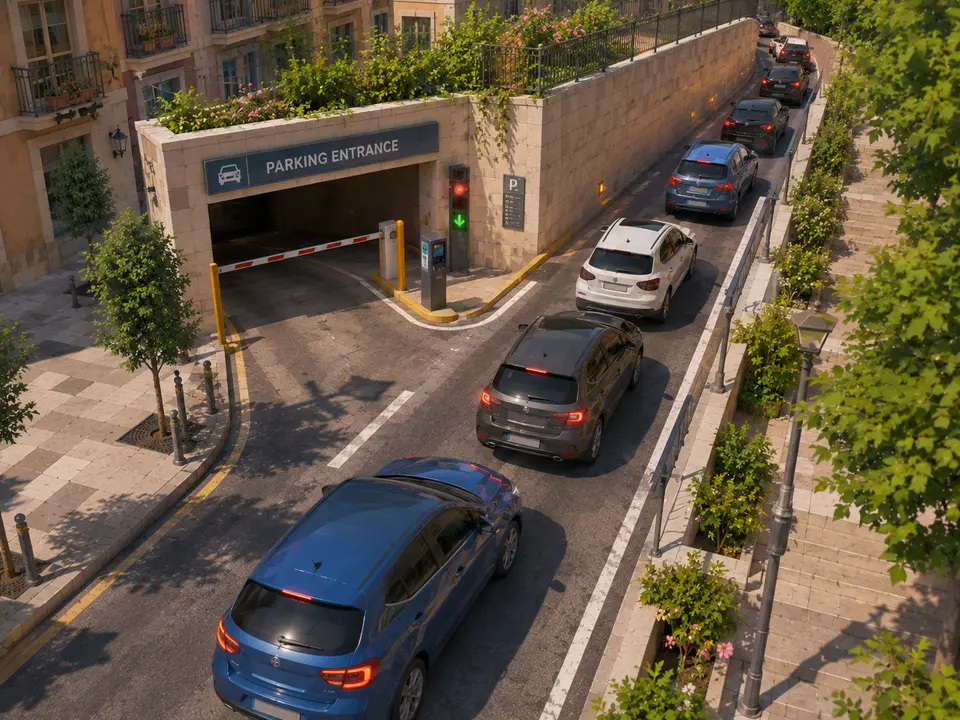
Nine raise an alert when something is happening and six alert nobody: they just count. These are not the fifteen things IRIS can do in a car park; they are the ones that fit on a screen, and each operator writes them in their own words. Open any of them and you will see the image as it is, and then with what IRIS understands on top.
See it for yourself
We won't just tell you. We'll show you.
It is a summary of the real screen: it plays by itself, step by step, and shows only the path of one case. The actual tool has far more than fits in here.
- Checks the whole system
- Flags what is failing
- Puts it on one screen
Now think about your own car park
Imagine knowing it while it is happening, and not when somebody complains at the desk.
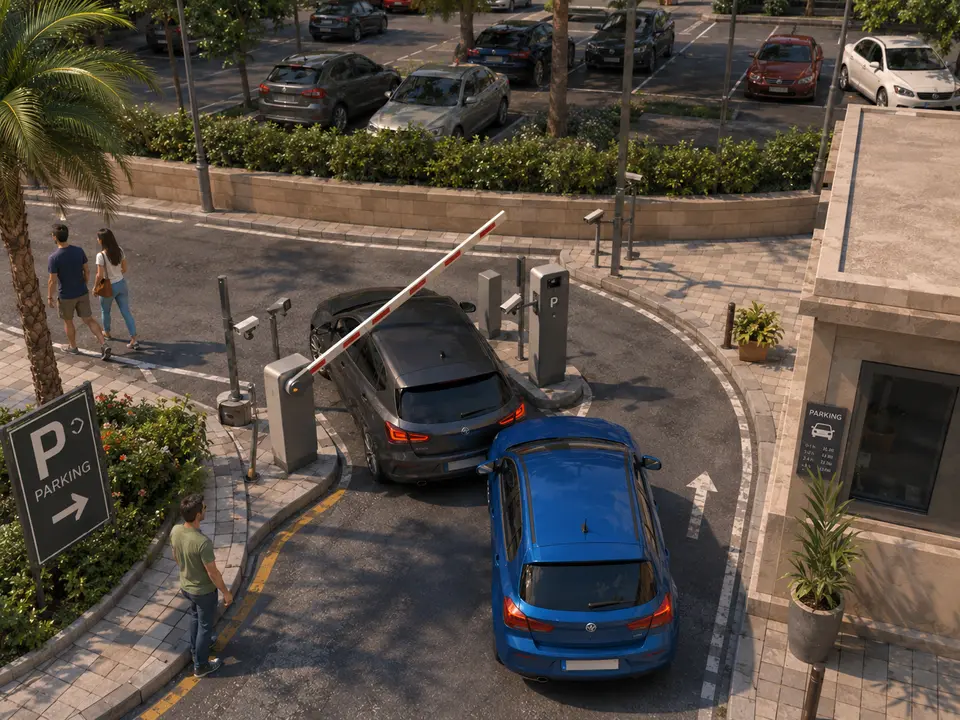
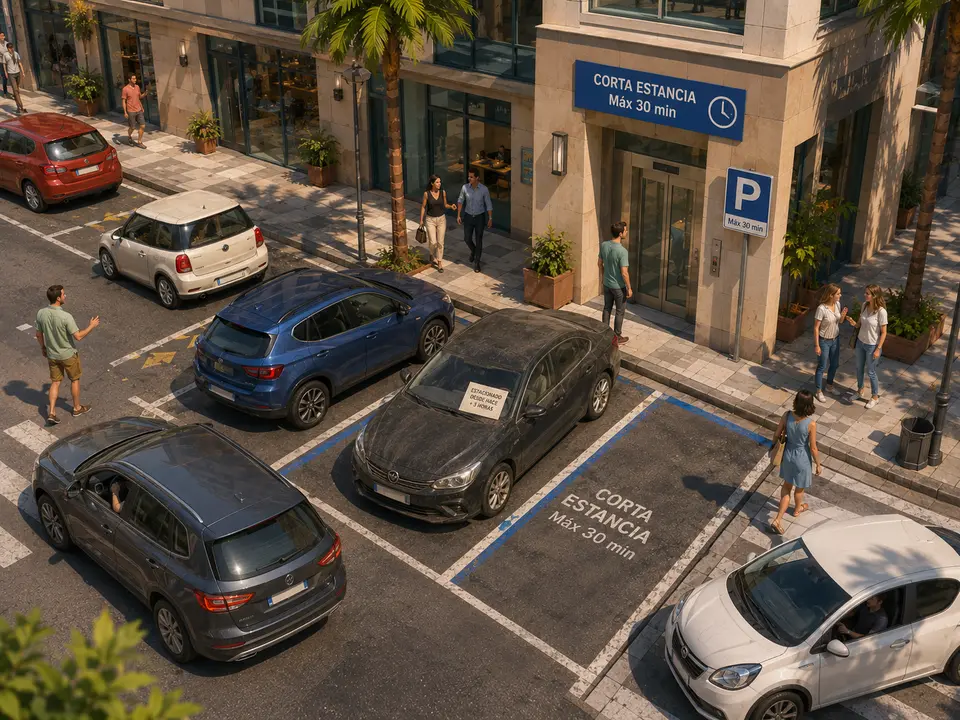
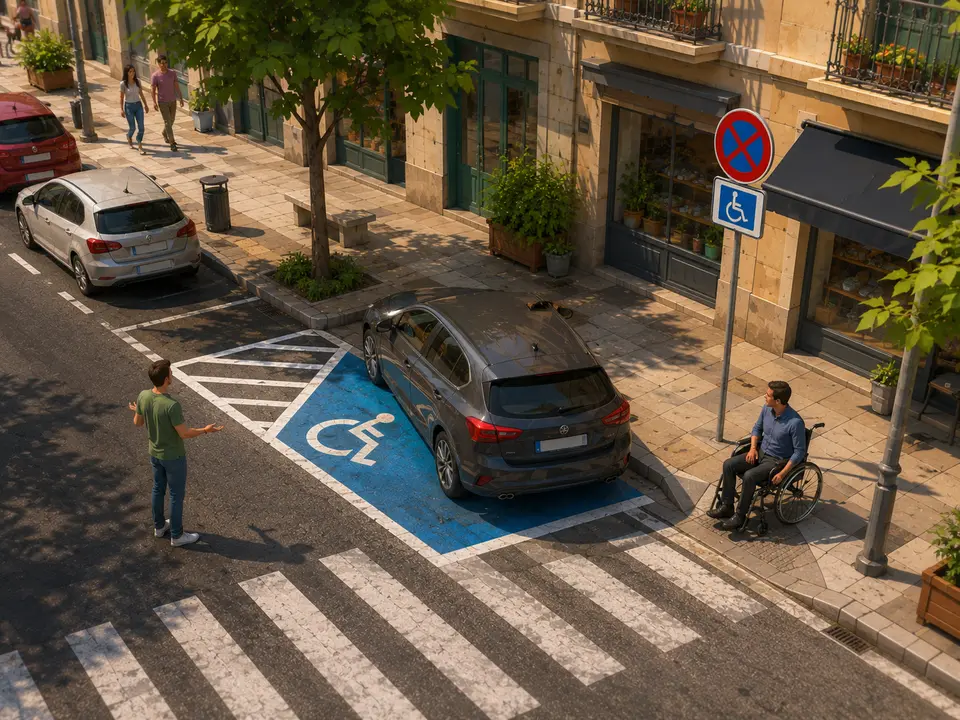
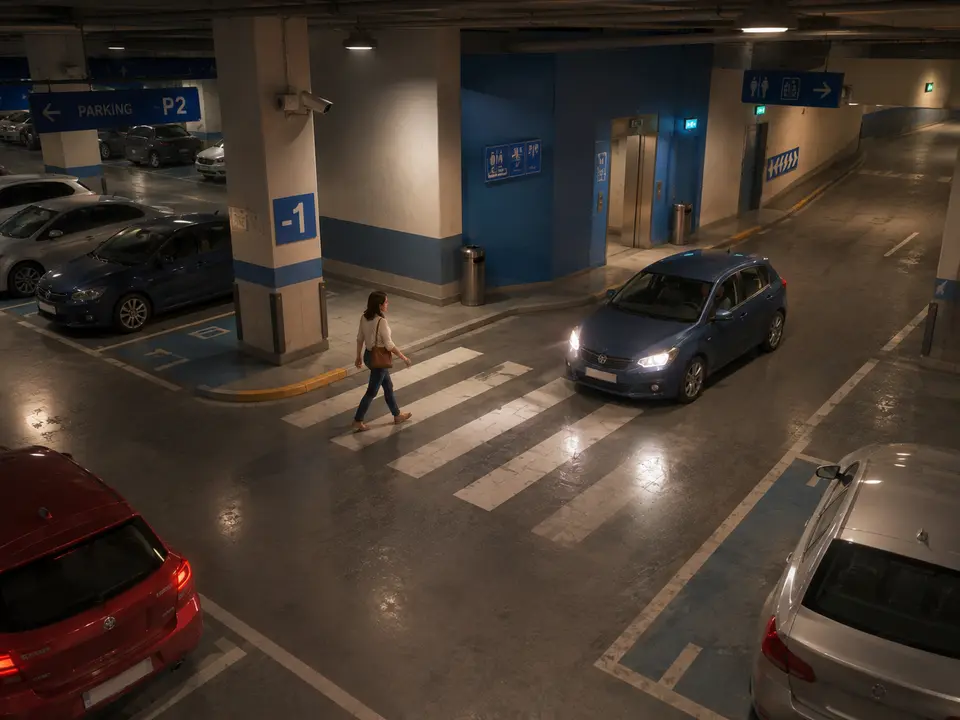
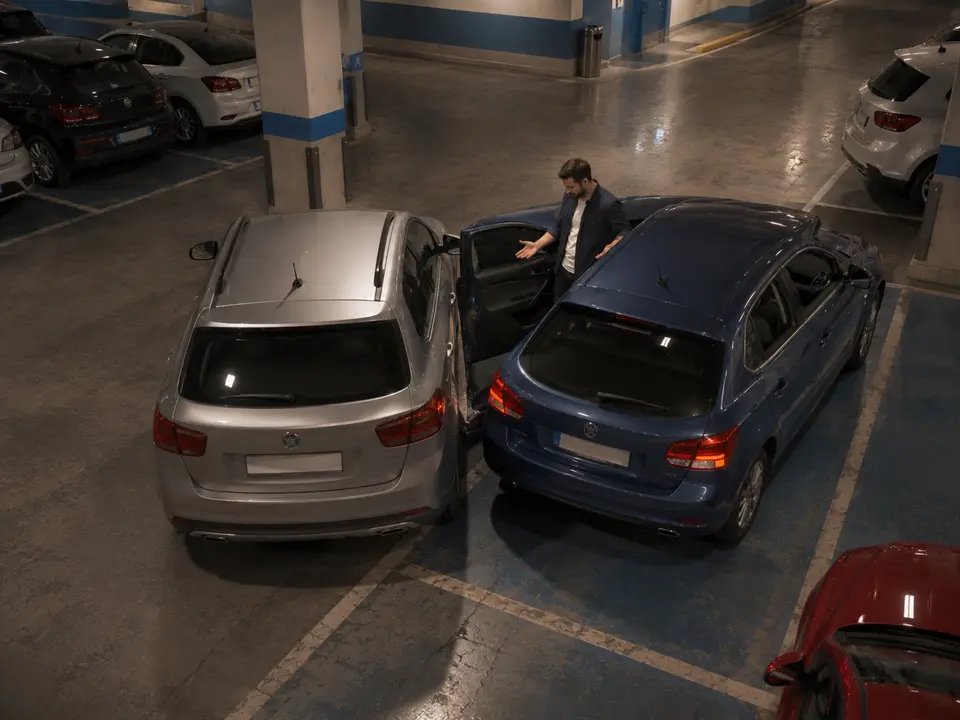
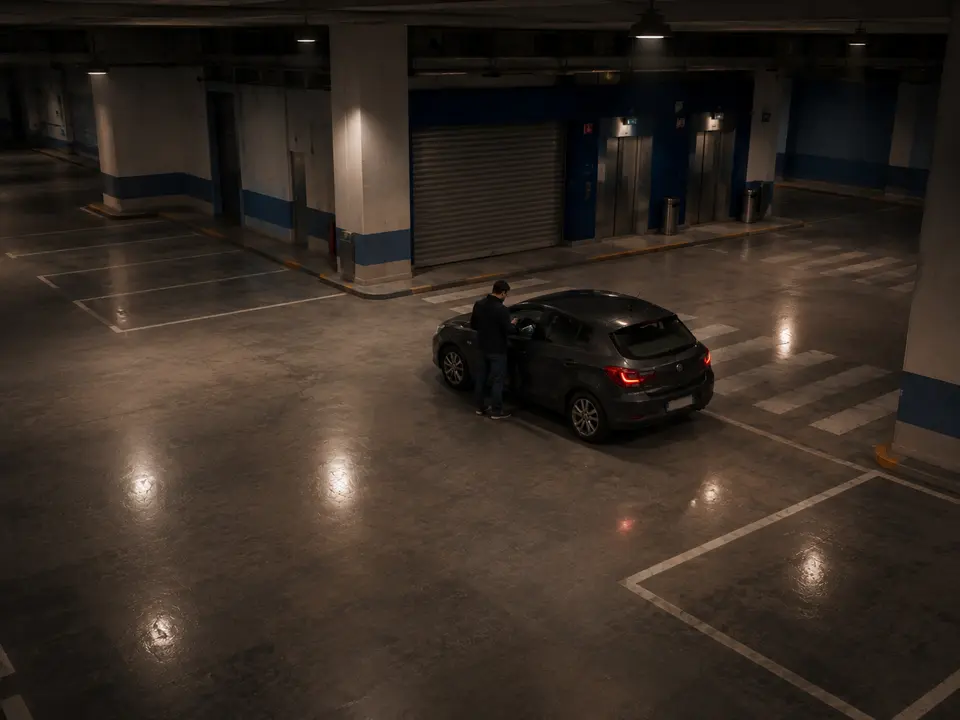
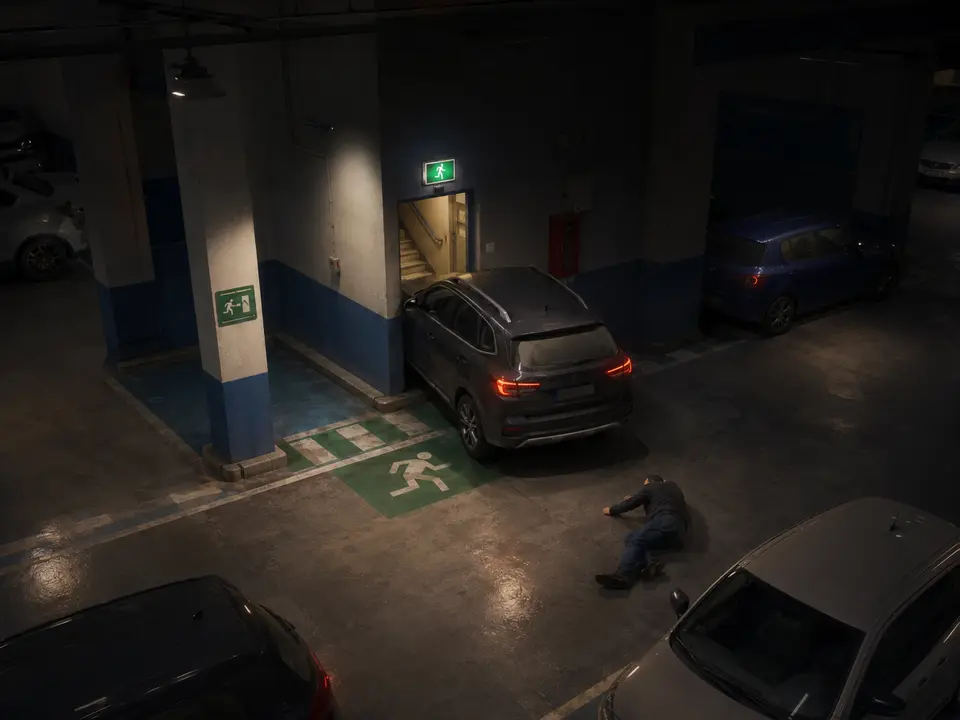
The forty free bays on level four that nobody knows are free. The car that has spent four minutes going round a full aisle. The sign at the entrance saying FULL when it is not. The six cars waiting at the barrier and the queue already spilling into the street. The exit machine where nobody is finishing. The two cars that crossed the barrier on a single opening. The one that has been three hours in a thirty-minute bay. The one that has been in the same spot for days and nobody remembers when it arrived. The car parked in the reserved bay, with somebody waiting in front of it. The one that finished charging an hour ago and is still on the charger. The one coming up the ramp the wrong way. The one that reaches the crossing just as somebody is on it. The door flung wide open against the car in the next bay. The vehicle stopped outside a bay on a level that should be empty. The smoke at the foot of a plugged-in car at three in the morning. And the emergency exit blocked by a car.
All of that is happening in front of cameras the car park already has, and today nobody knows until somebody complains or until someone sits down to review the recording. IRIS watches all those cameras at once and says it while it is happening, to the person who can walk down there. No sensor in every bay, no digging up the tarmac, no camera replaced.
What gets asked before signing
The ten questions that come up around the car park table.
Answered in the first line, straight out. Including what does not read well on a backlit ramp, because that is something to know before, not after.
Do I need a sensor in every bay to know how many spaces are free?
No, you do not need a sensor in every bay. The figure comes from looking at the bays with the cameras the car park already has: you draw on the image which patch of floor each bay is, and IRIS looks at whether there is a car on it or not. One aisle camera covers dozens of bays at once, and it also tells the type apart: reserved, accessible, motorcycle or charging. No digging up the asphalt, no cabling floor by floor, and nothing that already works has to be moved.
Does it work with the cameras I already have, with the light there is down there?
It does work with the cameras you already have, and it is worth saying where it falls short. The mouth of a backlit ramp burns out the image at midday. A floor with the bare minimum of lighting leaves aisles where a plate cannot be read. A corner dome fitted to watch the door will not tell the far bays apart. During the project we check camera by camera what can genuinely be detected in that frame, and we tell you plainly which ones fall short, which would only need tilting a few degrees, and which are best left for plain watching. Replacing a camera is the exception, not the starting point.
Is the figure on the entrance sign reliable? And when the car park is full?
The number on the sign is reliable because it does not come from subtracting entries and exits: it comes from looking at the bays. Counting cars at the barrier piles up the whole day’s error, which is why by mid-afternoon the sign says «full» with forty free bays on level four. Here every bay is checked one by one, and the number corrects itself. Now the awkward part: if a column hides half a bay, or an aisle has no light, that particular bay reads worse. That shows up during commissioning, bay by bay, and you decide which camera moves and which area stays out of the count.
Does it read number plates? And is that not personal data?
Yes, IRIS reads number plates, and yes, a plate is personal data. We say it plainly because that is what the law says and because it is worth knowing before signing. That is why reading is your decision, camera by camera: you can switch it on at the barrier for season tickets and leave it off in the aisles. And you configure what is kept, for how long and who can look it up. What IRIS does not do is tell you whose car that is: it queries no vehicle register and no database of people. Matching a plate to an owner is a matter for your season-ticket system and your organisation, not for us.
Does IRIS identify people or drivers?
No, IRIS does not identify people or drivers. It does not recognise faces, does not compare them against any database and does not store who anyone is. What it sees is «a person crossing the walkway», «a car going up the ramp», where it is and since when. In the blocked fire-exit alert, what arrives is that there is someone on the floor and a car in front of the door: never who that person is. And counting is aggregated and anonymous: it says how many cars and how many people went through an area and at what time, never who they were. A counted person is a one, and nothing else remains of them.
How many alerts are we going to get in a day?
You will get the alerts your rule asks for, and tuning that rule is the work of the first few weeks. A system that fires two hundred alerts a day gets ignored within four, and in a car park that happens fast because there is movement all the time. That is why a rule is never «alert if a car is stopped». It is «alert if a car has been stopped outside a bay on level four for more than a few minutes, during opening hours». You bound the area on the image, the hours, how long it has to last and who receives it. Then you review a week of alerts with your team and adjust. An alert nobody attends to is a badly configured alert, and that gets fixed.
Does the video leave the car park or stay inside?
The video leaves the car park or stays inside depending on the mode you choose, and there are two modes. In local mode it does not leave: the server sits in your own building, the video comes in over your network, it is analysed there and the system does not need internet to work. That is the usual choice in an underground car park, where coverage is poor anyway. In the other one it is processed in our data centre — which is our own cloud, not a third party’s — and then it does leave, encrypted and under the terms set in the contract. With several car parks it is worth deciding early, because one server per building is not the same as bringing everything to a single place.
Does it replace the barriers, the ticketing system or the fire protection system?
No, it does not replace the barriers, the ticketing system or the fire protection system: it lives alongside all three. IRIS opens and closes nothing, takes no payment, validates no season ticket and cuts no charger’s power. What it does is see what is happening and alert whoever can go down there. And here is the important part, said plainly: when it sees smoke or flame at the foot of a plugged-in car, it raises an alert, but it is not a type-approved fire detector and it does not replace the detection and suppression system the regulations require. It is an extra pair of eyes, before the ceiling detector goes off. Never instead of it.
What does IRIS NOT know about a car park?
IRIS does not know plenty of things about a car park, and they are better said early than late. It does not know whether someone has paid: that lives in your ticketing system, not in the image. It does not know whose car that is. It does not know whether the person parked in the reserved bay is entitled to be there — it only sees that a car is there and that no authorisation is on record. It does not know what is inside a closed vehicle. And it sees nothing that is not in a frame: if there is no camera on that corner, there is no data there. What it does know is what happens in front of the cameras you already have, and today nobody knows that until somebody complains.
How much does it cost to put IRIS on a car park’s cameras?
The cost is worked out from how many cameras are analysed, what is detected or measured on each, how many car parks are included, which deployment mode you choose and whether the hardware is yours or ours. We do not publish a single price list because it would not be honest: measuring the bays on one level does not cost the same as covering six levels, two ramps and the barrier. What you can do is start small: one level, two or three rules and free-bay counting, and look at the alerts and the figures with your team before deciding anything more. Tell us how many bays and how many cameras you have and we will give you a figure. The number is +34 93 566 70 22.
See it somewhere else

Who sees the sales that never reach the till?
10 cases: 4 raise an alert when something happens and 6 only measure. You see each image as it is, and then with what IRIS understands on top.

Who is watching when the load swings over somebody?
11 cases: 9 raise an alert when something happens and 2 only measure. You see each image as it is, and then with what IRIS understands on top.


And the best part
What happens outside the framedoes not exist for IRIS. No camera sees the whole world.
So the first thing we do is check what each camera covers and write it down: from here you can understand this, and not that. A dull hour that saves a lot of misunderstandings.
Tell us your problem and we will say whether IRIS understands it, or not yet.
We reply the same working day.