CAM-356
Coal has overflowed the hopper and there are embers in the pile
Early afternoon in the fuel yard. The conveyor is discharging into the hopper and the hopper can no longer take it: coal has overflowed and formed a pile on the ground in front of the structure. In the middle of the pile there is a glowing orange spot and a column of white smoke rising straight up. Nobody is nearby. Behind it, the main coal stock is untouched.

Turn on IRIS Vision
AI-generated image
What IRIS is
IRIS watches the plant for you.
IRIS looks at the cameras you already have on the plant floor and understands what it sees: a stopped line, someone inside a robotic cell, someone without their safety gear on, jammed parts. When something like that happens, it alerts right away; and whatever can be counted, it counts in numbers. All day long, with no one needing to watch the screen.
You tell it what you need to watch, and IRIS does it.
Here, for example, IRIS spots the glowing embers and smoke the moment they appear, even when nobody is nearby to see it. It sends an alert straight away with the camera image and the exact time. With that warning you decide whether to stop the belt and send someone with a shovel before the embers set the rest of the coal alight.
Works with the cameras you already have. Nothing to replace.
A person replies, not a form.
- Your footage never leaves your premises.
- It doesn't identify people.
- Certifications →
What IRIS understands
What it recognises in this scene
- glowing embers in the pile
- smoke column above the coal
- coal spilled onto the ground
- hopper overflowing
- conveyor still discharging
What this camera measures
An alert says something is happening. The reading says how much.
- 12 mintime with smoke over the pile
- 1visible glowing spots
- 6 mwidth of the spill measured against the hopper
- 0people in the area
- 13:42time of the first smoke
The figures on this screen are an example from the illustration, not any client's measurement.
The rule
You decide once. IRIS applies it always.
If
material overflows the hopper or the conveyor, or smoke or a glowing spot appears on the pile
Then
- opens a critical alert with the camera, the time and the video from the first smoke
- notifies the shift manager and the fire crew at the same time
- stores the clip with the exact minute for the report and the conveyor inspection
The instruction that set it up«Tell me if coal is overflowing the hopper or the conveyor, and alert me the moment you see smoke or a glowing spot in the pile.»
What changes
What changes for whoever answers for the plant
The plant manager sees the blockage when it starts, not when the pile reaches the roadway. They get the camera, the time of the first smoke and the video, and they can stop the feed and send the loader before the ember catches the rest. A spill cleared in an hour costs what it costs; the same spill burning at four in the morning is another matter entirely. The footage also feeds the report and the conveyor inspection.
What people usually ask
Does IRIS detect fire sooner than a temperature sensor?
It depends on where the fire is. On an open pile the camera sees the smoke and the ember as soon as they appear, and that is usually before the heat reaches a sensor placed a few metres away. Inside a closed piece of equipment, no: there the detector rules. IRIS works alongside the fire system, never instead of it.
Does a very dusty day set off alerts that are not real?
It should not. IRIS tells smoke apart by how it moves and how it grows, not by colour alone, and dust from a discharge behaves differently. Even so, the plant tunes the rule: which area is watched, what size counts and how many seconds it has to last. What counts as an alert is decided by the plant, not by the camera.
Can IRIS stop the conveyor?
No. IRIS alerts; it does not act on any machine. The order to stop comes from a person or from the plant control system. What the camera contributes is the image, the exact time and the video: to decide fast and to justify it afterwards.
Other cameras
- CAM-340 · Someone is walking through a compound that is always empty
- CAM-341 · The fence is down and someone is coming through the gap
- CAM-342 · Eleven minutes parked where nobody ever stops
- CAM-343 · A cabinet is being emptied of its copper
- CAM-344 · Flame and black smoke on the transformer
- CAM-345 · A trail of oil under the transformer
The real interface, step by step
This isn’t a video. It’s a slice of the real screen.
A summary of the real interface, played hands-free. You see one case from start to finish; what you do not see are the other screens, and there are many.
- The rule gets built
- It goes to every camera
- Published, it watches alone
- And then it fires
See it somewhere else
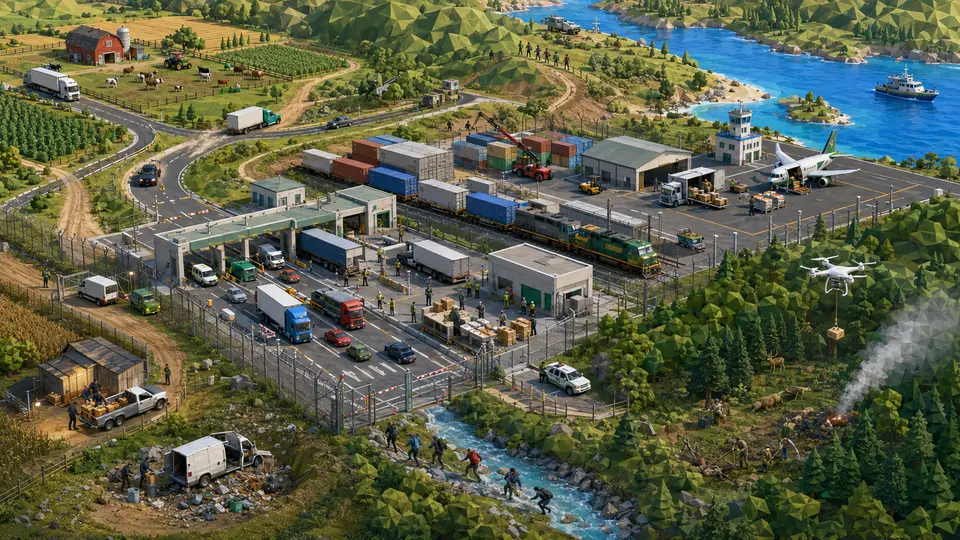
What can a camera see without pointing at anyone?
13 cases: 9 raise an alert when something happens and 4 only measure. You see each image as it is, and then with what IRIS understands on top.
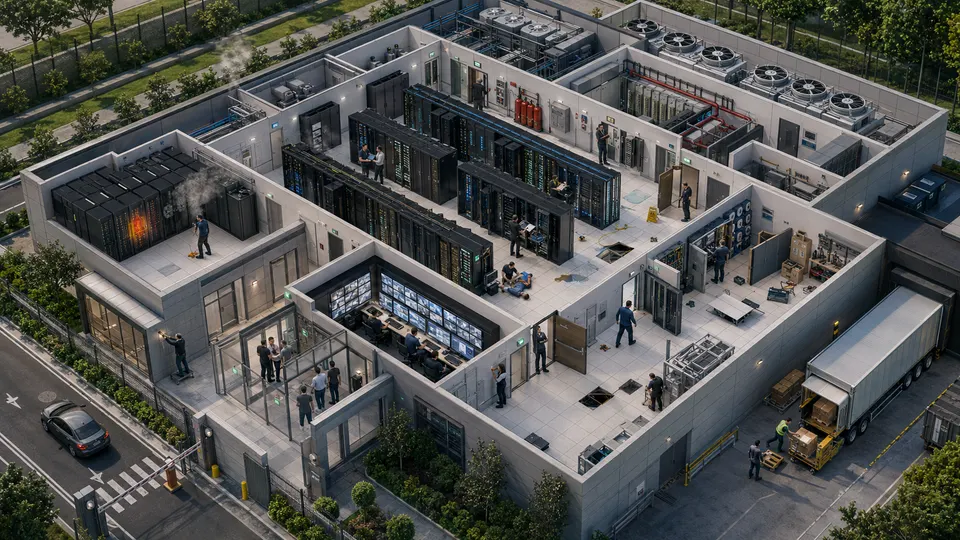
What if the outage does not start with an attack?
13 cases, and in every one of them IRIS raises an alert when something happens. You see each image as it is, and then with what it understands on top.


And the best part
Nobody was hired to stare at a screen.They were hired to know what to do.
Watching is what a machine does best; deciding is what only a person does. IRIS watches all four thousand at once and hands over only what calls for a decision.
Tell us your problem and we will say whether IRIS understands it, or not yet.
We reply the same working day.