CAM-230
The last module has not gone in straight
Morning shift on pack assembly. An open battery tray sits on the fixture, with the modules laid out in rows. The last one, at the near end, is crooked: it breaks the line of the others and rides up on the tray rail. Four people in hi-vis vests stand around the pack; one points at the module with an open hand, another holds the edge. IRIS compares every module with the grid of the tray and sees the one that sticks out.

Turn on IRIS Vision
AI-generated image
What IRIS is
IRIS watches the plant for you.
IRIS looks at the cameras you already have on the plant floor and understands what it sees: a stopped line, someone inside a robotic cell, someone without their safety gear on, jammed parts. When something like that happens, it alerts right away; and whatever can be counted, it counts in numbers. All day long, with no one needing to watch the screen.
You tell it what you need to watch, and IRIS does it.
Here, for example, IRIS compares every battery module with the tray's grid and spots the one out of line right away. That way you know before the lid won't close or the pack is already fitted in the car. With that alert you decide whether to stop that unit on the spot, and if the same station keeps slipping up, it shows in the shift summary.
Works with the cameras you already have. Nothing to replace.
A person replies, not a form.
- Your footage never leaves your premises.
- It doesn't identify people.
- Certifications →
What IRIS understands
What it recognises in this scene
- module out of line in the tray
- pack tray on the fixture
- modules seated in the grid
- operator pointing at the module
- colleague checking the other end
What this camera measures
An alert says something is happening. The reading says how much.
- 9Modules visible in the tray
- 1Modules out of the grid
- 4People in shot
- 2 min 10 sTime with the module out of place
- 09:24Time of the alert
The figures on this screen are an example from the illustration, not any client's measurement.
The rule
You decide once. IRIS applies it always.
If
a module ends up out of line in its tray before the pack is closed
Then
- alert the assembly station with the camera and the exact time
- save the image of the module and of the whole tray
- file the alert with its time next to the order for that pack
The instruction that set it up«Tell me when a module ends up out of line in the tray, before the pack is closed, and show me the picture.»
What changes
What changes for whoever answers for the plant
A crooked module is almost never caught at the station: it shows up when the lid will not close, or when the pack is already in the vehicle. The line manager hears about it late and without pictures. With the camera he has the tray, the position of the module, the exact time and the video of the moment it was placed. He can hold that pack before the lid goes on. And if the same station keeps drifting, it shows up in the shift count instead of in a customer claim.
What people usually ask
Does IRIS know whether the module is damaged inside?
No. A camera sees position and outside appearance: a crooked module, a knocked casing, a tray that does not belong. What happens inside the cell is what the battery management system and the test bench are for. What IRIS adds is the picture of the moment it was placed and the exact time, so whoever checks knows where to look instead of opening twenty packs.
What is the difference from the end-of-line quality check?
The moment. At the end of the line the pack is already closed and you have to open it to reach the module. IRIS looks while the tray is still open, which is when it takes a minute to fix and nothing has to come apart. It does not replace the quality check or the system that runs production: it works alongside them and adds what they lack, the image and the exact minute.
Does the camera identify who placed the module?
No. IRIS does not identify anybody and does not recognise faces. It detects situations: “there is a module out of line in this tray”, not “so-and-so put it there”. The video shows the station, the tray and the time. Who was there at that moment is something the plant knows from its own shift record, not from the camera.
Other cameras
See it for yourself
We won't just tell you. We'll show you.
It is a summary of the real screen: it plays by itself, step by step, and shows only the path of one case. The actual tool has far more than fits in here.
- You ask
- IRIS searches
- It shows you
See it somewhere else
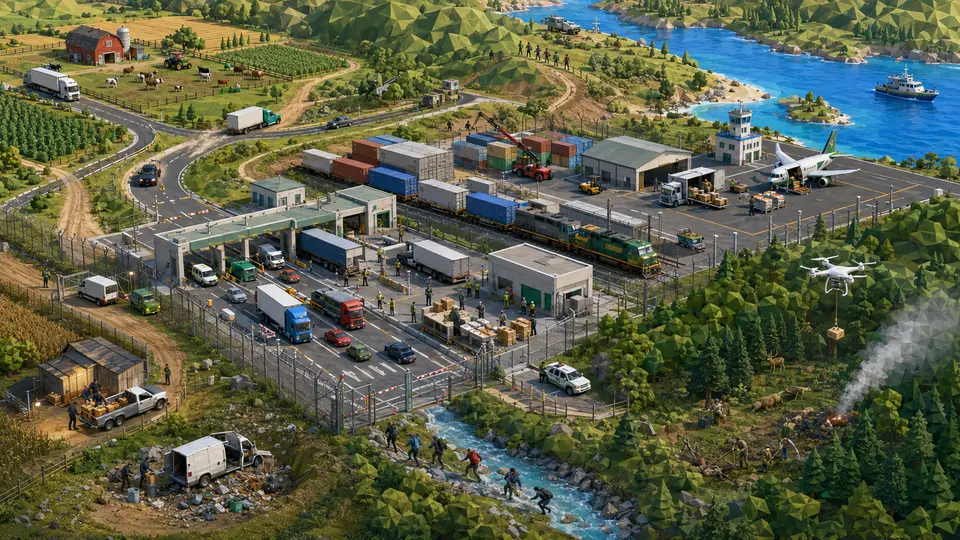
What can a camera see without pointing at anyone?
13 cases: 9 raise an alert when something happens and 4 only measure. You see each image as it is, and then with what IRIS understands on top.
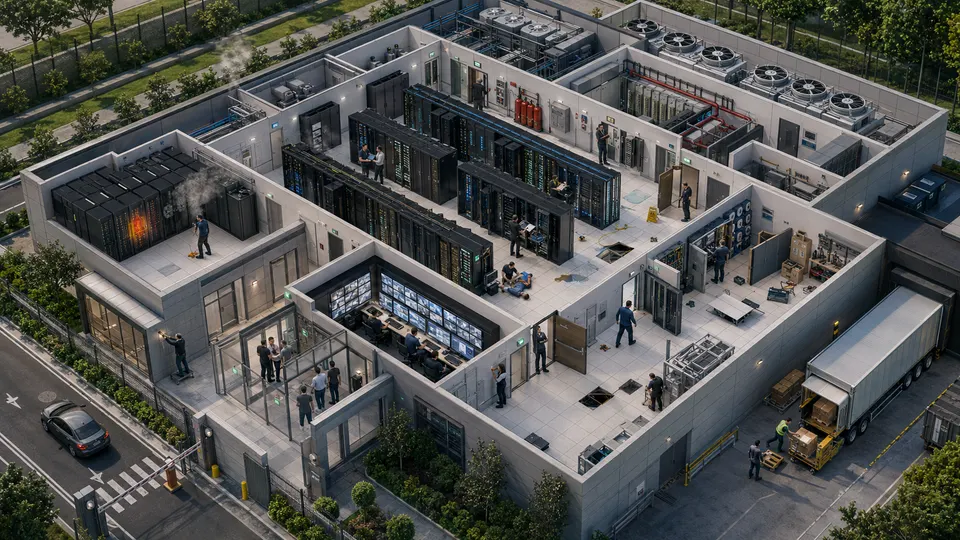
What if the outage does not start with an attack?
13 cases, and in every one of them IRIS raises an alert when something happens. You see each image as it is, and then with what it understands on top.


And the best part
Behind one camera you can put a person.Behind four thousand you cannot put anyone.
Adding a camera costs little; adding another pair of eyes does not. So the cameras keep growing and the attention does not. IRIS watches all four thousand at once and flags what matters today.
Tell us your problem and we will say whether IRIS understands it, or not yet.
We reply the same working day.