CAM-370
A glowing breach in the furnace shell
Small hours in the arc furnace hall. The shell has opened at one point: a glowing breach in the steel wall, with metal dripping out and running down the plate. Six people watch it from the floor. A slag pot waits on its car to the right. The thermal camera reads the heat of the surface it can see, the shell from the outside, and that patch had been growing for days in the very same frame.

Turn on IRIS Vision
AI-generated image
What IRIS is
IRIS watches the plant for you.
IRIS looks at the cameras you already have on the plant floor and understands what it sees: a stopped line, someone inside a robotic cell, someone without their safety gear on, jammed parts. When something like that happens, it alerts right away; and whatever can be counted, it counts in numbers. All day long, with no one needing to watch the screen.
You tell it what you need to watch, and IRIS does it.
Here, for example, IRIS keeps watching the very same spot on the furnace wall with a thermal camera and sees if one patch gets hotter than the rest, day after day. That way you find out something is weakening before it breaks open. And if it does break open, the alert reaches you right then, with the time and the video.
Works with the cameras you already have. Nothing to replace.
A person replies, not a form.
- Your footage never leaves your premises.
- It doesn't identify people.
- Certifications →
What IRIS understands
What it recognises in this scene
- open breach in the shell
- metal dripping down the plate
- arc furnace shell
- workers on the floor below the furnace
- slag pot waiting on its car
What this camera measures
An alert says something is happening. The reading says how much.
- 3 min 40 sTime since it opened
- 9Days in a row with the patch in the same place
- 11Alerts from the same spot this week
- 6People in shot
- 04:18Time of the alert
The figures on this screen are an example from the illustration, not any client's measurement.
The rule
You decide once. IRIS applies it always.
If
a hot spot appears on the furnace shell or the patch grows compared with previous days
Then
- alert the control room with the camera, the time and the exact place on the shell
- save the video and the thermal image of the moment it appeared
- attach the same frame from previous days so the growth can be seen
The instruction that set it up«Tell me if a hot spot shows up on the furnace shell, or if the usual patch has grown compared with the days before.»
What changes
What changes for whoever answers for the plant
The furnace supervisor learns about refractory wear on the inspection round between heats, when somebody walks up and looks. With a fixed camera always pointing at the same place, the spot that runs hotter than the rest of the shell can be watched growing day after day, long before it opens. And when it does open, the alert arrives while it is happening, with the time, the frame and the video.
What people usually ask
Can a camera measure the temperature inside the furnace?
No. A thermal camera reads the heat of the surface it can see, and here that is the steel shell from the outside. What happens inside the furnace, behind the plate and the refractory lining, nobody sees from outside: the process probes give you that. The camera adds something else: the whole outer wall, watched without a break and always from the same place.
How does it detect refractory wear if it cannot see the refractory?
From the outside, over time. When the lining inside gets thinner, the plate at that spot runs hotter than the rest of the wall, and that is visible from the yard. Because the camera is fixed and the frame is the same every day, the comparison is clean: today’s patch next to yesterday’s and last week’s. What is detected is the change, not a number.
Does IRIS stop the furnace when it sees the hot spot?
No. IRIS alerts, it does not act: it does not stop a furnace, it does not cut a heat and it does not send anybody anywhere. A person decides that, and that person gets the camera, the time, the place on the shell and the video. It does not write the rule either: which patch deserves an alert, and from what point, is decided by the steelworks, not by the system.
Other cameras
- CAM-360 · The slab has stopped on the mill, with the beacons on red
- CAM-361 · The ladle stream has missed and molten metal is running across the floor
- CAM-362 · Snow and closed drums in the basket, still hanging over the furnace
- CAM-363 · The basket has been loaded from four different bays
- CAM-364 · Somebody is walking the aisle while the full ladle is moving
- CAM-365 · A coil is passing right over a worker
See it for yourself
No extra alarms here. Just what needs looking at.
Not a recorded video, not an explanatory drawing: a summary of the real screen, with a different case every time it starts. There is a lot more behind it.
- The alert fires
- It lands in the tray
- You open it
- You confirm or dismiss
See it somewhere else
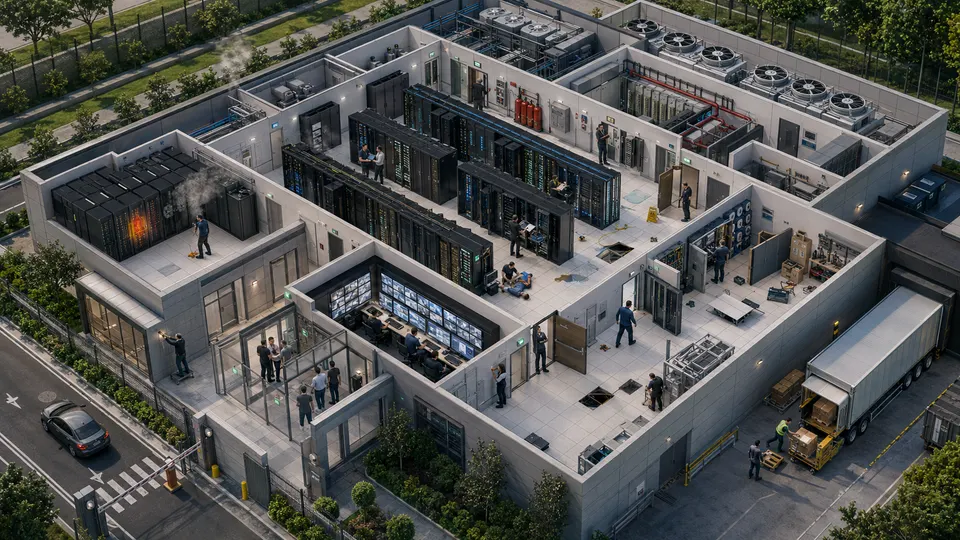
What if the outage does not start with an attack?
13 cases, and in every one of them IRIS raises an alert when something happens. You see each image as it is, and then with what it understands on top.
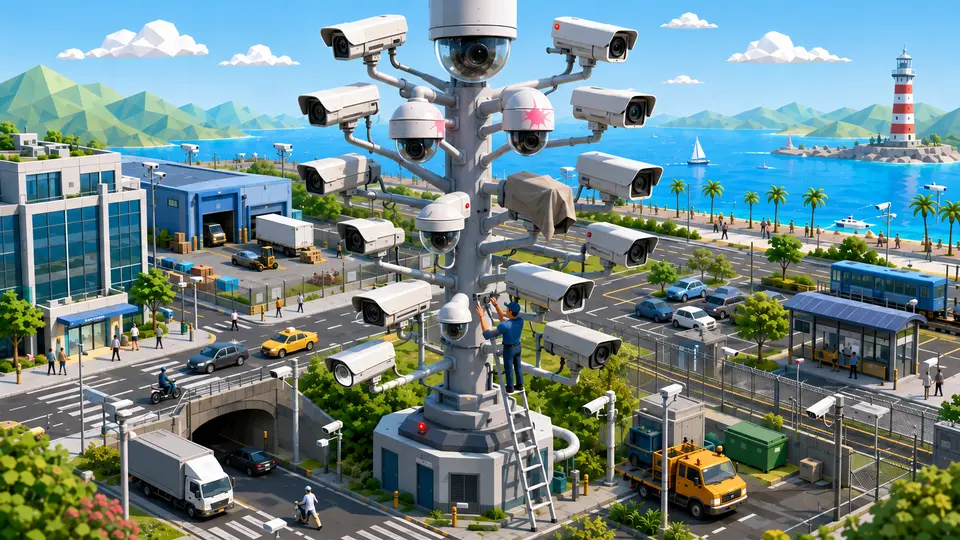
And who watches the cameras?
34 cases, and in every one of them IRIS raises an alert when something happens. You see each image as it is, and then with what it understands on top.


And the best part
Ten cameras or four thousand:not one of them goes unwatched.
The day IRIS starts, they all start: the ten in a school or the four thousand in a whole network. And it only raises its hand when the thing you asked for happens.
Tell us your problem and we will say whether IRIS understands it, or not yet.
We reply the same working day.