CAM-279
A cage of high-value goods leaves the aisle for a restricted area
Afternoon shift in the warehouse. An operator in a yellow hi-vis vest is pulling a wheeled cage on his own, a wooden pallet with four white boxes on top, and heading for the corridor at the back, the one behind the blue partition that is not part of the picking route. At the end of that corridor there is a closed door. Three other people are working in the hall, none of them with the load. IRIS sees the cage cross the yellow line and where it goes next.

Turn on IRIS Vision
AI-generated image
What IRIS is
IRIS watches the plant for you.
IRIS looks at the cameras you already have on the plant floor and understands what it sees: a stopped line, someone inside a robotic cell, someone without their safety gear on, jammed parts. When something like that happens, it alerts right away; and whatever can be counted, it counts in numbers. All day long, with no one needing to watch the screen.
You tell it what you need to watch, and IRIS does it.
Here, for example, IRIS catches the exact moment a marked load crosses the yellow line and leaves its route. That gives you the time and the corridor it went down, with the video of the whole move. With that you decide whether there's a normal explanation or it needs a closer look, and next time you can check it in a minute.
Works with the cameras you already have. Nothing to replace.
A person replies, not a form.
- Your footage never leaves your premises.
- It doesn't identify people.
- Certifications →
What IRIS understands
What it recognises in this scene
- cage of high-value boxes off its route
- operator pulling the cage on his own
- aisle into the restricted area
- closed door at the end of the aisle
- striped post marking the zone boundary
What this camera measures
An alert says something is happening. The reading says how much.
- 4Boxes on the cage
- 18:47Time it crossed the line
- 2 min 10 sTime inside the aisle
- 0People escorting the load
- 4People in shot
The figures on this screen are an example from the illustration, not any client's measurement.
The rule
You decide once. IRIS applies it always.
If
a load from the high-value area crosses into the restricted aisle off the authorised route
Then
- alert the warehouse manager with the camera and the time of the crossing
- save the video of the run from the moment the load left its zone
- open a report with the picture of the load and the point where it crossed
The instruction that set it up«Alert me if a cage from the high-value area goes into the restricted aisle, and save me the whole run.»
What changes
What changes for whoever answers for the plant
Weeks later, in a stock count that does not add up, and by then there is no video left to look at: that is how an internal diversion comes to light today. With the camera, the warehouse manager knows what time a flagged load left its route and where it went, with the video of the trip. Most of the time there will be an ordinary explanation — a rush order, a free space behind the partition — and the matter is closed in a minute. The ones without an explanation stop getting lost along the way.
What people usually ask
Does IRIS say this is a theft?
No, and it should not. IRIS sees a fact: a flagged load has left its route and gone into an area it does not belong in. Most of the time there will be an ordinary reason. Whoever watches the video decides what happened. The camera contributes the time, the picture and the route, never a conclusion.
Does it identify the operator moving it?
No. IRIS does not recognise faces and does not match them against any database. It detects situations: «a cage has crossed into the restricted aisle», not who is moving it. If the site needs to know, it cross-checks its own access and shift records, under whatever permissions it has set.
How does the camera know which load is high-value?
Because the site flags it, not the camera. You define the zone that product comes out of and the route it is supposed to take. IRIS watches that line. What counts as sensitive stock and which route is the right one is decided by whoever runs the warehouse, and it changes the day the operation changes.
Other cameras
- CAM-260 · A cage goes out through the wrong door
- CAM-261 · Two people, one turn of the gate
- CAM-262 · Hands on a trailer's rear lock
- CAM-263 · The trailer is at the wrong dock
- CAM-264 · The truck pulls away with a worker still inside
- CAM-265 · The pallet going into the truck is not the one for that route
A different case every time
Watch what happens. Then watch what IRIS does with it.
Not a recorded video and not a drawing: it is a summary of the real tool, with a different case each time round. The whole tool does not fit in a box.
- The alert fires
- It lands in the tray
- You open it
- You confirm or dismiss
See it somewhere else
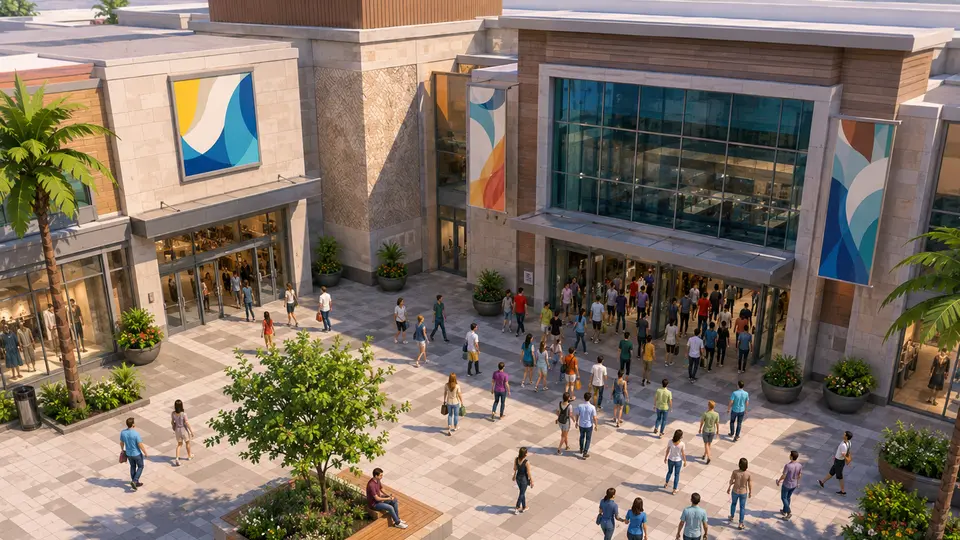
What does a shopping centre see beyond the visitor count?
12 cases: 4 raise an alert when something happens and 8 only measure. You see each image as it is, and then with what IRIS understands on top.
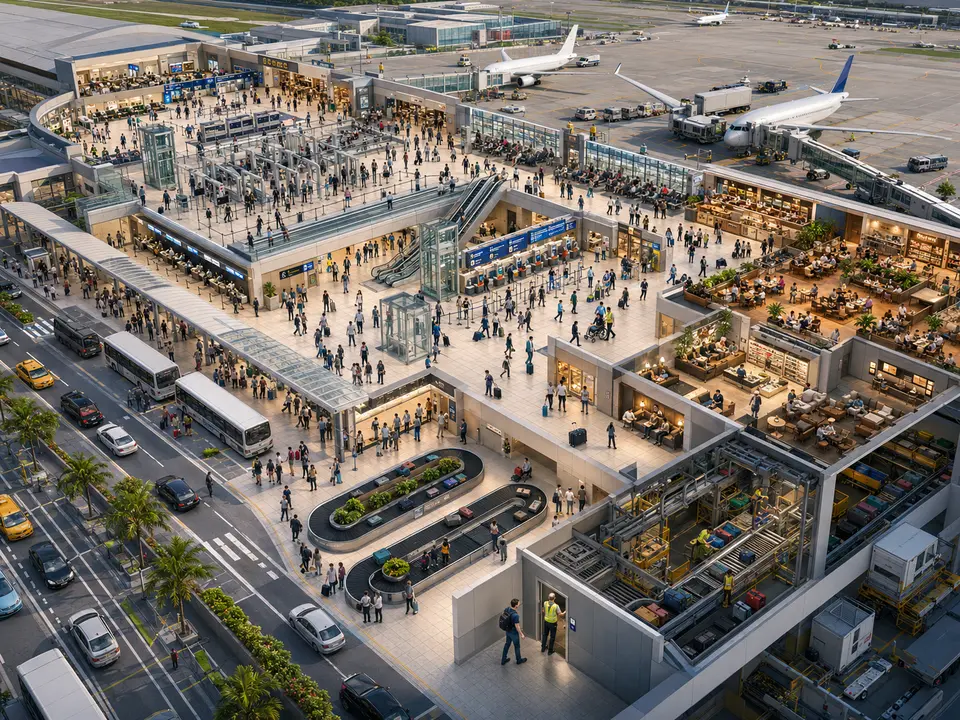
What does an airport see before the queue forms?
14 cases: 7 raise an alert when something happens and 7 only measure. You see each image as it is, and then with what IRIS understands on top.


And the best part
You cannot describe a line with a sentence.You have to draw it on the image.
Asking is for finding; counting is for measuring. That is why the number comes out the same every day, and why people counting is certified by the Centro Español de Metrología.
Tell us your problem and we will say whether IRIS understands it, or not yet.
We reply the same working day.