CAM-372
The bars have tangled on the roller table
Three in the morning at the rolling mill. The bars have stopped moving and have piled on top of each other: a tangle of twisted sections covers the roller table from side to side, the ends still red. At the far right, hot bars keep coming out. Two workers point from the floor, two more come up the aisle, and there are two people in the control pulpit.

Turn on IRIS Vision
AI-generated image
What IRIS is
IRIS watches the plant for you.
IRIS looks at the cameras you already have on the plant floor and understands what it sees: a stopped line, someone inside a robotic cell, someone without their safety gear on, jammed parts. When something like that happens, it alerts right away; and whatever can be counted, it counts in numbers. All day long, with no one needing to watch the screen.
You tell it what you need to watch, and IRIS does it.
Here, for example, IRIS marks the exact spot on the table where the bars have jammed together and counts how many are stuck in the pile-up. It also keeps the video from the seconds before, so you can see what happened right when it started. With that you decide to stop the line at the right moment instead of feeding more bars into the jam.
Works with the cameras you already have. Nothing to replace.
A person replies, not a form.
- Your footage never leaves your premises.
- It doesn't identify people.
- Certifications →
What IRIS understands
What it recognises in this scene
- twisted, tangled bars
- roller table at a standstill
- hot bars at the mill exit
- control pulpit with two operators
- workers pointing at the jam
- workers coming up the aisle
What this camera measures
An alert says something is happening. The reading says how much.
- 55 sTime without moving
- 7Tangled bars counted
- 2Jams counted this shift
- 6People in shot
- 03:26Time of the jam
The figures on this screen are an example from the illustration, not any client's measurement.
The rule
You decide once. IRIS applies it always.
If
a bar stops moving along the roller table or rides up on another one
Then
- alert the control pulpit and the shift supervisor with the camera and the section
- save the video of the thirty seconds before the jam
- time the stop until the table starts moving again
The instruction that set it up«Tell me the moment a bar stops moving along the roller table or rides up on another one, and show me the video from just before.»
What changes
What changes for whoever answers for the plant
The seconds in which the line keeps pushing bars into the pile-up are the worst part of the jam: every extra bar is more product lost and more hours of clearing. At three in the morning the shift manager is in the pulpit and knows from the system that something has stopped; what he does not have is the picture of that stretch. With the camera he sees exactly where it tangled, how many bars are in there and what happened in the seconds before.
What people usually ask
Doesn’t the rolling mill system already know?
It knows something has stopped, and that is already a lot. What it does not have is the picture. IRIS does not replace that system: it works alongside it and adds the exact section where it tangled, how many bars are in the pile and the video of the seconds before. With that, the shift knows whether to send people and from which side to go in, without walking down to look first.
How does it tell a stopped bar from a slow one?
By time, and the plant writes the time. The rule says how many seconds without moving count as a jam on that section, and that number is set by whoever knows the line, not by the system. On a slow section it will be several seconds; at the mill exit, far fewer. IRIS measures movement on the table and applies the threshold it has been given.
Can IRIS stop the line before more product goes in?
No. IRIS alerts, it does not act: it does not stop a line, it does not move a table and it does not send anybody anywhere. What it does is get the alert out while it is happening, to the pulpit and the shift supervisor at the same time, with the section and the video. Stopping the line is the plant’s decision and a person takes it.
Other cameras
- CAM-360 · The slab has stopped on the mill, with the beacons on red
- CAM-361 · The ladle stream has missed and molten metal is running across the floor
- CAM-362 · Snow and closed drums in the basket, still hanging over the furnace
- CAM-363 · The basket has been loaded from four different bays
- CAM-364 · Somebody is walking the aisle while the full ladle is moving
- CAM-365 · A coil is passing right over a worker
The real interface, step by step
Everything comes in. Only what matters gets through.
This sums up what IRIS does with one alert, from the moment it appears until it is closed. The real screen holds far more; this is the main thread.
- Cameras on the map
- You draw an area
- What passed shows up
See it somewhere else
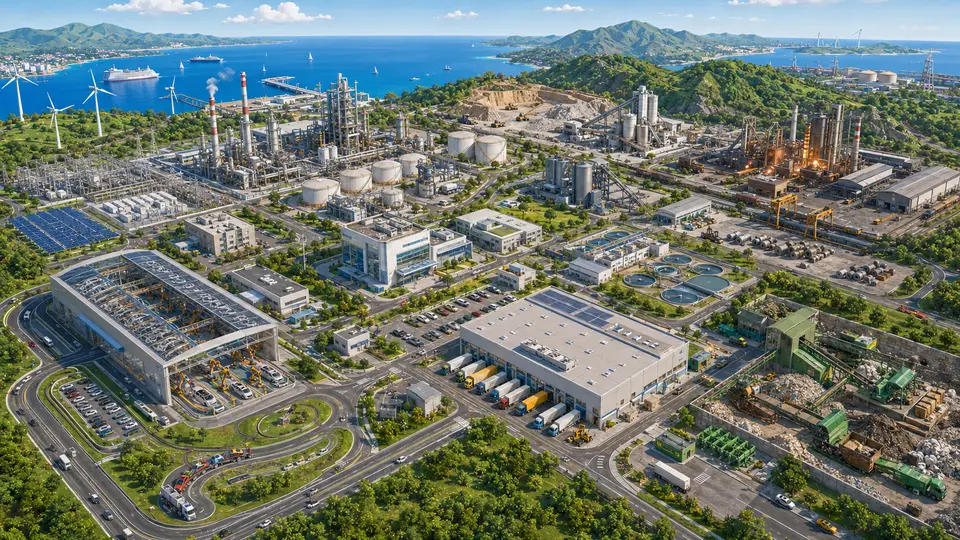
Why did the line stop?
237 cases, and in every one of them IRIS raises an alert when something happens. You see each image as it is, and then with what it understands on top.
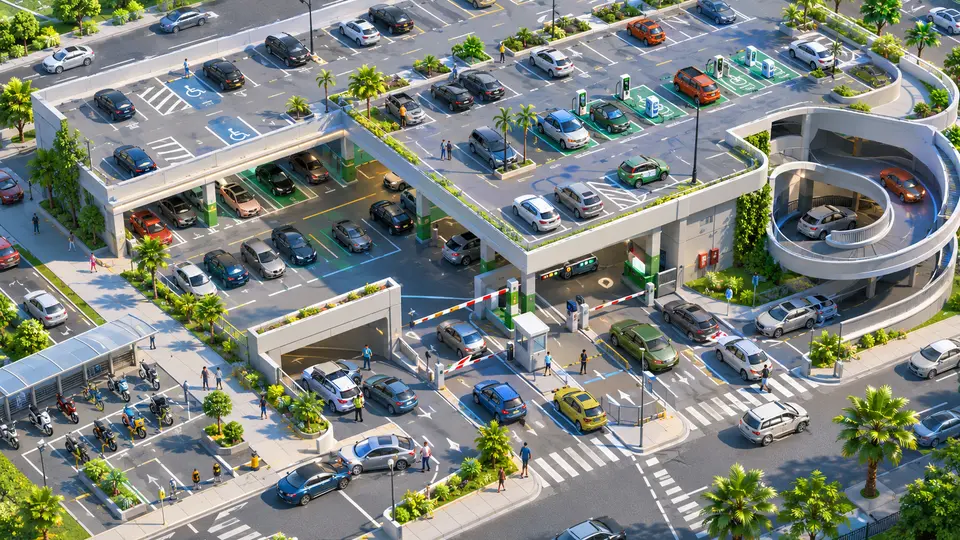
How many bays are free right now?
15 cases: 9 raise an alert when something happens and 6 only measure. You see each image as it is, and then with what IRIS understands on top.


And the best part
You can add more cameras;you cannot add more hours to anyone’s day.
Cameras can be multiplied; a person’s hours cannot. IRIS looks at everything coming in and leaves them the one thing no machine does better: deciding what to do.
Tell us your problem and we will say whether IRIS understands it, or not yet.
We reply the same working day.