CAM-509
A flare-up in the pan and a soaked floor right beside it
Peak service. On the cooking line, a chef’s pan has caught and a column of smoke is climbing to the hood, which is carrying visible built-up grease. In front of it, half the floor is soaked: a cook crosses it at speed towards the stoves and, at the back, a member of staff bends down to set out the wet-floor sign. IRIS sees the flame, sees the smoke and sees the water, and knows they are three metres apart.

Turn on IRIS Vision
AI-generated image
What IRIS is
IRIS looks after every corner of the hotel for you.
IRIS is an artificial intelligence that watches the cameras you already have at the hotel and understands what's happening at reception and in the common areas. When a queue builds up, an area gets busier than usual, or something you've asked it to watch happens, it alerts you — and whatever can be counted, like how busy each space is, it counts in numbers. All day long, with no one needing to watch a screen.
You tell it what you need to watch, and IRIS does it.
Here, for example, the moment a pan flares up or smoke shows in the hood, IRIS sees it and alerts staff right away, with the camera and the time, and it also flags a puddle near the stoves. That way the kitchen manager acts while the fire and the wet floor are still small, not once someone already needs to be called. Whether to stop the line or call for help is always the team's call.
Works with the cameras you already have. Nothing to replace.
A person replies, not a form.
- Your footage never leaves your premises.
- It doesn't identify people.
- Certifications →
What IRIS understands
What it recognises in this scene
- flame outside the burner
- column of smoke
- chef at the stoves
- grease built up on the hood
- soaked floor
- wet-floor sign
- member of staff setting out the sign
- cook crossing the wet patch
What this camera measures
An alert says something is happening. The reading says how much.
- 7 sTime with a flame outside the burner
- 19 sTime with smoke on the line
- 6 minTime with the floor wet
- 5People in the kitchen
- 21:34:41Video saved from
The figures on this screen are an example from the illustration, not any client's measurement.
The rule
You decide once. IRIS applies it always.
If
a flame appears outside the burner or smoke on the cooking line, or the floor has been wet for more than five minutes with no sign out
Then
- alerts the head chef inside the kitchen itself and the security post
- saves the video from the moment the smoke started, not from the alert
- logs the episode with its time, so that hood servicing stops running on a calendar and starts running on use
The instruction that set it up«Tell me if a flame appears outside the burner or smoke on the cooking line, and if the floor has been wet for more than five minutes with no sign out.»
What changes
What changes for the manager and the front desk
A kitchen that stops means service goes down and a full dining room waiting. A hood fire does not start in the hood: it starts in a pan and in grease that has been sitting there for weeks. And a slip in the kitchen happens on a greasy floor, at a run, with a hot pan in your hand. What changes is that both are seen while they are still small, not when somebody has to be called. The limit, said plainly: IRIS sees the smoke and sees the water because they are in plain sight, and it sees the grease if it is on the surface of the hood. What is inside the duct nobody sees from a camera: that is still the inspection’s job, and this camera does not replace it.
What people usually ask
Does IRIS put the fire out?
No. IRIS does not act: it does not cut the gas, it does not trigger the suppression system and it does not call anybody on its own. It alerts the person standing three metres away and gives them the video from the first second. Detecting is not deciding, and here the one who decides is the head chef, who knows whether a lid will do or whether the dining room has to be cleared.
Does it see the grease inside the duct?
No, and it never will: a camera sees what is in plain sight. It sees the grease on the front of the hood and on the filters, which is where it builds up visibly. What is inside the duct is a matter for the inspection and for whoever signs it off. What this camera does contribute is usage: how many smoke episodes there have been this month and at which burner, which is what tells you whether the inspection is running late.
Is the kitchen staff being watched?
No. IRIS counts how many people are in the kitchen, because that matters on the day everyone has to get out, but it does not measure anybody’s performance, does not log anybody’s hours and does not know who is who. And the changing rooms where staff get changed are outside the system, just like the guest rooms and the bathrooms. The kitchen is a work area and there is a camera there; the changing room is not, and there is none.
Other cameras
- CAM-495 · The check-in queue decides the review they are going to write
- CAM-496 · Forty guests crossing the forecourt, and reception doesn’t know yet
- CAM-497 · Nineteen people waiting and a single desk open
- CAM-498 · The breakfast room is full and the queue never gets past the host stand
- CAM-499 · Eight minutes uncleared, and guests are waiting for a table
- CAM-500 · Four guests standing in line and five tables set with nobody at them
Simulation · how IRIS works
No extra alarms here. Just what needs looking at.
Not a recorded video, not an explanatory drawing: a summary of the real screen, with a different case every time it starts. There is a lot more behind it.
- Cameras on the map
- You draw an area
- What passed shows up
See it somewhere else

Why did the line stop?
237 cases, and in every one of them IRIS raises an alert when something happens. You see each image as it is, and then with what it understands on top.
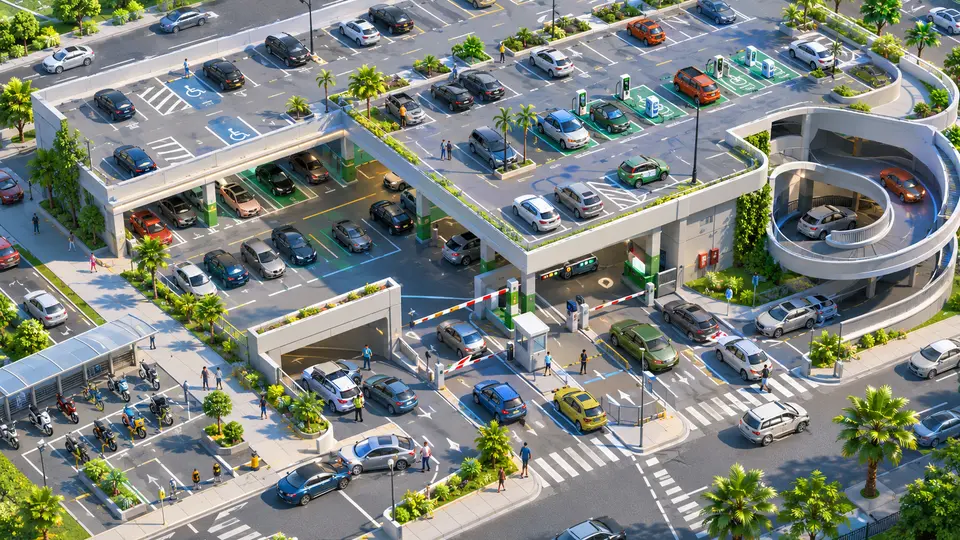
How many bays are free right now?
15 cases: 9 raise an alert when something happens and 6 only measure. You see each image as it is, and then with what IRIS understands on top.


And the best part
A wall of monitors is impressive.Nobody can read forty tiles at once.
The more tiles there are, the less each one gets looked at. IRIS watches all four thousand cameras at once and points at a single one: the one that needs someone right now.
Tell us your problem and we will say whether IRIS understands it, or not yet.
We reply the same working day.