CAM-499
Eight minutes uncleared, and guests are waiting for a table
Turnover in the dining room. One table is half cleared, the previous service still on it. Another is being reset right now. At the back, two tables are already laid and free, and on the left a table is occupied with service under way. Four states coexist in the same room, and from the door you cannot tell them apart at a glance.

Turn on IRIS Vision
AI-generated image
What IRIS is
IRIS looks after every corner of the hotel for you.
IRIS is an artificial intelligence that watches the cameras you already have at the hotel and understands what's happening at reception and in the common areas. When a queue builds up, an area gets busier than usual, or something you've asked it to watch happens, it alerts you — and whatever can be counted, like how busy each space is, it counts in numbers. All day long, with no one needing to watch a screen.
You tell it what you need to watch, and IRIS does it.
Here, for example, IRIS looks at every table in the dining room and tells you whether it's free, needs clearing, is already set, or has people eating, and for how long it's been in that state. That way the floor manager knows at a glance how many tables are actually available right now. With that information they decide who to seat and where, and stop a ready table sitting empty for half an hour.
Works with the cameras you already have. Nothing to replace.
A person replies, not a form.
- Your footage never leaves your premises.
- It doesn't identify people.
- Certifications →
What IRIS understands
What it recognises in this scene
- table waiting to be cleared
- service being cleared away
- table being reset
- table being laid
- table laid and free
- table occupied
What this camera measures
An alert says something is happening. The reading says how much.
- 2Tables waiting to be cleared
- 4Tables laid and free
- 5Tables occupied
- 8 minLongest a table has gone uncleared
- 14 min+6 minAverage time between guests
- 14:12Time of the alert
The figures on this screen are an example from the illustration, not any client's measurement.
The rule
You decide once. IRIS applies it always.
If
a table has gone more than five minutes uncleared and people are waiting for a table at the door
Then
- alert the floor manager with the table and how long it has been like that
- save the image of the room with the state of every table
- leave that table’s turnaround time in the service report
The instruction that set it up«Tell me if a table has gone more than five minutes uncleared while people are waiting for a seat.»
What changes
What changes for the manager and the front desk
A table that takes twenty minutes to be laid again is a cover that never gets sold. Nobody writes it down: you find out when you cash up, when there is nothing left to do about it. IRIS says which table is free, which is waiting to be cleared, which is ready and which is occupied, and how long it has been that way. With that, the floor manager seats people sooner, knows what to promise at the door, and the restaurant does one more sitting without adding a single table.
What people usually ask
How does IRIS know what state a table is in?
From what is on it and who is sitting at it. A table with used plates and nobody there is waiting to be cleared; one with the cloth, the glassware and nobody there is laid and free; one with people sitting is occupied. You mark once where each table sits in the image, and from then on the state reads itself, minute by minute.
Is this a way of monitoring the waiting staff?
No. The alert goes to the table, not to the person. IRIS says a table has gone eight minutes uncleared; it does not say whose job it was, or how long anyone takes, and it does not recognise any member of staff. A service jams for many reasons, and hardly ever because someone is slow: the kitchen, a group getting up all at once, two tables asking for the bill in the same minute.
Does this work on a terrace, or only indoors?
It works wherever a camera can see the tables, and a terrace is one of the places it works best because the whole floor is visible at once. What we do not do is go where we shouldn’t: guest rooms, bathrooms and changing rooms are outside IRIS. Dining room, terrace, bar and back of house, yes.
Other cameras
- CAM-495 · The check-in queue decides the review they are going to write
- CAM-496 · Forty guests crossing the forecourt, and reception doesn’t know yet
- CAM-497 · Nineteen people waiting and a single desk open
- CAM-498 · The breakfast room is full and the queue never gets past the host stand
- CAM-500 · Four guests standing in line and five tables set with nobody at them
- CAM-501 · The dish has been ready for four minutes and still has not left
Every simulation
Someone on the ground
Tell me if someone stays on the ground for more than twenty seconds and does not get up.
- The sentence
- Where it applies
- What it finds
- The same rule
See it somewhere else
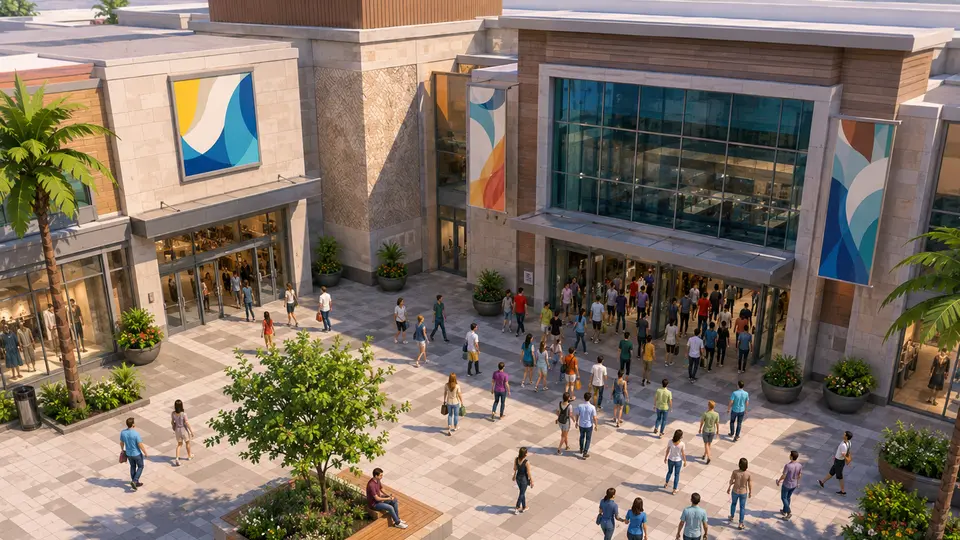
What does a shopping centre see beyond the visitor count?
12 cases: 4 raise an alert when something happens and 8 only measure. You see each image as it is, and then with what IRIS understands on top.
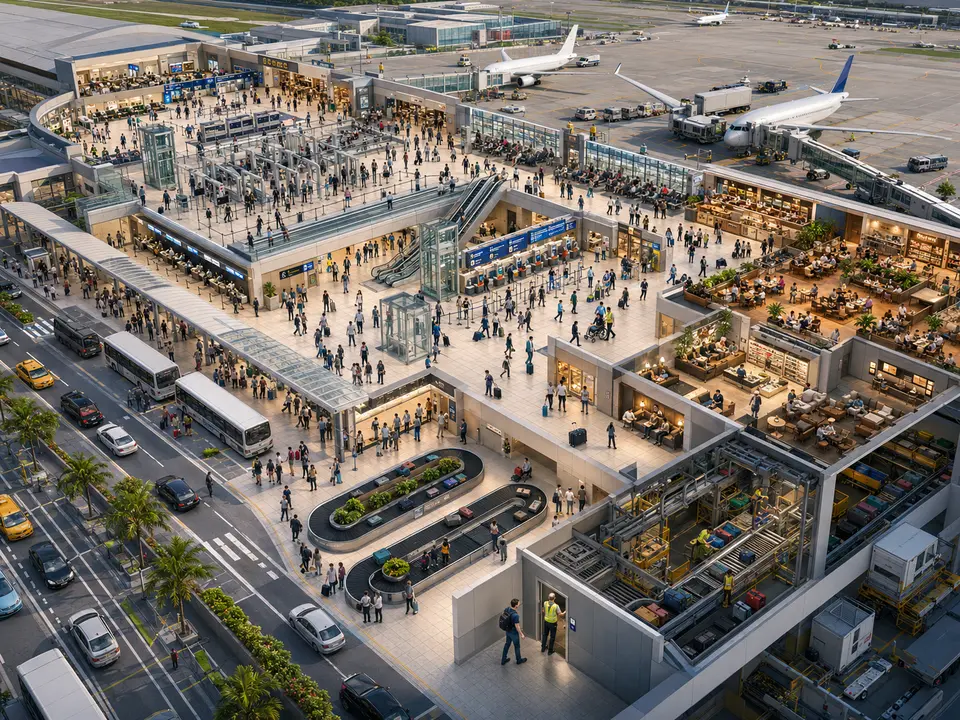
What does an airport see before the queue forms?
14 cases: 7 raise an alert when something happens and 7 only measure. You see each image as it is, and then with what IRIS understands on top.


And the best part
What you bought was a warehouse of images.What you needed was someone to look at them.
Those same cameras that only fill disks today can flag what matters while it is happening. The warehouse stays; it just stops being all you have.
Tell us your problem and we will say whether IRIS understands it, or not yet.
We reply the same working day.