Solutions by typeProduction efficiency
What if one of them is not like the rest and nobody spots it?
Everything is right except one
It is 10:20 at the outdoor mixing station. The charging order is written on a sign on the wall: water first, then the two additives, solvent last. The operator, in helmet and gloves, has just coupled the hose from the solvent drum. It is the first one he is connecting, not the last. The rest of the team is in the shed, thirty metres away, and nobody is looking at that sign.
28 cameras across 10 sectors
What IRIS is
IRIS watches the cameras for you.
IRIS Neural is an artificial intelligence that watches the cameras you already have and understands what happens in front of them. When something important happens —or something you told it you need to keep an eye on—, it alerts you; and whatever can be counted, it counts in numbers. All day long, without anyone having to watch a screen.
You tell it what you need to watch, and IRIS does it.
Works with the cameras you already have. Nothing to replace.
A person replies, not a form.
- Your footage never leaves your premises.
- It doesn't identify people.
- Certifications →
This is how you ask for it
«Alert me if something turns up in this area that is not like the rest: a different label, a different cap, a different material, or connected where it should not be.»
In a mixer, changing the order does not just ruin a batch: it can turn a tank into a safety problem. And that is the fast version. The slow one is worse: the pallet with the wrong labels goes out on the truck and the mistake shows up two weeks later, when the customer opens it. By then the whole consignment has to be blocked, that day’s shift reviewed and somebody called to apologise.
You decide once
What you decide once here is what «the same» means in that place. You say which labels belong to this consignment, in what order the mixer is charged, which hose goes to which manifold, which drums are waiting in the blue square for this order and which door each route leaves by. IRIS compares against that, pallet by pallet and shift by shift, and speaks up when something falls outside: camera, time and image. If tomorrow the order changes, you change the rule and it applies itself again, on every camera in the area.
A wrong-item mistake does not look like a mistake. Everything is in place, the boxes are stacked, the operator is doing the job properly. What is off is one detail: nine pallets with magenta labels and one with green ones, a green-capped drum in the square where the grey-capped ones wait, a hose coupled to the manifold next to the one the order named, a shovel-load of grey gravel on top of the limestone pile. It is almost never carelessness. It is that two things look very alike and it is seven on a Friday evening.
The bill arrives late and somewhere else. The pallet goes on the truck and the customer opens it two weeks later. The bucket tips into the wrong stockpile and the grade of that pile can no longer be separated. And at an unloading bay, a hose on the wrong manifold is the only thing between a normal morning and a very bad one.
IRIS does not read what the label says, and it does not need to. It compares what is there with what you told it should be there, and with what is beside it: this pallet does not carry the labels of its nine companions, this drum is not one of those prepared for this order, this hose is not on the manifold you named. And it says so while the pallet is still on the floor and the truck has not started, which is the only moment when fixing it takes five minutes.
What changes
Before, this came to light at the end: in quality control if you were lucky, in the customer’s warehouse if you were not. Now it comes to light the minute it happens, with the photo of that pallet and that label. Whoever is in the area swaps it and carries on working. The difference between the two is not technological: one costs five minutes and the other costs an entire consignment.
Where we have seen it
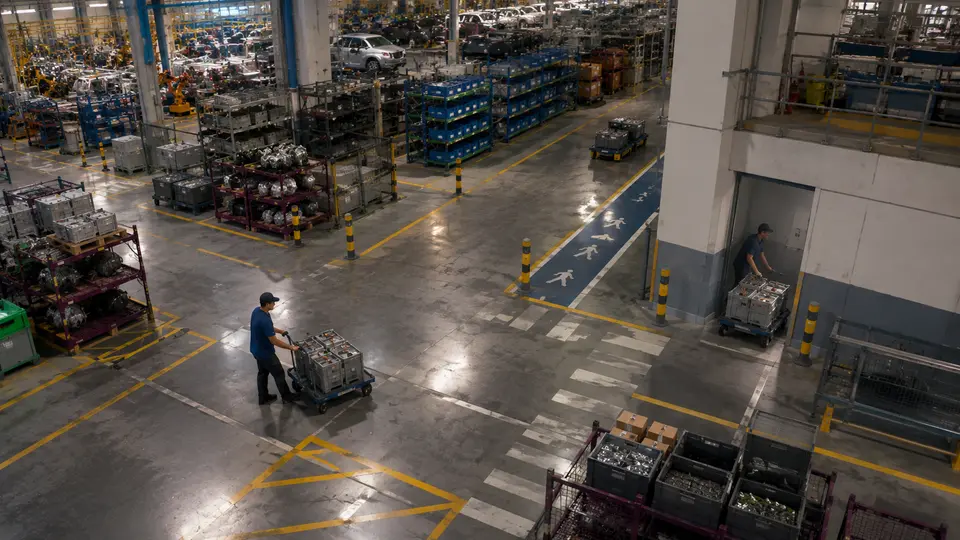
CAM-239A trolley of modules leaves through a door that is not its own
«Tell me if a loaded trolley leaves the store through a door that is not on its route.»
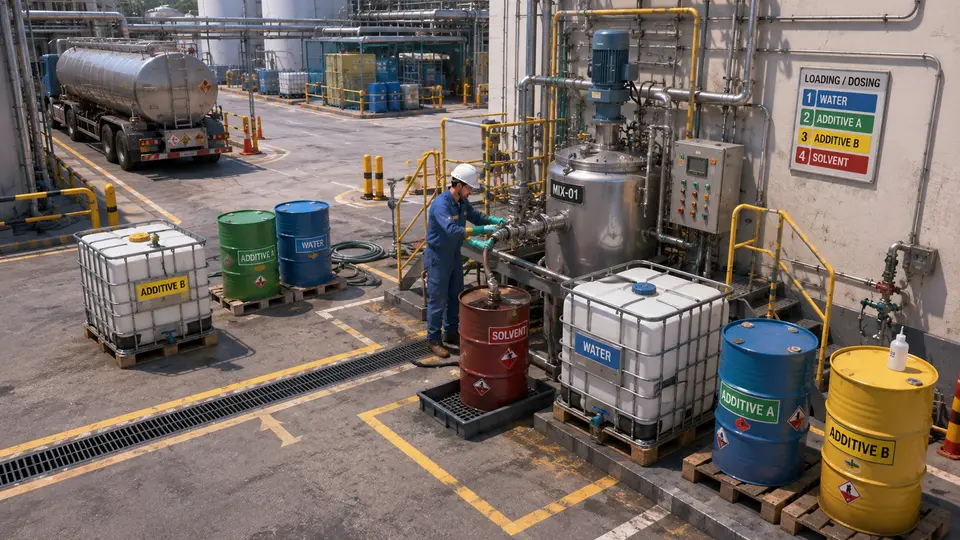
CAM-310The solvent goes in first when it was meant to go in last
«Tell me if anyone connects a container to the mixer that is not the one due at that point in the charge.»
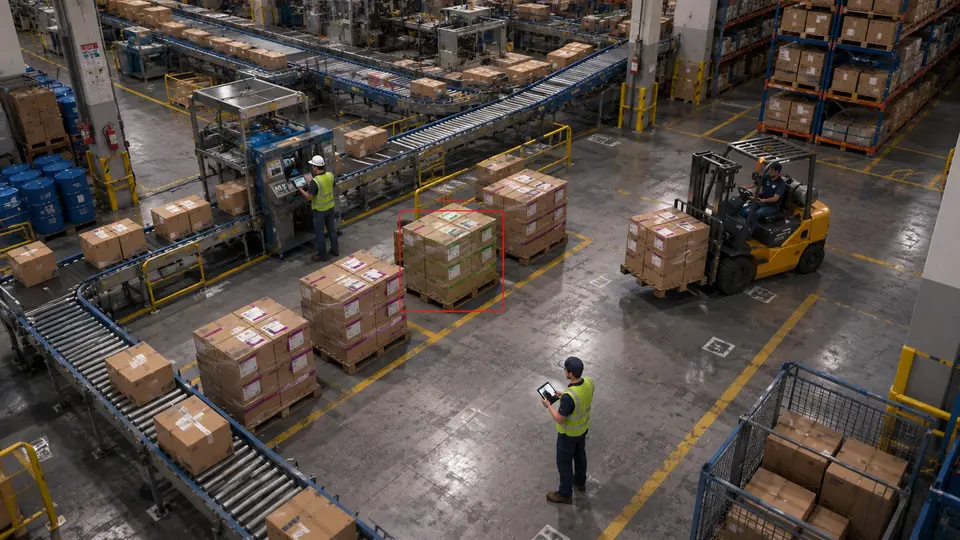
CAM-249One pallet with different labels from all the rest
«Tell me if there is a pallet in the dispatch area with different labels from the rest of the batch.»
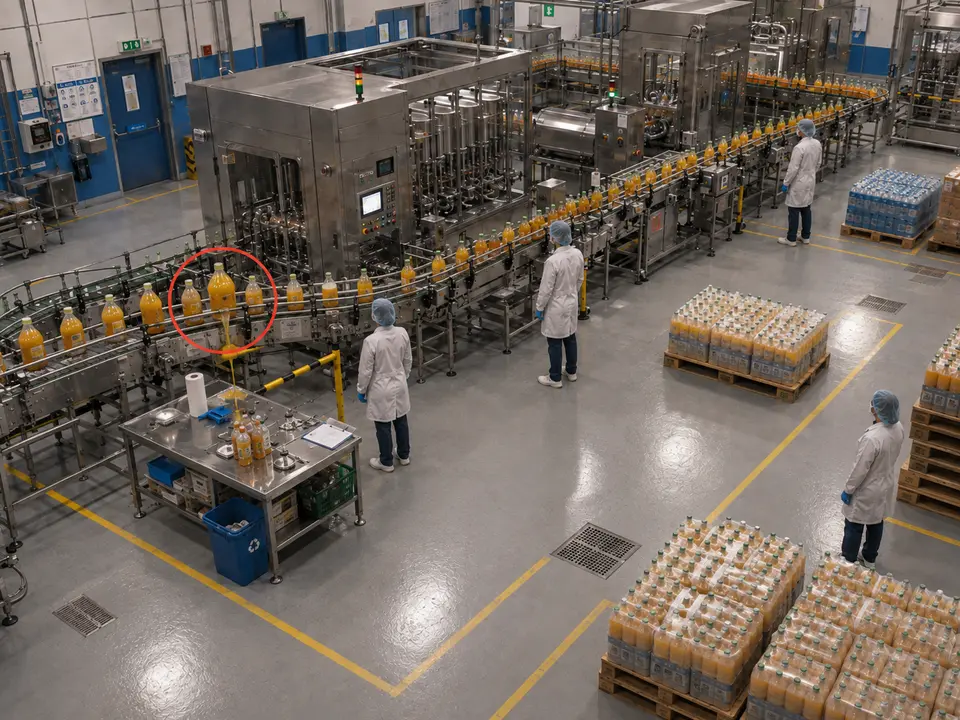
CAM-209A split pack emptying itself onto the belt
«Tell me if a pack goes past that is not like the others: empty, badly filled, dented or leaking.»
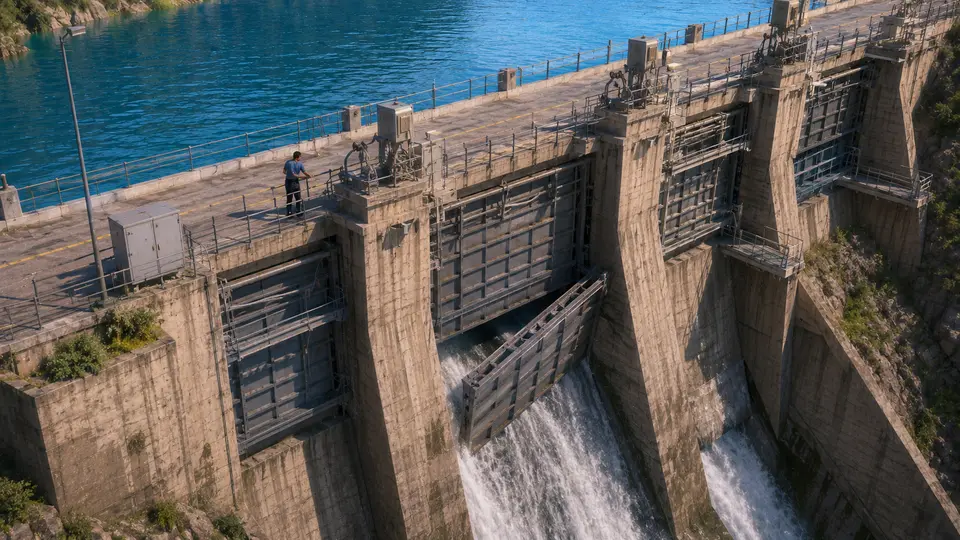
CAM-148A gate that is not seated in its frame
«Tell me when a gate is not where it should be in its frame, and show me the movements it has made this week.»
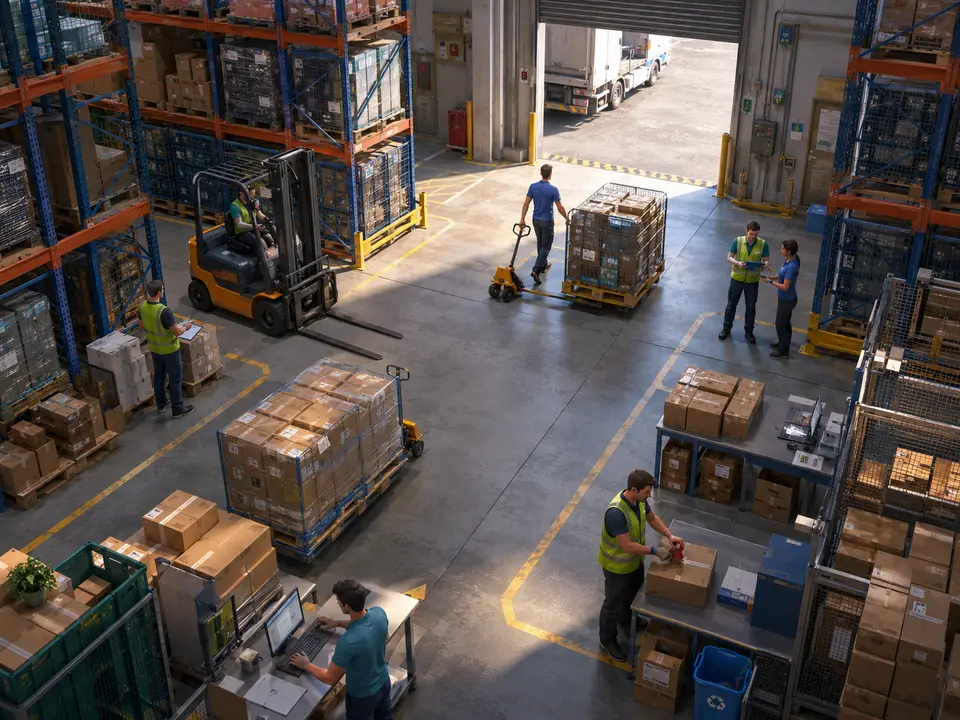
CAM-260A cage goes out through the wrong door
«Tell me when a cage or a pallet goes out through a door that is not the one for its route and there is no outbound order open for those goods.»
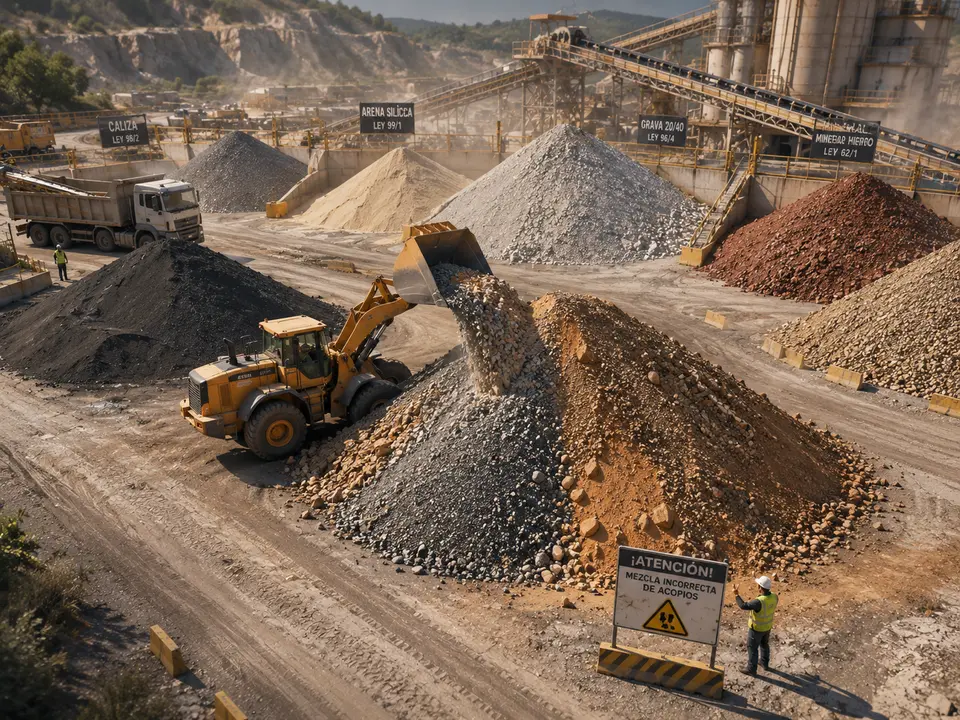
CAM-383A bucket of grey gravel on top of the wrong stockpile
«Tell me if a loader drops material on a stockpile that is not that pile’s material.»
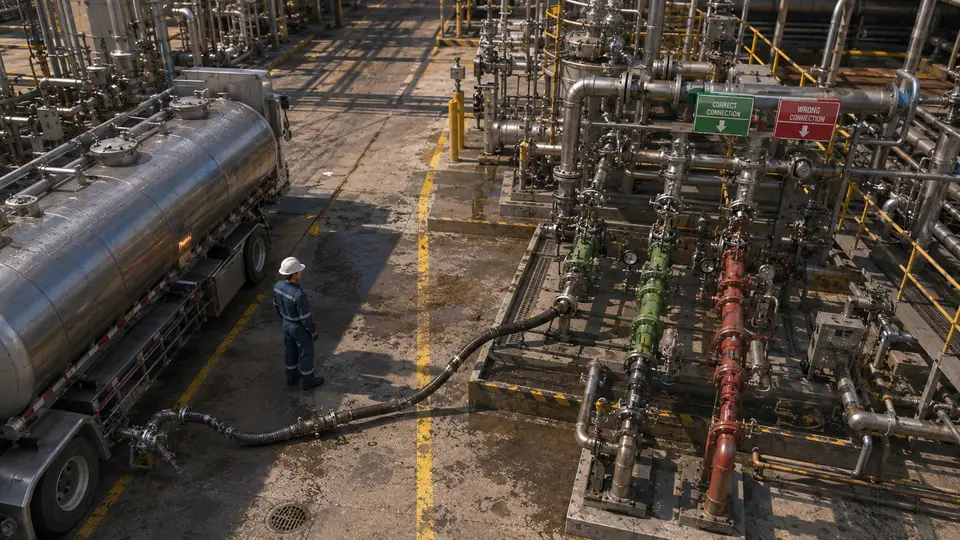
CAM-325The hose is coupled to the wrong header
«Tell me if a tanker hose ends up coupled to a header other than the one on the unloading order.»
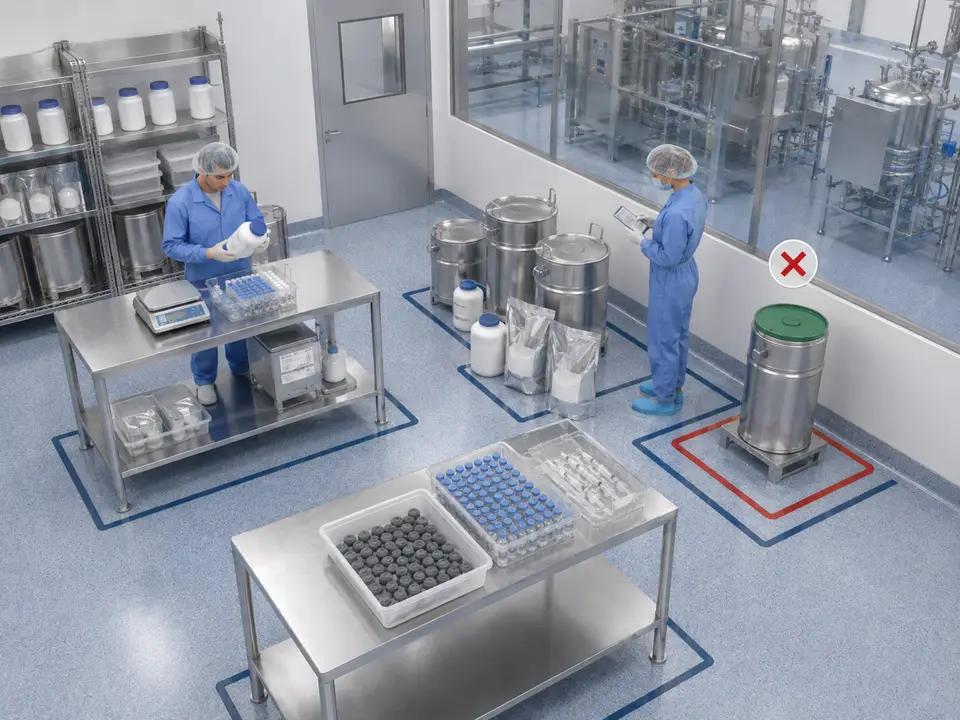
CAM-284A green-lidded drum where it does not belong
«Tell me if a container turns up in the dispensing area that is not one of those prepared for this order, or if any of them ends up outside its square.»
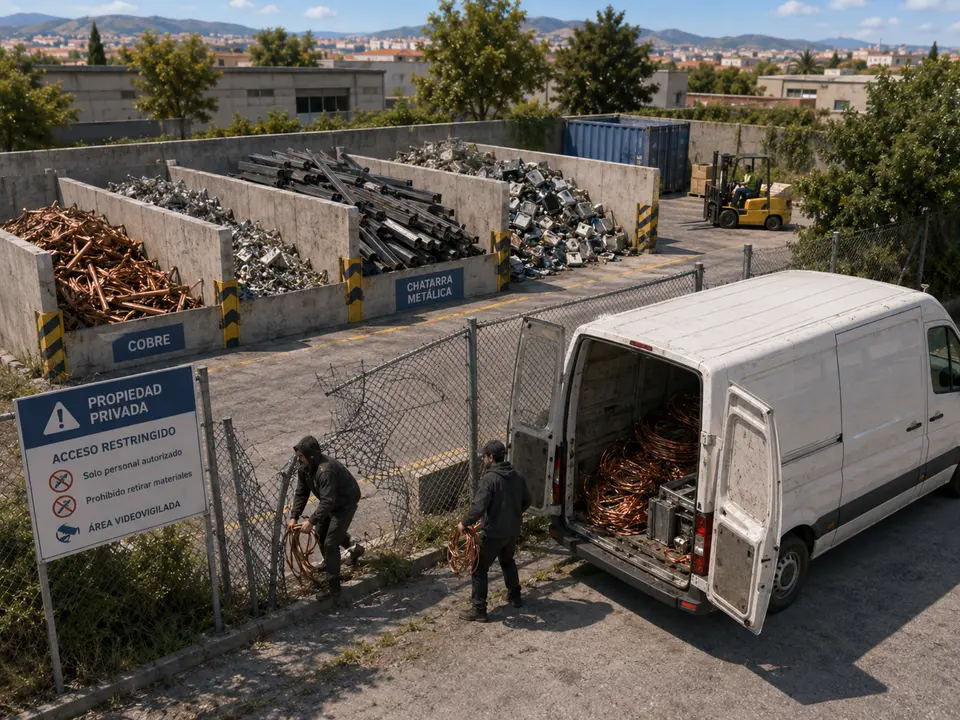
CAM-428The fence has been cut and material is leaving through it
«Alert me if anyone crosses the fence at a point that is not a gate, or if material leaves the yard by a route that is not the exit.»


What it does not do
IRIS does not read what the label says and does not know what product is in a drum. It sees that this container is not like the others, or is not where you said, or was connected out of sequence.
And if two items look identical from the outside, it cannot tell them apart. There it does not replace the barcode or the production system: it covers what happens between two scans.
Questions
- Does it read what the label says?
- No, and it almost never needs to. What IRIS sees is the difference: nine pallets with labels of the same colour in the same place, and one without. A drum with a different coloured cap in this order’s square. A bottle with a lower level than every other in its row. That is already enough to stop it in time, and it does not require the label to be legible from a camera six metres away. When you really do need to know what it says, that reading is the barcode’s job, which is what barcodes are for.
- Does it replace the barcode or the production system?
- No, and it should not. The barcode knows what each thing is; IRIS sees where it is and what it looks like. What it covers is the gap between two scans: the pallet that was scanned correctly and then moved, the drum that was prepared properly and ended up in the next square, the hose nobody scans because it has no label. That gap is where nearly every wrong-item mistake happens, and until now it was covered only by the eye of whoever walked past.
- How does it know what the correct order is?
- Because you told it once, in your own words. Water first, then the two additives, solvent last. Or: the hose from this tanker goes to manifold three. Or: the trolleys on this route leave by door two. That is written once, and from then on IRIS checks it on every charge, on every shift and on every camera covering the area. When the procedure changes, you change the sentence; what nobody has to do is remember it every day.
- What if two products look identical from outside?
- Then IRIS cannot tell them apart, and that has to be said plainly. If two items share the same container, the same cap and the same label, the camera cannot separate them and that check belongs to the barcode. What IRIS can do in that case is look at something else: where it is, which way it came in, in what order it was used and which door it leaves by. Very often the mistake is not in the product but in the place, and the place is visible.
Demo · IRIS at work
A new case each time. Always the same screen.
It plays by itself and shows one case from start to finish. It is a summary: the real screen has far more functions than fit in this box.
- Cameras on the map
- You draw an area
- What passed shows up
Not seeing yours here?
These words are the ones we have built, not the ones IRIS understands. The list falls short on purpose: you ask for it in a sentence, and sentences do not run out. Tell us what is in front of your cameras and we will tell you whether it understands it, or not yet.
And the best part
You can ask which van came in yesterday.Who was inside is not a question you ask here.
IRIS searches for things and situations, not people: it identifies nobody and recognises no faces. You write what you are looking for and it returns the matching minutes.
Tell us your problem and we will say whether IRIS understands it, or not yet.
We reply the same working day.