Solutions by typeCustomer experience
Why do I always hear about the queue after someone has complained?
The queue grows, the counters stay closed
It is 06:35. There are two lines in the check-in hall. The one on the left, for the staffed desks, is eighteen minutes long and doubles back on itself twice. The one on the right, for the self-service machines, clears in four. Above the desks four signs are dark: four positions never opened. The camera has been recording since five. In the office next door, nobody knows yet.
28 cameras across 10 sectors
What IRIS is
IRIS watches the cameras for you.
IRIS Neural is an artificial intelligence that watches the cameras you already have and understands what happens in front of them. When something important happens —or something you told it you need to keep an eye on—, it alerts you; and whatever can be counted, it counts in numbers. All day long, without anyone having to watch a screen.
You tell it what you need to watch, and IRIS does it.
Works with the cameras you already have. Nothing to replace.
A person replies, not a form.
- Your footage never leaves your premises.
- It doesn't identify people.
- Certifications →
This is how you ask for it
«“Alert me if a line goes over fifteen minutes and desks are still closed.”»
The first warning arrives when someone misses a flight or a written complaint comes in. By then the line has been building for over an hour and the shift has spent the morning firefighting by hand: radio calls, two desks opened, someone pulled off their break. At the end of the month nobody can say how often it happened, at what time, or for how long. All that is left is the feeling that mornings get away from you.
You decide once
You decide what counts as a long queue in your building: fifteen minutes at check-in, eight at the food court, ten people at the cash desk. You also decide when it matters and who gets told. You say it once. From then on IRIS watches that line at six in the morning, at two on a Saturday and in the middle of August, without anyone having to remember to ask again.
Almost nobody measures a queue. A queue gets looked at. Someone walks through the hall, sees it looks bad and calls it in on the radio. If that person is in a meeting that day, the line grows on its own. That is why the same queue takes six minutes on a Tuesday and thirty-five the following Friday with nothing else having changed: what changed is who walked past, and when.
IRIS watches the waiting area, counts how many people are in each line and measures how fast it moves. When the wait crosses the limit you set and positions are still closed, the alert arrives with the camera, the time and the video. It is not a figure for the end of the month: it is a warning while there is still time to open a desk.
Then there is the other half, and it is usually the half that pays for the install. The same camera that alerts also counts. How many people went through the tills on Saturday between twelve and two. The average wait over Christmas. Which desk opens late every Monday. That number is not asked for in words: you draw a line or an area on the image, and it comes out the same every day. Asking is for finding. Counting is for measuring. They are not done the same way.
What changes
Before, someone had to be there to see it, or someone had to complain. The supervisor walked down to the hall, counted by eye and decided. Now the alert arrives on its own, with the camera open and the video of the moment, and whoever is in charge decides whether to open another position or move someone. And at the end of the month nobody argues about whether it was a bad morning: the number is there, hour by hour.
Where we have seen it
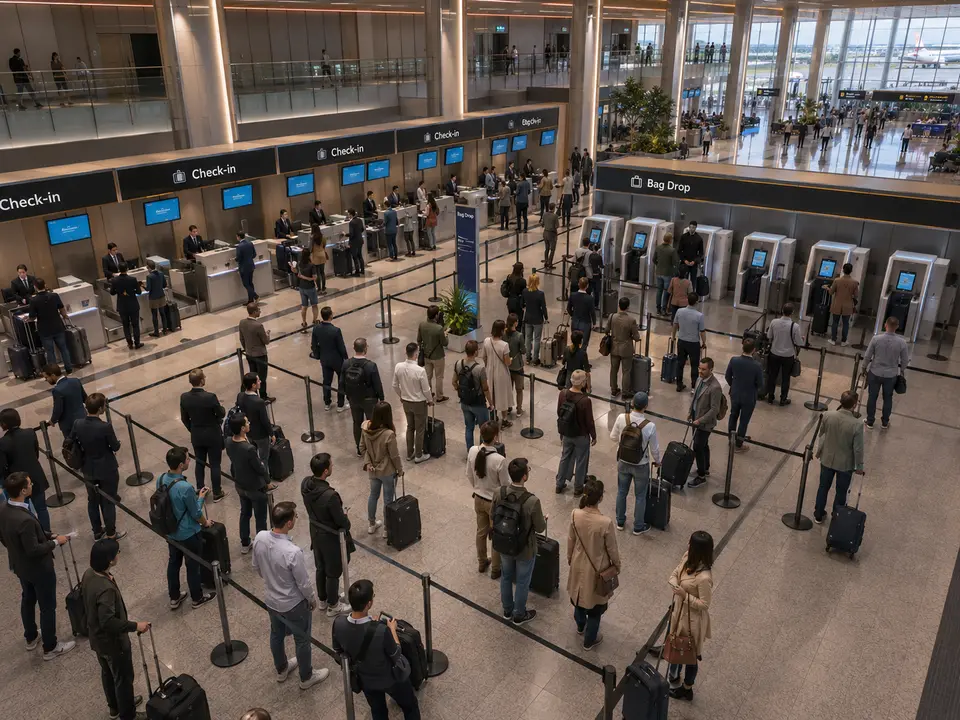
CAM-581Eighteen minutes in one queue, four in the one beside it
«Tell me if a queue goes over fifteen minutes and there are still desks closed.»
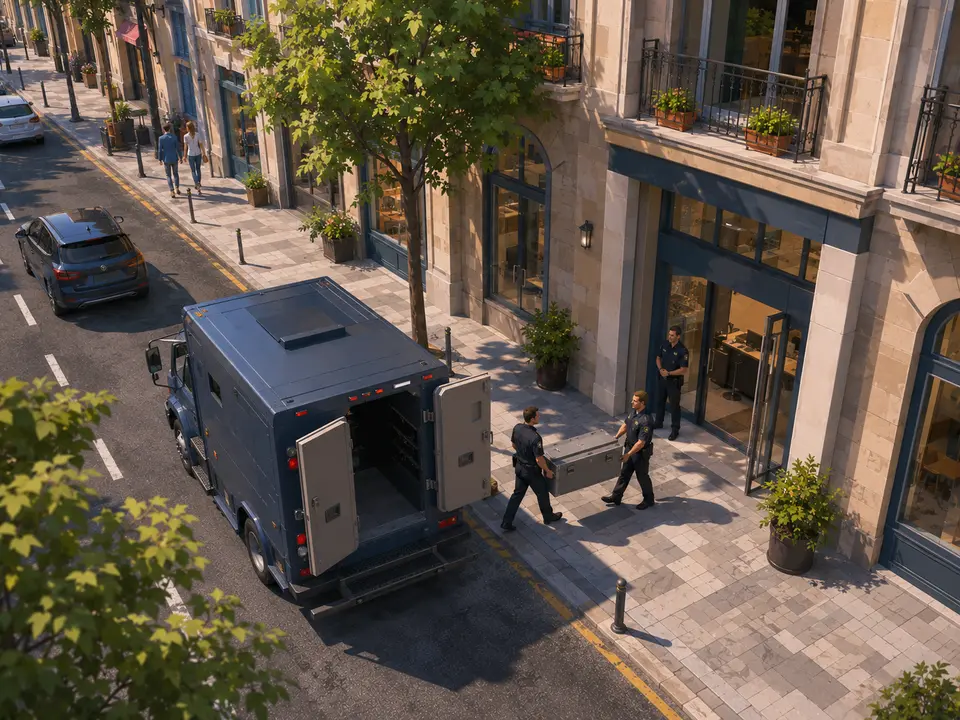
CAM-517A cash box crosses eight metres of pavement
«Tell me if the van’s rear door stays open more than a minute with nobody from the crew beside it, and keep the time of every collection for me.»
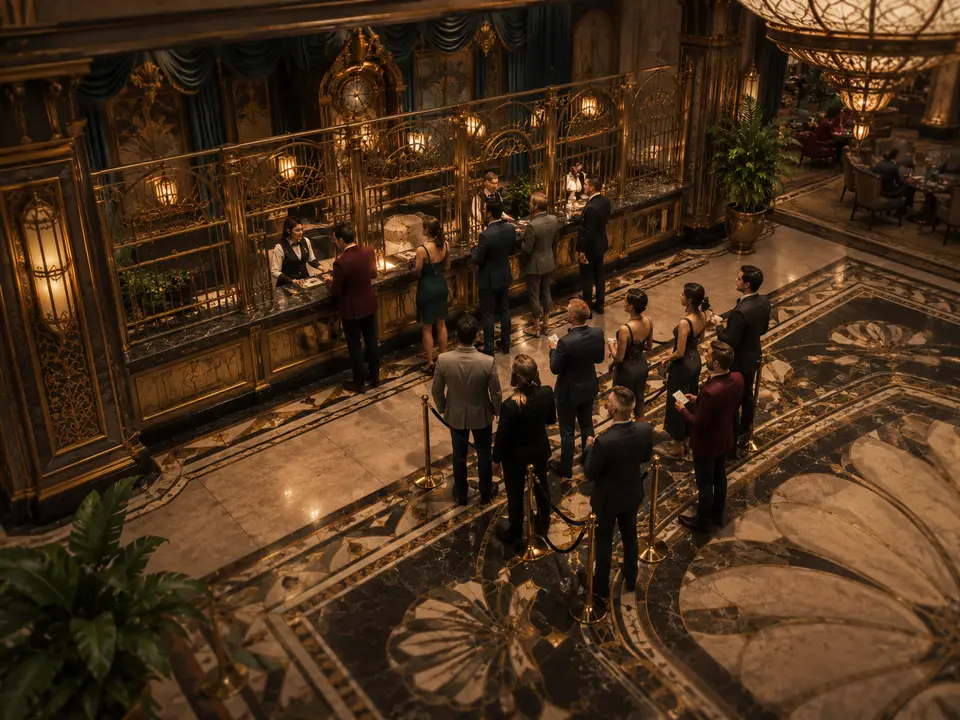
CAM-527Three windows open, two dark, and the queue still waiting
«Tell me when more than ten people are waiting at the cage, or when the wait goes over eight minutes with windows still closed.»
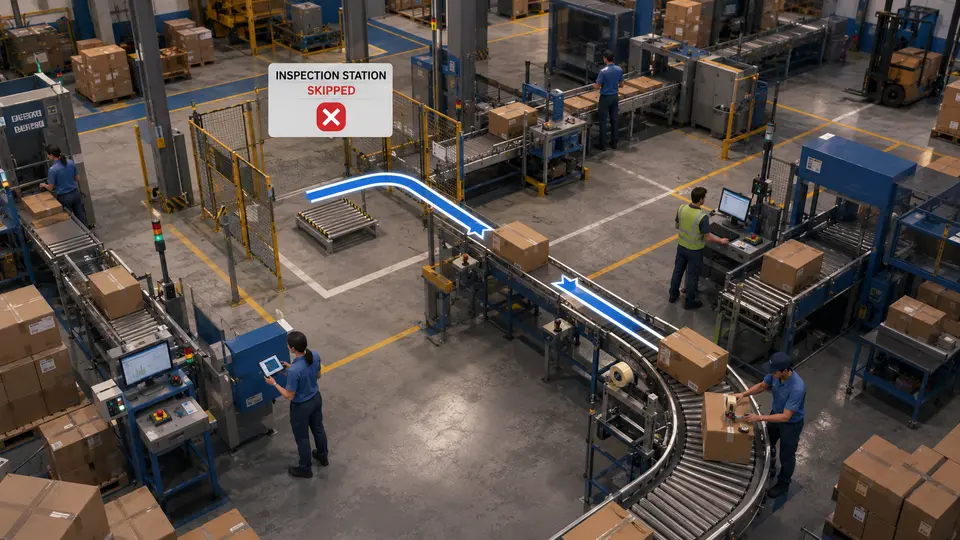
CAM-246The box takes the bypass and skips inspection
«Tell me if a box reaches the taping station without having gone over the inspection table.»
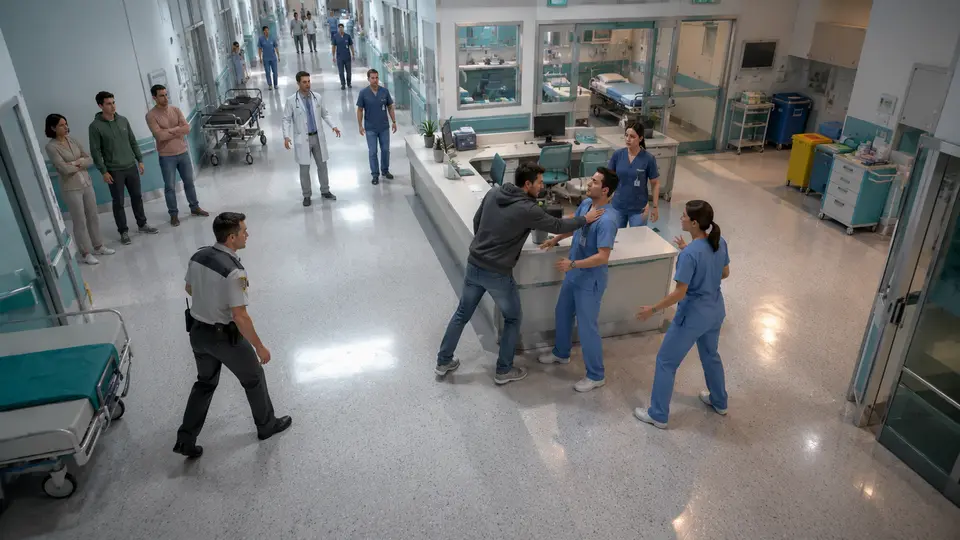
CAM-124Tension at the front desk
«Tell me when two people get very close at the desk and start moving abruptly, or when somebody bangs on the screen, so that someone gets there sooner.»
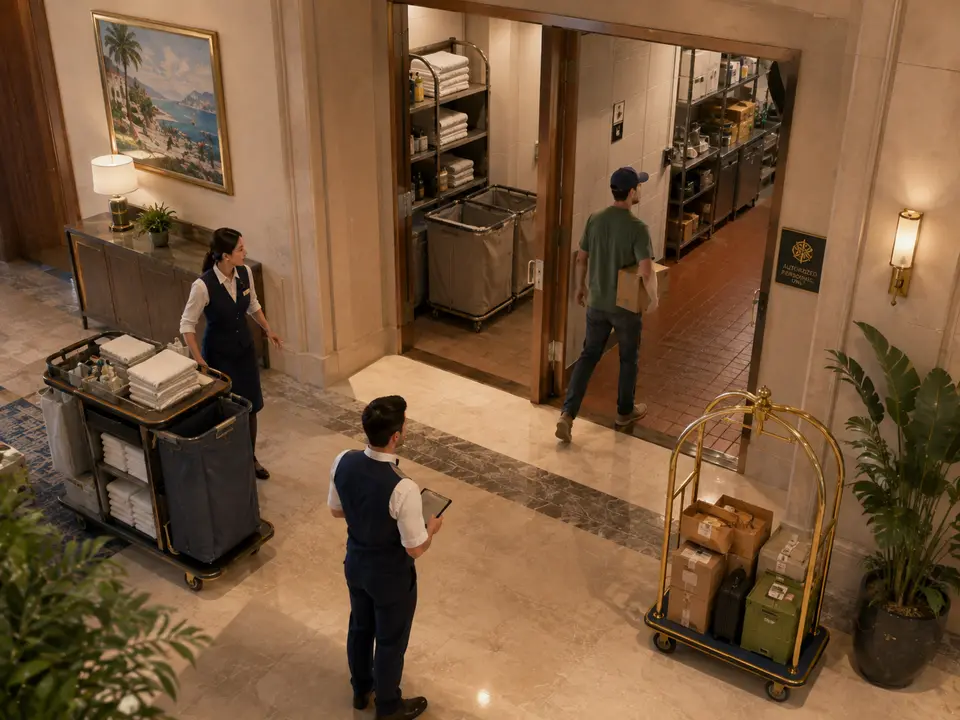
CAM-508Someone goes through the service door carrying a box
«Tell me when somebody goes through the service door without the house uniform, and always keep the video of what comes in and what goes out that way.»

CAM-268A burst, soaked box about to go on the truck
«Tell me if a parcel reaches the dispatch table torn, crushed or wet, and keep the photo for me.»
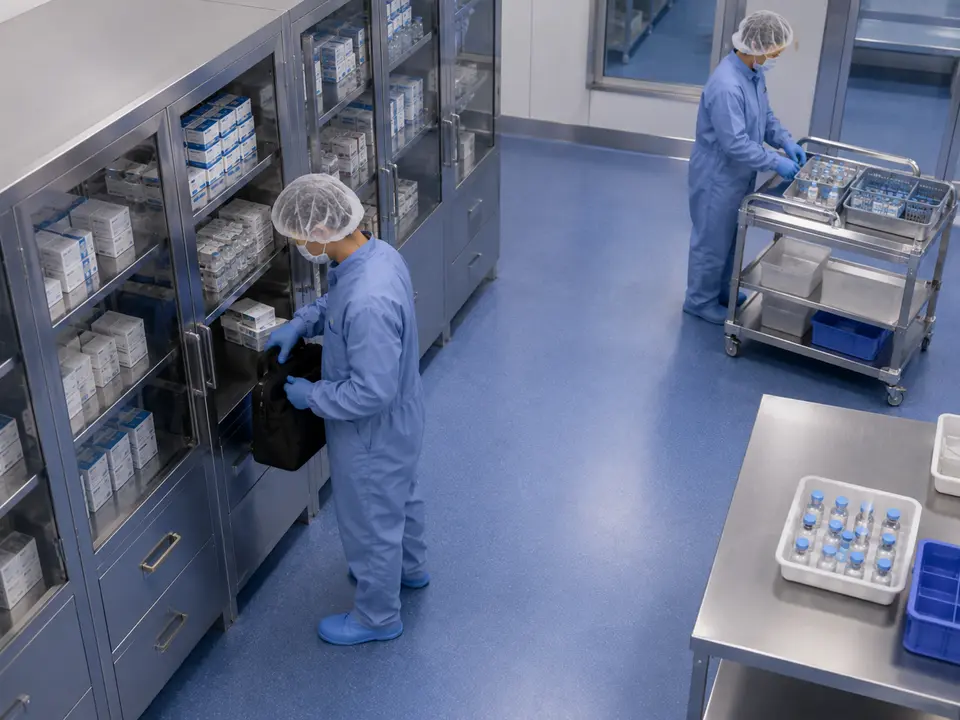
CAM-297Boxes leave the controlled cabinet with no work order open
«Tell me if boxes are taken out of the controlled cabinet when no work order is open for that hour.»
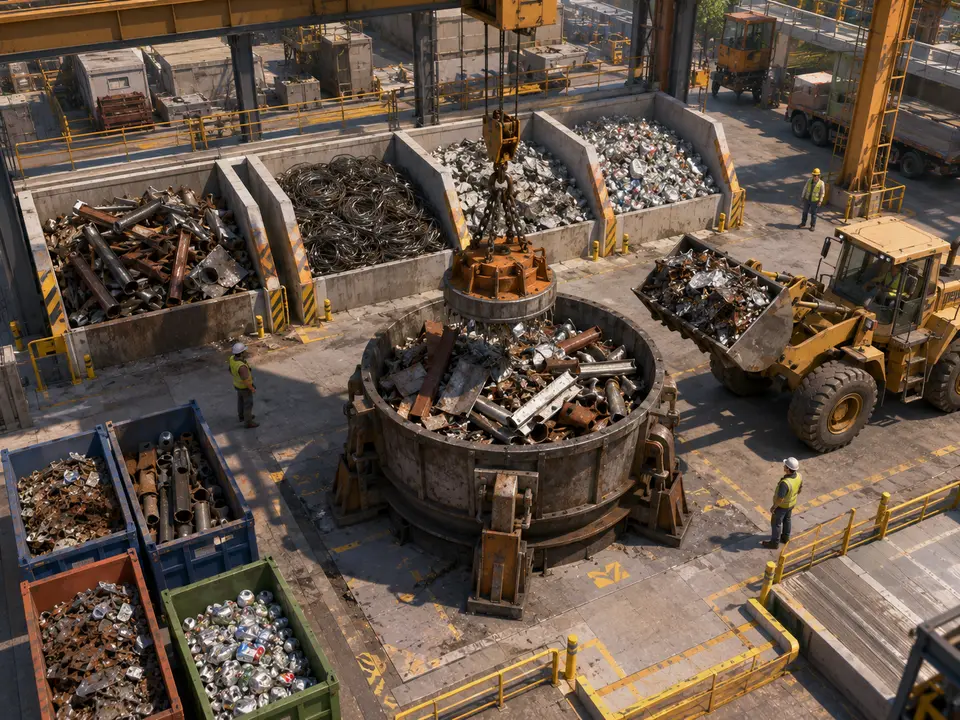
CAM-363The basket has been loaded from four different bays
«Tell me if material from a bay that does not belong in this recipe goes into the basket, and tell me which bay it came from.»
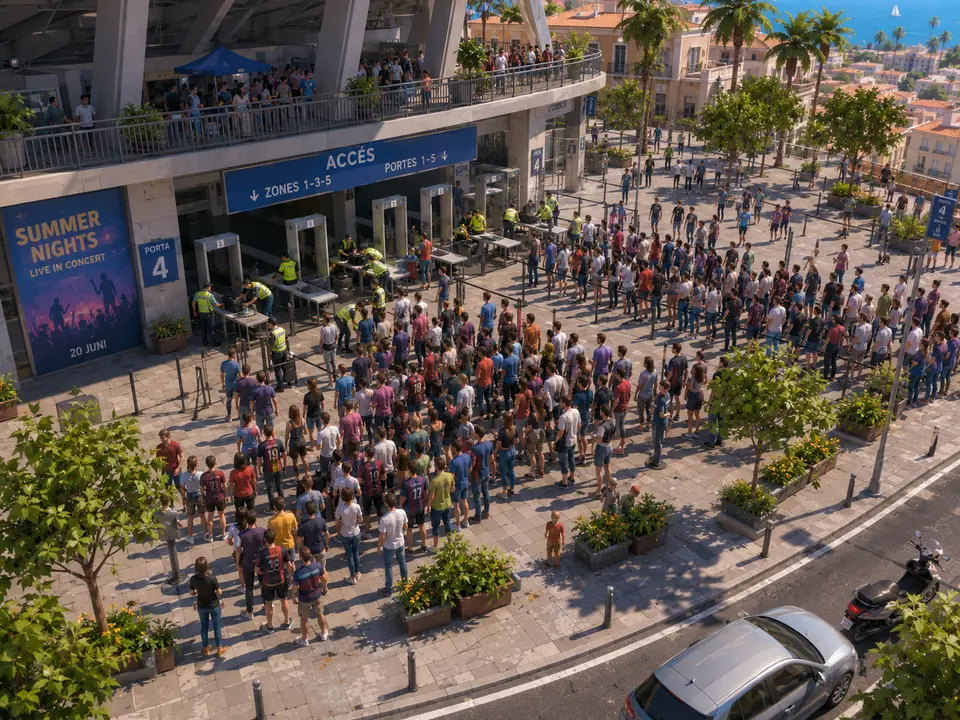
CAM-482Twenty-four arrive a minute, the search line clears nine
«Tell me when more people join the search queue than come out through the detectors, and when the back of the line gets close to the road.»


What it does not do
IRIS does not identify anyone and does not recognise faces: it counts people and measures time. It also does not know why the queue formed — a doubled-up flight, a breakdown — and it does not open a desk on its own. It alerts, shows the camera and leaves the decision to whoever has to make it. And if the framing cuts the line in half, the number is worthless: look at the camera first.
Questions
- Does IRIS know how long a person has been waiting?
- No, not that person. IRIS measures the line, not who is in it: it counts how many people stand between the back and the counter and how fast the line moves. That gives the queue’s waiting time, which is the number you need to decide whether to open another position. You do not have to follow anyone across the hall to know the wait is eighteen minutes, and we do not.
- Do I have to replace the cameras in the hall?
- Not necessarily. IRIS is built to use the cameras you already have, where the installation allows it. What you do need is a camera that sees the whole line, from the counter to the last person to join. If the framing cuts the queue in half, the number comes out short and the alert arrives late. Before signing off on an area, look at that camera at peak hour, in the light of that hour.
- Is this an alert or a number?
- Both, and you ask for them differently. The alert is asked for in words: a sentence like “tell me if the wait goes over fifteen minutes”. The number is asked for by drawing: you trace a line across the door or mark the waiting area on the image, and from then on the count comes out by hour, by day, by season. Asking is for finding. Counting is for measuring. One camera can do both at once.
- Does IRIS open a desk when the queue grows?
- No. IRIS alerts; the people who open desks open them. Your organisation sets the limit, the hours and who gets told, and IRIS applies that rule the same way every time, at six in the morning and in the middle of August. What reaches the person is the camera, the time and the video, so the decision is made with the scene in front of them instead of a complaint from twenty minutes ago.
Every simulation
Something has spilled
Tell me if there is liquid or foam outside its place and it is still there two minutes later.
- The sentence
- Where it applies
- What it finds
- The same rule
Not seeing yours here?
These words are the ones we have built, not the ones IRIS understands. The list falls short on purpose: you ask for it in a sentence, and sentences do not run out. Tell us what is in front of your cameras and we will tell you whether it understands it, or not yet.
And the best part
At eleven the last person leaves.The cameras stay, and now they understand what is going on.
Nobody switches anything off on the way out. What happens in an empty building is understood right then, and nobody waits for the doors to open to find out.
Tell us your problem and we will say whether IRIS understands it, or not yet.
We reply the same working day.