Who is watching a site where there’s almost never anybody?
Seven sites with nothing in common. One single system watching all of them.
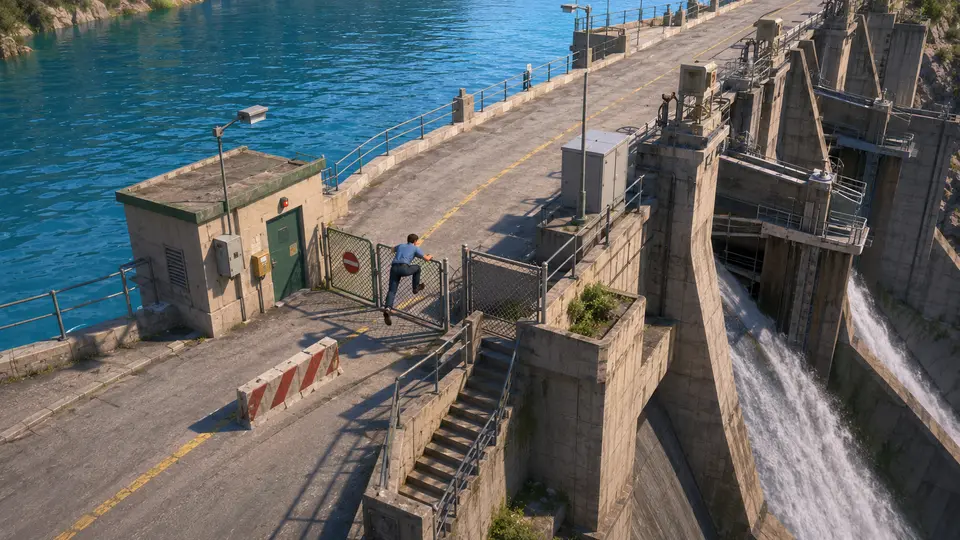
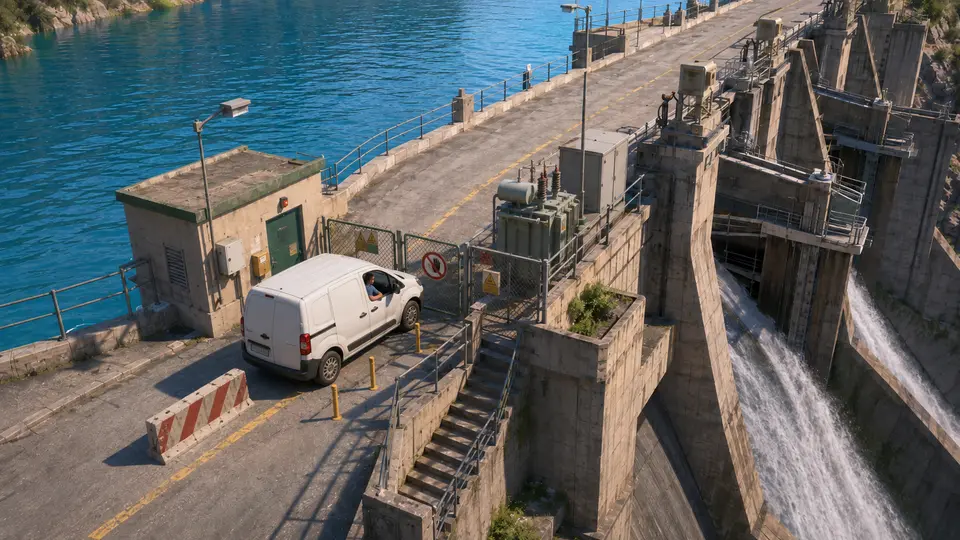
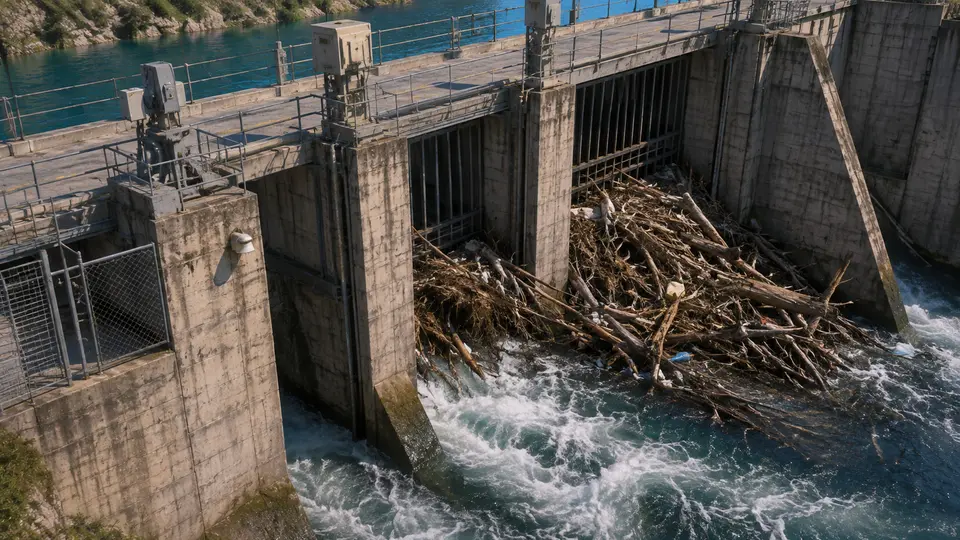
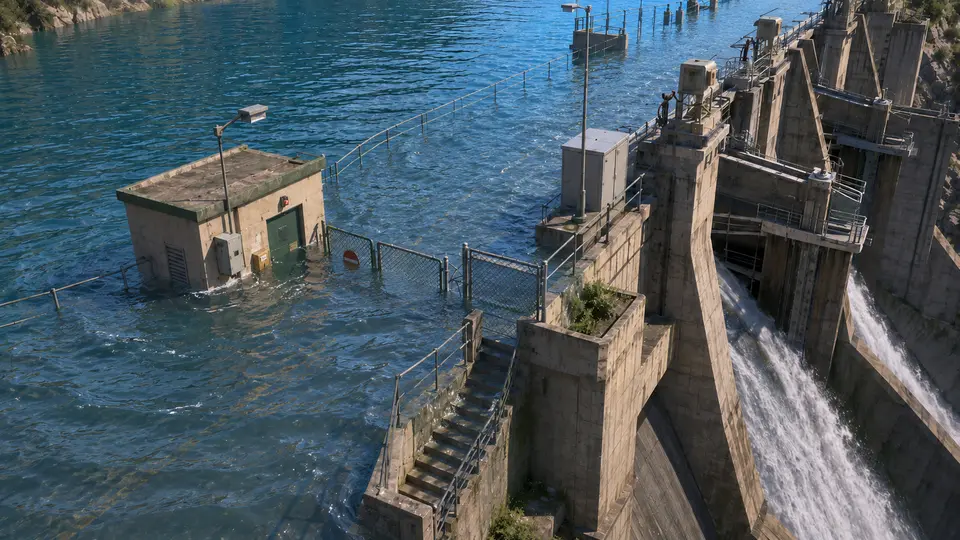
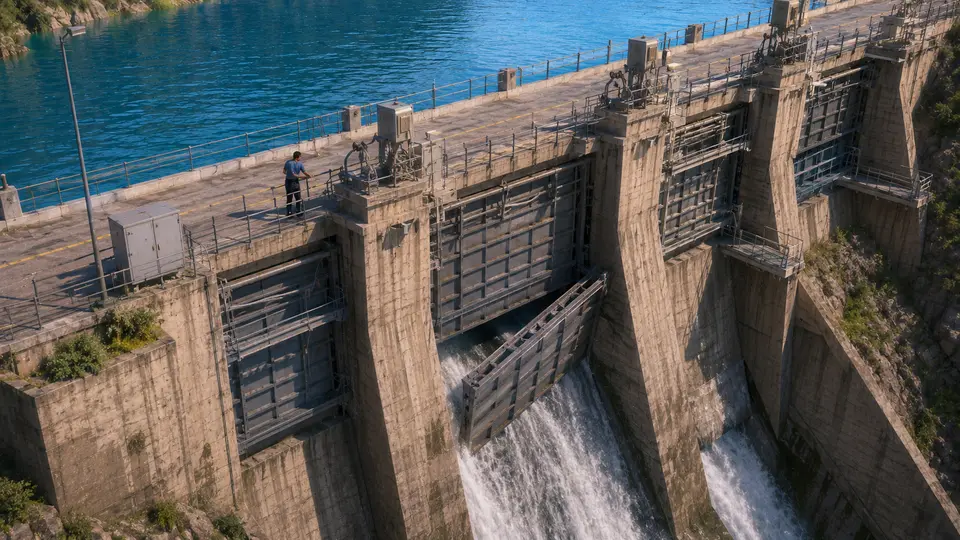
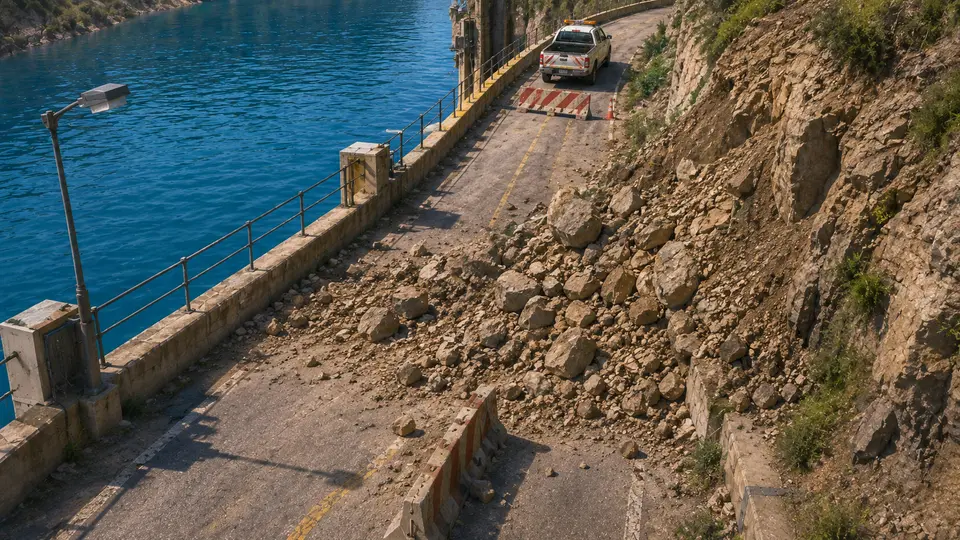
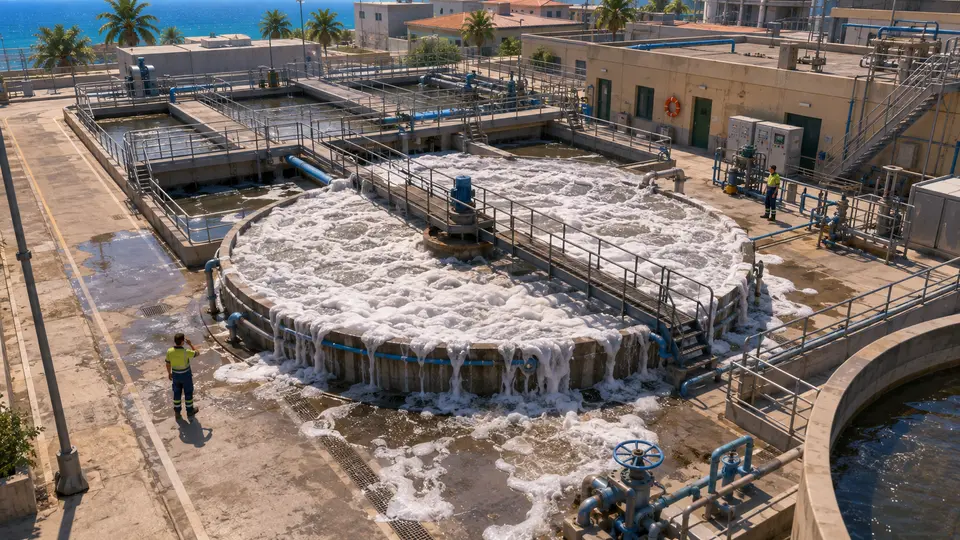
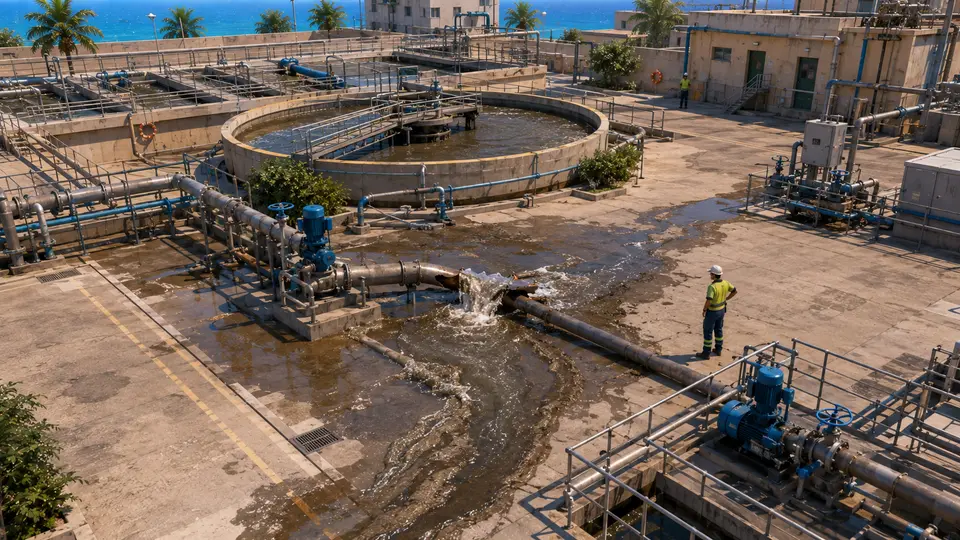
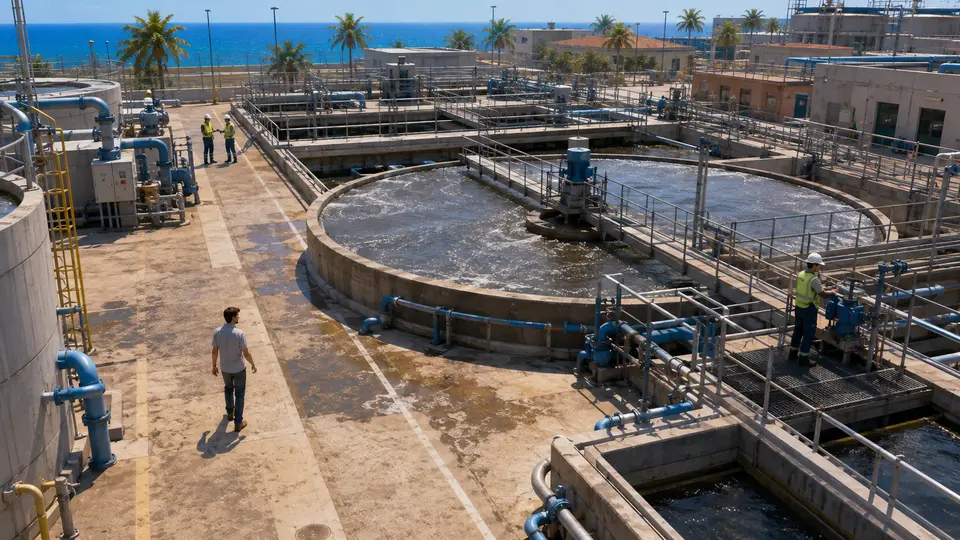
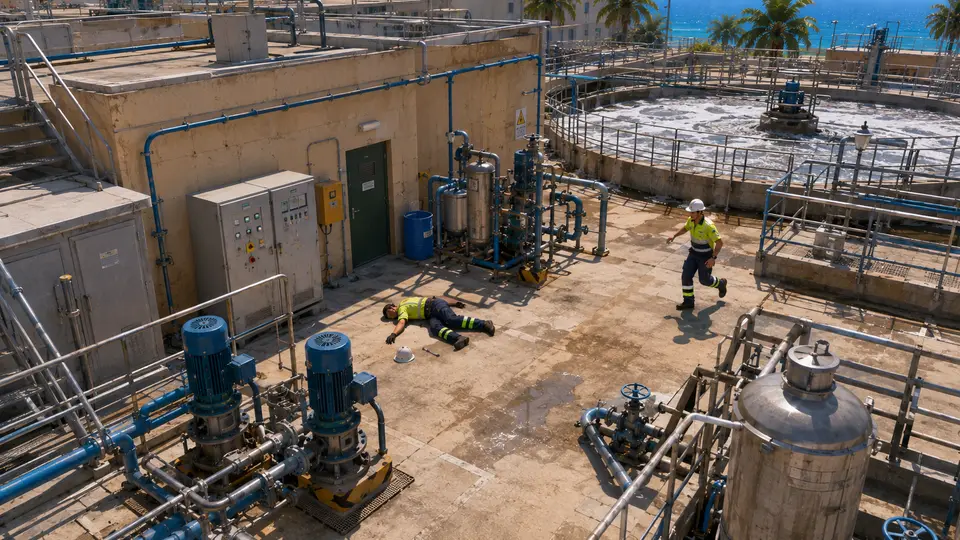
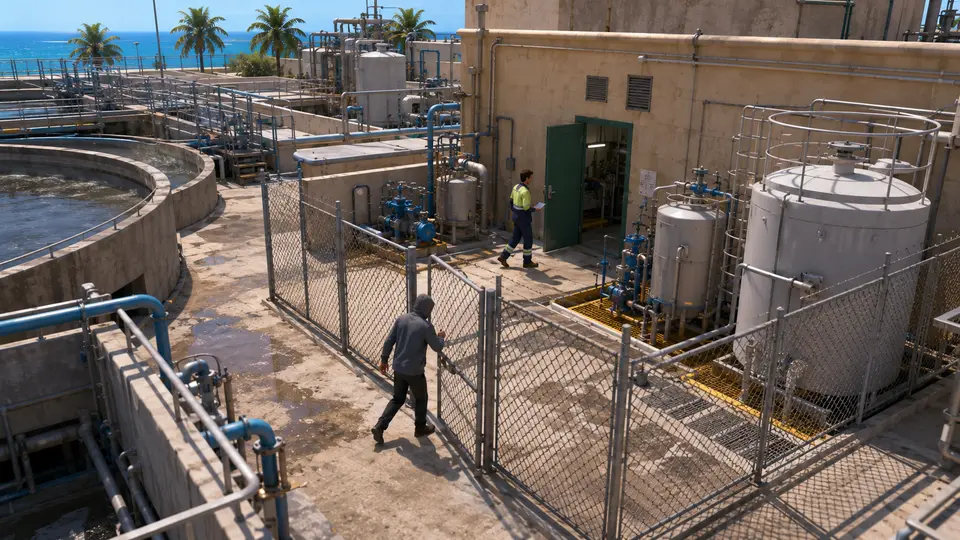
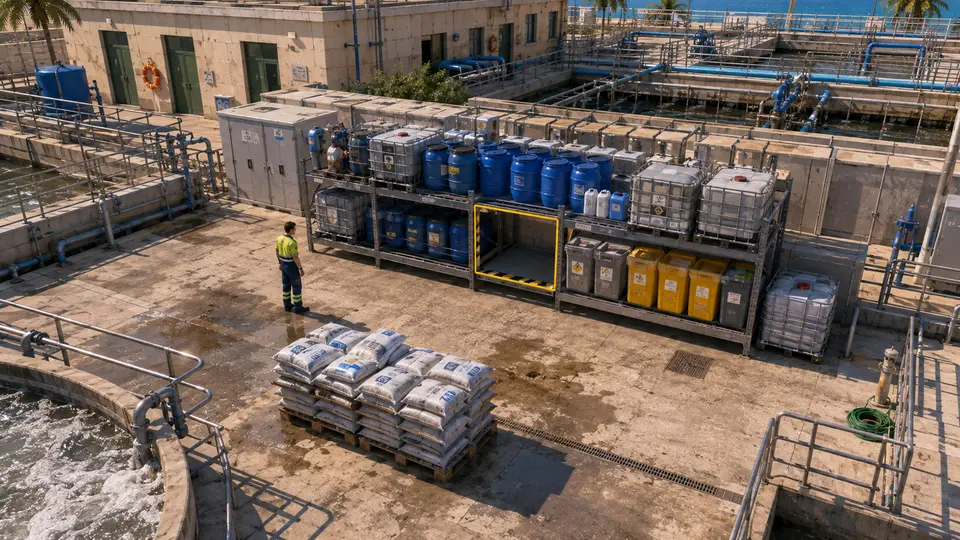
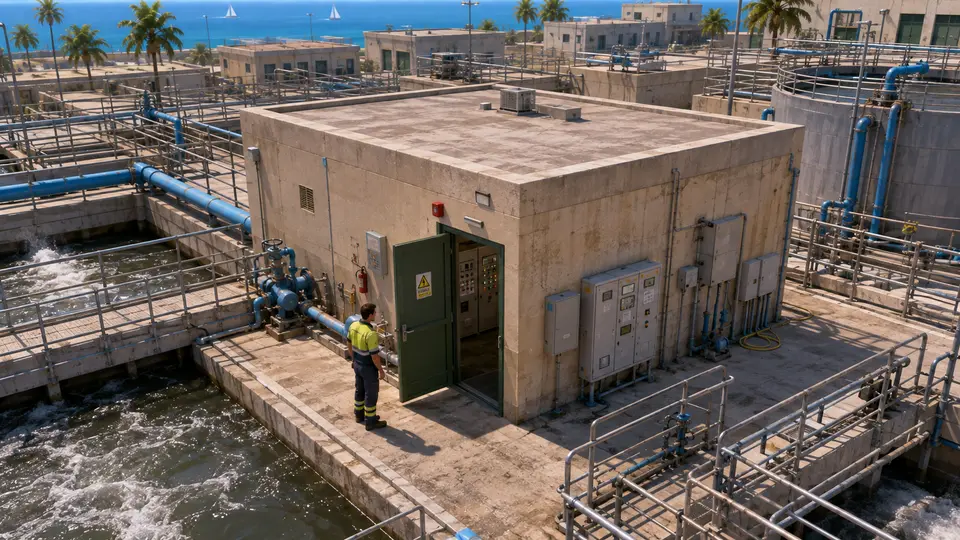
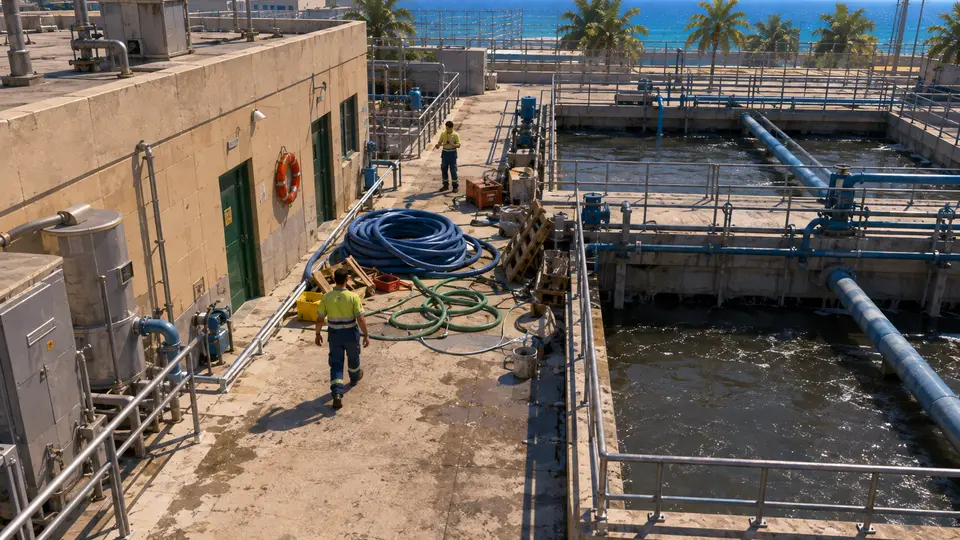
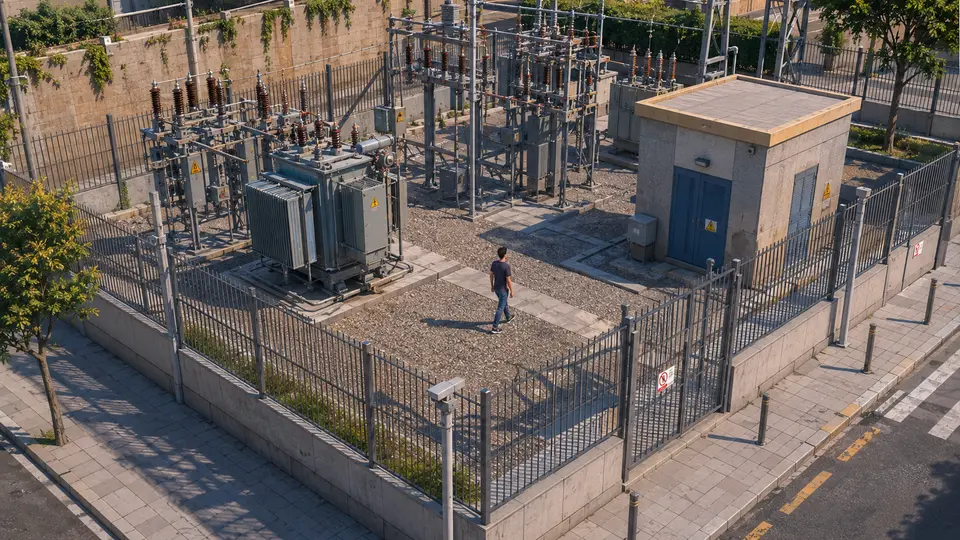
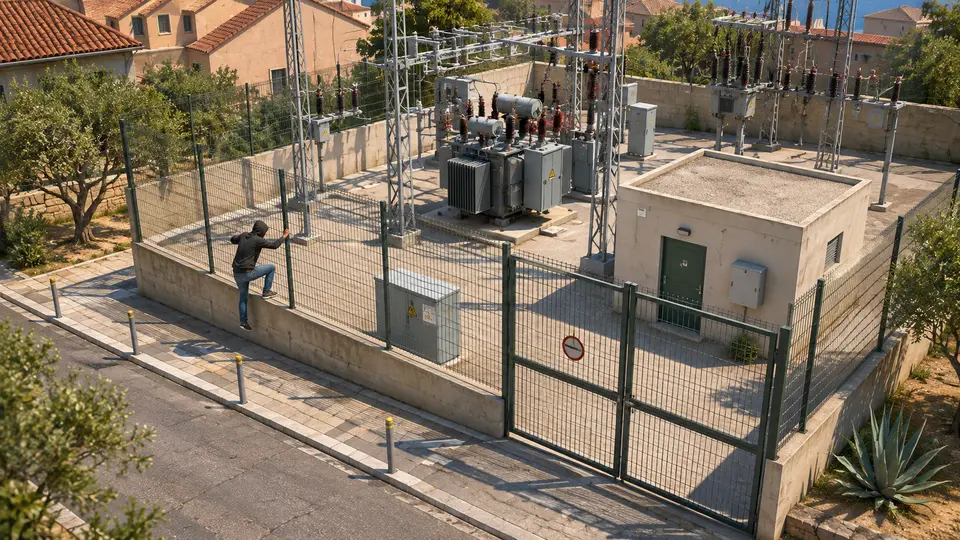
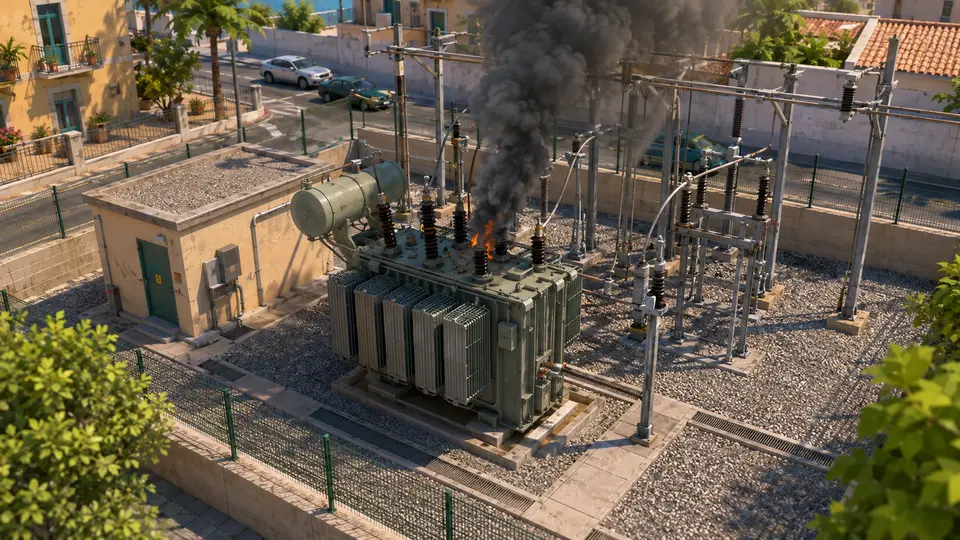
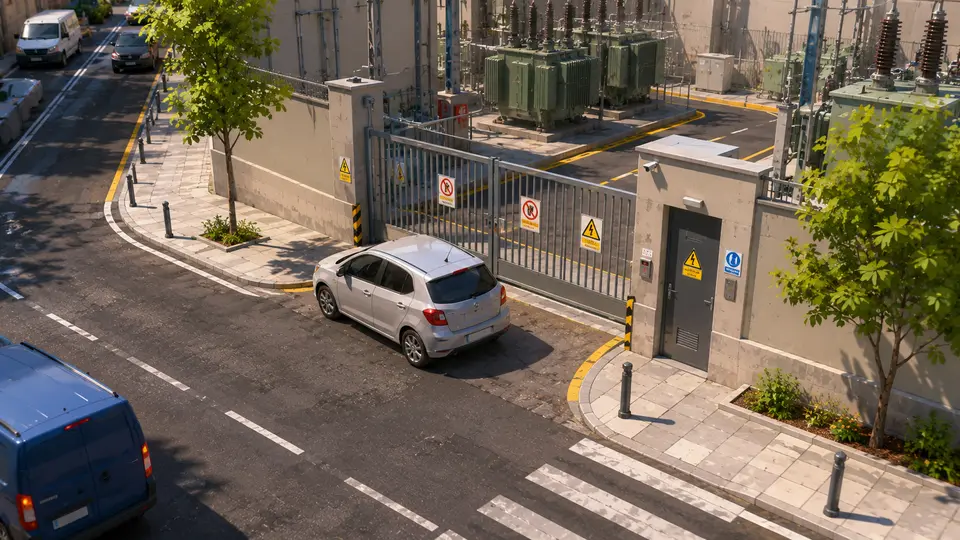
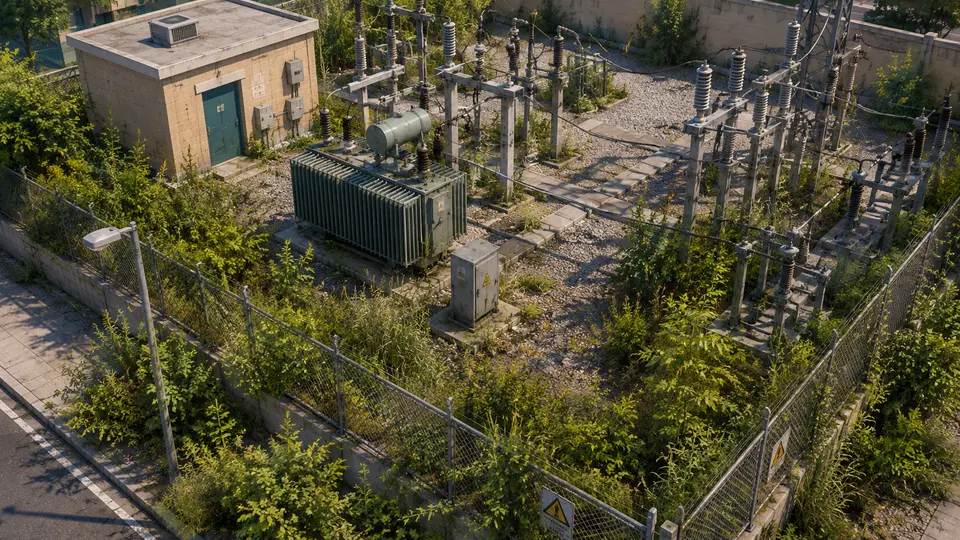
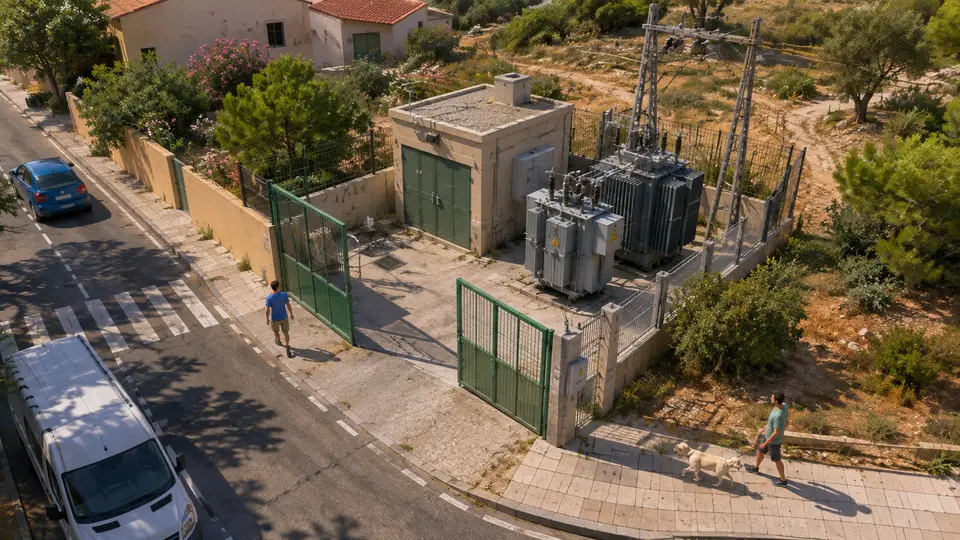
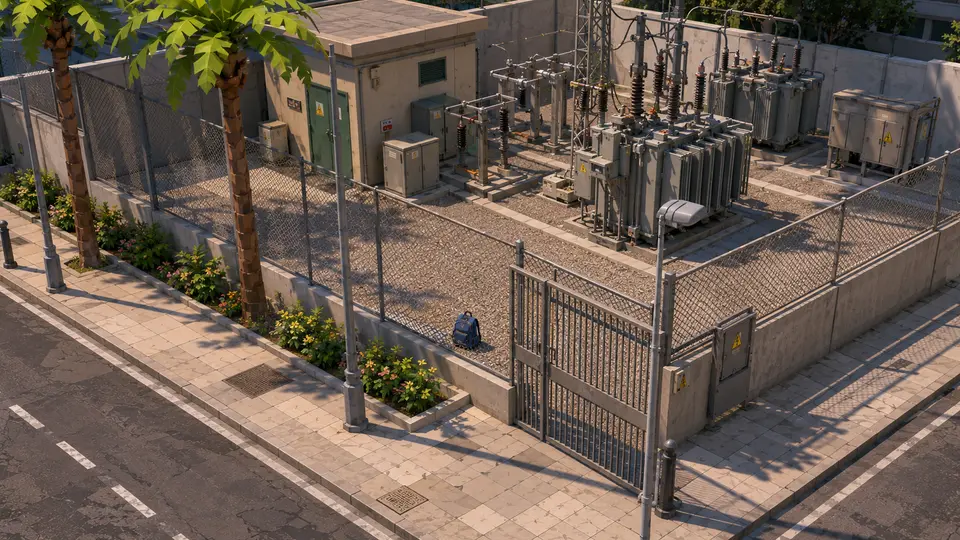
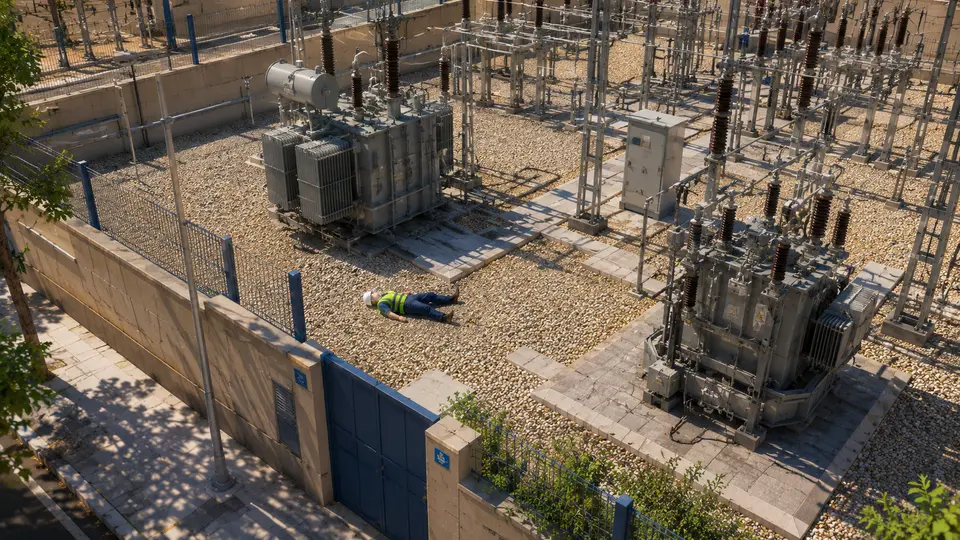
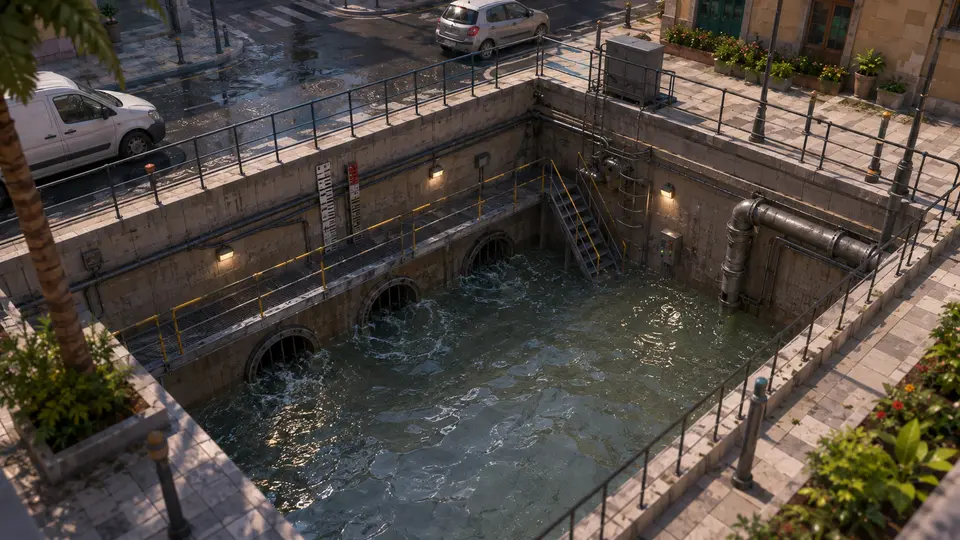
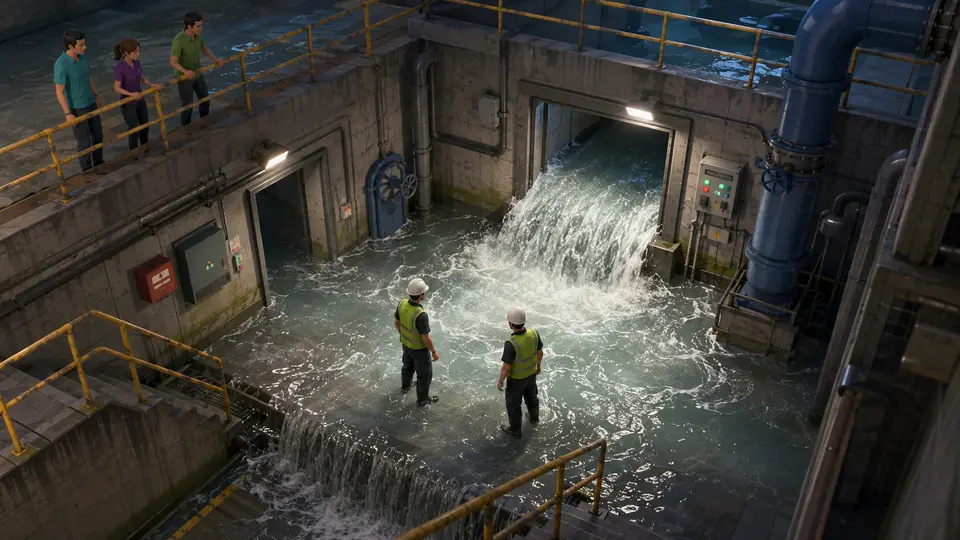
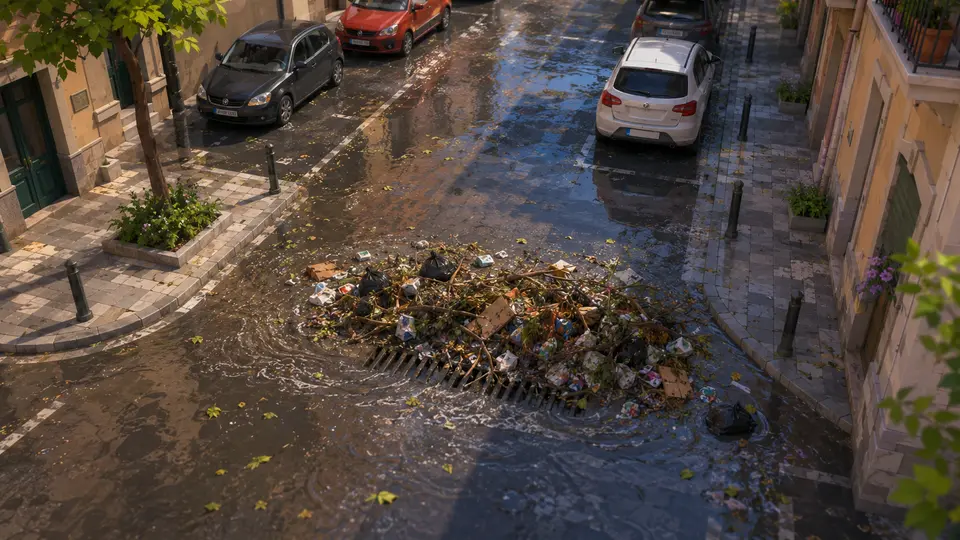
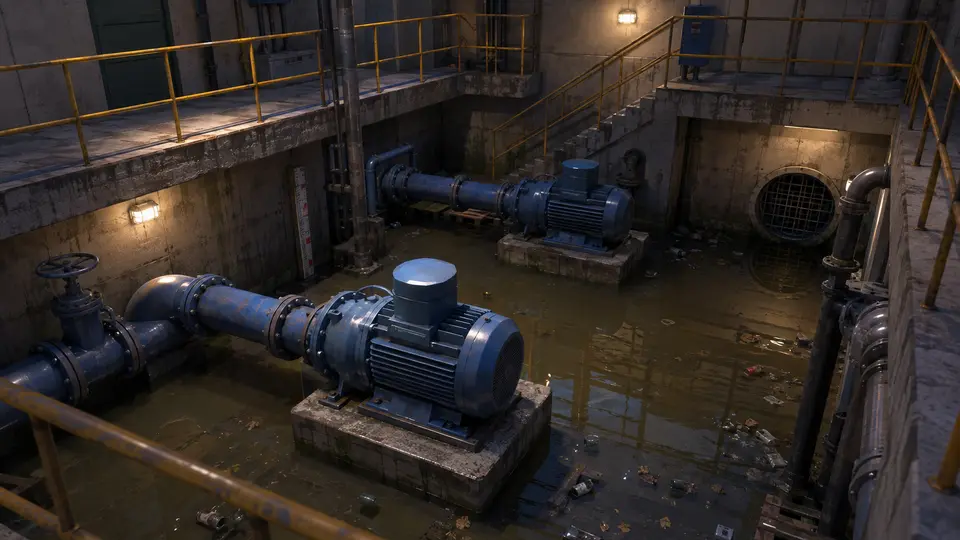
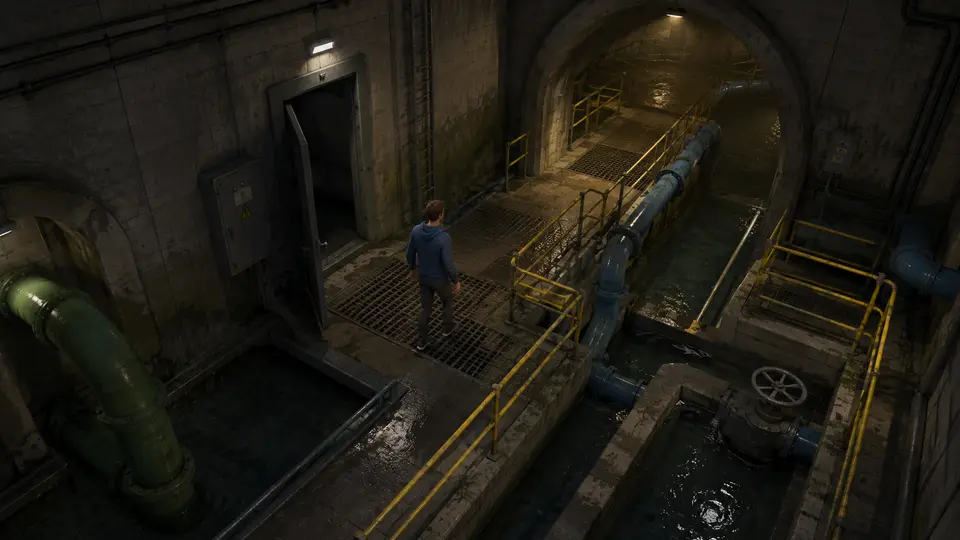
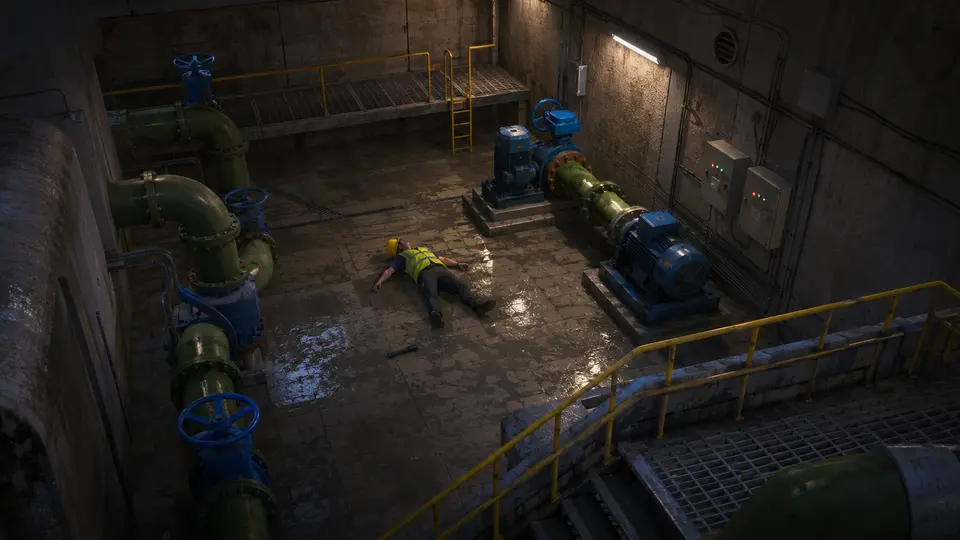
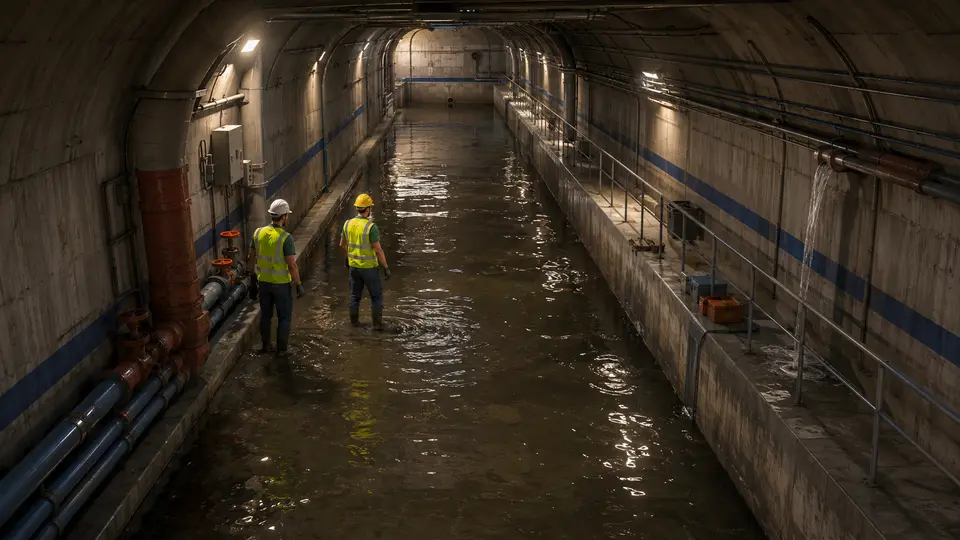
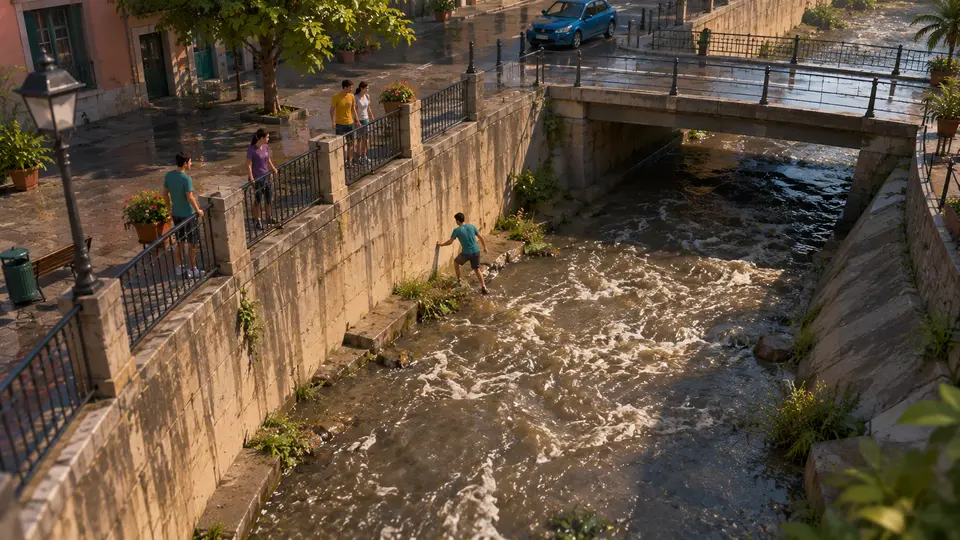
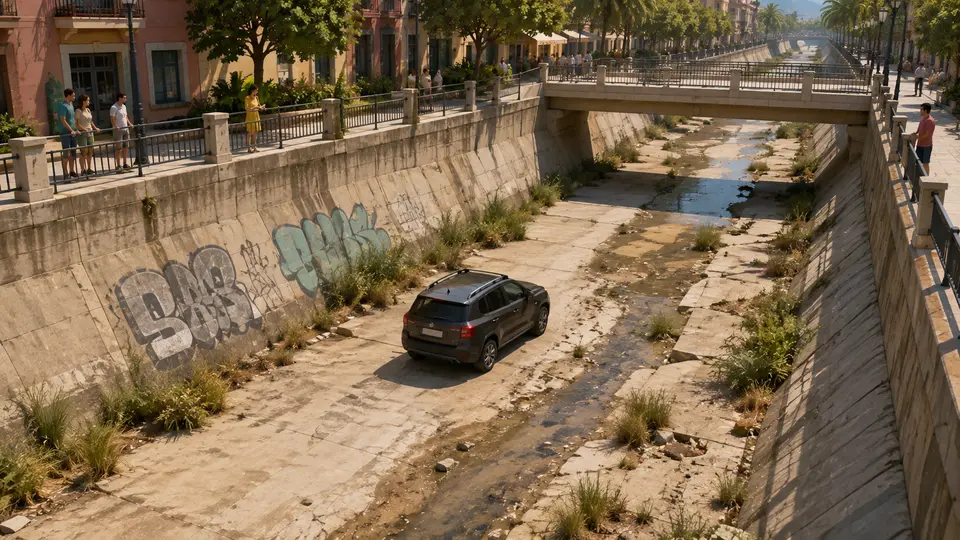
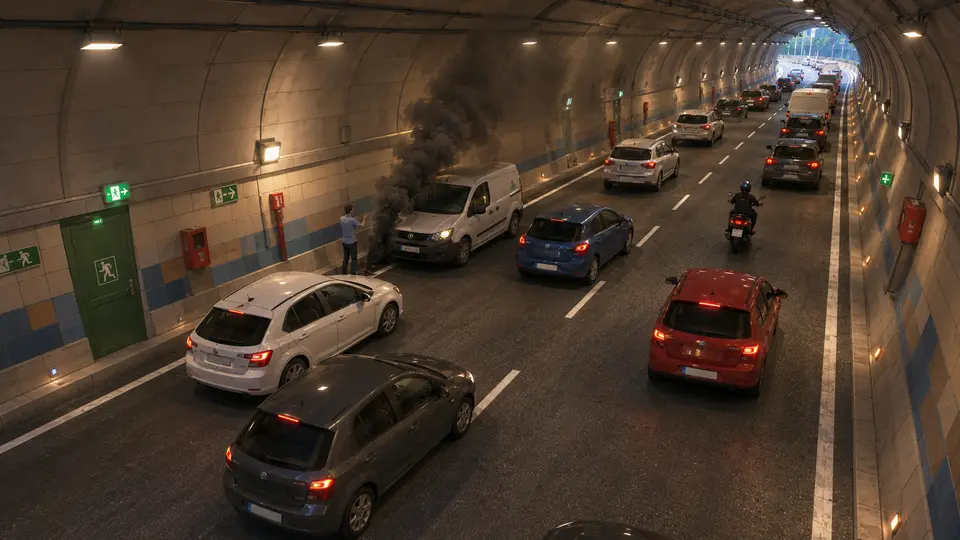
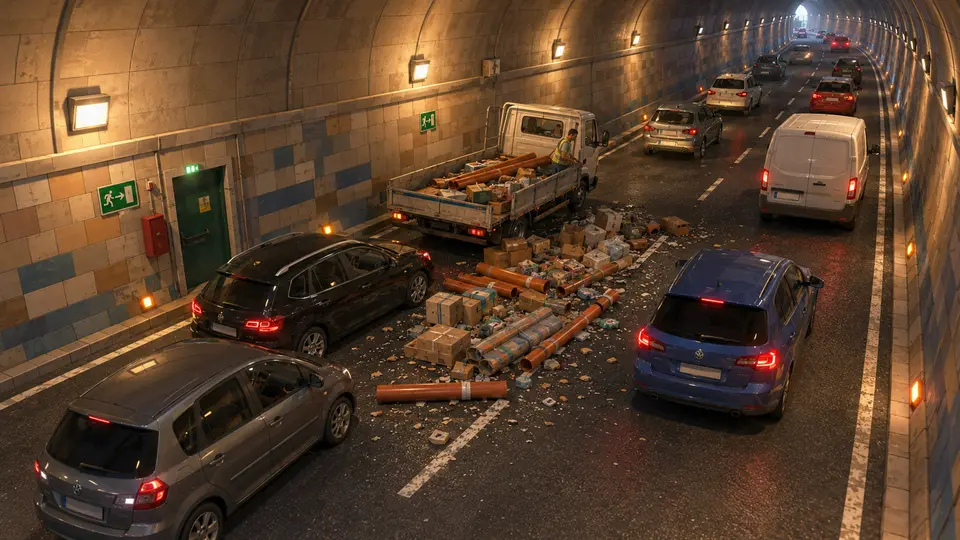
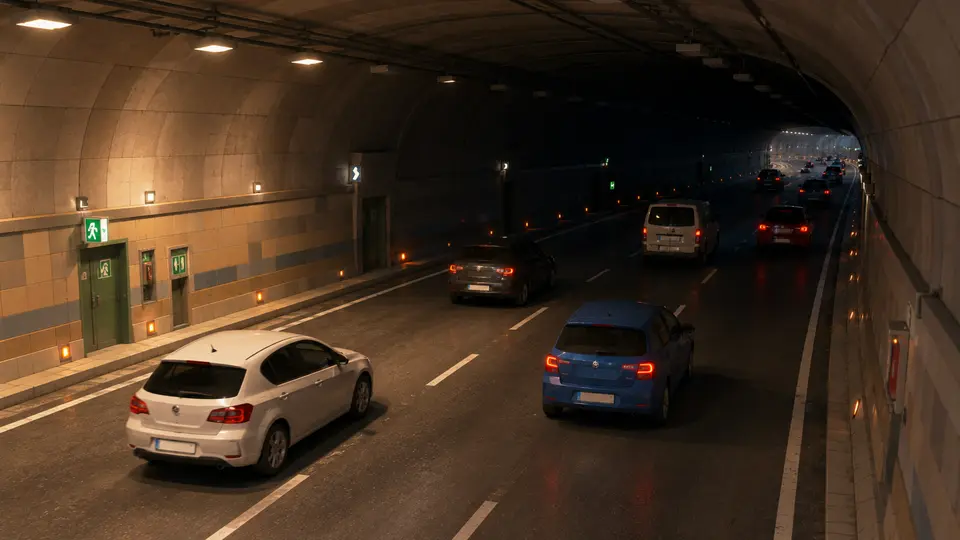
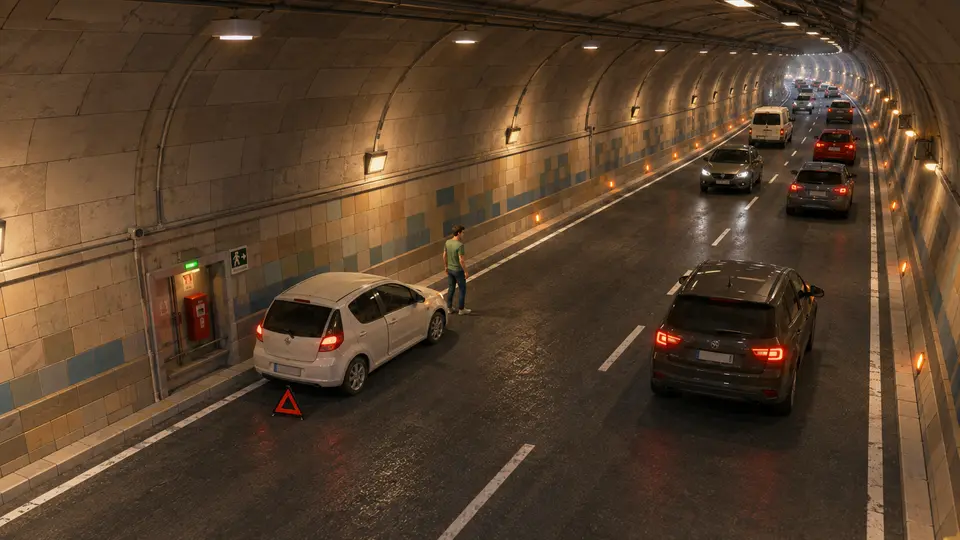
We show forty-four cameras here, in seven families: a dam, a treatment plant, a substation, a storm tank, a dry riverbed, a landfill and a tunnel. They have nothing in common, and they share one thing no other zone on this site shares: there’s almost never anybody in front of them. That’s why what happens in them gets found out late. IRIS does not identify anyone and does not predict anything: it flags what is happening, while it is happening.

Without IRIS these are sites with almost nobody watching them.
AI-generated image
What IRIS is
IRIS watches over your critical infrastructure.
IRIS looks at the cameras you already have at the dam, the water plant, or the power plant, and understands what it sees: someone entering where they shouldn't, a strange vehicle, an overflow, the perimeter. When something like that happens, it lets you know right away; and whatever can be counted, it counts in numbers. All day long, with no one needing to watch a screen.
You tell it what you need to watch, and IRIS does it.
Works with the cameras you already have. Nothing to replace.
A person replies, not a form.
- Your footage never leaves your premises.
- It doesn't identify people.
- Certifications →
What’s at stake at a site with nobody in front of it
A substation has no staff: it gets visited. A storm tank sits empty and dark three hundred days a year, and the day that matters it is raining and nobody can go down to look. A dam, a canal, a landfill or a tunnel spend most of the year with nobody in front of them. That’s why what happens there is almost never found out while it happens: it’s found out from the next day’s damage, from a neighbor’s phone call, or at the annual inspection. And the cameras are already up and already paid for. What’s missing is somebody looking at them when it counts.
IRIS watches for you. It analyzes every camera the site already has, all at once, and only interrupts when a rule the operator wrote is met — one sentence, in their own words: somebody on the dam crest at night, a car parked at the access for more than twenty minutes, logs piling up in front of the spillway, a critical door left open, a worker on the ground who isn’t getting up. The alert arrives with the camera, the time and the video, to whoever is on call. And the same sentence is written the same way at the dam, at the treatment plant and at the tunnel. There are even places where there’s nothing to decide at all: inside a substation perimeter there should never be anybody, so the rule takes five words and the alert leaves no room for doubt. On a platform you have to decide how many people is too many; here you don’t.
And now the limits, in full and without ducking, because knowing them is what makes the alert useful. IRIS reads a level against a visible physical reference — a painted gauge, a step, the edge of a chamber — and it isn’t a water level gauge. It sees a gate in a position, and it reads no telemetry. It sees a flooded pump room with the pumps still, and it doesn’t know whether a pump is running. All of that is an observable signal, not a process measurement. It doesn’t replace the site’s instrumentation: it’s there to give warning with margin, which is a different thing and very often the one that is missing. And there’s one thing it can do that surprises people: if the camera is a thermal one, IRIS does read temperature, because there the temperature is the image. It sees the hot spot before there’s any smoke. In a waste heap the fire starts inside, and by the time smoke shows it’s been going for hours. IRIS works with whatever cameras are there, and plenty of substations and waste plants already have thermal ones up for exactly this.
And three things said out loud. First: IRIS does not identify anyone. It sees “a person on the dam crest” or “a vehicle stopped at the access”; it does not see who that person is or whose car that is. It does not recognize faces, does not read license plates and compares nothing against any database. Second: IRIS doesn’t predict. It doesn’t predict a flood, or a breakdown, or a fire. It flags what is happening and is already visible. Third: IRIS operates nothing. It opens and closes no gate, stops no pump and replaces no flood warning system. It gives warning earlier, so that a person decides.
The real scale
Forty-four cameras here. Hundreds of sites spread across a whole province.
This demo shows forty-four cameras because forty-four fit on a page. A water utility, an electricity network or a road concession don’t fit: they’re hundreds of sites spread across a whole province, joined by miles of canal, of gallery and of line. And here the axis is neither passengers nor square feet: it’s the miles spread out and the hours with nobody there. One visit every two weeks. Three hundred days a year empty. Between one visit and the next, the only constant presence is a camera recording in case somebody has to look one day. That’s the problem IRIS solves: it analyzes however many cameras there are, at every site, every hour of the year, and only interrupts when a rule is met.
Examples
These forty-four are just examples.
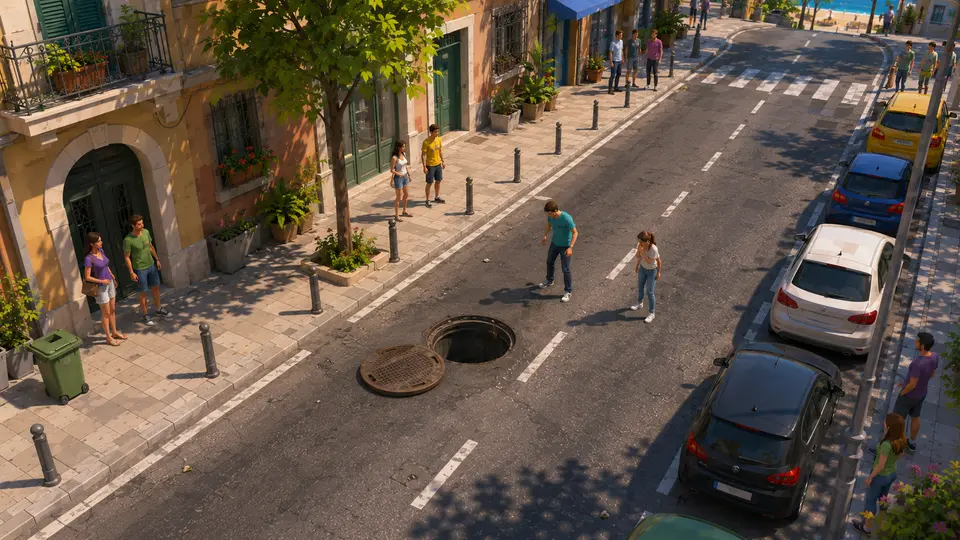
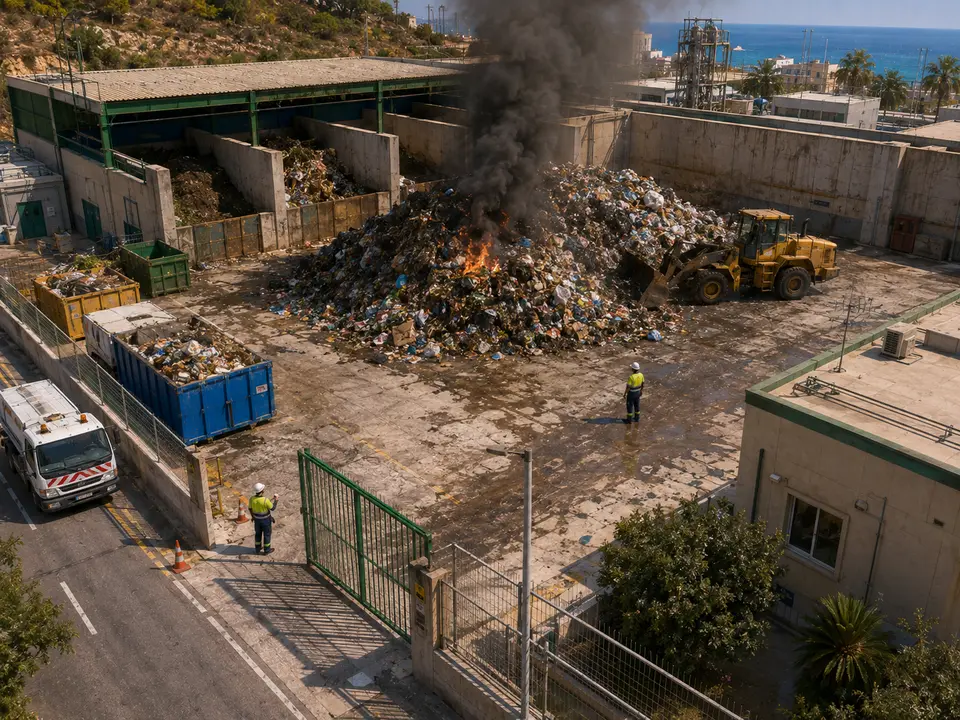
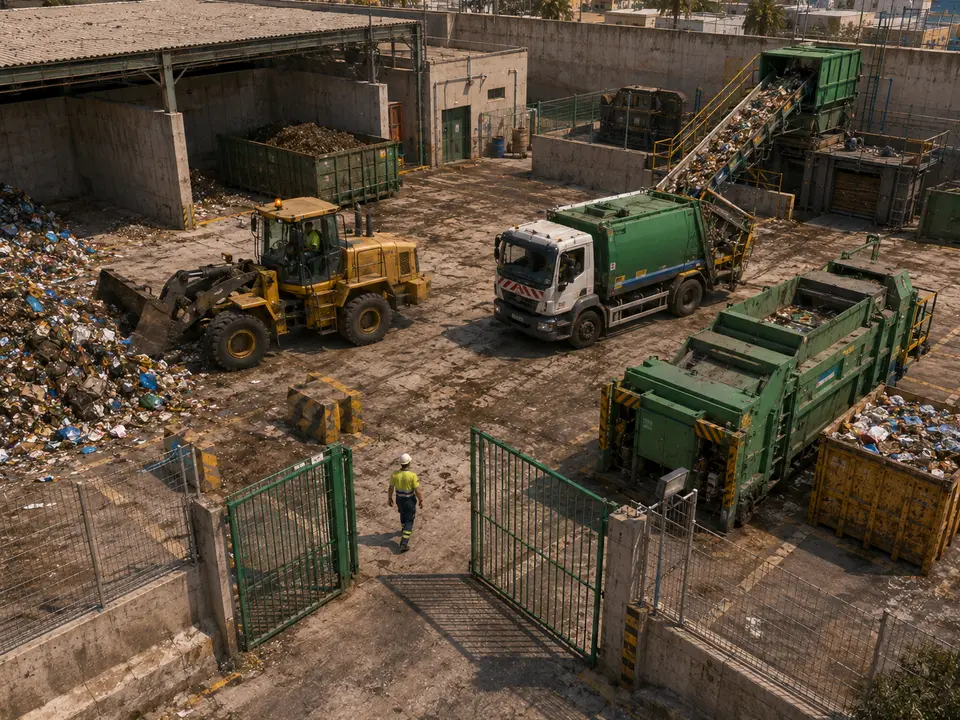
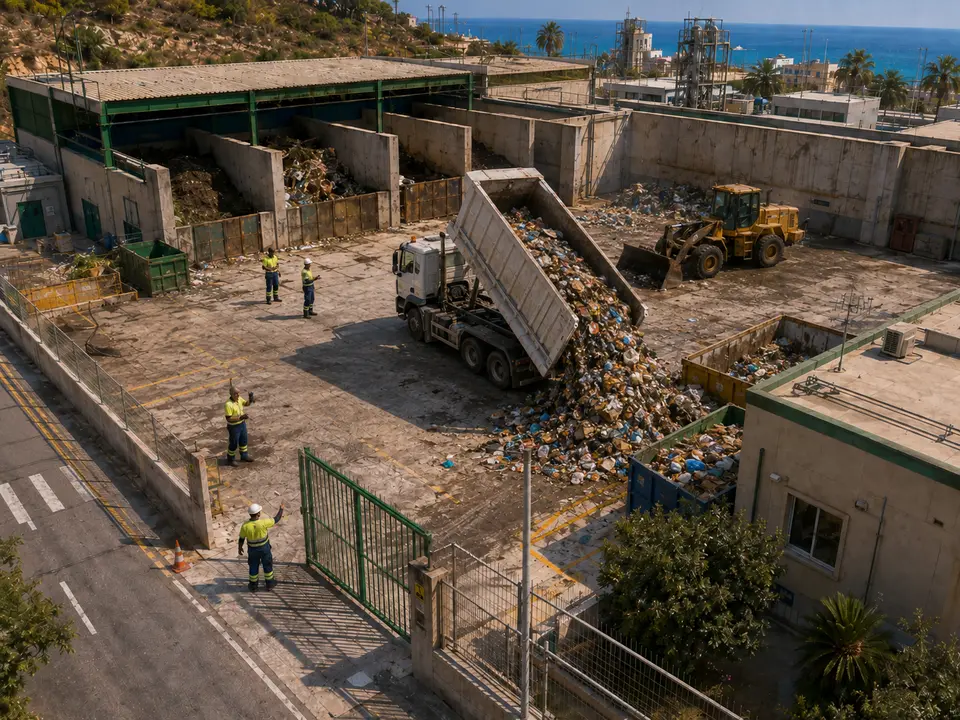
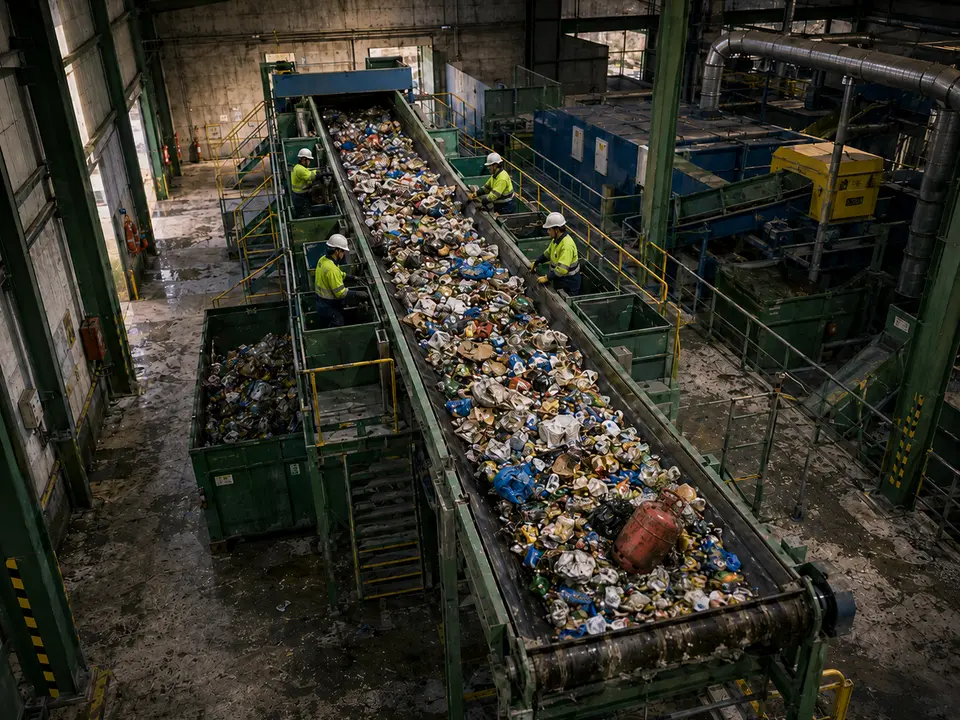
They come in seven groups, ordered by type of site and not by type of data: dams and reservoirs, water and treatment plants, substations and the grid, storm tanks and drainage, rivers, dry beds and canals, waste and landfill, and tunnels. They’re the forty-four that fit on a page, not the forty-four things IRIS can do here. And notice one thing as you go through them: the site changes, what has to be watched changes, and the system doesn’t. Open any of them and you’ll see the image as it is, and then with what IRIS understands on top.
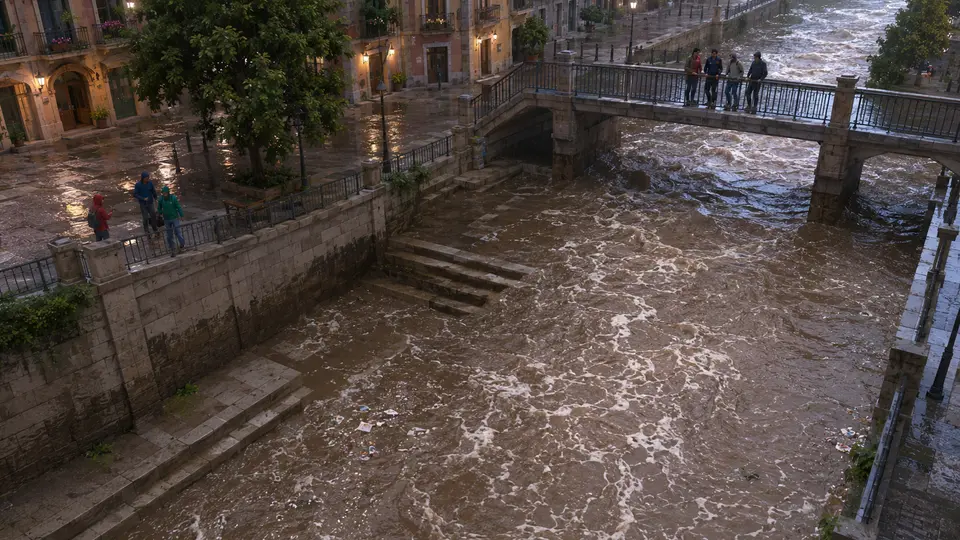
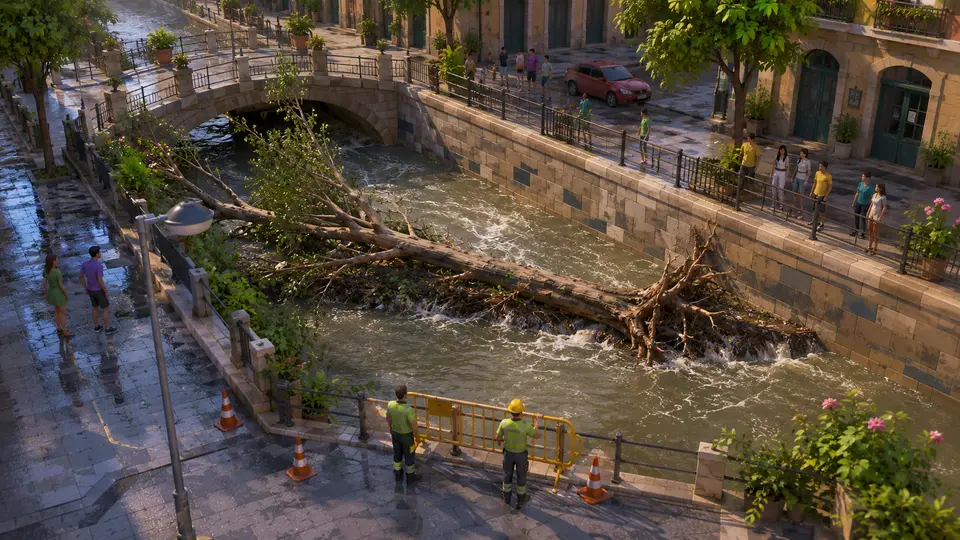
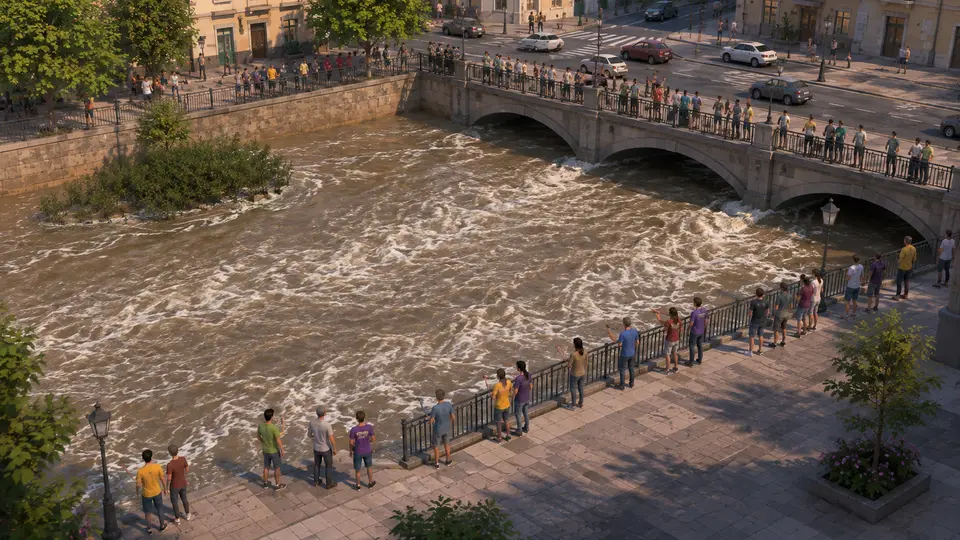
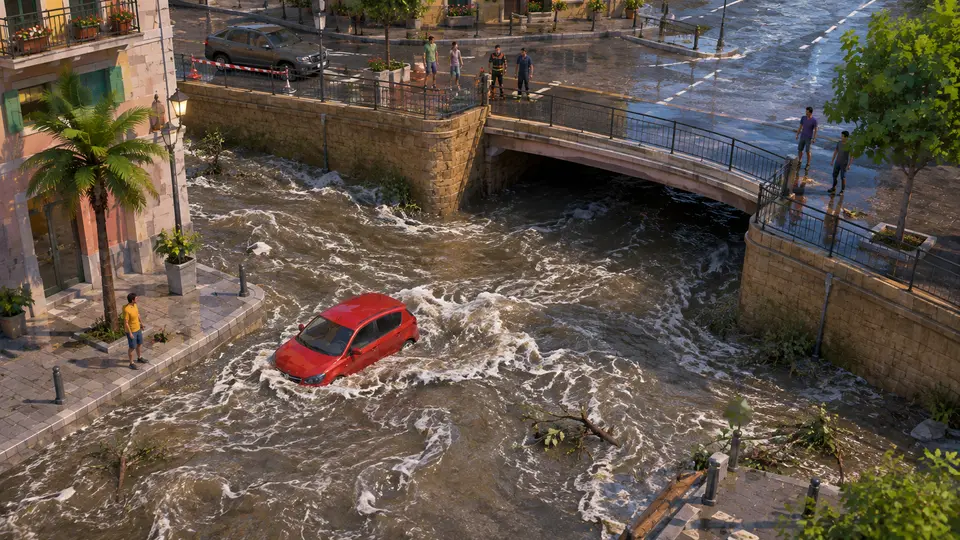
See it for yourself
We won’t just tell you. We’ll show you.
It’s a summary of the real screen: it plays by itself, step by step, and shows only the path of one case. The actual tool has far more than fits in here.
- The hour, as a grid
- You look where it’s dark
- You jump to that minute
Now think about your own sites
Imagine finding out that same night, and not at next month’s inspection.
The logs that piled up in front of the spillway during the flood. The car that had been parked for two hours at the crest access, on a Tuesday night. The foam that overflowed the clarifier at four in the morning. The drum missing from its slot in the chemicals compound. The one who climbed the substation fence on Sunday. The scrub that had been growing between the equipment for two months. The pump room that flooded with the pumps standing still. The manhole left open and unmarked. The tree lying across the canal. The people who leaned over to watch the water come down. The fire that started in a heap at the landfill. The gas cylinder that went into the sorting belt. The car stopped inside the tunnel with the driver outside it.
All of that is happening in front of cameras the site already has up. And right now nobody knows: there’s nobody in front of them, the next visit is a two weeks away and the video only gets watched once there’s damage to explain. IRIS watches all those cameras at once and says it while it’s happening, to whoever is on call. Inside the site itself, even with no internet. In front of cameras that already exist.
What the people who answer for the site ask
The ten questions that come up before the first rule gets written.
Answered in the first line, straight, and without promising anything a camera can’t see. IRIS raises the alert; the decision stays with a person.
Does IRIS identify anyone? Does it read license plates or recognize faces?
No, IRIS does not identify anyone: it does not read license plates and does not recognize faces. What it sees is “a person on the dam crest” or “a vehicle stopped at the access,” where they’re and since when. It compares nothing against any database and stores nobody’s identity. If what you need is to know whose car that is or who came in, this doesn’t do it, and we’d rather say so now than later.
Does IRIS predict a flood, a breakdown or a fire?
No, IRIS doesn’t predict a flood, a breakdown or a fire. IRIS predicts nothing. It flags what is happening in front of the camera and is already visible: water that has already gone past a reference mark, logs already piling up in front of the spillway, smoke already coming off a heap. That arrives before the damage does, which is why it’s worth having; but it’s the warning of something under way, not a forecast. With a camera nothing else can honestly be promised.
Does IRIS open a gate or stop a pump when it sees a problem?
No, IRIS opens and closes no gate, stops no pump and triggers no operation. Nor does it replace the site’s instrumentation: not a level sensor, not the electrical protection, not a fire suppression system, and not any flood warning system. It’s a layer that watches the cameras and gives warning earlier, so that a person decides. Everything that operates the site stays yours, and it stays decided by whoever decides it today.
How does IRIS know the water has risen?
IRIS knows the water has risen because it sees it above a physical reference that is there in the image: a painted gauge, a step, the edge of a chamber, an embankment. That reference isn’t described in a sentence, it’s traced on the image: that’s why the reading comes out the same way every day and can be audited. And it needs saying plainly: that isn’t a water level gauge. It gives no height in feet and replaces no instrumentation. It says “the water has gone past this line,” which is very often exactly what nobody’s watching.
What can a camera see, and what can it not?
A camera can see what is visible and can’t see what isn’t, and being clear about that before writing a rule saves trouble later. IRIS sees a gate in a position, and reads no telemetry and doesn’t know whether the command got through. It sees a flooded pump room with the pumps still, and doesn’t know whether a pump is running. It reads a level against a visible physical reference, and it isn’t a water level gauge. Those are observable signals, not process measurements: they’re there to warn with margin, not to replace your sensors. That said, if the camera is a thermal one then temperature is visible, because there the temperature is the image: IRIS finds the hot spot before there’s any smoke. In a waste heap the fire starts inside and by the time smoke shows it’s been going for hours; in a substation, a connection heating up shows before anything burns. And there’s nothing new to buy: IRIS watches the thermal cameras you already have exactly as it watches the rest.
How many alerts are we going to get a day?
You will get the alerts your rule asks for, and bounding that rule is the work of the first month. At a site with no staff this matters more than anywhere else: a badly bounded rule fires a hundred alerts nobody reads, and within a week the system is turned off. That’s why a rule isn’t “tell me if there is somebody.” It is “tell me if there is a person inside the fenced compound, between ten at night and six, for more than twenty seconds.” Zone, hours and duration. With those three, most nights nothing goes off — and the night it does, somebody looks.
A lot of these sites have no internet. Where does the video get processed?
The video can be processed inside the site itself, with no route out to the internet. It’s the mode that defines the product, and this is where it shows most: a local machine analyzes the cameras and applies the rules right there, and the images never leave your network. If there’s a connection, the alert also reaches the control room or the phone of whoever is on call; if it drops, IRIS keeps watching and keeps storing what it has seen. It can also be processed in our own data center or in the cloud. You choose, site by site.
There’s nobody here at four in the morning. Who does the alert reach?
The alert reaches whoever you decide, because at four in the morning there is nobody in front of the cameras and that’s precisely the problem. It can go to the control room, to the phone of the person on call, to the security company you have under contract, or to all three at once. And it arrives with the camera, the time and the video of that moment, so that whoever receives it can decide without getting up: this can wait until morning, or somebody has to go and look now. It’s all stored, so the next day nothing has to be reconstructed out of hours of recording.
Who decides what counts as an alert and what doesn’t?
The operator of the site decides, not IRIS. You write the rules, in your own words and in one sentence, because you’re the ones who know what is normal at your plant and what isn’t: whether authorized vehicles use that service track every day, whether that door may be open during working hours, past which line the water stops being normal. IRIS brings no factory criterion and does not decide on its own what matters. It applies yours, the same way every time, every hour of the year. And when the operation changes, you change the sentence.
A dam and a landfill have nothing in common. Do we need a system for each type?
A dam and a landfill have nothing in common, and you don’t need a system for each: it’s the same one. This page shows seven types of site — a dam, a treatment plant, a substation, a storm tank, a riverbed, a landfill and a tunnel — with the same rules, written the same way and in one sentence. That’s why it also works when you haven’t one site but hundreds, spread across a whole province and of seven different kinds: one way of writing rules, one place the alerts arrive, one thing to learn.
Next step

Who watches the cameras of a whole city?
23 cases: 18 raise an alert when something happens and 5 only measure. You see each image as it is, and then with what IRIS understands on top.

Who watches an entire highway?
10 cases: 8 raise an alert when something happens and 2 only measure. You see each image as it is, and then with what IRIS understands on top.


And the best part
Nothing changes on the wall.On the screen, everything changes.
Same brackets, same cabling, same cameras. The only difference is that those images are now understood as they come in, instead of waiting for someone to open them.
Tell us your problem and we’ll say whether IRIS understands it, or not yet.
A person answers, the same working day.