Who is watching the yard screen when the fight starts?
In a prison, data classifies nobody. It’s there so nobody arrives too late.
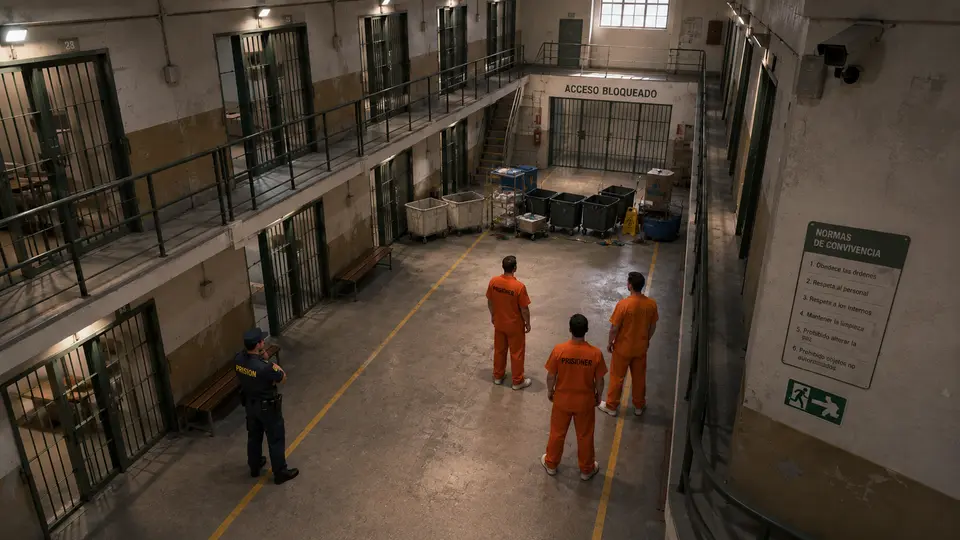
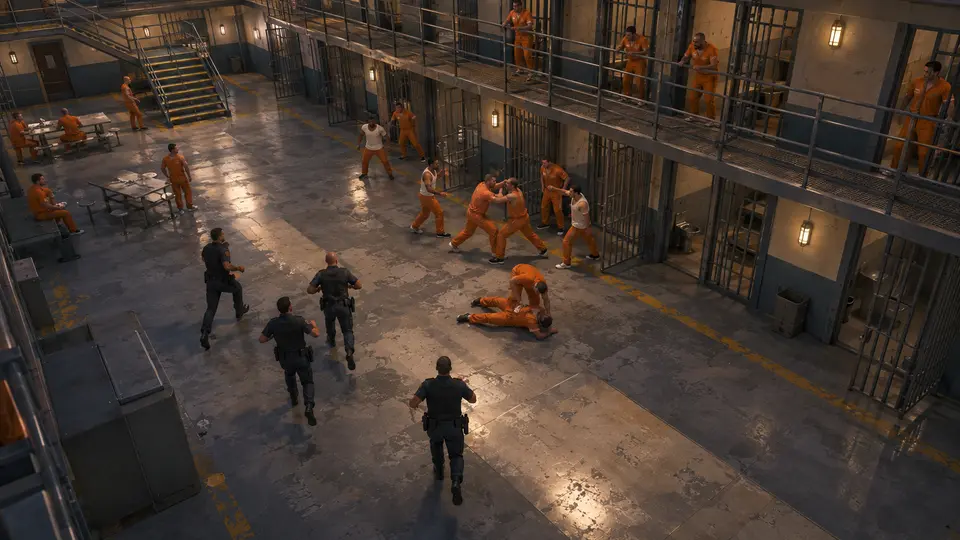
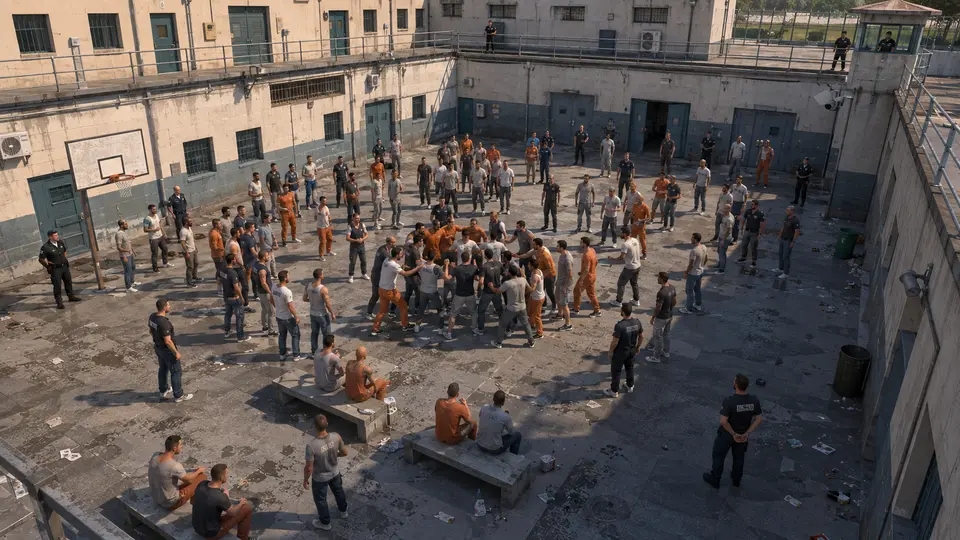
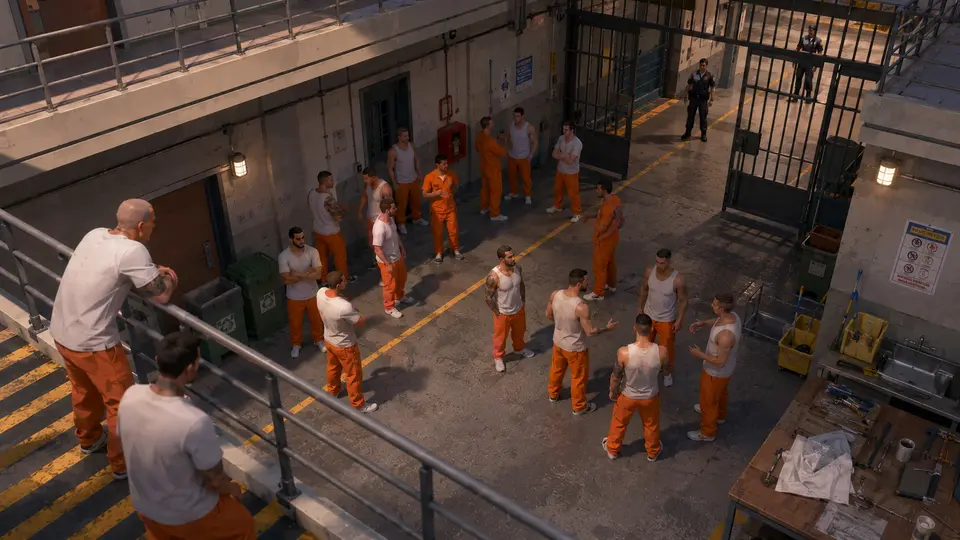
We show seventeen cameras here: sixteen that raise an alert when something’s under way and one that alerts nobody, it just measures. And first of all, because it’s the first thing anybody thinks of on hearing “cameras” and “prison”: this isn’t a system for classifying the people held here. IRIS identifies nobody, keeps a file on nobody and predicts nothing. It detects situations the facility itself has defined.

Without IRIS this is hundreds of screens and two people watching them.
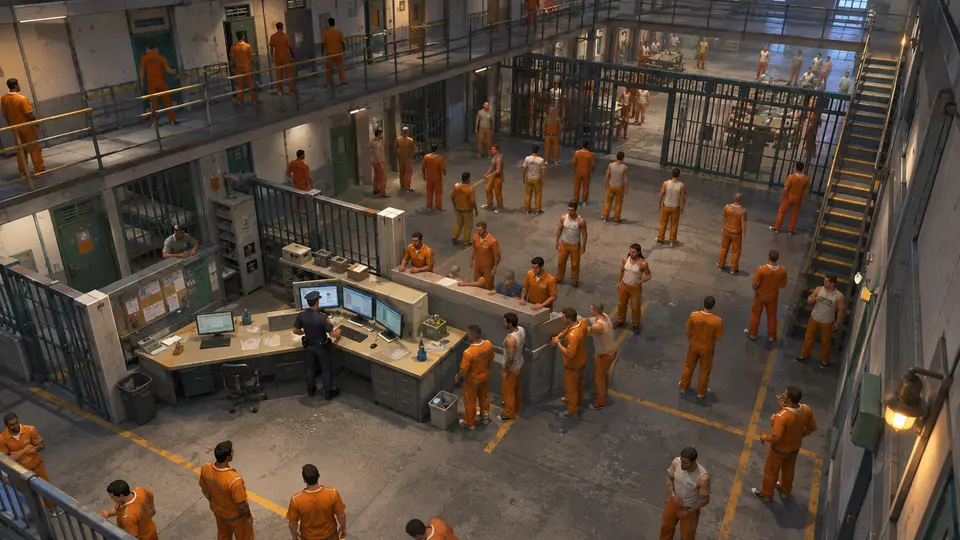
AI-generated image
What IRIS is
IRIS keeps watch over the prison for you.
IRIS looks at the cameras you already have in the prison and understands what it sees: a fight, a barricade, a crowd building up in a yard or a cell block. When something like that happens, it lets you know right away; and whatever can be counted, it counts in numbers. All day long, with no one needing to stare at a screen.
You tell it what you need to watch, and IRIS does it.
Works with the cameras you already have. Nothing to replace.
A person replies, not a form.
- Your footage never leaves your premises.
- It doesn't identify people.
- Certifications →
What’s at stake in a prison
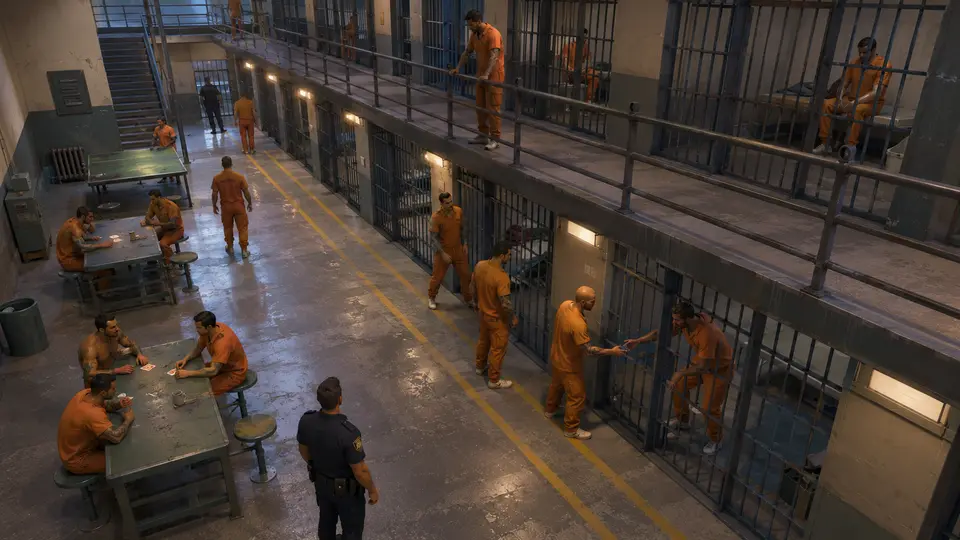
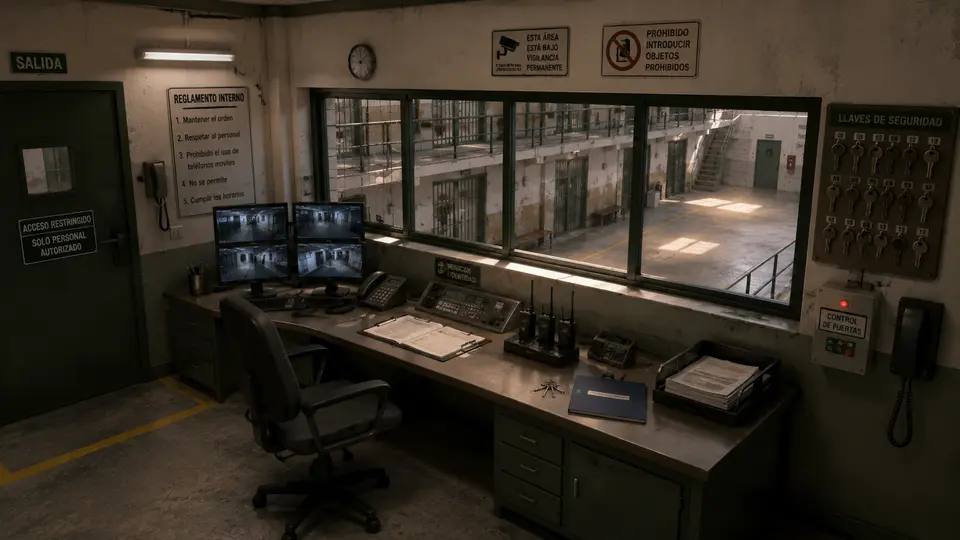
A prison has hundreds of cameras and, in the control room, two people. Nobody holds their attention on hundreds of screens for eight hours: that isn’t a failing of the officer, it’s a human limit and it happens to anyone. While you’re watching the yard, you aren’t watching the loading dock. While you’re watching the dock, the person who collapsed on the wing has been on the floor for four minutes. And the place never closes: at four in the morning there are fewer people still in front of those screens.
IRIS watches for you. It analyzes every camera the facility already has, all at once, and only interrupts when a rule the facility itself wrote is met: a person on the floor, a group gathered where nobody should be at that hour, a drone over the compound, a camera covered up. The alert arrives with the camera, the time and the video. And it arrives while it’s happening, to the person who can send somebody there.
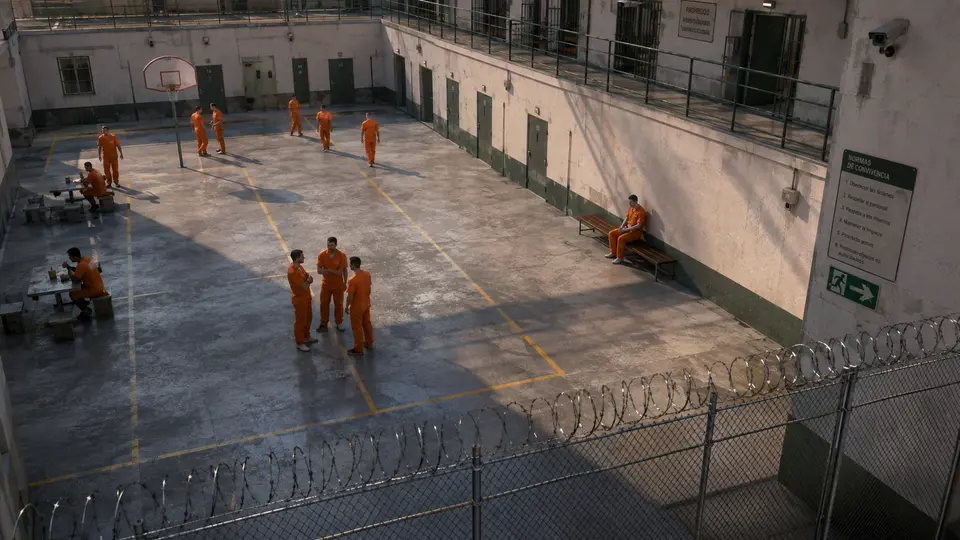
And where there’s nothing to alert about, IRIS measures. How many people are in each area right now: the yard, the dining hall, each wing. That isn’t set up by talking, it’s set up by drawing: a line can’t be described in a sentence, it has to be traced on the image. That’s why the number comes out the same way every day and can be audited. And for people counting our system is approved by the Centro Español de Metrología — Spain’s national metrology institute: the figure has been verified by an independent third party, not by us. Worth putting precisely: that approval covers people counting, not the whole product. And the official count stays the official count; this is a different thing and doesn’t replace it. The approval is Spanish. It doesn’t stand in for a U.S. certification, and we don’t present it as one.
And two things said out loud, because they’re the first ones anybody thinks of on hearing “cameras” and “prison.” First: this isn’t a system for classifying the people held here. IRIS identifies nobody, recognizes no faces, compares them against no database, stores nobody’s identity, keeps a file on nobody and does not follow any particular person around the facility. Nor does it predict or judge: it doesn’t say who’s going to do what, it scores nobody and it reads nobody’s mood. What it sees is “there is a person on the floor on wing three,” where and since when. Second: IRIS opens and closes no door, triggers no automatic alarm standing in for a decision, replaces neither the official count nor any prevention protocol, and replaces no officer. It gives warning earlier, so that a person gets there.
The real scale
Seventeen cameras here. A prison has hundreds, and it never closes.
This demo shows seventeen cameras because seventeen fit on a screen. A prison doesn’t fit. And here the axis isn’t the miles of a road or the stores of a chain: it’s the cameras and the hours. Hundreds of cameras per facility, and every hour of the day every day of the year, because a prison doesn’t close. At night there are fewer people watching still, and the hours when least is watched aren’t the hours when least happens. Putting more people in front of more screens doesn’t fix this: by the tenth screen the attention is gone, and nobody’s surprised by that. IRIS doesn’t tire and doesn’t get distracted. It analyzes however many cameras there are, every hour, and only interrupts when a rule the facility wrote is met.
Examples
These seventeen are just examples.
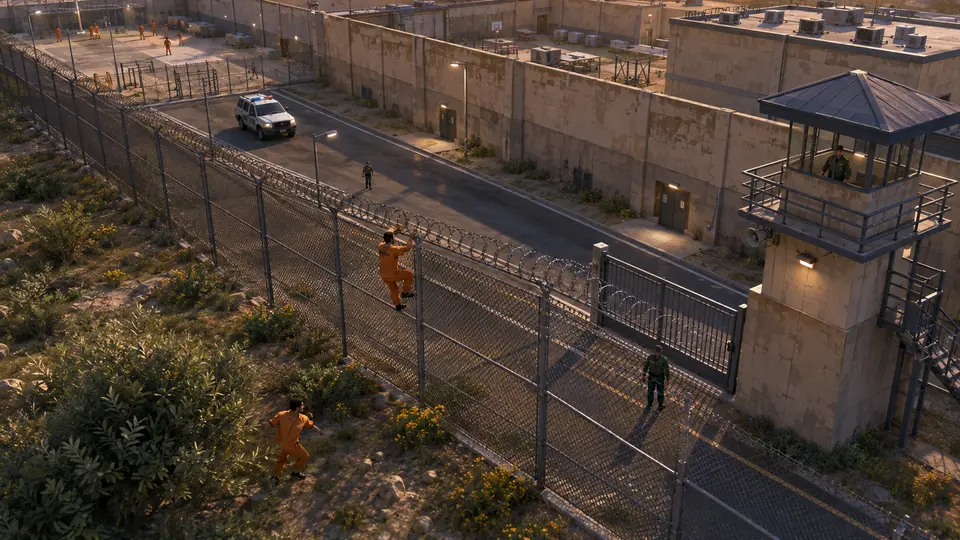
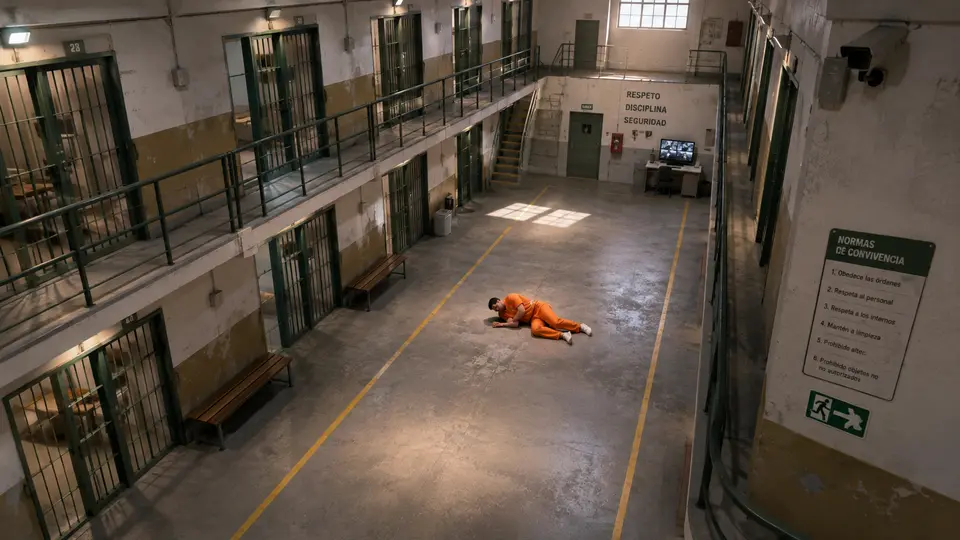
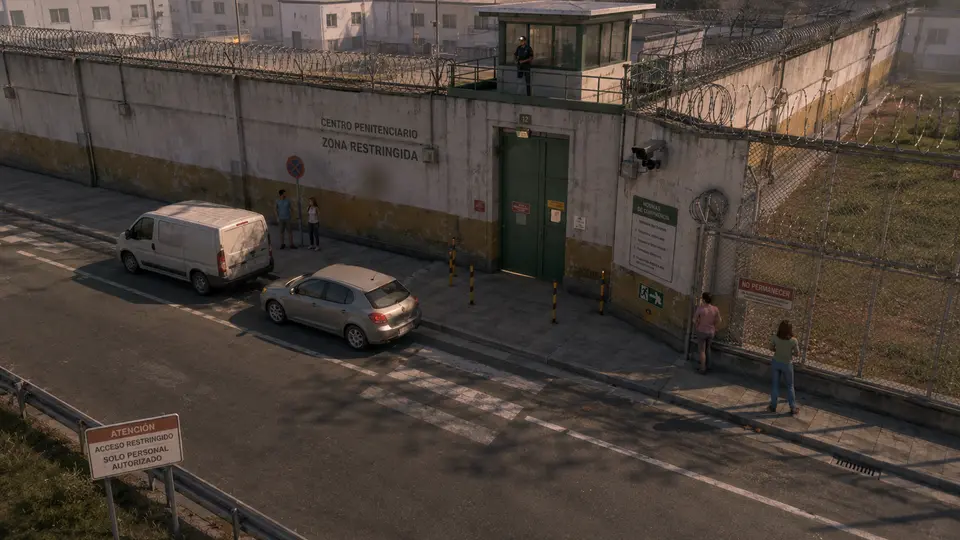
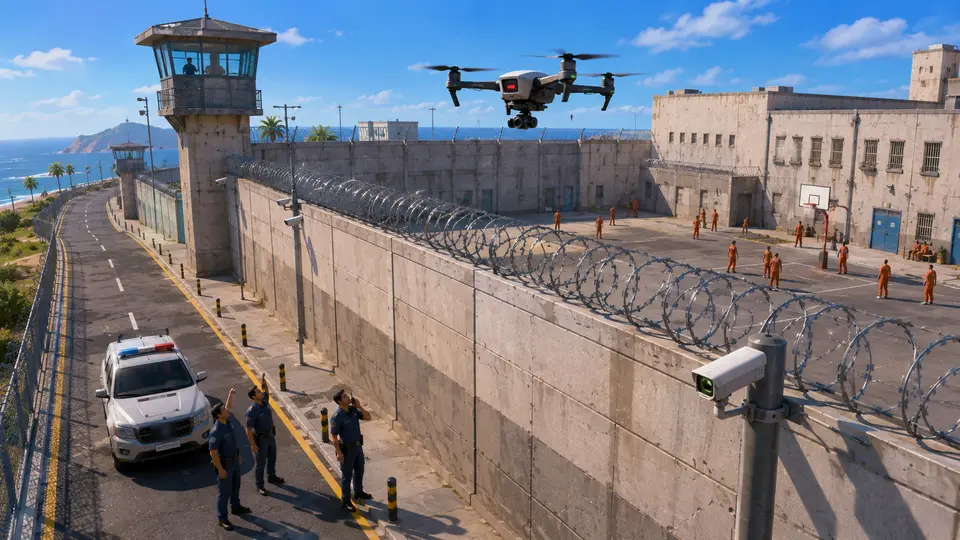
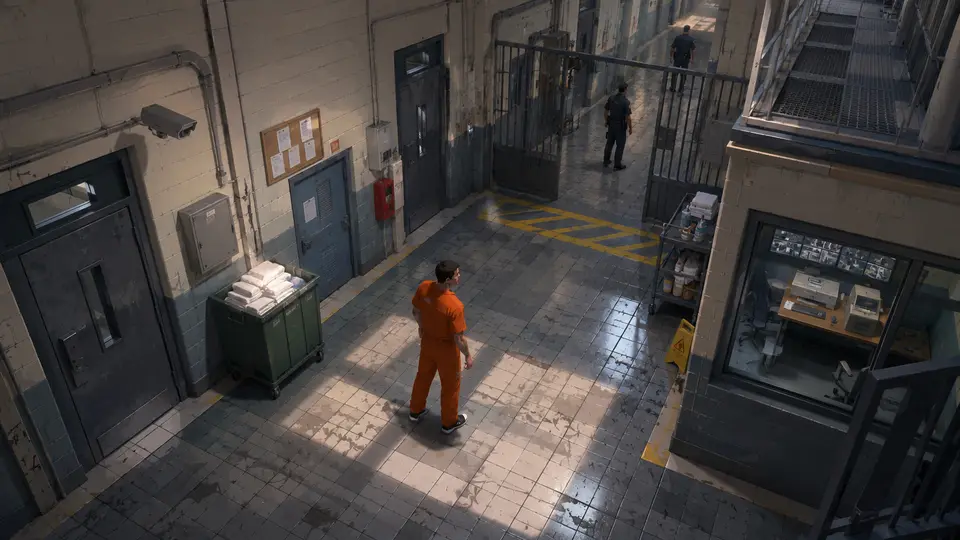
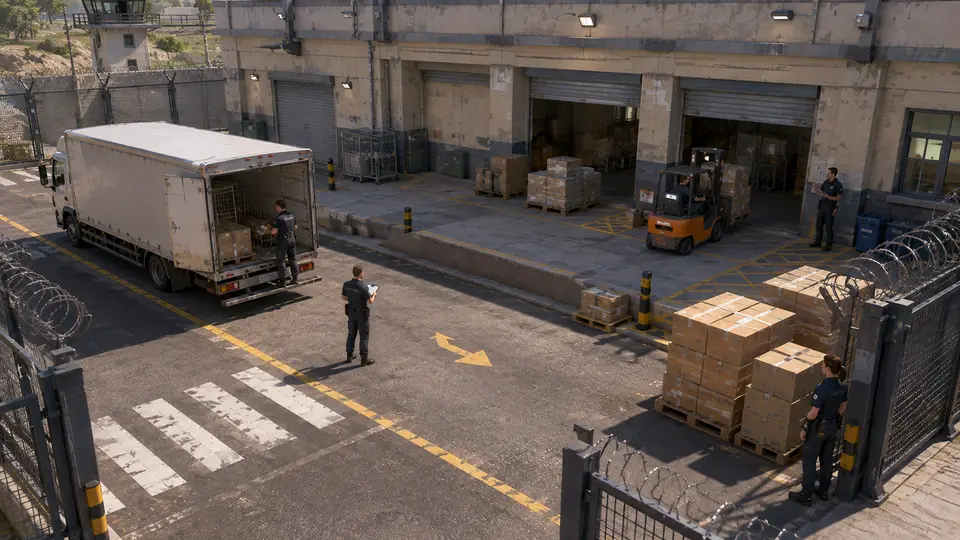
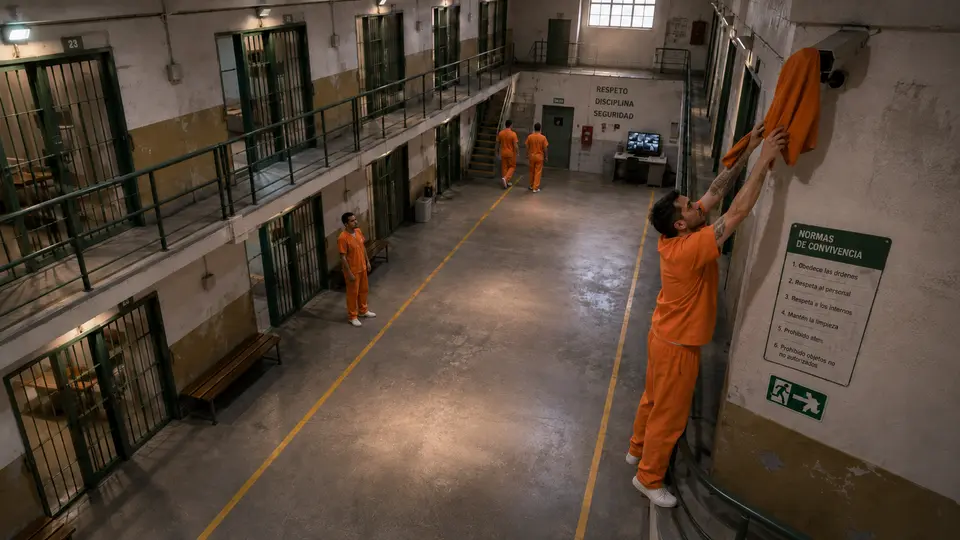
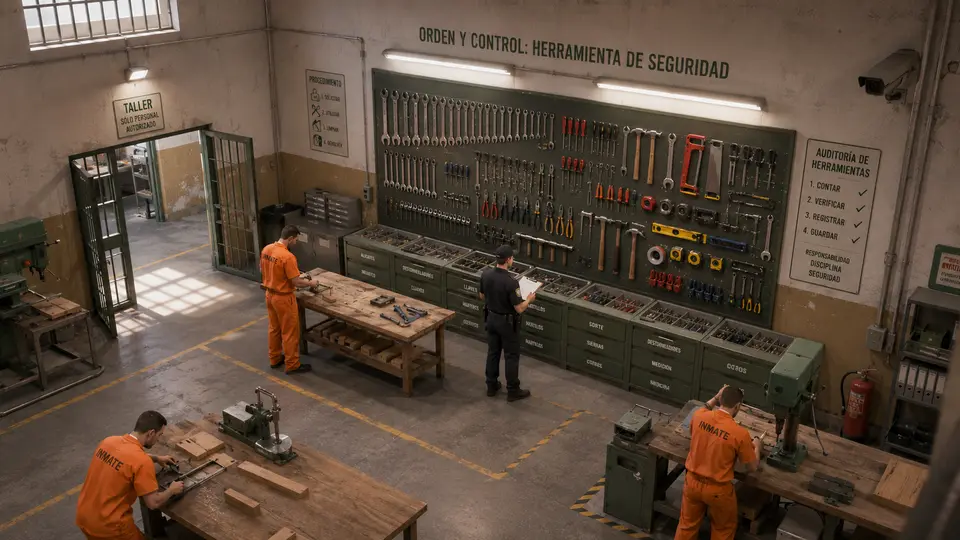
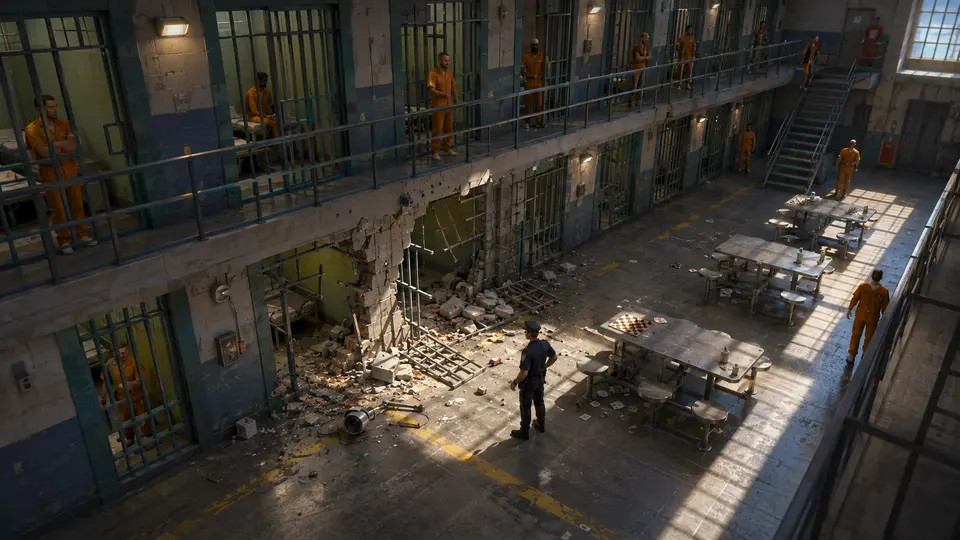
Sixteen raise an alert when something’s under way and one alerts nobody: it only measures. They come in five groups: order on the inside, the people inside, the perimeter and the gates, the building and the kit, and measuring the facility. They aren’t the seventeen things IRIS can do in a prison; they’re the ones that fit on a screen, and each facility writes them in its own words. Open any of them and you’ll see the image as it is, and then with what IRIS understands on top.
Demo · IRIS at work
Everything comes in. Only what matters gets through.
This sums up what IRIS does with one alert, from the moment it appears until it’s closed. The real screen holds far more; this is the main thread.
- It lands in the tray
- You open it
- You confirm or dismiss
Now think about your own facility
Imagine knowing it while it’s happening, and not in the next morning’s report.
The person who’s been on the floor on wing three for four minutes. The two who squared up in the corner of the yard the tower can’t see. The group that gathered at eleven in a hallway where nobody should be at that hour. The mattress and the tables piled up against a door. The camera on the north wall that has had a bag over it for half an hour. The car parked forty minutes on the road outside with two people in it. The drone that came in from the east at three in the morning. The control room left empty during the shift handover. The workshop board with one tool missing. And the ninety people out in the yard right now, when the shift was planning on sixty.
All of that is happening in front of cameras the facility already has up. And right now nobody knows: there are hundreds of screens and two people in the control room, and the report gets written afterward, once it’s over. IRIS watches all those cameras at once and says it while it’s happening, to whoever can send somebody there. None of those lines says who anybody is: they say what is happening, where and since when. In front of cameras that already exist.
What gets asked on the visit to the facility
The ten questions that come up before anyone says yes.
Answered in the first line, straight, and without promising that any system prevents a fight, an escape or a death. IRIS gives warning earlier; the decision and the response stay with people.
Is this here to classify the people held here?
No, this isn’t here to classify the people held here, and it needs saying in plain words. IRIS identifies nobody: it recognizes no faces, compares them against no database, stores nobody’s identity, keeps a file on nobody and does not follow any particular person around the facility. Nor does it predict or judge: it doesn’t say who’s going to do what, it scores nobody, it grades nobody by their behavior and it reads nobody’s mood. What it detects are situations the facility itself defined: “there is a person on the floor on wing three,” “there is a group gathered in a hallway at an hour when nobody should be there.” What’s happening, where and since when. That’s everything the alert carries, and it’s the first thing you should be able to show the governor, the staff representatives and whoever has to sign this off.
Does IRIS open doors, trigger alarms or replace an officer?
No, IRIS opens and closes no door, triggers no automatic alarm standing in for a decision and replaces no officer. Nor does it replace the official count or any of the facility’s prevention protocols: those carry on exactly as they are, done by the same people and by the same procedure. What IRIS does is give warning earlier — with the camera, the time and the video — so that a person gets there. Who goes, when they go and what they do is decided by whoever is on duty, and it has to stay that way: inside a prison, the judgment of someone who knows that wing and the people on it is worth more than any automation. What IRIS adds is what that person is missing, which is a pair of eyes on the screen nobody’s looking at right now.
How many alerts are we going to get per shift?
You’re going to get the alerts you decide on, because the rule is narrowed down: area, hours and duration. A system that throws two hundred alerts a shift is turned off within a week, and rightly so: when everything alerts, nothing alerts. That’s why a rule isn’t “tell me if there are people in the hallway” but “tell me if three or more people are standing still in this hallway, between ten and seven, for more than a minute.” Change the area, the time band and the minimum duration and the same detector goes from firing a hundred times a day to firing when it really matters. And it gets tuned afterward, with whatever came out over the first two weeks: rules are sharpened on what happens in your facility, not on what happens in general.
Who decides what gets watched and what doesn’t?
The facility decides, not IRIS. Which area, at what hours, how many people and for how long: the institution writes that, and it stays written as a sentence anybody can read and anybody can change. IRIS applies what it’s been told, the same way every time and without tiring. It doesn’t ship with a list of behaviors somebody else decided were odd and it does not decide on its own what counts as normal in your yard: what is normal in one prison is not normal in another, and the people who work there know it. If the dining hall hours change tomorrow, a wing closes for works or a new block opens, the rule gets rewritten in a while and nothing has to be ordered in. And because it’s written as a sentence, you can show it exactly as it is to anyone who asks what that camera is actually looking for.
And what about the rights of the people inside and of the staff?
The rights of the people inside and of the staff are protected by deciding what gets looked at and what does not, and here the answer is short: what gets looked at are situations in common areas the facility has defined — a yard, a hallway, a loading dock — and who anybody is does not get looked at. There is no facial recognition, no license-plate reading, no file on any prisoner and no file on any member of staff. IRIS can’t tell you “this person has come through here six times,” because it does not know who they are: the alert says what situation, on which camera and at what time. And the rest isn’t signed off by a salesperson of ours: the legal footing, the information given to staff and to the people inside, and the decision on where there’s a camera and where there isn’t are signed by the administration that installs it, with its own legal service and with the staff representatives in the room. Be wary of anyone who tells you otherwise.
Does it work with the cameras we already have?
Yes, it works with the cameras you already have, and that’s exactly the point: a prison already has hundreds, and what’s missing isn’t cameras, it’s somebody to watch them. IRIS analyzes the video signal those cameras are already producing. What does shape the result is where each one is mounted and what can be seen from there: a camera looking down the yard head-on from above gives far more than one placed so the whole wall fits in frame. Before promising anything we’d rather look at your drawings and a few real frames, and tell you which cameras this makes sense on and which it doesn’t. Sometimes the answer is to move one camera six feet, and that’s cheaper than buying anything.
Does the video leave the facility?
The video leaves the facility only if you want it to, and in a prison the normal answer is that it doesn’t. IRIS can run inside the facility itself, on your own hardware and with no internet connection: the images go nowhere and the analysis keeps working even if the line drops. It can also run in our data center or in the cloud if that suits you better, but that’s your decision and not a condition of ours. Wherever it runs, an alert always keeps the same things: the camera, the time, the situation detected and the clip of video, so that the incident report can rest on something more than a memory afterward.
Is the headcount by area reliable?
The headcount by area is reliable because it isn’t set up by talking, it’s set up by drawing: you trace a line or an area on the image and count who crosses it and how many people are inside. A line can’t be described in a sentence; it has to be traced. That’s why the number comes out the same way every day, can be repeated and can be audited. And on people counting you don’t have to take our word for it: our system is approved by the Centro Español de Metrología — Spain’s national metrology institute, an independent third party that has verified that the figure is the right one. Put precisely: that approval covers people counting, not the whole product. And one more thing, because it matters: this doesn’t replace the official count. It’s knowing how many people are in the yard right now, which is a different question and is answered a different way. It’s a Spanish approval. What crosses over isn’t the seal, it’s the method: the same line, in the same place, every day.
And what about what IRIS doesn’t see?
What IRIS doesn’t see is real, and it’s worth saying before anything gets signed. A camera only understands what falls inside its frame: if something happens off camera, behind a pillar, between two bodies or in an area with no camera at all, IRIS doesn’t see it — no more than a person watching that same screen would. In poor light, in heavy rain or with a dirty lens, it sees worse. And some situations look a lot like each other: two people hugging and two people grappling can be confused for a second, which is why an alert is always closed by a person looking at the video. IRIS isn’t infallible and we aren’t going to sell it to you as if it were. It’s a system that watches, every hour, the cameras nobody’s watching right now.
How much does it cost?
You pay per camera. What it comes to depends on how many cameras get analyzed, what each one is asked to do and where the video is processed. We don’t publish a price list because it wouldn’t be honest: one block with twelve cameras and three rules and a whole facility with hundreds aren’t the same project. What you can do is start small: one yard and one wing, the two or three rules that really matter there, and look at the alerts and the numbers with your own team before deciding anything. Write to us and we’ll go through it with your drawings and your cameras in front of us.
Next step

What does a venue with twenty thousand people inside see?
15 cases: 11 raise an alert when something happens and 4 only measure. You see each image as it is, and then with what IRIS understands on top.

When does a bad review get decided?
15 cases: 11 raise an alert when something happens and 4 only measure. You see each image as it is, and then with what IRIS understands on top.


And the best part
IRIS only sees what the camera shows.Where we don’t reach, we say so.
No software fixes a lens pointing the wrong way or covered in dust. Before promising anything, we say which cameras are in a state to see what you’re asking of them.
Tell us your problem and we’ll say whether IRIS understands it, or not yet.
A person answers, the same working day.