Solutions by typePersonal safety
How long does it take to reach in where you should not?
One second with an arm inside
It is 16:40, afternoon shift, sorting belt. A piece of cardboard has jammed between two rollers and the parcels are starting to pile up behind it. Stopping the belt means stopping the whole line and leaving twelve people waiting. The operator looks up, sees nobody coming, leans on the frame and puts both arms in between the rollers. He gets it out in four seconds. He does this three times a week.
10 cameras across 8 sectors
What IRIS is
IRIS watches the cameras for you.
IRIS Neural is an artificial intelligence that watches the cameras you already have and understands what happens in front of them. When something important happens —or something you told it you need to keep an eye on—, it alerts you; and whatever can be counted, it counts in numbers. All day long, without anyone having to watch a screen.
You tell it what you need to watch, and IRIS does it.
Works with the cameras you already have. Nothing to replace.
A person replies, not a form.
- Your footage never leaves your premises.
- It doesn't identify people.
- Certifications →
This is how you ask for it
«Tell me if someone reaches into the belt without having stopped it, and show me the video from when the jam started.»
A finger does not come back. A hand means two years of recovery, a job that has to be rebuilt around the person, and someone who can no longer do the work they knew. And around it, what the board sees: the line sealed off, the investigation, the insurance premium and the meeting where somebody asks how many times this had happened before. The answer is usually many, and it is written down nowhere.
You decide once
It is decided once, machine by machine. If a body enters the opening of the belt, the mould or the chute, and the machine is still signalling that it runs, then the supervisor is alerted and the video is kept from a minute earlier. The organisation chooses which openings are watched, who receives the alert and what is done with it. IRIS only handles the always-looking part, including the jam at three in the morning.
Almost no hand injury starts with recklessness. It starts with a jam and a hurry. Shears, chutes, belts, moulds, presses: every one has an opening an arm fits through and a machine that can start moving again on its own. And the person who reaches in is almost always the one who knows that machine best, precisely because they trust it.
The day it goes wrong, nothing about the gesture changes. What changes is that the machine comes back to life half a second earlier. A finger does not grow back, a hand takes two years, and the investigation shows that this jam had been happening three times a week for months. That is the hardest part to read: the warning had been repeating for months and nobody was collecting it.
IRIS watches the opening and speaks up when it sees a body going into it while the machine still signals that it runs. And it keeps the video from before the jam, which is the part almost nobody asks for and the one that actually fixes the problem. Because if the same belt jams three times a week with the same kind of material, the answer is not another safety talk. It is changing something in the machine, or in what goes into it.
What changes
Before, that gesture existed for nobody: it was not recorded, it was not counted and it only surfaced on the day of the accident. Now an alert arrives while it is happening and, above all, a count builds up: this belt, three times a week, always with the same material. That moves the conversation. It stops being a behaviour problem and becomes a machine problem, which is where it can actually be fixed.
Where we have seen it
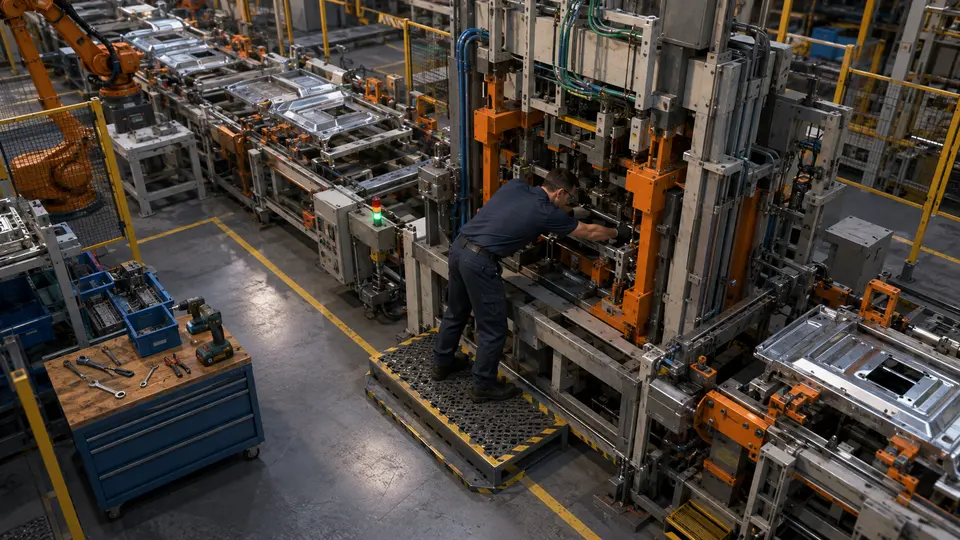
CAM-235Hands inside the die with the beacon still green
«Tell me if someone puts their hands in the die and the beacon is not red.»
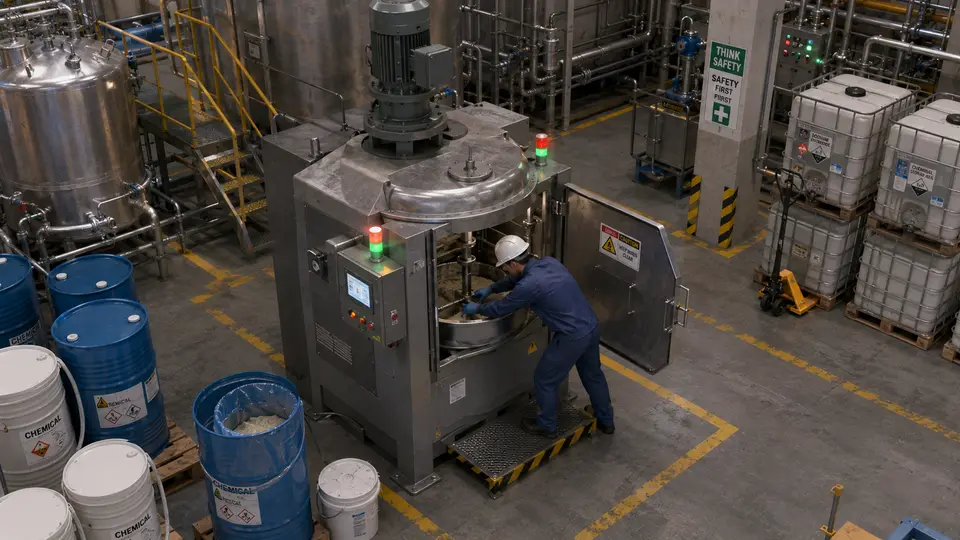
CAM-315Hands inside the mixer with the beacon still green
«Tell me if somebody puts their hands into the mixer with the door open and the beacon green.»
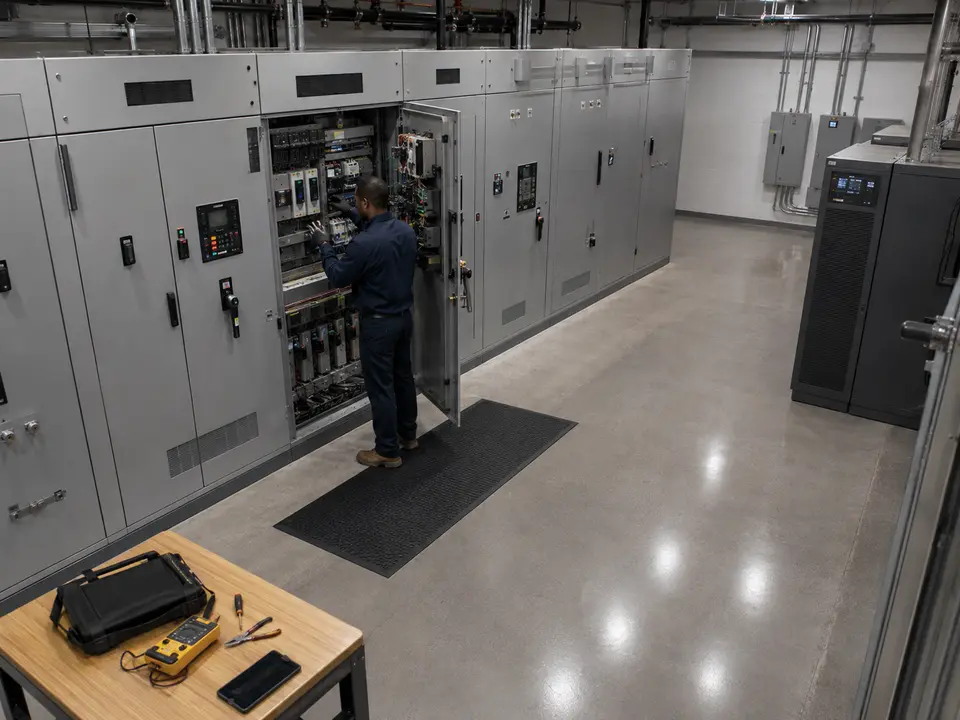
CAM-553A single pair of hands inside the open panel
«Tell me if there is only one person in the switchgear room while work is going on inside an open panel.»
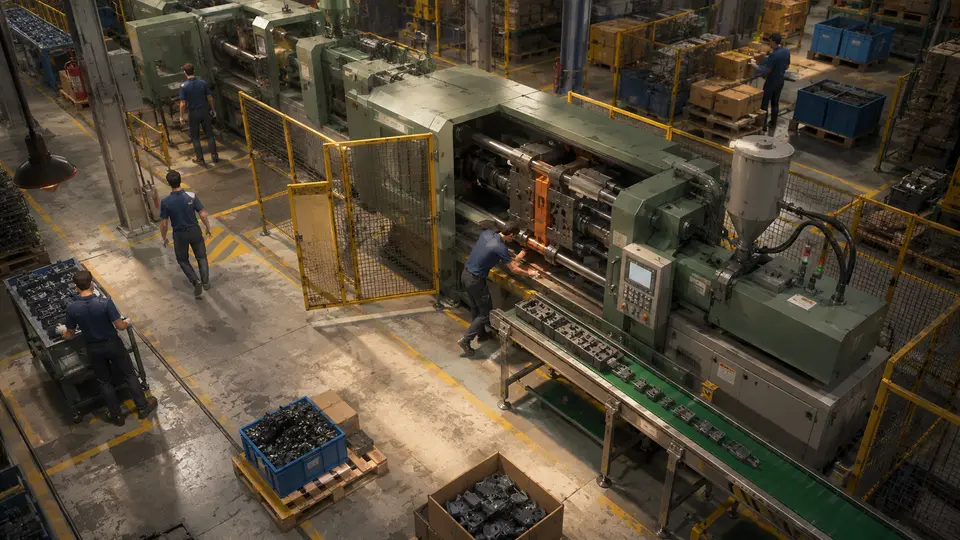
CAM-251The guard door is open and there are hands inside the machine
«Alert me straight away if someone comes through the guard gate or reaches into the mould area while the machine is not locked out.»
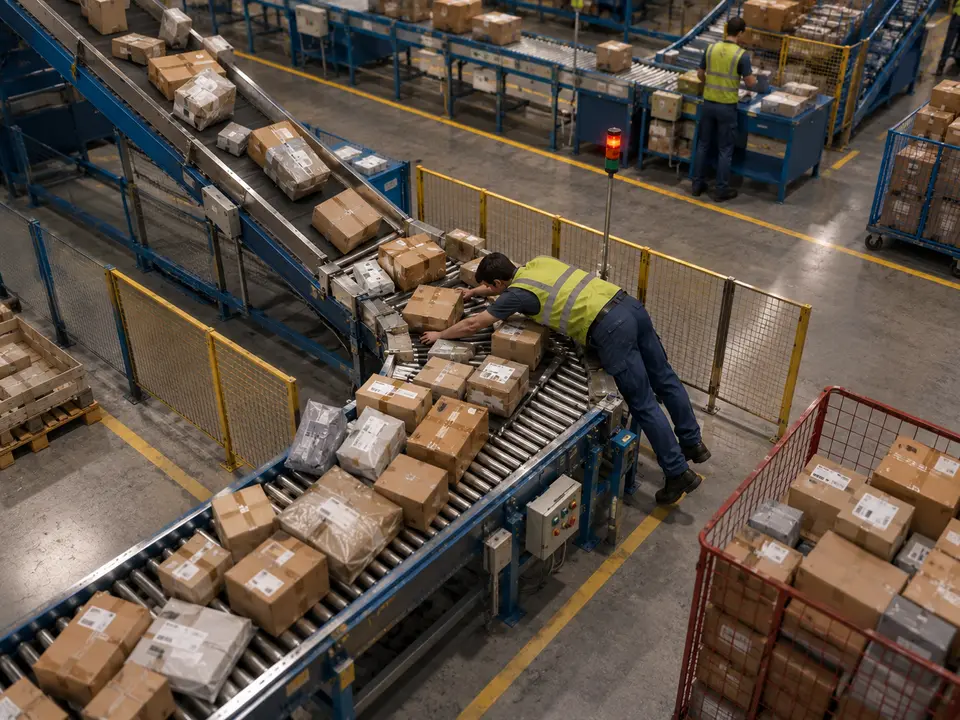
CAM-275Jammed conveyor, two arms in among the rollers
«Tell me if somebody puts their hands into the conveyor without stopping it first, and show me the video from when the jam started.»
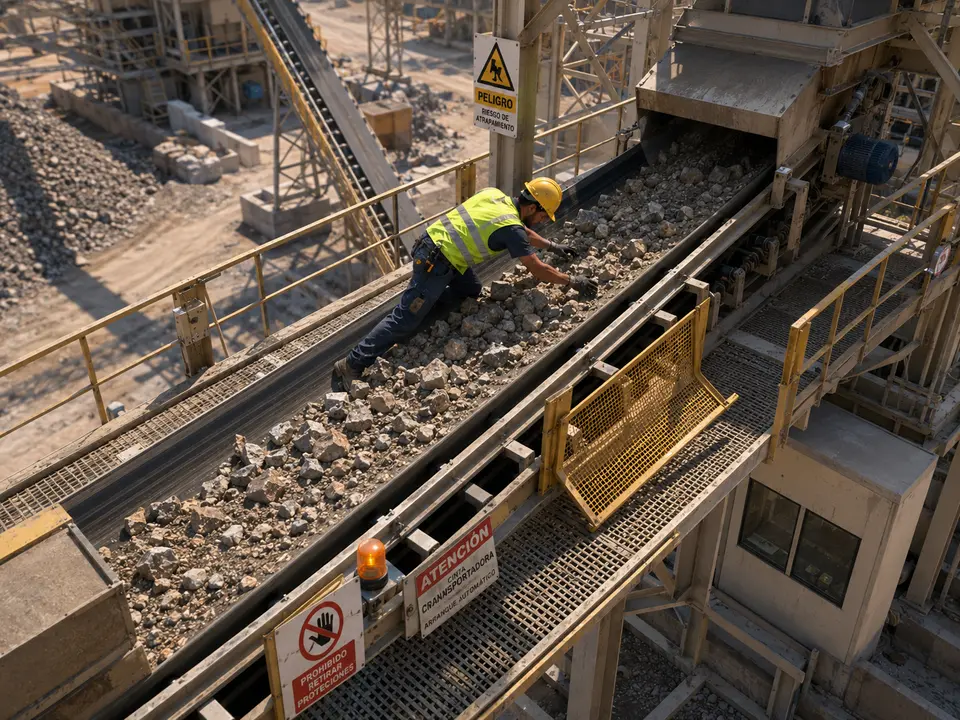
CAM-392Clearing stone by hand with the belt still live
«Tell me the moment anyone climbs onto a belt or a guard is missing, even if the belt is stopped.»
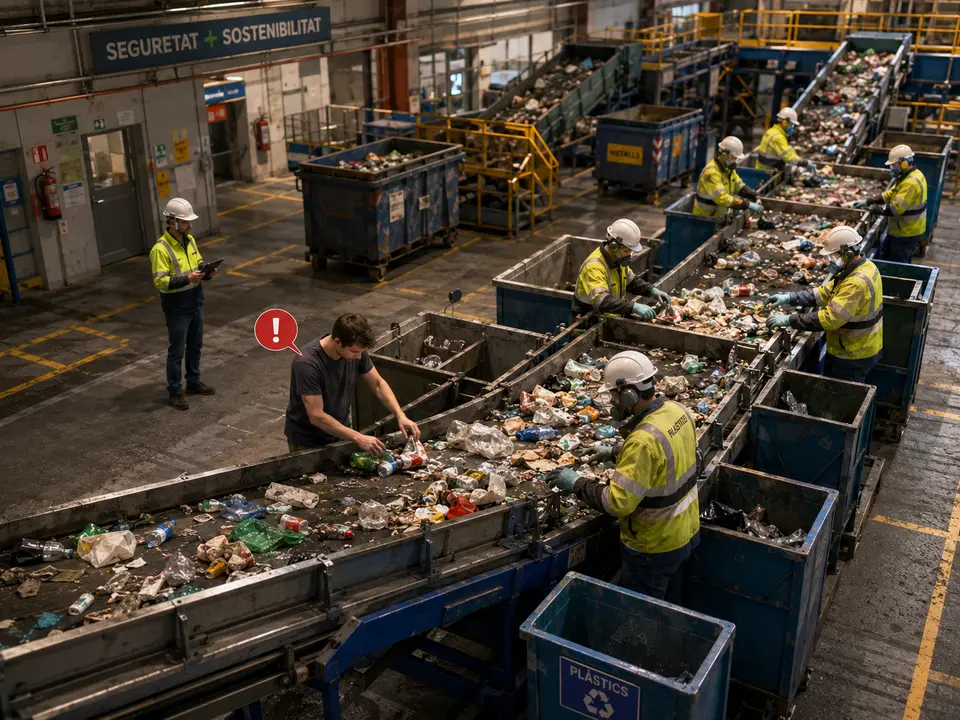
CAM-438No helmet, no gloves, bare hand on the belt
«Tell me if somebody starts sorting on the belt without helmet, gloves or hi-vis.»
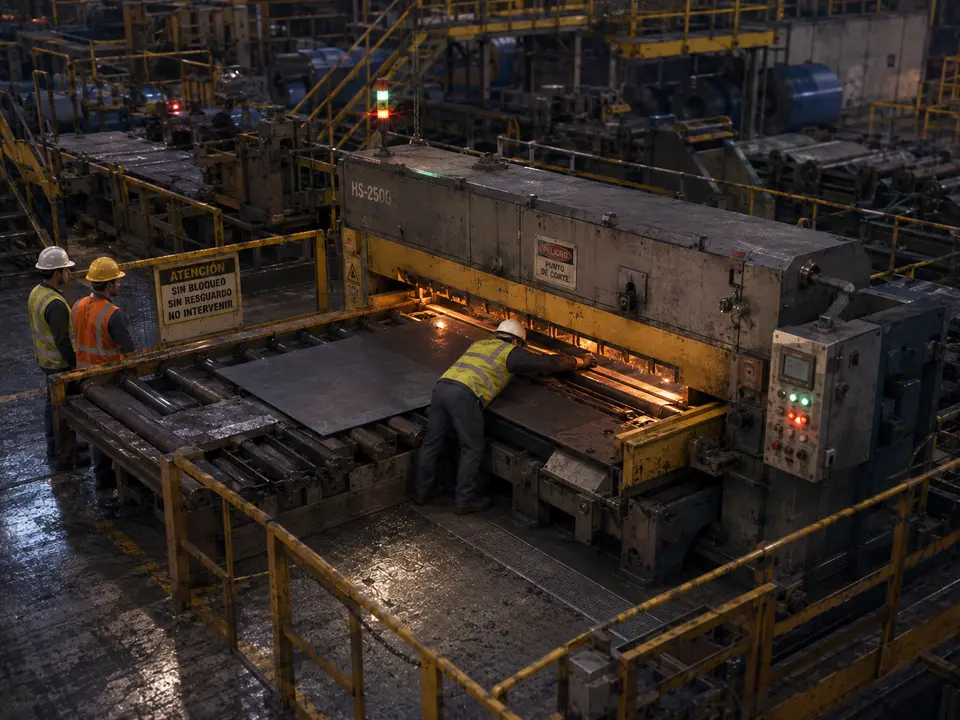
CAM-376Arms inside the shear, with the machine still live
«Tell me if anybody puts their hands in the shear with the guard open and the machine not locked out.»
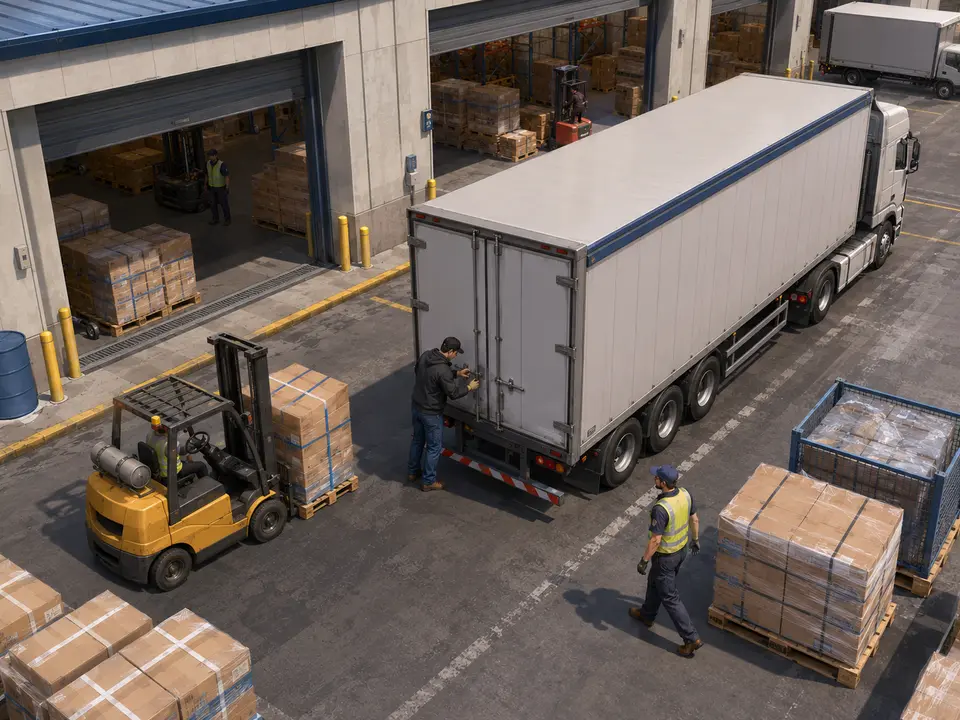
CAM-262Hands on a trailer's rear lock
«Tell me when somebody touches the lock or the seal of a trailer that has no loading or unloading under way.»
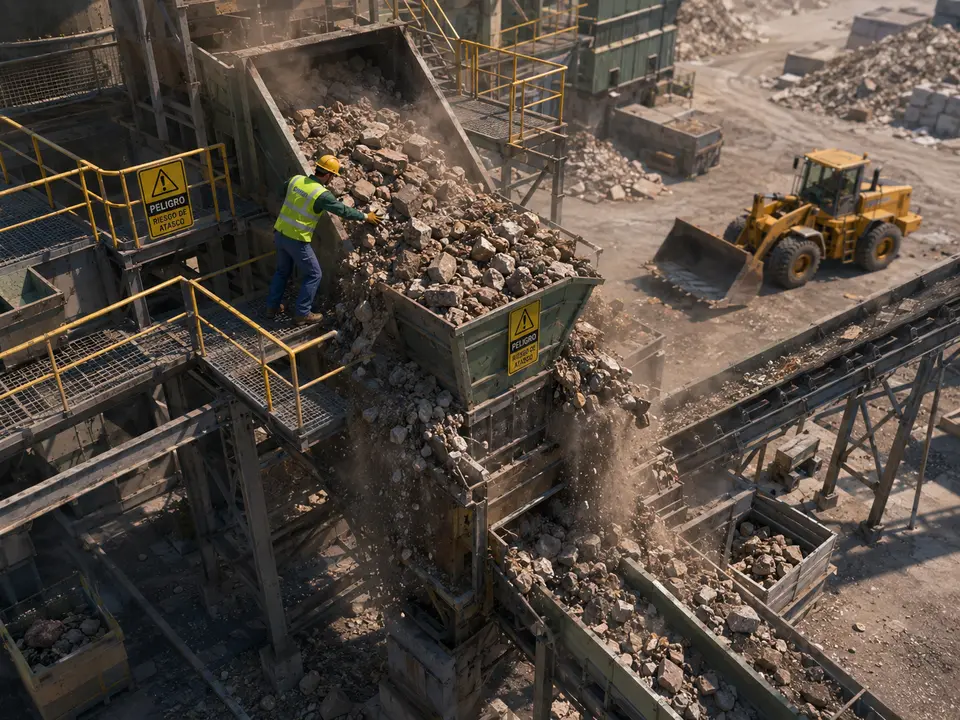
CAM-393The hopper is blocked and somebody is reaching in
«Tell me if a hopper stops taking material and someone comes to clear it by hand.»


What it does not do
IRIS cannot see inside the machine or know whether it is truly energised. It works with what is visible from outside: the open gap, the body going in, the running signal.
And it alerts, it does not act. Stopping a machine is a decision for a person or for a safety system built and certified for that. IRIS is not that system and should not be bought as if it were.
Questions
- Can IRIS stop the machine?
- No. IRIS alerts; stopping a machine is a decision for a person or for a safety system designed and certified to do it. The alert can reach whoever is running the line right then, with the camera open and the video, and that alone changes reaction time. But IRIS is not a machine safety device and should not be bought as if it were. What it changes is how fast a human finds out.
- Does it keep the video from before the jam?
- Yes, and it is the part almost nobody asks for and the one that actually fixes things. The alert deals with the moment; the earlier video deals with the cause. Watching how the jam formed tells you whether the problem is a badly placed box, a worn roller or a change of packaging supplier. If the same belt jams three times a week, the answer is not more training.
- Does it also work for a chute or a shear?
- Yes. It works anywhere there is an opening an arm fits through: a chute that stops taking material and someone stepping up to clear it by hand, a shear with the guard open, a mould with the fence door lifted, an open panel with a single pair of hands inside. The machine changes, but what is watched is always the same: the opening, the body going in, and whether the thing is still live.
- Does it replace the machine’s guards?
- No. Barriers, guards and interlocks are still what protect the person, and no camera replaces them. What IRIS does is see the moment those guards were opened or bypassed and somebody went in anyway. It is the exception, not the first line of defence, and selling it any other way would be a lie. Guards protect the hand. IRIS tells you about the day they were open. Guards prevent the accident; IRIS shows the day they were opened anyway, and how often.
See it for yourself
This isn’t a video. It’s a slice of the real screen.
A summary of the real interface, played hands-free. You see one case from start to finish; what you do not see are the other screens, and there are many.
- Four cameras at once
- Each understands its own view
- The numbers climb by themselves
Not seeing yours here?
These words are the ones we have built, not the ones IRIS understands. The list falls short on purpose: you ask for it in a sentence, and sentences do not run out. Tell us what is in front of your cameras and we will tell you whether it understands it, or not yet.
And the best part
Adding a camera costs what it costs;adding someone to watch it costs every single month.
Past a certain number, almost nobody is watching anything. IRIS watches them all at once and only calls you when something you said mattered happens in one of them.
Tell us your problem and we will say whether IRIS understands it, or not yet.
We reply the same working day.