Solutions by typeProduction efficiency
Why is there a queue when desks are set up with nobody at them?
A queue, and empty desks
Almost eleven at night in international arrivals. All four legs of the passport control snake are full and the queue disappears down the far end of the hall: more than six hundred people. Of the booths at the back, seven are dark, screens down. The wait is running at fifty-two minutes and upstairs nobody knows it yet.
8 cameras across 7 sectors
What IRIS is
IRIS watches the cameras for you.
IRIS Neural is an artificial intelligence that watches the cameras you already have and understands what happens in front of them. When something important happens —or something you told it you need to keep an eye on—, it alerts you; and whatever can be counted, it counts in numbers. All day long, without anyone having to watch a screen.
You tell it what you need to watch, and IRIS does it.
Works with the cameras you already have. Nothing to replace.
A person replies, not a form.
- Your footage never leaves your premises.
- It doesn't identify people.
- Certifications →
This is how you ask for it
«Tell me if the wait goes past forty minutes and there are desks set up with nobody at them.»
Nobody dies from waiting fifty-two minutes, but the bill arrives anyway: missed connections, a line of complaints at the desk next door and a photo of the queue doing the rounds before the shift ends. And the next day, when someone asks what happened, there is no way to know what time each booth went dark or how long it stayed that way. All that is left is the complaint.
You decide once
You decide this once, and no camera decides it. You say how many positions must be open in each time band, how long one may sit empty before it matters and who gets told: from ten at night, if the wait is over forty minutes and a desk has been set up and unattended for fifteen, tell the floor supervisor and open the camera. IRIS applies it every day and every shift.
A position with nobody at it is two different problems wearing the same face. One is the queue: the empty hospital reception with people waiting in front of it, the advisory desk fully set up and nobody sitting there while five people line up behind the rope. The other has no queue at all, and it is worse: a data cabinet standing wide open with nobody working on it, a manhole cover lifted in a tank farm, a road tanker with the hose still coupled to the valve and the operator already somewhere else.
Both cases fail the same way. Nobody did anything wrong: they went for a form, they got called on the radio, their break started. And nobody knows how long it has been like that, because nobody is keeping that clock. It surfaces when the complaint arrives, when the round comes past, or when the auditor asks why cabinet 14 is open on the half-past-five footage.
IRIS watches the position, not the person in it. You mark the spot on the image — the counter, the space in front of the cabinet, the transfer bay — and say how many minutes it may sit empty. Past that, it alerts with the camera, the time and the video. It does not know who was there before. That is exactly why a works council can accept it: it does not measure a person, it measures a gap.
What changes
Before, the supervisor found out about the queue when someone came upstairs to complain, and about the open cabinet when the night round went past. Now an alert arrives after fifteen minutes, with the camera open and the clock running, in time to open another position or send somebody down. And at month end there is a list of times and positions to argue the rota with, instead of a feeling.
Where we have seen it
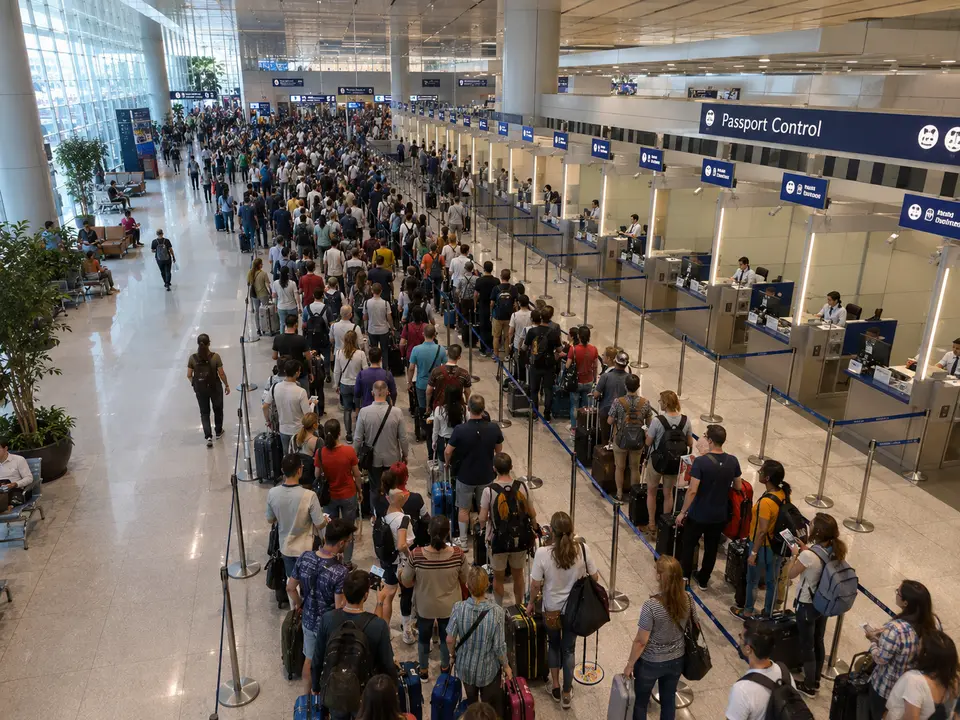
CAM-584Fifty-two minutes of queue and seven booths switched off
«Tell me if the control wait goes over forty minutes and there are booths still closed.»
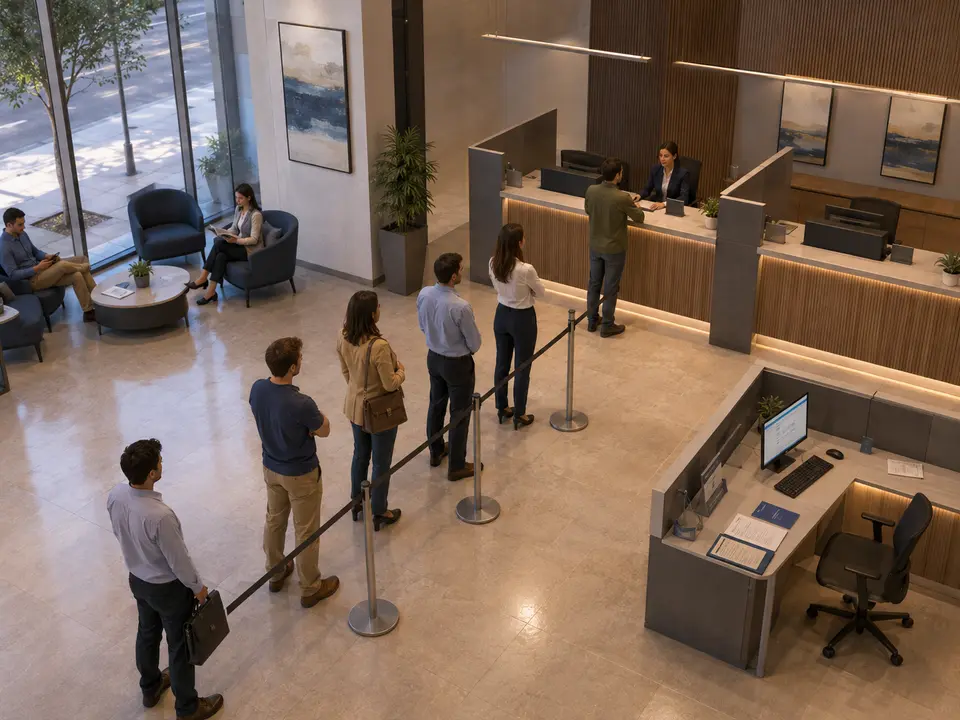
CAM-511Five people waiting and a desk set up with nobody at it
«Tell me when more than three people are waiting and a desk has been set up and empty for over fifteen minutes.»

CAM-525The hand is going nowhere and the dealer's spot is empty
«Tell me if the dealer's spot stays empty for more than two minutes with an unfinished hand on the felt.»
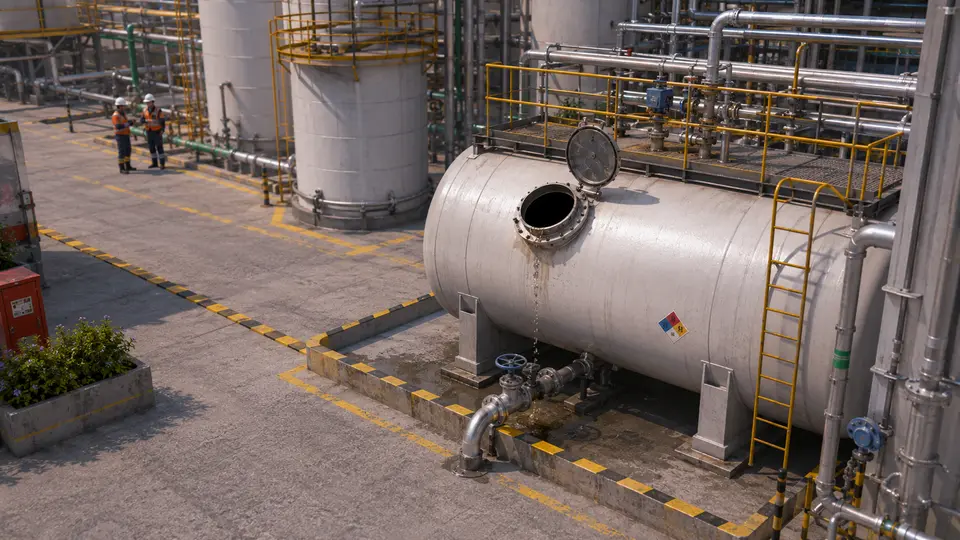
CAM-309The manway has been open for half an hour and nobody is there
«Tell me if a manway or a valve is left open for more than twenty minutes with nobody in front of it.»
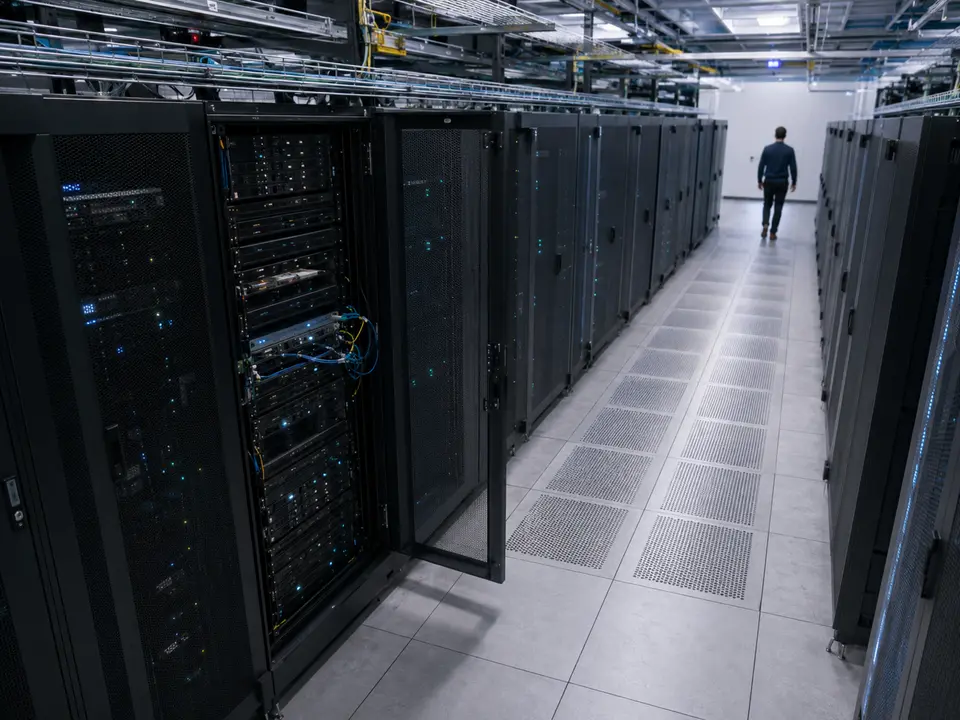
CAM-552The cabinet was left open and nobody is standing at it
«Tell me if a cabinet is left open with nobody working at it.»
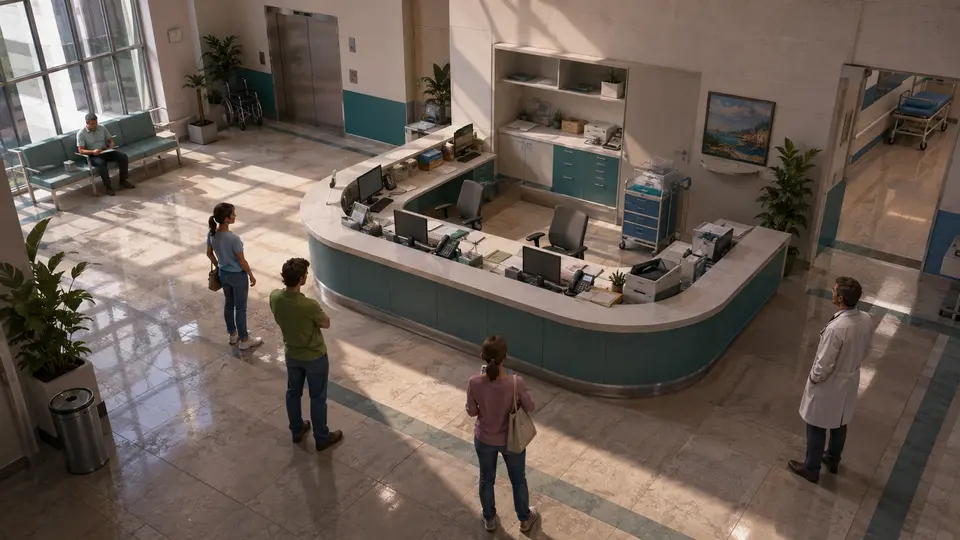
CAM-126Nobody behind the reception desk
«Tell me if the reception desk has nobody behind it for longer than we agreed, and above all if there are people waiting in front of it.»
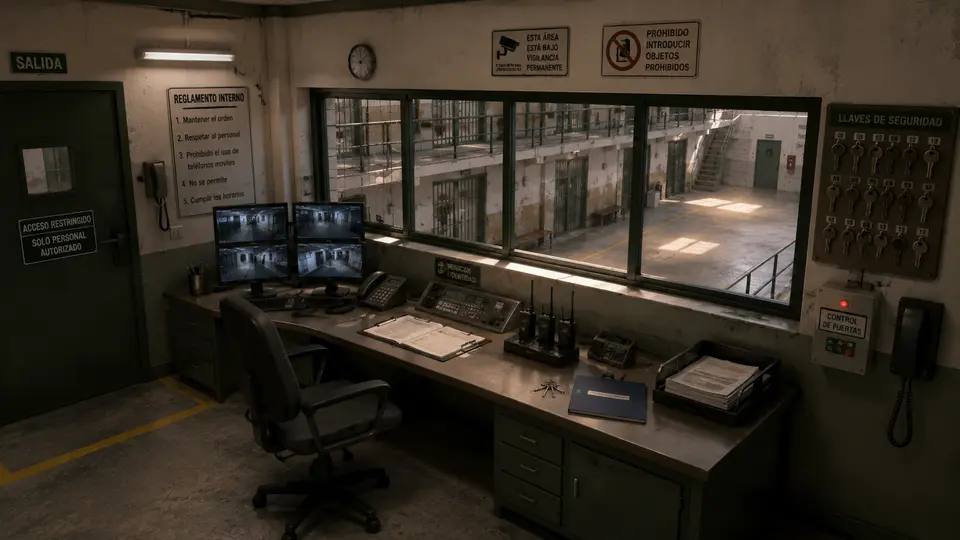
CAM-114The control post with nobody at it
«Tell me if the control post is left with nobody at it for longer than we have set, and tell me which camera and what time.»
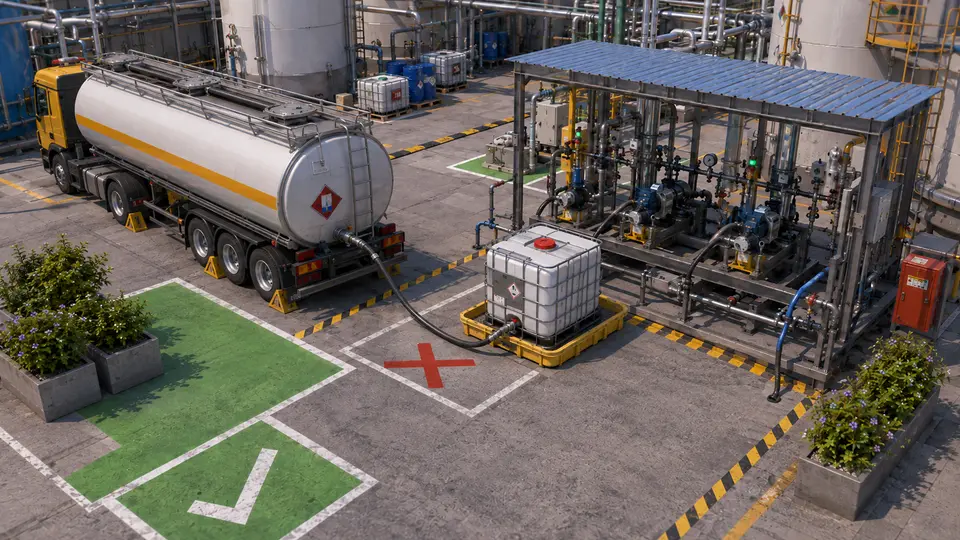
CAM-303The tanker is still connected and nobody is watching it
«Tell me if a hose has been connected for more than twenty minutes with nobody in the area.»


What it does not do
IRIS does not know why nobody is there. It cannot tell a scheduled break from a lapse, and it does not know whether the desk was closed on purpose because the shift is ending. It counts minutes and alerts; the reason is supplied by whoever looks.
And it does not measure people. It does not recognise faces, it does not know who was at that desk, and it is no use for assessing anyone’s performance. It watches a gap in the image and says whether it is occupied or empty.
Questions
- Is this a way of monitoring employees?
- No, and it is built on purpose so that it cannot be. IRIS does not recognise faces and does not know who is at a desk: it watches an area of the image and says whether somebody is inside it and how many minutes it has been empty. That is enough to open another counter or send someone to the open cabinet. You cannot get a performance report on a named person out of it, because the data that exists belongs to the position, not to whoever was in it.
- How does it tell a closed desk from one that is briefly empty?
- By time, and by what is on it. A desk that is empty for thirty seconds because someone bends down is nothing, which is why the rule always carries a minimum number of minutes that you set. A closed desk also shows because it is not set up: screen off, screen down, nothing on the counter. The alert that matters is the one for a desk that is ready to serve, with people waiting in front and nobody behind it.
- Does it also cover a cabinet or a valve left open with nobody there?
- Yes, and it is often the case that reassures people most. It is the same rule with a different area marked: the data cabinet door, the tank manhole, the tanker coupling. You say how many minutes it may stay open with nobody in front of it, and it alerts past that, with the camera and the video from the moment it was left alone. In an audit, that stops being an argument about what people remember and becomes a written time.
- Can it also tell me how many people are waiting?
- Yes, but it is set up differently, and it is worth understanding why. Alerting that a desk is empty is asked for by talking: one sentence. Counting how many people are queuing is asked for by drawing: you trace the waiting area on the image, because a line cannot be described in words, it has to be put there. Asking is for finding, counting is for measuring, and they are not done the same way. That is why the queue figure is repeatable and can go into a report.
The real interface, step by step
A camera looks. IRIS understands what it sees.
An extract of the real screen, no voice-over and hands-free. Each round poses another situation. What sits behind it is a good deal bigger than what you see.
- It lands in the tray
- You open it
- You confirm or dismiss
Not seeing yours here?
These words are the ones we have built, not the ones IRIS understands. The list falls short on purpose: you ask for it in a sentence, and sentences do not run out. Tell us what is in front of your cameras and we will tell you whether it understands it, or not yet.
And the best part
What holds on camera oneholds on camera four thousand, with nothing to copy by hand.
A rule is stated once and applies everywhere. And it says the same thing on Sunday night as on Tuesday morning, whoever is on call.
Tell us your problem and we will say whether IRIS understands it, or not yet.
We reply the same working day.