Solutions by typePersonal safety
How many people are below when the metal spills?
The metal came out of the runner
It is 23:00, the night cast. The ladle comes down, the stream enters the runner and within seconds it drifts three fingers to the right. The metal falls outside, finds the shop floor and starts running towards the walkway. From the cab you can see the ladle, not the floor. The first question to answer is not what happened: it is how many people are down there right now.
10 cameras across 2 sectors
What IRIS is
IRIS watches the cameras for you.
IRIS Neural is an artificial intelligence that watches the cameras you already have and understands what happens in front of them. When something important happens —or something you told it you need to keep an eye on—, it alerts you; and whatever can be counted, it counts in numbers. All day long, without anyone having to watch a screen.
You tell it what you need to watch, and IRIS does it.
Works with the cameras you already have. Nothing to replace.
A person replies, not a form.
- Your footage never leaves your premises.
- It doesn't identify people.
- Certifications →
This is how you ask for it
«Tell me the moment metal falls outside the mould or the runner, and tell me how many people are in the shop right then.»
There are no small accidents here. A splash of slag goes straight through ordinary work clothing, which is why there are aluminised suits and face shields. When metal escapes, everything is paid at once: burns, a shop floor stopped for days, the furnace pulled for inspection and a long investigation. And the cost that never appears in the report is the next shift, who clock on knowing exactly what happened.
You decide once
It is decided once and applied on every cast. If something incandescent appears outside the mould, the runner or the vessel, then the control room is alerted, the camera is opened and the count of people each camera in the shop can see is reported. The organisation decides which zones count and who gets the alert; IRIS watches every cast, the eleven o’clock one and the Sunday one, with the same criteria.
In a steel plant there are no small accidents. A splash of slag goes straight through ordinary work clothing, which is why there are aluminised suits and face shields. The shop is big, noisy and built on many levels, and at eleven at night there are people spread across places from which the cast is not visible. Nobody knows at that moment how many they are or exactly where.
The day it goes wrong, the metal does not wait. Slag overflows the vessel and runs towards the walkway people use. Red-hot clinker comes out of the kiln mouth. And the time that is lost is not the time to raise the alarm: it is the time to find out whether anyone is still on the platform, whether the rail corridor is clear and which way people can leave. Those are the seconds that cost dearly.
IRIS reads the colour and the glow of the scene and sees when something incandescent appears where none should be. And at the same time it counts how many people each camera in the shop can see. That second fact is what turns an alarm into an orderly evacuation. The alarm says there is a problem. The count says who it is happening to.
What changes
Before, the warning came over the radio and the first thing you did was ask who was where. Five people answered and one did not. Now the alert arrives with the camera open and a head count by zone, and the shift supervisor decides the evacuation with a map in their head instead of a list of names. The alarm says there is a problem; the count says who it is happening to.
Where we have seen it
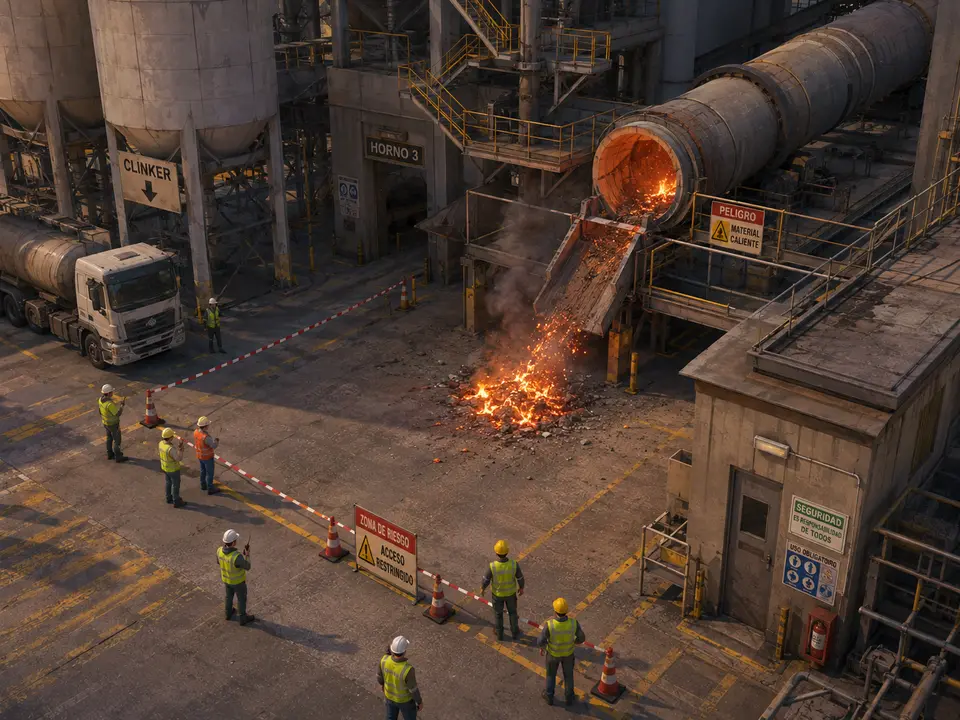
CAM-398Red-hot clinker spilled outside the kiln
«Tell me right away if hot material comes out past the kiln mouth or if there is fire in the yard, and tell me how many people are nearby.»
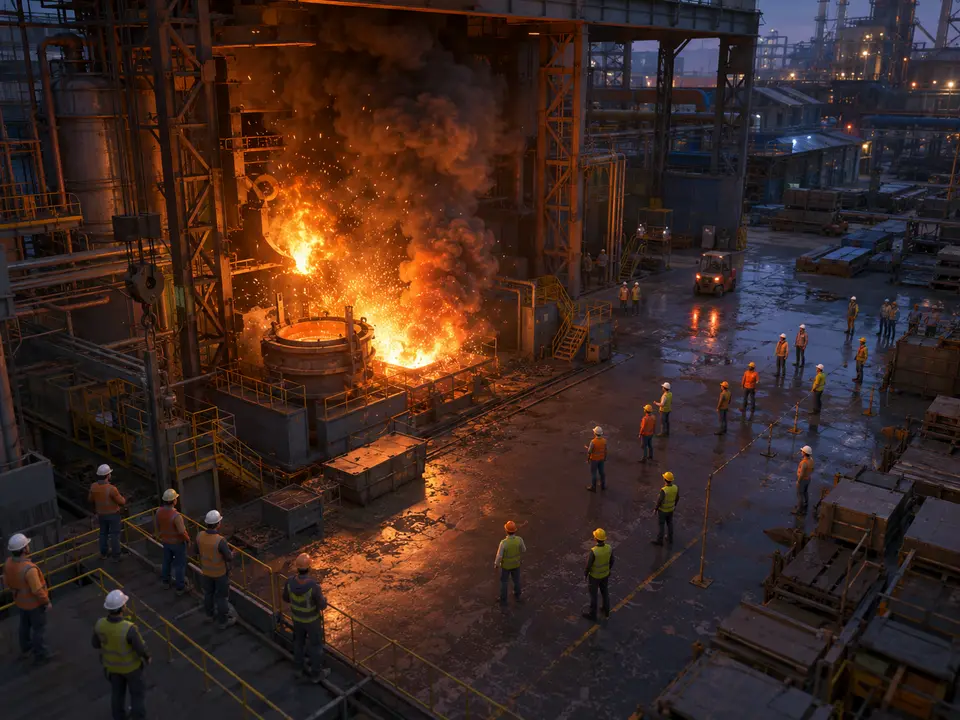
CAM-369A fireball over the ladle, and the bay is emptying
«Alert me the moment there is flame or black smoke in the casting bay, and tell me which cameras still have people in them.»
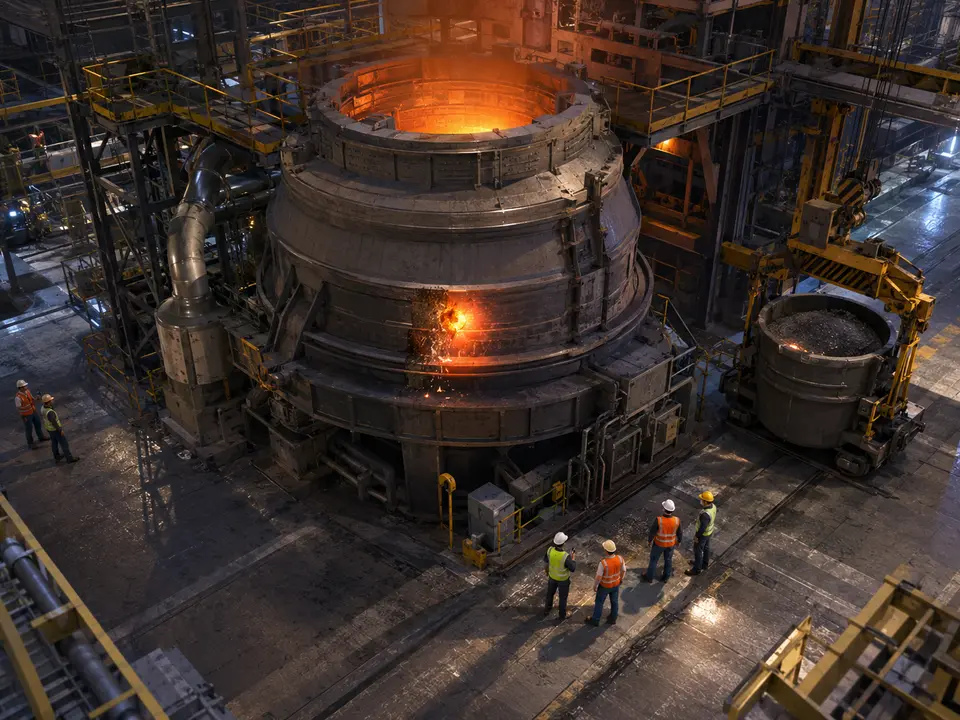
CAM-370A glowing breach in the furnace shell
«Tell me if a hot spot shows up on the furnace shell, or if the usual patch has grown compared with the days before.»
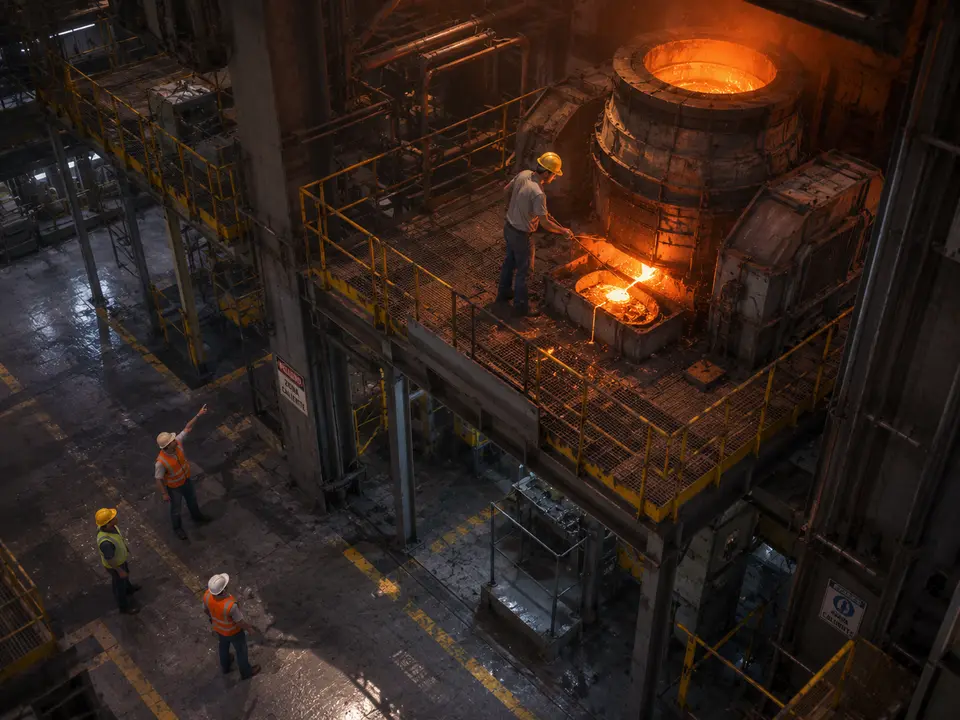
CAM-375One person alone on the furnace platform
«Tell me if anybody goes up onto the furnace platform during a pour without thermal clothing.»
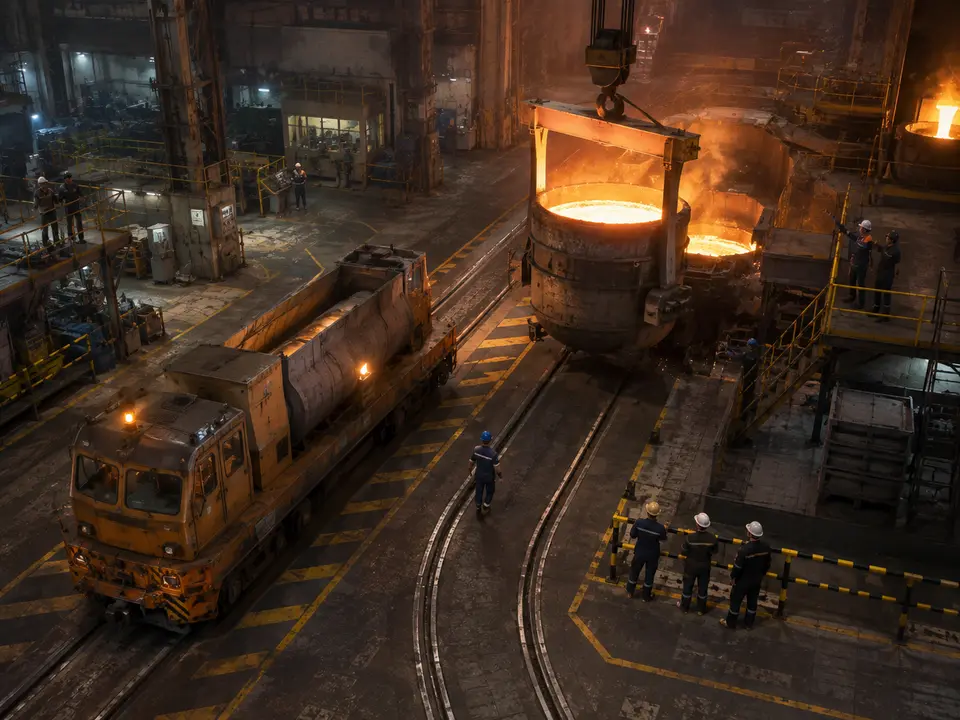
CAM-364Somebody is walking the aisle while the full ladle is moving
«Tell me if anybody enters the rail aisle while the crane is carrying a ladle with metal in it.»
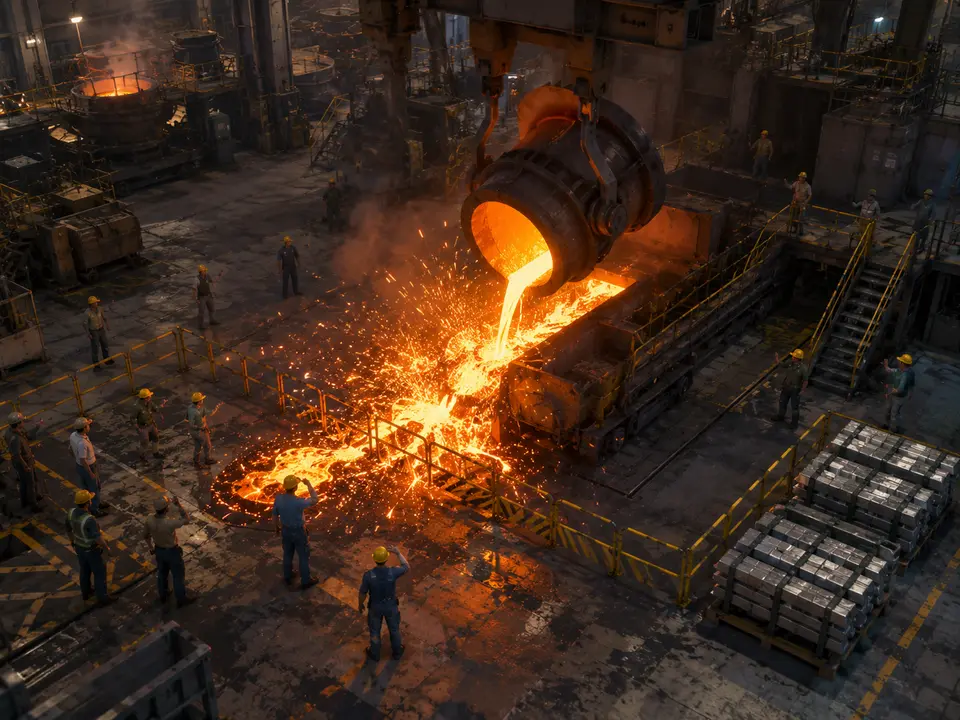
CAM-361The ladle stream has missed and molten metal is running across the floor
«Alert me the moment metal falls outside the mould or the runner, and tell me how many people are in the bay right then.»
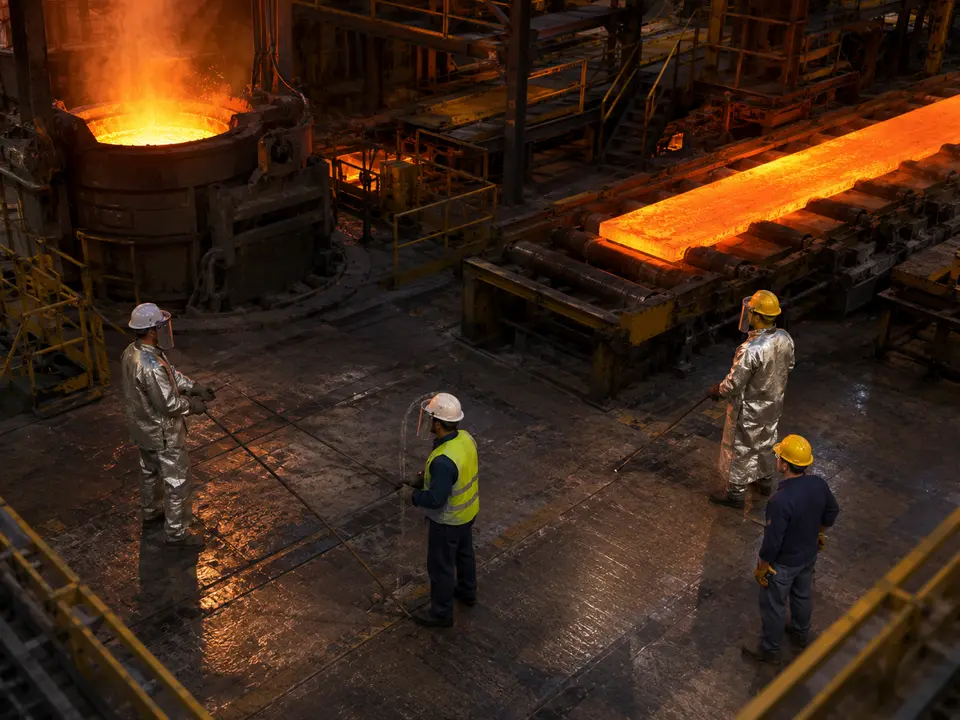
CAM-374Two workers on the casting floor with no thermal clothing
«Tell me if somebody steps onto the casting floor without an aluminised suit or without the face shield down.»
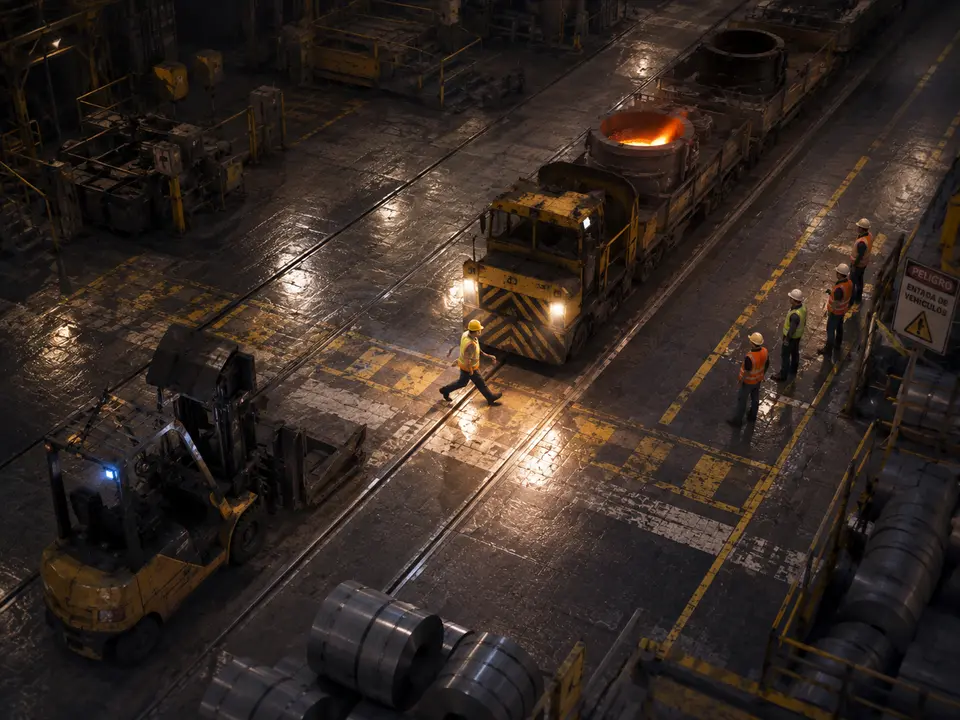
CAM-377He crosses the track in front of the ladle
«Tell me if anybody crosses the track when the loco with the ladle is coming, and save me the video.»
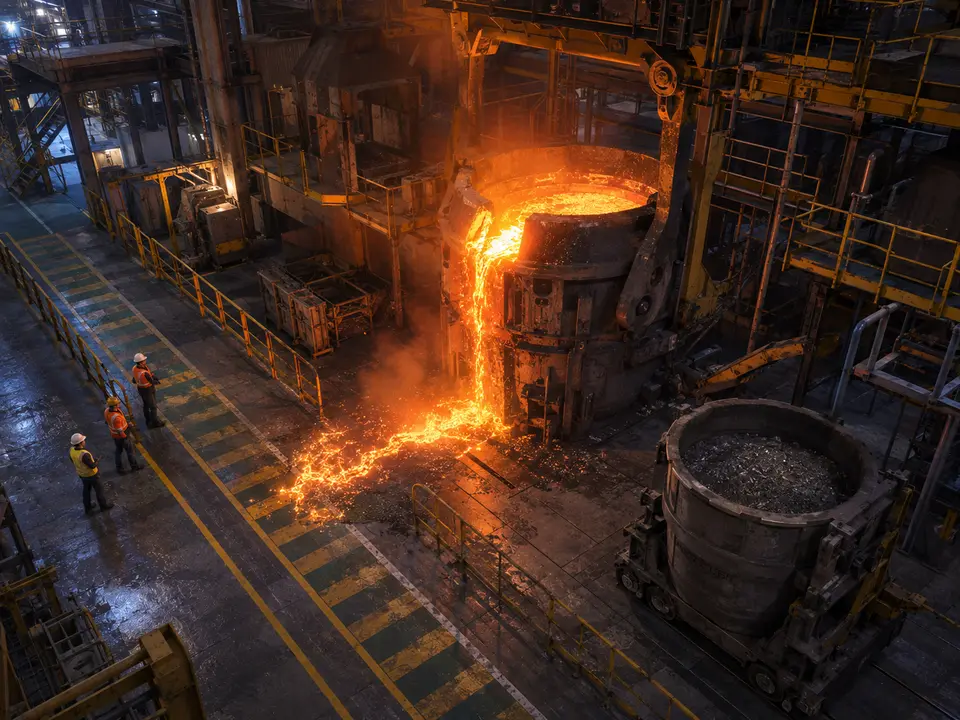
CAM-371The slag has spilled and is running towards the walkway
«Tell me if slag comes out of the vessel and, above all, if it reaches the walkway people use.»
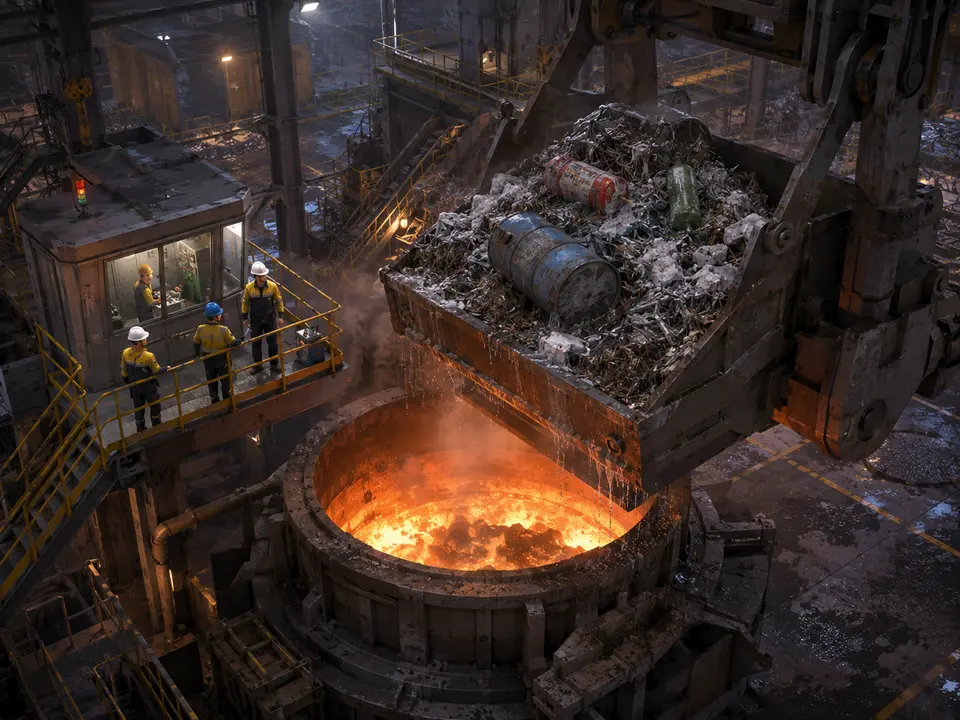
CAM-362Snow and closed drums in the basket, still hanging over the furnace
«Tell me if there is snow, ice or a closed drum in the basket, and tell me before the crane takes it over the furnace.»


What it does not do
IRIS does not measure temperature and does not replace a pyrometer or a calibrated thermal camera. It sees that something incandescent is where nothing was before, and it says so.
And the head count is what each camera can see at that moment, not an attendance system: anyone behind a column or inside a cabin does not appear in that count.
Questions
- Do you need a thermal camera?
- No, not for this. The glow and the colour in an ordinary image already give away a spilled stream or slag running across the floor: they are among the most visible things in a shop. A thermal camera is needed when the goal is different: measuring degrees, or watching a hot spot on the furnace shell and comparing whether the patch has grown since the previous days.
- Does it count people as well as raising the alarm?
- Yes, and it is half the value. The alarm says there is a problem; the count says who it affects. Knowing that two people are still on the furnace platform and none in the rail corridor completely changes what the shift supervisor does in the next thirty seconds. Without that fact, the first reaction is always the same: stop everything and start calling on the radio to see who answers.
- Can it warn before the metal escapes?
- Yes, in several cases, and those are the ones that pay off most. Spotting snow, ice or a sealed drum in the scrap basket before the crane carries it over the furnace prevents the explosion rather than reporting it. The same goes for a hot spot on the shell that grows day after day, or for someone climbing onto the platform without thermal clothing during a cast. Warning beforehand is always cheaper.
- Does it measure the furnace temperature?
- No. IRIS does not give degrees and does not replace the furnace instrumentation. What it sees is a change in the image: something incandescent where yesterday there was nothing, or a hot patch on the shell that is bigger than last week. That is enough to raise an alert and request an inspection, not to put a number in a process report. The instrumentation gives the number; the camera gives the warning.
The real interface, step by step
You set the rule once. IRIS applies it every time.
You will see a summary of the interface, played step by step and hands-free. Each round starts with another case. The complete tool does not fit in a demo.
- The rule gets built
- It goes to every camera
- Published, it watches alone
- And then it fires
Not seeing yours here?
These words are the ones we have built, not the ones IRIS understands. The list falls short on purpose: you ask for it in a sentence, and sentences do not run out. Tell us what is in front of your cameras and we will tell you whether it understands it, or not yet.
And the best part
Not everything calls for an alert:some things call for counting.
An alert gets you out of your chair; a number lets you plan. Two different jobs, and the same camera can do both at once.
Tell us your problem and we will say whether IRIS understands it, or not yet.
We reply the same working day.