Solutions by typeIntrusion detection
How many people are actually inside?
Two went through, the system logged one
It is 06:05 at the staff entrance. Someone presents a badge and the turnstile goes green. Right behind them, in the same rotation, a second person comes through with a helmet in one hand: their hands are full and the workmate ahead is doing them a favour. Nobody has done anything wrong. But from that second the list of who is inside the plant says a hundred and eighteen, and inside there are a hundred and nineteen.
11 cameras across 9 sectors
What IRIS is
IRIS watches the cameras for you.
IRIS Neural is an artificial intelligence that watches the cameras you already have and understands what happens in front of them. When something important happens —or something you told it you need to keep an eye on—, it alerts you; and whatever can be counted, it counts in numbers. All day long, without anyone having to watch a screen.
You tell it what you need to watch, and IRIS does it.
Works with the cameras you already have. Nothing to replace.
A person replies, not a form.
- Your footage never leaves your premises.
- It doesn't identify people.
- Certifications →
This is how you ask for it
«Tell me when more people go through a door than there were validations, and keep me the video of the pass.»
On the day nothing happens, nothing happens. On the day the evacuation alarm goes off, the emergency officer counts heads at the assembly point and has too many people, or too few. And does not know which of the two it is. The fire crew is held back, someone is searched for who was already outside, and the access control list — the document everybody trusted — is worth nothing.
You decide once
You decide this once. You say which doors really count — the staff entrance, the dock door, the plant room — whether the alert comes at the time or as a report at the end of the shift, and who gets it. IRIS checks all of them, on every shift, without anyone having to watch a screen at six in the morning. And if at one door a double pass is normal, that door comes out of the rule.
Every access control counts openings, not people. It is an honest system with one hole in it: the badge opens the door, and whatever walks through, walks through. And two people on one validation is almost never a break-in. Ninety-nine times out of a hundred it is courtesy: someone with their hands full, a workmate holding the leaf, a visitor following the person who came down to fetch them.
The problem is not the second person. The problem is the list. From that second on, who is inside and who the system says is inside are two different things. And that list gets used for serious matters: an evacuation, a contractor who should never have set foot on that floor, the paper you show an auditor. It becomes a document that looks reliable and is not.
And the second person through does not mean the same thing everywhere. At a staff-only door at the end of a boarding corridor, whoever follows is in a restricted zone of an airport. At the access cabin of a data centre, they are in a room where the list of who came in is half the contract. At a port gate it is not a person but a lorry: two vehicles on one lift of the barrier, and the log shows one. At a car park entrance, two cars on one opening are the ticket that was never charged. And in a cash counting room the problem is the other way round: the operation requires two people and one is left in the room. The same comparison — how many go through and how many identified themselves — and five different consequences.
IRIS looks at the door from above and counts the people crossing. It compares that with the validations there were. When more people went through than credentials were presented, it says so: camera, hour and the video of that pass. It does not know who either of them was, and does not need to. Whether it was a favour or something else is decided by whoever looks at it, with the video in front of them.
What changes
Before, this was found out when it no longer mattered: in the investigation of a theft, or on the day a drill went badly. Now the shift supervisor gets the pass with five seconds of video and settles it on the radio before the coffee break. Most of the time it is «ah, that was Javi, he was carrying the boxes». And that is exactly the point: checking costs so little that it gets checked every time, and the list of who is inside means something again.
Where we have seen it
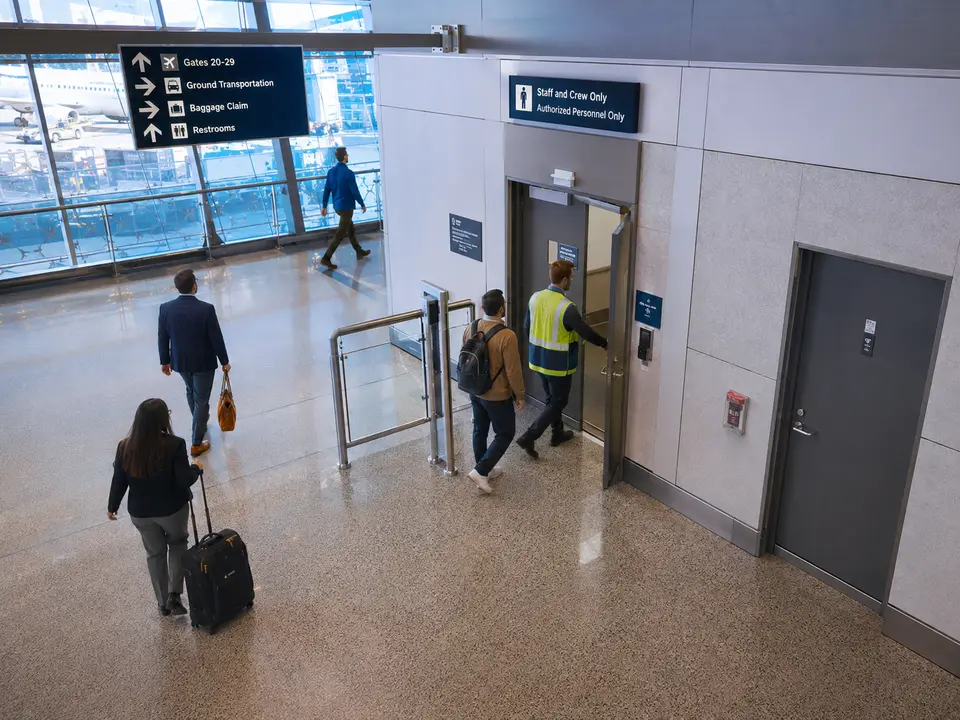
CAM-588One door, one badge and two people through
«Tell me if two people go through a staff door on a single opening.»
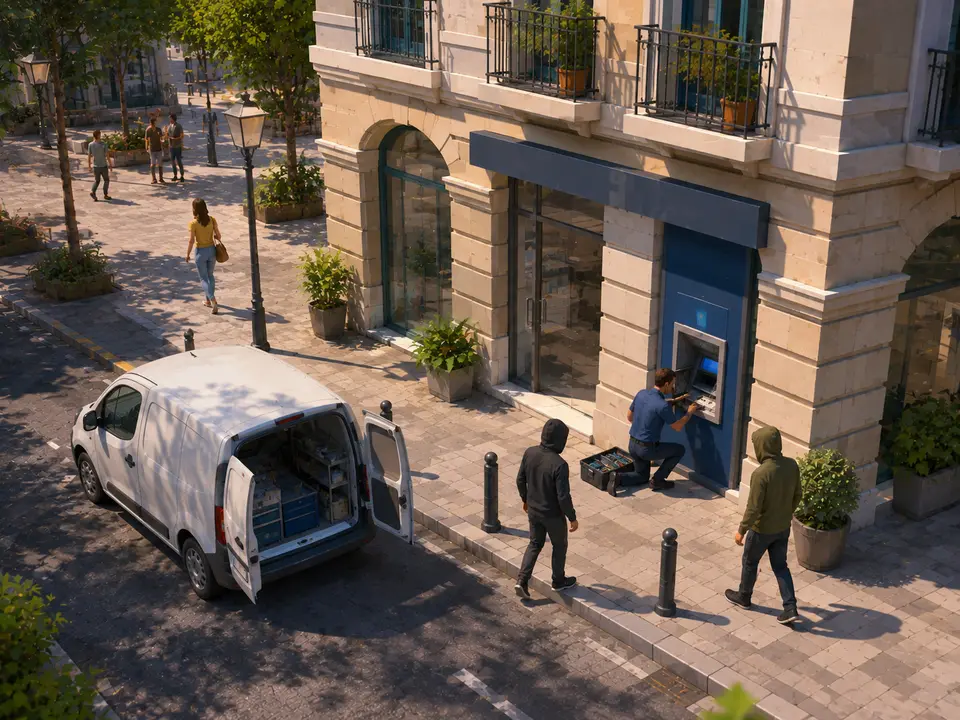
CAM-516A cash machine open in the street and two people inside the zone
«Tell me if the cash machine is open for maintenance and there is more than one person inside the surrounding zone, not counting the technician.»
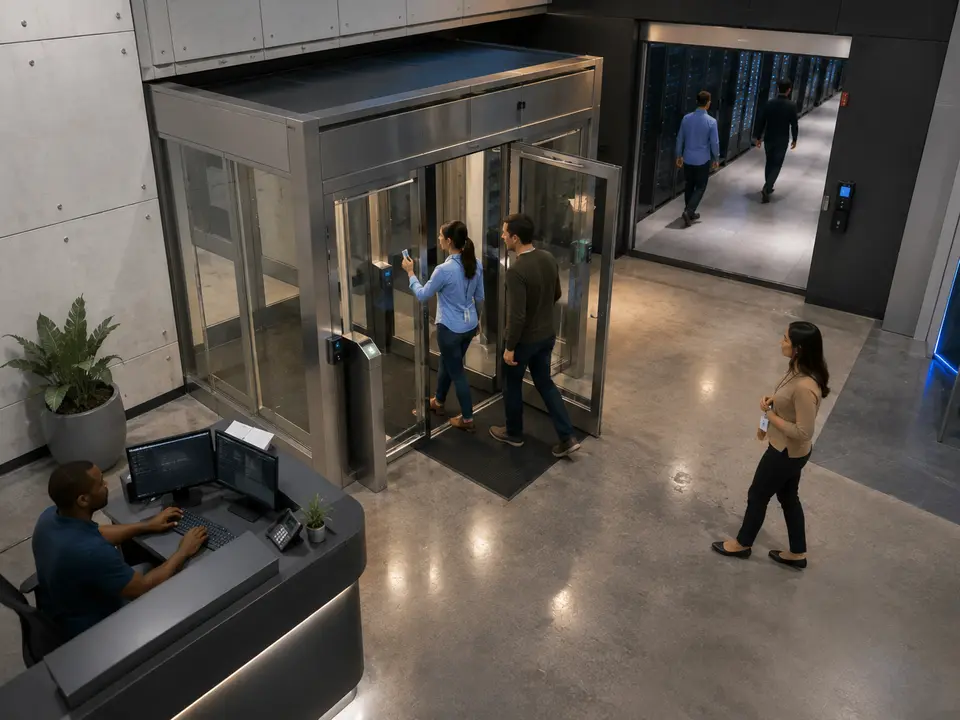
CAM-547Two people go through and only one showed a badge
«Tell me when more people go through an access door than badges were presented.»
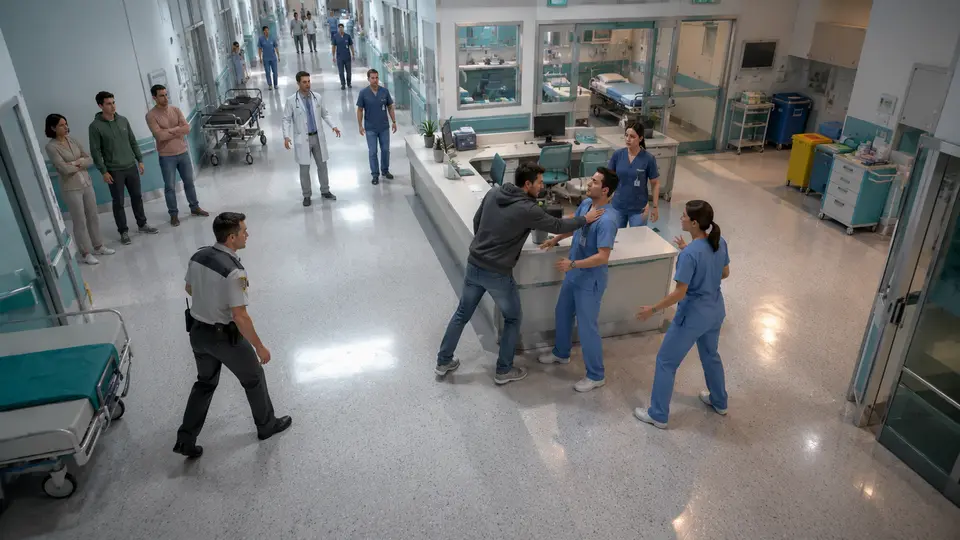
CAM-124Tension at the front desk
«Tell me when two people get very close at the desk and start moving abruptly, or when somebody bangs on the screen, so that someone gets there sooner.»
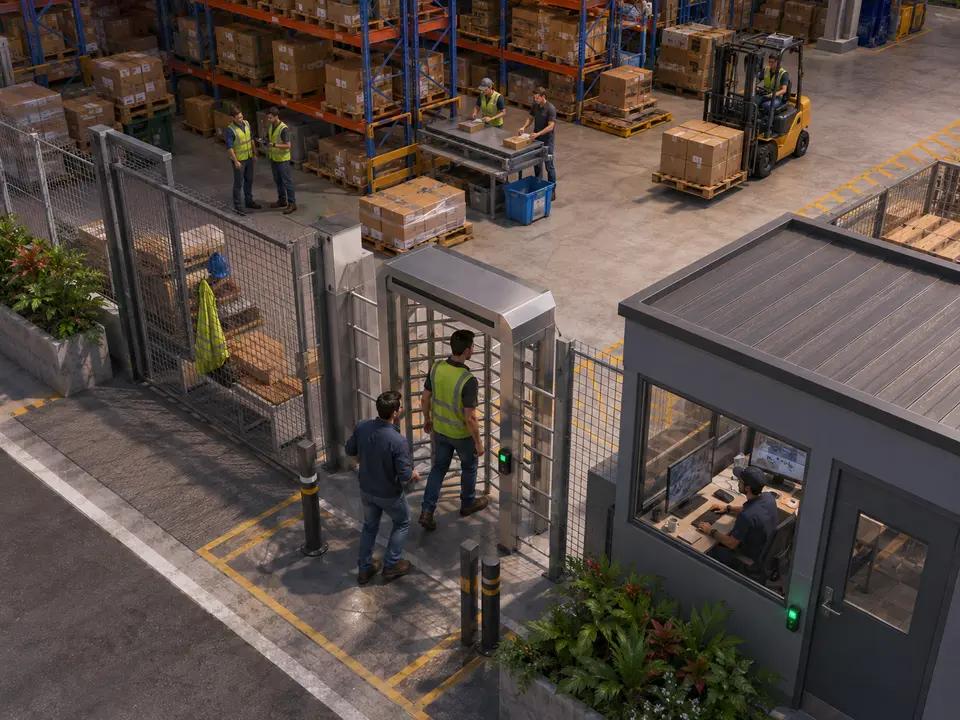
CAM-261Two people, one turn of the gate
«Tell me when two people go through the gate on a single badge read, and show me the video of the pass.»
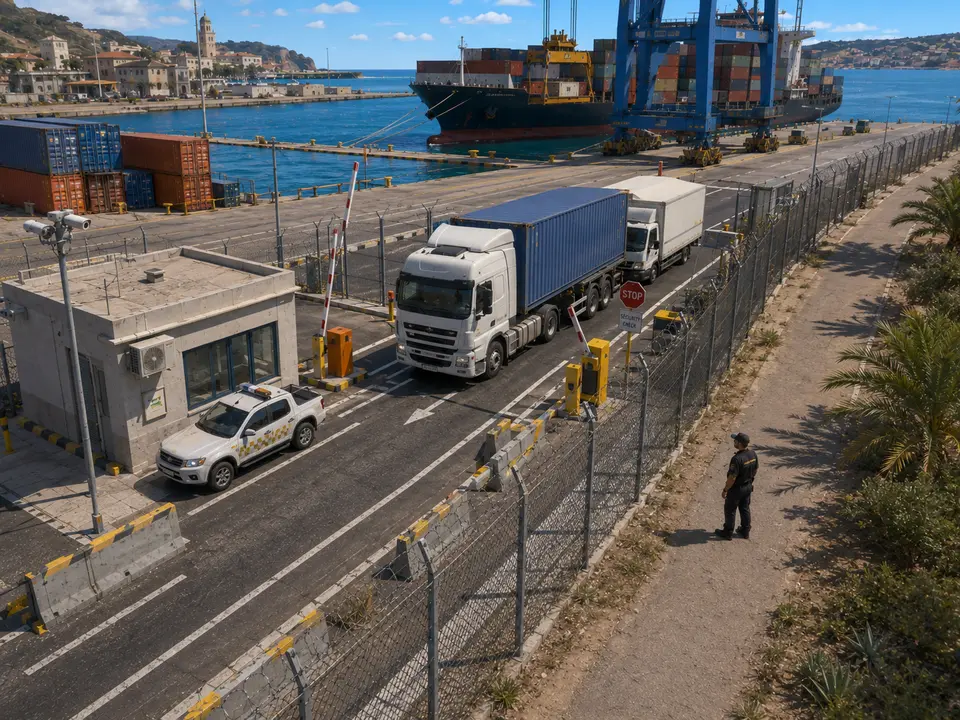
CAM-443Two trucks, one single barrier opening
«Tell me if two vehicles go through on one barrier opening, or if the barrier stays up for more than a minute.»
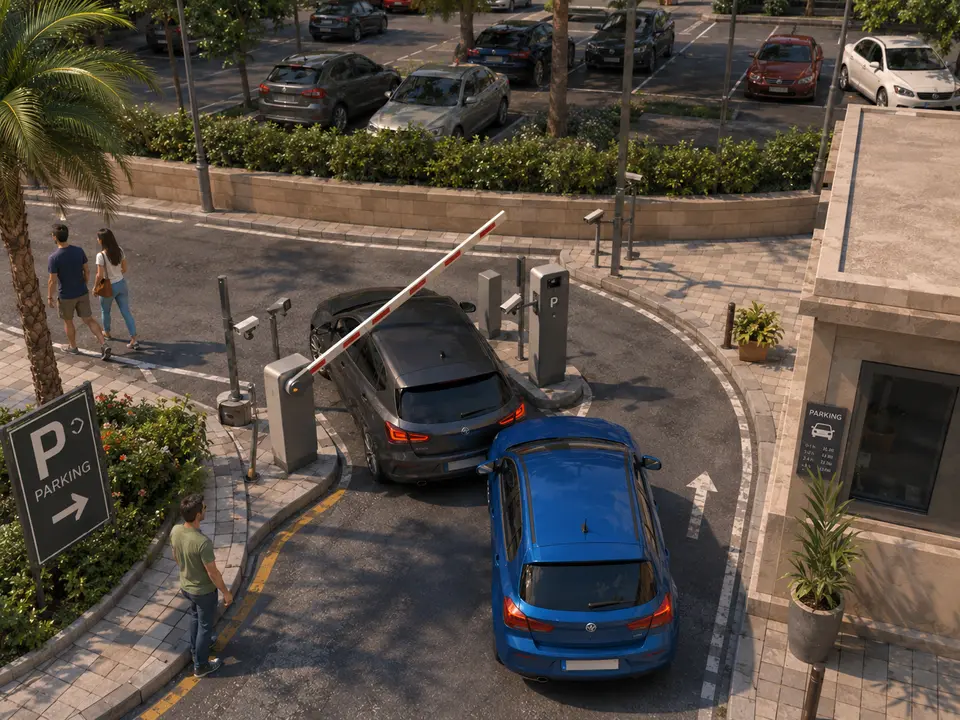
CAM-465Two cars crossed on a single opening
«Tell me when more than one vehicle goes through on a single barrier opening, and save me the video with the time.»
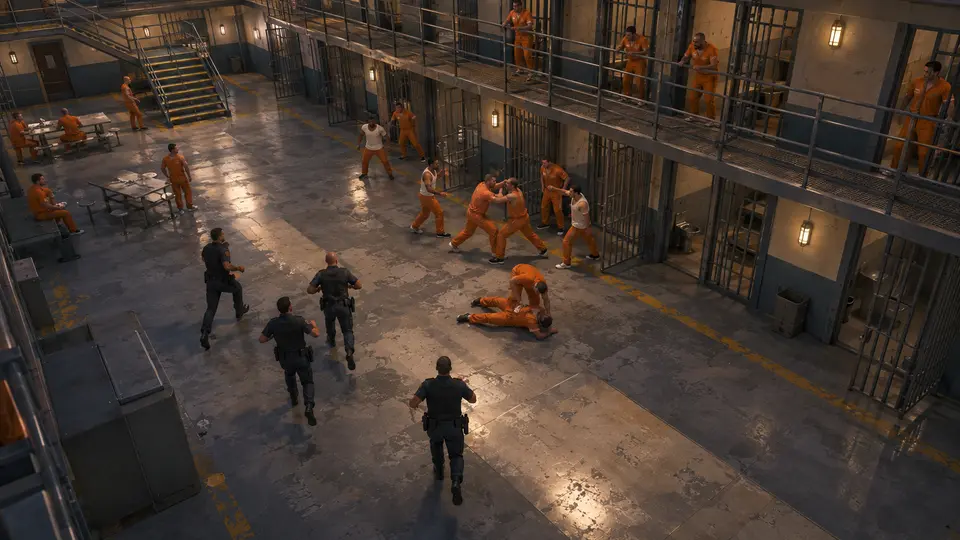
CAM-102Fight in the day room
«Tell me the moment two people come to blows in the day room, and tell me too if someone goes down and does not get back up.»
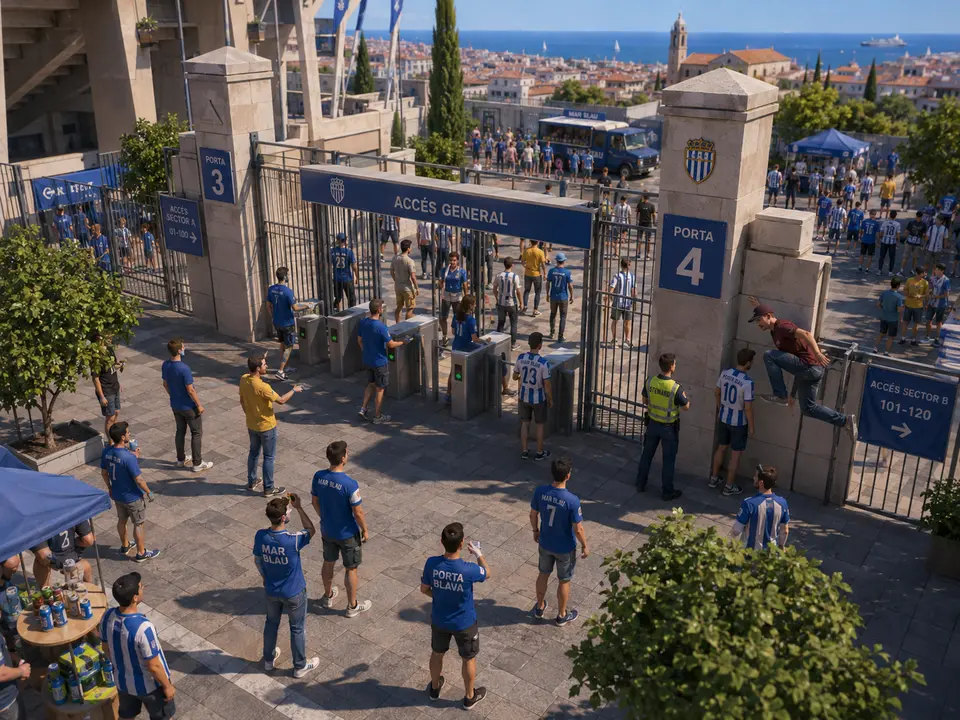
CAM-487One person climbs the fence while everyone else uses the turnstile
«Tell me if somebody comes in outside the turnstiles, or if two people go through on a single validation.»
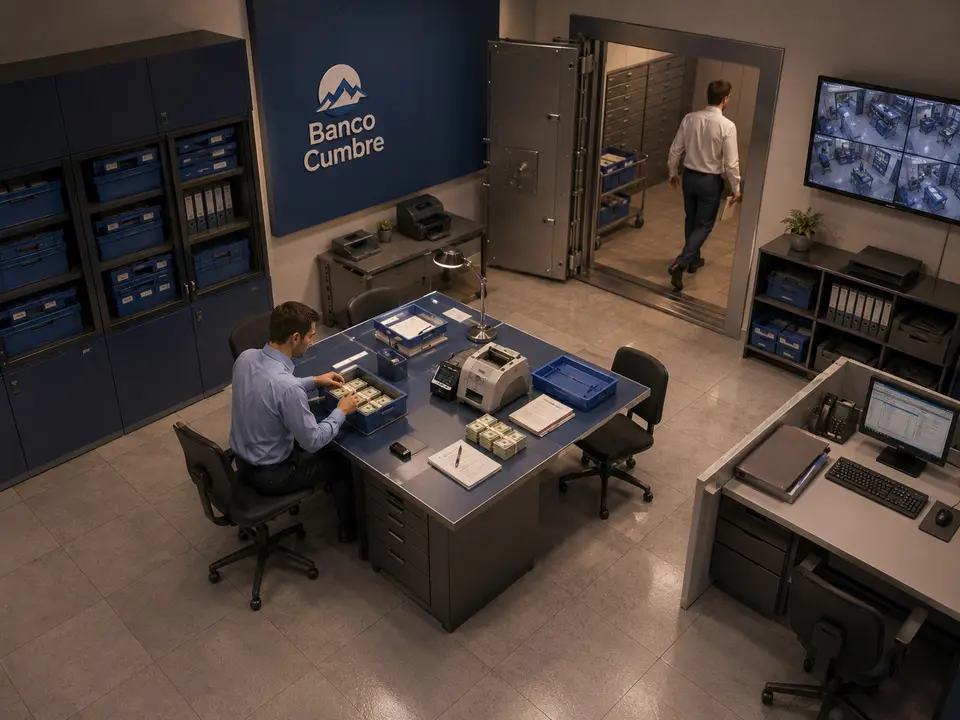
CAM-514An operation that takes two people, and there is one in the room
«Tell me when only one person is left in the cash room while there is cash on the table.»


What it does not do
IRIS does not know who the second person is or whether they had any right to enter. It counts how many cross and compares that with how many validations there were. Putting names to people is a matter for the access control system and for whoever runs the investigation, not for the camera.
And it needs to see the whole pass. A camera hung head-on at head height cannot tell two bodies pressed together apart; one overhead, above the door, can. If the framing is not right, that gets said up front and the camera changes, not the promise.
And it counts the pass, not presence. For the list of who is inside to be true, the exits have to be counted as well: with only the entrance door, IRIS says two came in and does not say when one of them left.
Questions
- Do we have to replace the access control system?
- No. IRIS does not replace access control: it checks it. The same door keeps opening with the same badges and the same database as always. What gets added is a camera watching that pass and a comparison between two numbers: how many validations there were and how many people crossed. When they do not match, an alert comes out with the video. Where the validation cannot be read, the rule is written the other way round: alert when two people cross together in the same rotation of the turnstile.
- Will it not be alerting all the time?
- It depends where you put it, and that is why the door is chosen. At a full-height turnstile a double pass is rare and every alert means something. At an office door where twenty people come in together at nine, alerting on each one would be useless: there the rule becomes a count for the shift, not an alarm. The same detection can be read as an alert or as a number, and you are the one who decides which, door by door.
- Does it work for vehicles at a barrier as well?
- Yes, and it is the same case told at a larger scale. Two lorries crossing on a single lift of the barrier leave exactly the inconsistency that two people on one badge leave: the gate log shows one vehicle and there are two inside the site. IRIS counts the vehicles that pass under the arm and compares that with the openings. It also flags the barrier that stays up, which is how most of these passes begin.
- Does IRIS lock the door or stop the turnstile?
- Not on its own, and it is worth saying plainly. IRIS alerts; what the door does is decided by the organisation. The alert can be connected to a system that closes, turns on a light or sounds a warning, but that is a decision about the installation and the evacuation rules, not something IRIS does by itself. In the vast majority of places what people want is the other thing: for someone to know at the time and make a call.
The real interface, step by step
A camera looks. IRIS understands what it sees.
An extract of the real screen, no voice-over and hands-free. Each round poses another situation. What sits behind it is a good deal bigger than what you see.
- It lands in the tray
- You open it
- You confirm or dismiss
Not seeing yours here?
These words are the ones we have built, not the ones IRIS understands. The list falls short on purpose: you ask for it in a sentence, and sentences do not run out. Tell us what is in front of your cameras and we will tell you whether it understands it, or not yet.
And the best part
You can add more cameras;you cannot add more hours to anyone’s day.
Cameras can be multiplied; a person’s hours cannot. IRIS looks at everything coming in and leaves them the one thing no machine does better: deciding what to do.
Tell us your problem and we will say whether IRIS understands it, or not yet.
We reply the same working day.