Solutions by typeLogistics efficiency
What if what is being loaded is not what was meant to go?
The pallet going into the truck is not for that route
09:15 at bay 3. The truck is open and a worker is pushing a pallet of cardboard boxes inside. On the dock the pallets for that route are waiting: a blue one, one wrapped in film, one with an orange label. The one that has just gone in is none of those: it was in the next slot along, which belongs to bay 4. Nobody has done anything odd. In forty minutes the truck pulls onto the motorway with the mistake inside it.
8 cameras across 5 sectors
What IRIS is
IRIS watches the cameras for you.
IRIS Neural is an artificial intelligence that watches the cameras you already have and understands what happens in front of them. When something important happens —or something you told it you need to keep an eye on—, it alerts you; and whatever can be counted, it counts in numbers. All day long, without anyone having to watch a screen.
You tell it what you need to watch, and IRIS does it.
Works with the cameras you already have. Nothing to replace.
A person replies, not a form.
- Your footage never leaves your premises.
- It doesn't identify people.
- Certifications →
This is how you ask for it
«“Tell me if a pallet goes into the truck whose label is not on the loading order for that bay.”»
The mistake is discovered at the end, which is where it costs most. It is discovered by the customer opening the truck two hundred kilometres away, or by the one who does not get their delivery and calls. Then it has to come back, the right one has to go out, and there is an argument about whose fault it is and who pays the freight. At a cement works it is worse: the tanker that loaded under the wrong silo now holds a product that cannot be separated again, and that whole silo is compromised.
You decide once
The loading order is written by the company, not by the camera. It decides what should leave through each bay, which route each trolley belongs to, which silo goes with each job, and which scrap box belongs in each recipe. IRIS invents none of that: it compares what it sees with what the company has already decided and speaks up when the two do not match. And it does so before the truck starts, which is the only window in which the mistake is still free.
There is a kind of failure that appears in no safety statistic, because there is neither an injury nor a thief. Everything works: people do their jobs, the machines run, nobody cuts a corner. It is simply that the right thing ends up in the wrong place. A pallet that goes into the truck next door. A dumper full of good ore that takes the turning to the waste dump. A tanker parked under the grey silo when its job was the white one.
What they all have in common is the moment they are discovered. Never now: at the end of the shift, or the next day, or when the customer calls. And the later it is discovered, the more it costs to undo. A mis-loaded pallet caught on the dock is thirty seconds of forklift. The same pallet caught at destination is a truck coming back, an angry customer and an argument about who pays. And some mistakes cannot be undone at all: ore that goes into the waste dump does not come back, and the drum connected to the wrong line has already started dosing.
IRIS watches that earlier moment. It sees the label on the pallet going into the truck, sees which door the trolley leaves by, sees which loading spout the tanker has parked under, and compares it with what the company had already said should happen there. If it does not match, it says so while the truck is still standing with its doors open. It stops nothing by itself, blocks no barrier and accuses nobody: it tells the person on the dock, with the image, and that person decides.
What changes
Before, the mistake was caught by a check at the end: someone went over the delivery note, counted the items and signed. And it worked, except on the busy days, which are the days mistakes get made. Now the check happens while the loading is going on, and it tells the person standing there, with a picture of the pallet that has just gone in. What used to be fixed with a return trip is now fixed with a forklift and thirty seconds.
Where we have seen it
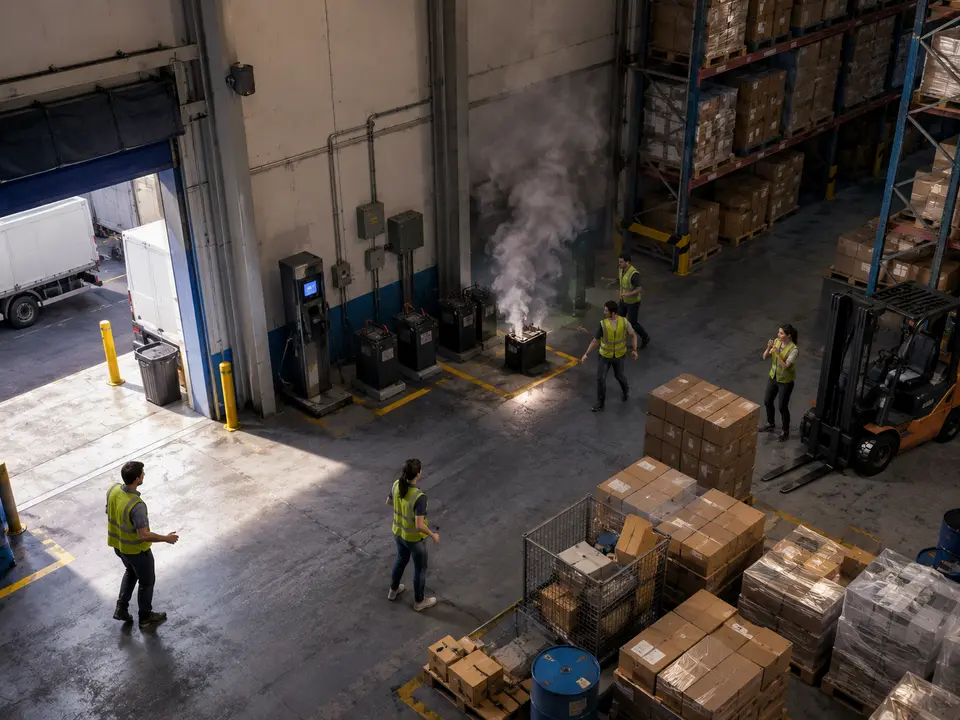
CAM-276Smoke coming off a battery in the charging bay
«Alert me the moment you see smoke in the battery charging bay, even if no detector has gone off.»
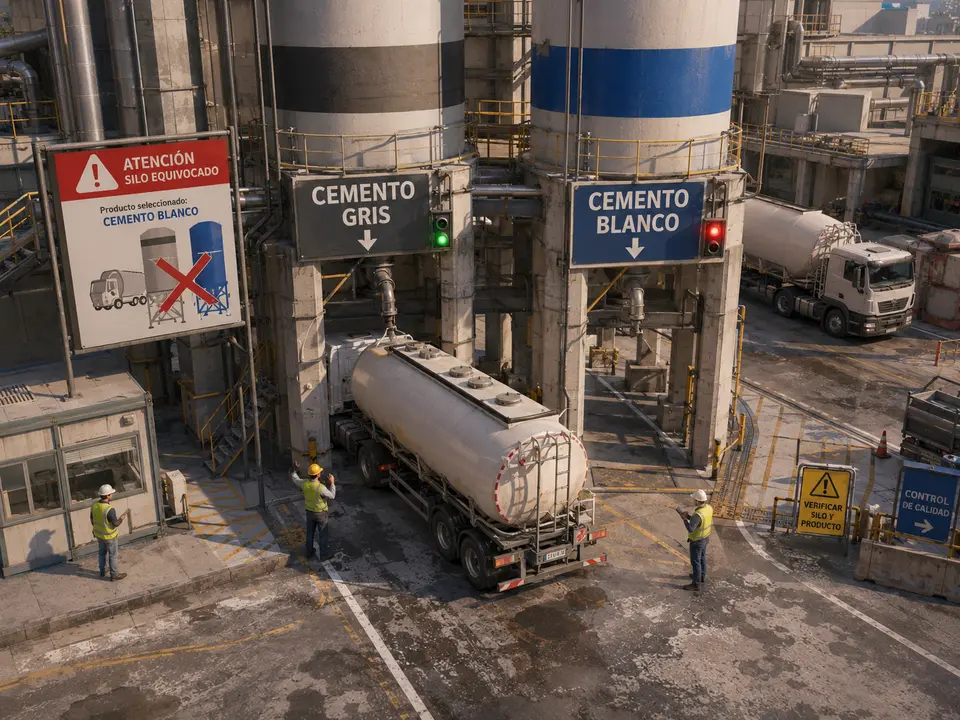
CAM-385A tanker loading under the wrong silo
«Tell me when a tanker connects to a silo that is not the one on its loading order, before it pulls away.»
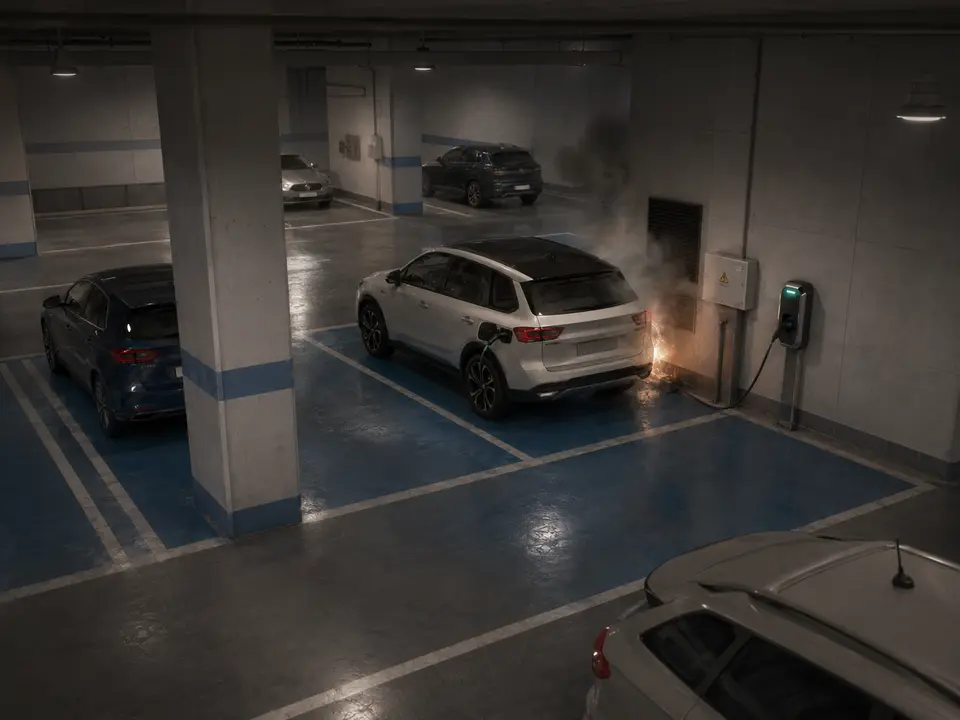
CAM-473Smoke and flame at the foot of a car plugged into the charger
«Alert me the moment you see smoke or flame in the charging area, even if no alarm has gone off.»
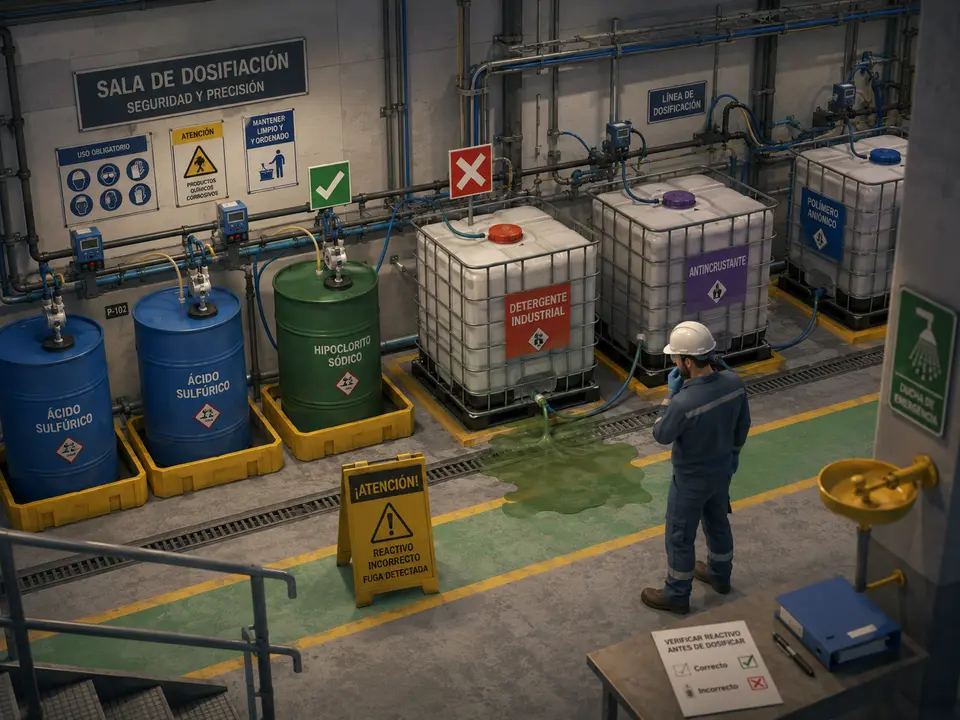
CAM-405The container plugged in is not the one that belongs there
«Tell me if a container that does not belong on that line gets connected, or if I see liquid on the floor of the room.»
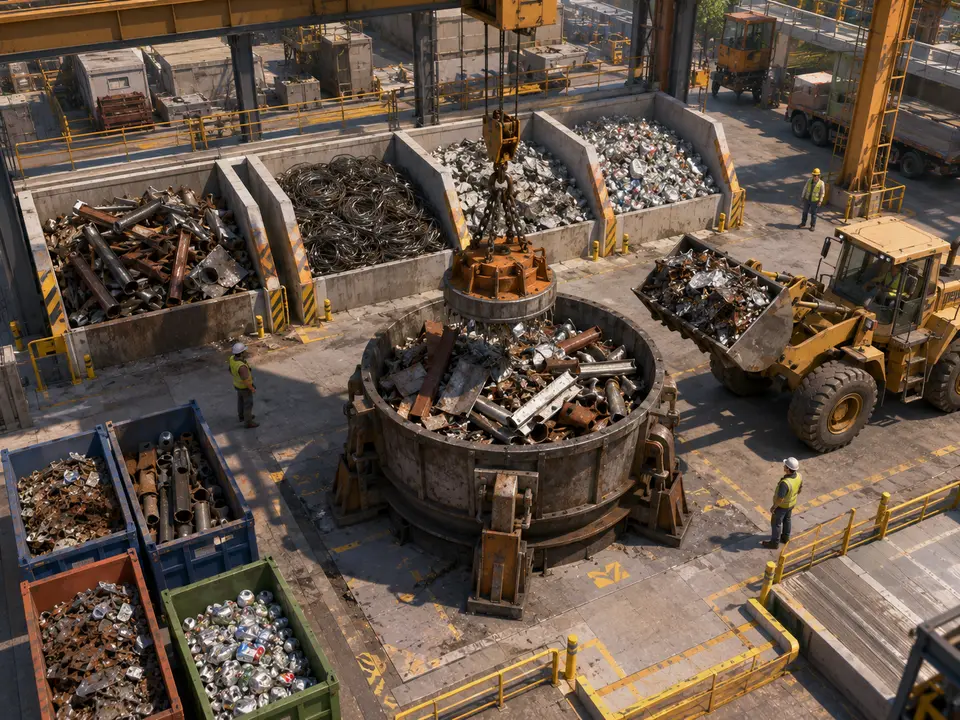
CAM-363The basket has been loaded from four different bays
«Tell me if material from a bay that does not belong in this recipe goes into the basket, and tell me which bay it came from.»
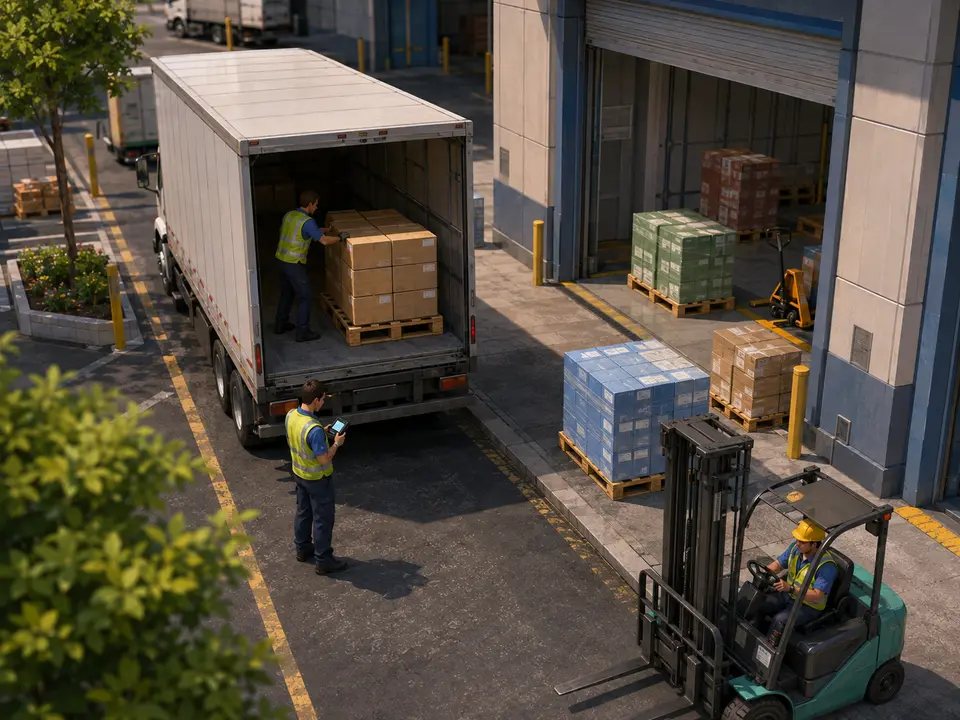
CAM-265The pallet going into the truck is not the one for that route
«Tell me if a pallet goes into the truck with a label that is not on that dock’s loading order.»


What it does not do
IRIS does not stop the truck, does not lower the barrier and does not block the loading spout. It alerts, and a person decides. Nor does it guess what is inside a box: it sees the label, the shape and the place, and compares on that basis. If two pallets differ only in the batch inside, the camera cannot tell them apart, and that needs saying. And if the loading order is not written down anywhere, there is nothing to compare against: this starts there.
Questions
- Does it need to connect to our warehouse system?
- To compare against the loading order, yes: somebody has to tell it what was supposed to leave through that bay. That information already exists in the company, and what happens is that IRIS is allowed to read it. Without it, IRIS is still useful for things that depend on no system at all: flagging a pallet leaving through a door when no load is scheduled, or a loaded trolley heading down an aisle that is not on its route. With the connection, you compare item by item. Without it, you compare times, doors and routes.
- Does it read the pallet labels?
- It reads what is visible from the camera, and that depends on how the label is placed. A large code, flat and facing the lens, reads well; a creased label, covered by the wrap or facing the wall, does not read, and then IRIS says so instead of guessing. At many bays the problem is solved with a better-placed camera, and at others with the habit of turning the label towards the aisle. It is an installation detail, and it is better looked at up front than discovered afterwards.
- Can it stop the loading automatically?
- It can, if the company decides so, and by default it does not. IRIS alerts whoever is on the dock and shows the image; stopping a load, lowering a barrier or blocking a spout are decisions with consequences, and the organisation takes them, not us. There are places where wiring it to a traffic light or an interlock does make sense, such as a silo spout. And there are places where the right answer is that an alert sounds and a person looks before an operation is stopped.
- Does it work at a mine or a scrap yard?
- Yes, and it is the same problem in different clothes. At a mine, the dumper that takes the turning for the waste dump is carrying good ore, and that is money thrown onto the barren heap. At a scrap yard, the basket loaded with material from the wrong box changes the recipe for the heat and produces steel out of specification. In both cases IRIS sees where the loading happened and which way it went, compares it with what was planned, and says so before it becomes irreversible.
The real interface, step by step
A camera looks. IRIS understands what it sees.
An extract of the real screen, no voice-over and hands-free. Each round poses another situation. What sits behind it is a good deal bigger than what you see.
- It lands in the tray
- You open it
- You confirm or dismiss
Not seeing yours here?
These words are the ones we have built, not the ones IRIS understands. The list falls short on purpose: you ask for it in a sentence, and sentences do not run out. Tell us what is in front of your cameras and we will tell you whether it understands it, or not yet.
And the best part
A recollection cannot be checked.A number can, and it comes out the same every day.
The number does not depend on who was on shift or how they remember it. It is measured the same way every day, and that is why people counting is certified by the Centro Español de Metrología.
Tell us your problem and we will say whether IRIS understands it, or not yet.
We reply the same working day.