Solutions by typeInfrastructure integrity
How do you know which row has stopped producing?
A whole field and nobody walking it
One in the afternoon at the coastal solar farm. Every row is turned the same way, following the sun, except one: the middle row has stayed facing the other way and is showing the back of its modules. It has been like that since quarter past nine this morning. Nobody on site knows, because there is nobody on site: it is eighty hectares and the next visit is scheduled for next Thursday.
9 cameras across 7 sectors
What IRIS is
IRIS watches the cameras for you.
IRIS Neural is an artificial intelligence that watches the cameras you already have and understands what happens in front of them. When something important happens —or something you told it you need to keep an eye on—, it alerts you; and whatever can be counted, it counts in numbers. All day long, without anyone having to watch a screen.
You tell it what you need to watch, and IRIS does it.
Works with the cameras you already have. Nothing to replace.
A person replies, not a form.
- Your footage never leaves your premises.
- It doesn't identify people.
- Certifications →
This is how you ask for it
«Tell me if any tracker row ends up at a different angle from its neighbours for more than an hour.»
What a solar farm loses, it loses quietly. At the end of the month there is a total, and a total does not tell you which row. Between the day something breaks and the day someone links it to a specific row, weeks of generation can go by that never come back. And with hail it is worse: to make a claim you need the date and the before-and-after image, and if you did not have that, it cannot be manufactured afterwards.
You decide once
You decide this once. You say which rows are watched, how long one may sit out of line before it counts, what hours it applies — here, daylight only — and who gets told: if a row holds a different angle for more than an hour, alert the maintenance team with the image of the field and the time it fell out of step. IRIS checks that every day, including the days with no visit scheduled, which on a solar farm is almost every day.
A solar farm is the opposite of a factory. In a factory people walk past the machines all day; on a farm there are hundreds of hectares of hardware running on their own, and what tells you something has broken is usually a number at the end of the month. A number that is also a total: it says output was lower, it does not say which row. And whoever goes looking for the row has to walk the field, which is precisely the job nobody has time to do every week.
What needs seeing, though, has a very recognisable shape from a camera. A tracker row facing the opposite way from all the others at midday. Three rows that look whitish instead of deep blue because the glass shattered in last night’s hail. All of it is visible from the same place a person walking the track would see it, with the difference that the camera is looking on Tuesday afternoon and the person is not.
IRIS looks at the field row by row and says when one has stopped resembling its neighbours, or itself last week. It alerts with the image, with the time it stopped following the sun and with the comparison alongside. That pair of dated images is also what you need later to claim for damage, and it is exactly what you never have when the damage turns up three weeks late.
What changes
Before, the field was walked every two or three weeks, and whatever failed between visits was found on the next one, or on the bill. Now, on the day a row ends up facing the wrong way, the alert arrives with the time and the image, and whoever drives out already knows which row and what to bring. The round is not abolished, it is sharpened: instead of walking eighty hectares looking, you go and see what you already know is wrong.
Where we have seen it
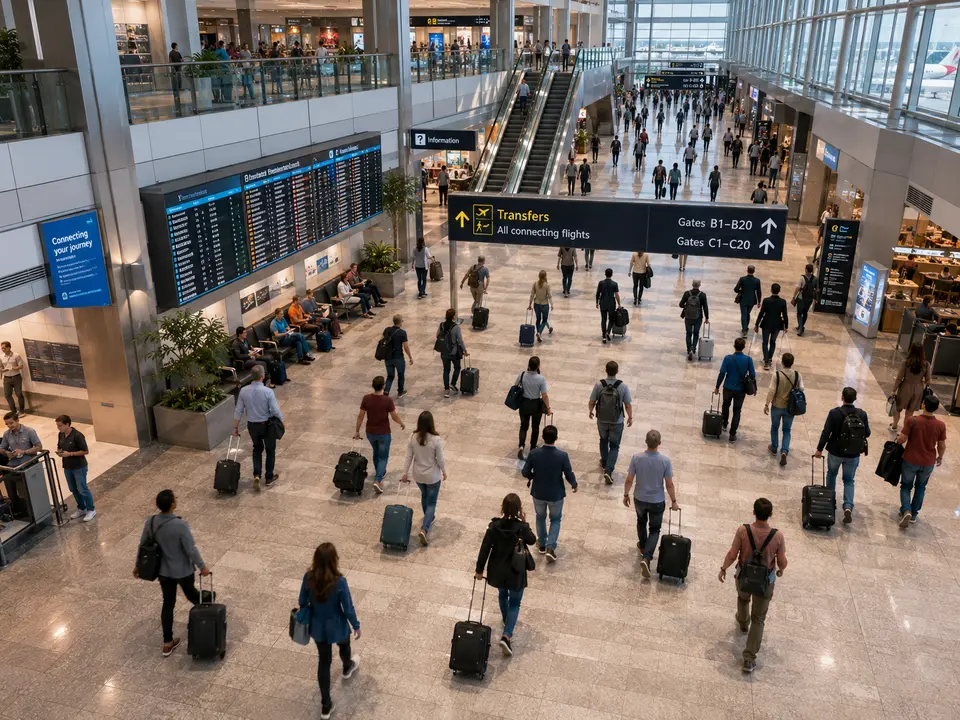
CAM-586Three minutes stood at the board is not walking slowly
«Tell me if the average time stood at the board goes over five minutes for a whole hour.»
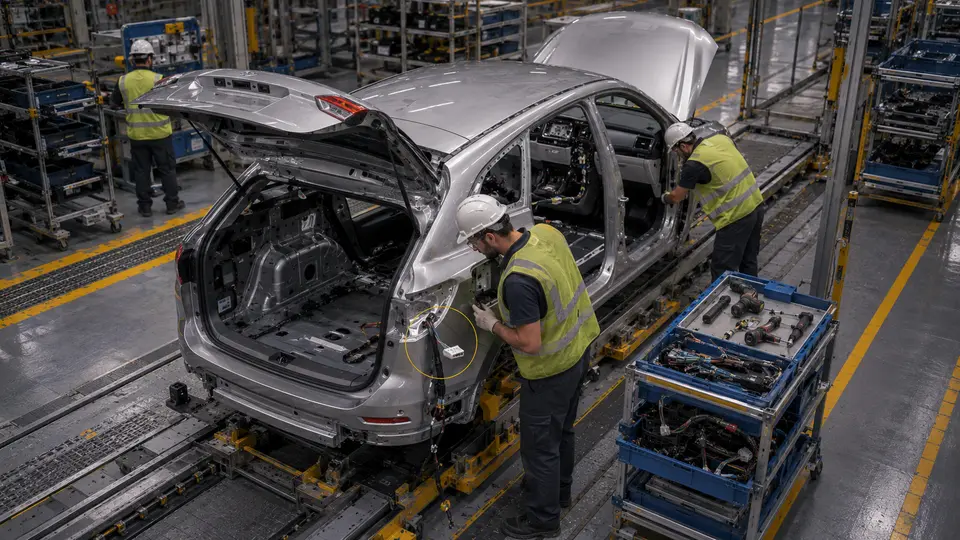
CAM-225A connector left unmated on the line
«Tell me if a connector is left unmated on the flank before the trim panel goes on.»
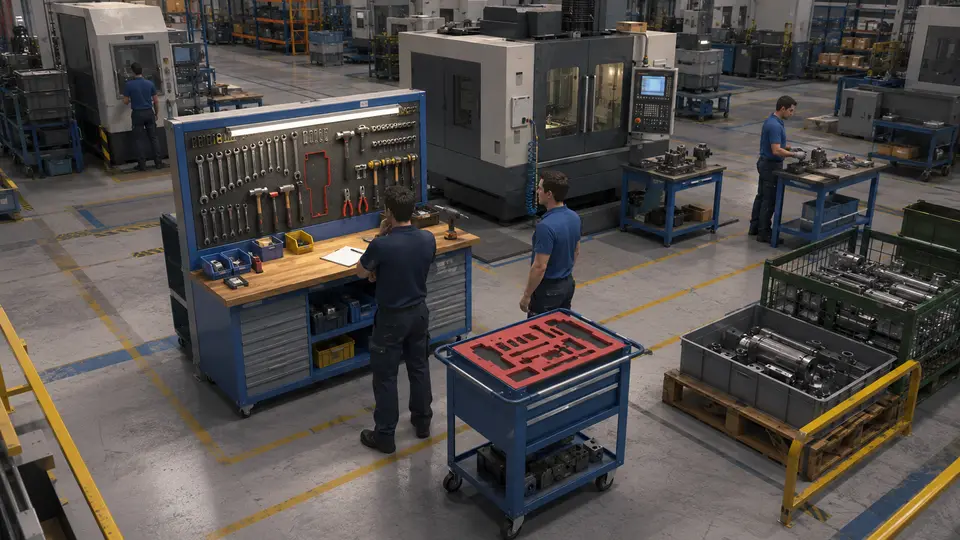
CAM-250One outline on the board is empty: a tool is missing
«Tell me when a board outline is left without its tool at the end of the shift.»
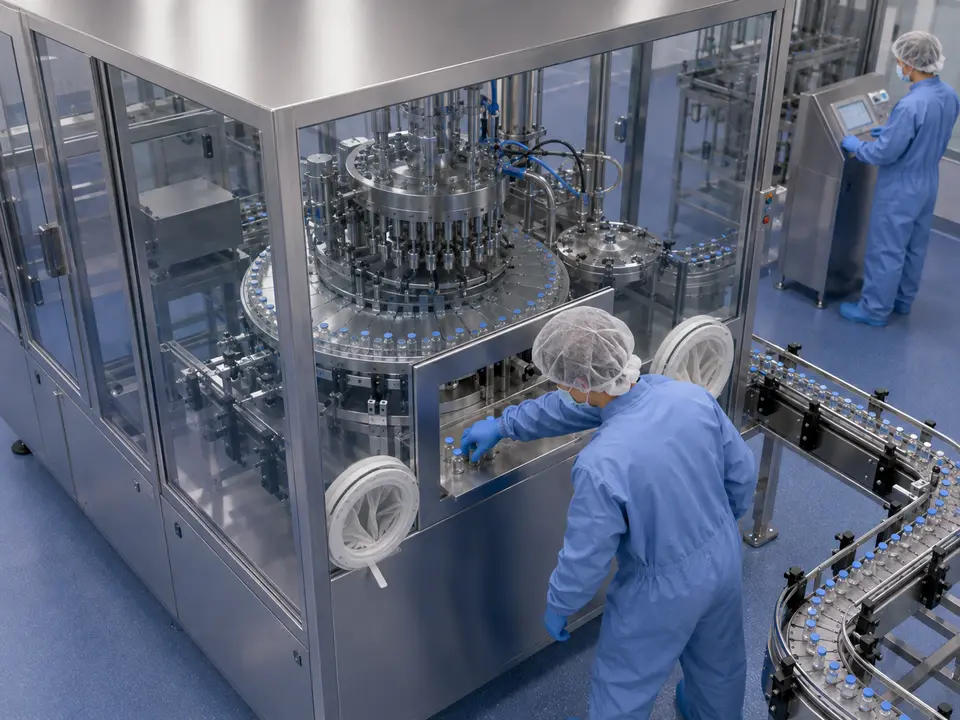
CAM-294An arm reaching into the isolator through the open panel
«Alert me the moment anyone opens an isolator panel and reaches in where the vials are.»
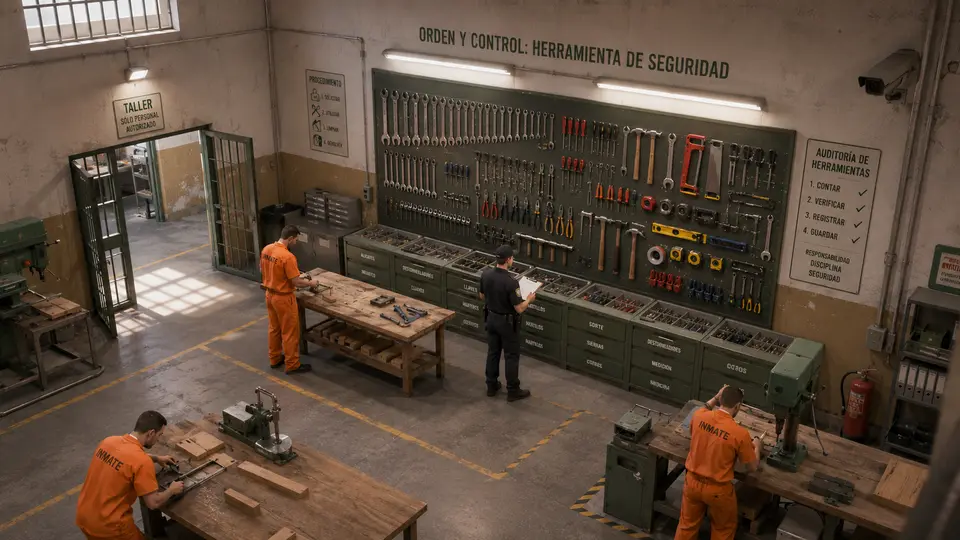
CAM-115The tool board in the workshop
«Tell me if any tool is missing from the board when the workshop closes, and tell me which slot and since what time it has been empty.»
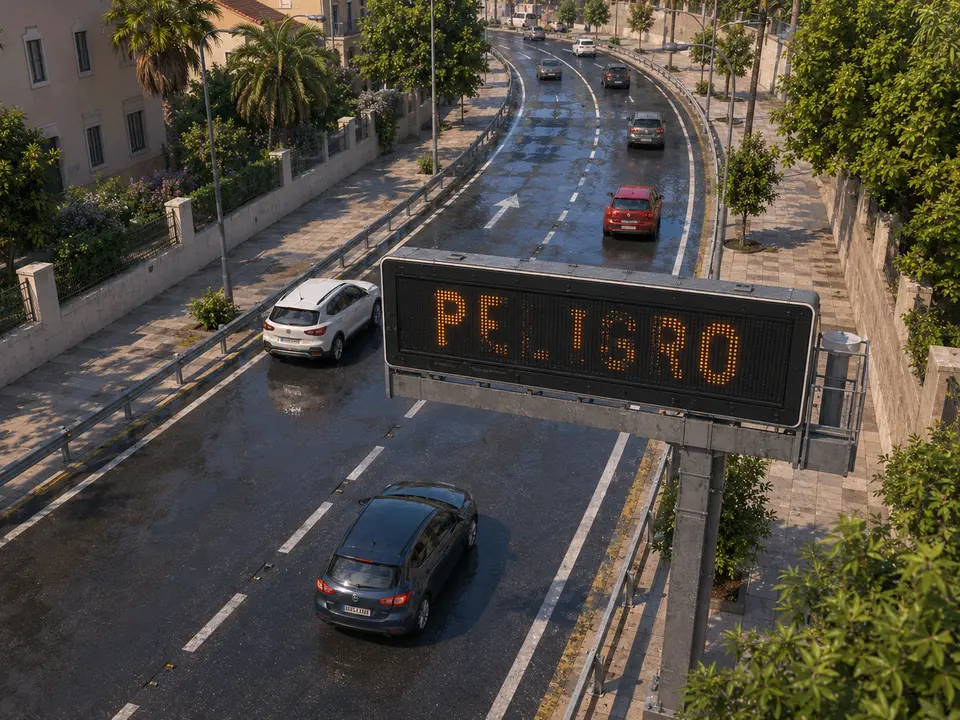
CAM-70Variable message sign
«Tell me if a sign looks broken, dark or with the message incomplete when seen from the road.»
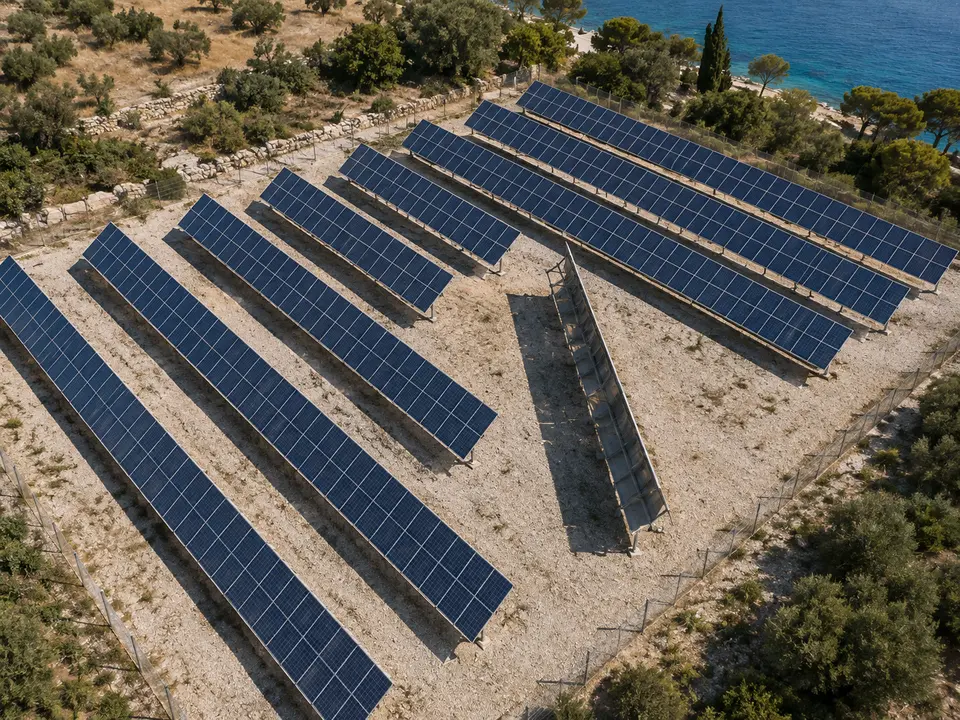
CAM-359One tracker row is facing the opposite way to all the others
«Tell me if any tracker row stays at a different orientation from its neighbours for more than an hour.»
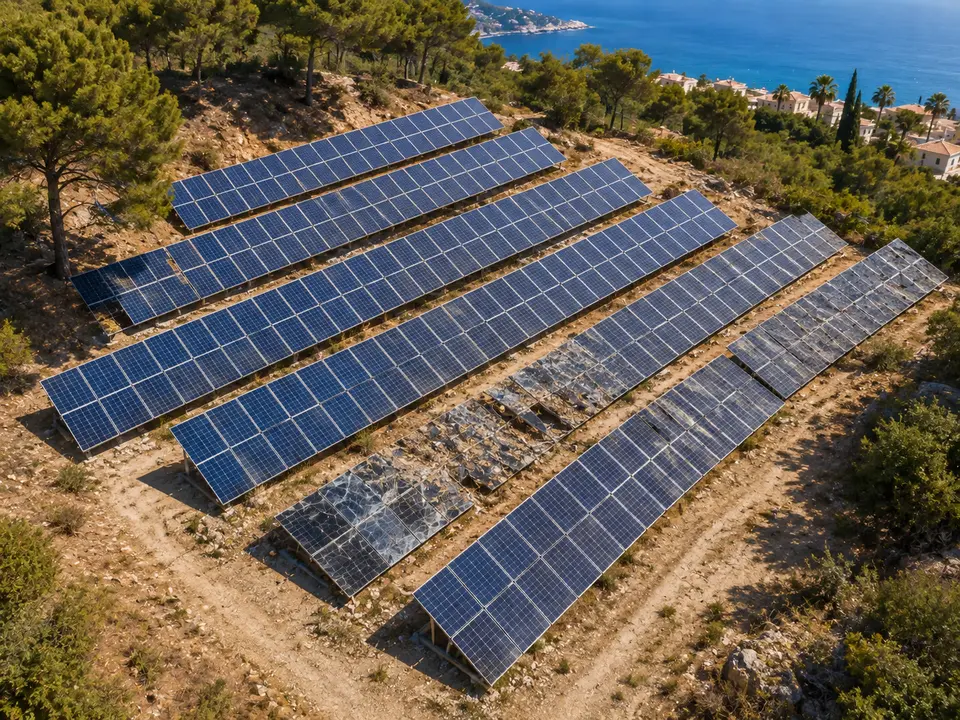
CAM-354Three rows of panels with the glass shattered
«Tell me if broken, dirty or displaced panels show up in any row of the field.»


What it does not do
IRIS does not measure generation and does not replace the inverters or the energy metering system. It does not tell you how many kilowatts were lost: it tells you that row is not like the others, and since when.
And it cannot see what is not visible. A cell cracked inside, a connection that has come loose, a degradation that does not change the colour: all of that is out of reach. Thermography and electrical testing are still needed for those.
Questions
- Doesn’t the inverter already catch this?
- The inverter does detect that part of the field is doing worse, and that is already a lot. What it does not give you is the cause or the exact place: it cannot tell a row turned the wrong way from a broken module or a new shadow. The camera shows what is happening to that row, and with that the crew sets out knowing what to bring. The two work well together: one says something is wrong, the other says what it looks like.
- Do you need a lot of cameras for a large field?
- You do not need one per row, but one for everything will not do either. From a high point, a single camera covers a good number of rows and sees differences in angle and colour perfectly well. Whatever falls outside the frame is not covered, and that gets said up front rather than discovered on the day of the hailstorm. It is done the other way round from usual: first you decide which parts of the field matter, then you decide how many cameras it takes to see them.
- Is the image any use for an insurance claim?
- Yes, and it is usually the piece that was missing. With the before image and the after image, both dated and from the same camera, you can show when it was fine and when it stopped being fine. That is exactly what a loss adjuster asks for and exactly what you do not have when the damage is found weeks later. The adjuster and the insurer still decide the settlement; IRIS only supplies the evidence of when it happened.
- And at night, when the field is not producing?
- At night half the rules switch themselves off, because a row cannot follow the sun when there is no sun. What does not switch off is the other half: nobody should be on the site. A solar farm at night is a large empty enclosure with a lot of copper in it, and the rule for those hours is a different one from the midday rule. You write both, and each applies in its own window, with nobody having to change anything at dusk.
Demo · IRIS at work
A new case each time. Always the same screen.
It plays by itself and shows one case from start to finish. It is a summary: the real screen has far more functions than fit in this box.
- Cameras on the map
- You draw an area
- What passed shows up
Not seeing yours here?
These words are the ones we have built, not the ones IRIS understands. The list falls short on purpose: you ask for it in a sentence, and sentences do not run out. Tell us what is in front of your cameras and we will tell you whether it understands it, or not yet.
And the best part
Video tells you what happened.An alert reaches you while it is happening.
Reviewing the recording helps you explain. Hearing about it at the time helps you get there. Two different things, and until now you only had the first.
Tell us your problem and we will say whether IRIS understands it, or not yet.
We reply the same working day.