Solutions by typeInfrastructure integrity
How long before somebody tells me half the station is dark?
Half the station is dark and nobody called
It is 22:15 in the concourse. A whole row of light fittings has not come on and half the passage has gone dim. Passengers notice without thinking about it: they walk hugging the lit side and leave the other one empty. Nobody has called, because this is not a breakdown, it is an annoyance. The first official notice will arrive tomorrow, when maintenance walks past on another job.
6 cameras across 5 sectors
What IRIS is
IRIS watches the cameras for you.
IRIS Neural is an artificial intelligence that watches the cameras you already have and understands what happens in front of them. When something important happens —or something you told it you need to keep an eye on—, it alerts you; and whatever can be counted, it counts in numbers. All day long, without anyone having to watch a screen.
You tell it what you need to watch, and IRIS does it.
Works with the cameras you already have. Nothing to replace.
A person replies, not a form.
- Your footage never leaves your premises.
- It doesn't identify people.
- Certifications →
This is how you ask for it
«Alert me if part of the station goes dark when it should be lit.»
A dark corridor breaks nothing, and that is exactly why it stays dark for weeks. Meanwhile three things happen: people avoid that area, the cameras on that side become useless, and if anything happens there, the video you have is a black smear. And when it finally gets fixed, it gets fixed because of a complaint or a report, not because of a fact. Nobody knows how many nights it was out.
You decide once
You decide what «lit» means in each place and at what hour: the concourse from dusk, the tunnel always, the substation yard from eleven to six, the shop floor while the store is open. That is set once, place by place and slot by slot. After that IRIS compares what it sees each night with what should be there, and only alerts when light is missing where you said there should be some.
Lighting has an odd problem: it is the only installation that fails without giving any signal. A motor that stops makes a noise, a door that will not close throws an error, but a blown light fitting tells nobody. It simply stops being there. And because the place keeps working, the fault slips into the routine until somebody is annoyed enough to pick up the phone.
That is why partial blackouts last so long. In a shop, half a floor in shadow empties the aisles on that side and nobody connects the two things. In a tunnel, an unlit stretch changes what a driver sees at a hundred and twenty. In a substation, a dark yard is exactly where you do not want darkness. And in all three cases the camera has been recording the evidence for weeks with nobody looking at it.
IRIS compares that camera’s picture with how the same place looks when it is right: the row of fittings that comes on, the area that goes dark, the beacon that has to be lit. When light is missing where it should have been, it sends the alert with the camera, the time and the exact part that has gone out. Maintenance leaves with the spot already located, instead of with «there is a light out somewhere over there».
And «out» is not always a ceiling lamp. On a gaming floor, a black screen in the middle of a lit bank means that machine has been out of service for ten minutes, and nobody has noticed because nobody was sitting at it. In a shop, half a floor in shadow is not a fault anyone reports: it is an aisle people stop walking down. Two different businesses with the same symptom, and the question that settles both is the same: does this look the way it looks when it is right?
What changes
Before: the fault was reported by a customer, a passenger or a guard, and it arrived with no location and no time.
Now: it arrives on its own the same night, saying which camera, which stretch and since when. The maintenance job comes from the alert instead of a phone call, and at the end of the month you can see how many nights each area was below what it should be. That is no longer a complaint: it is a figure.
Where we have seen it
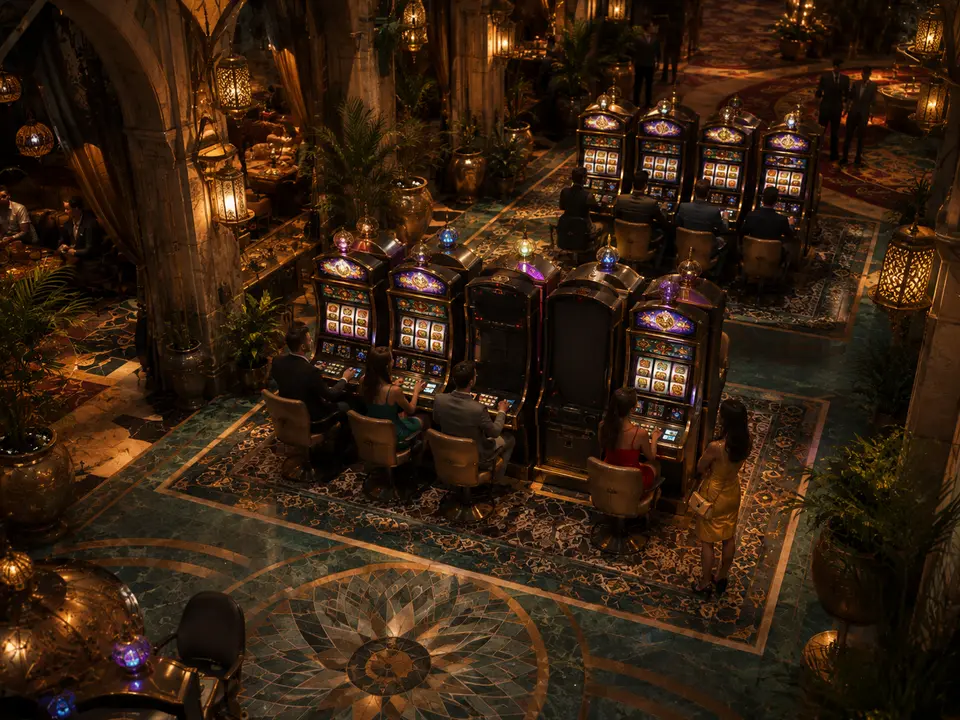
CAM-526One dark screen in the middle of a bank of machines that are all lit
«Tell me if a machine's screen stays dark for more than ten minutes while the ones beside it stay lit.»
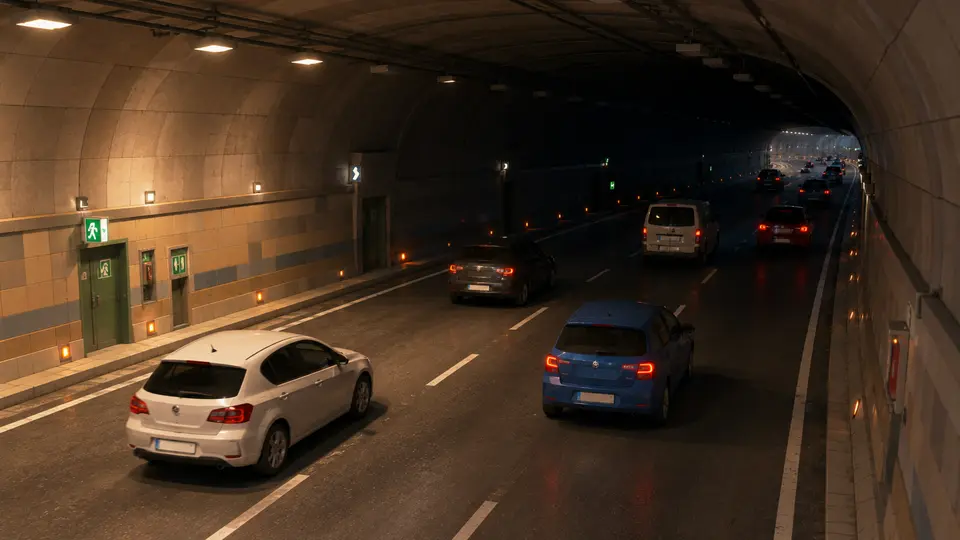
CAM-185A stretch of tunnel in the dark
«Tell me if a stretch of the tunnel loses its lighting, even when nothing else has happened.»

CAM-74Half the shop floor in the dark
«Tell me if the lights go out in one part of the floor and tell me which part, even if the rest of the store is still lit.»
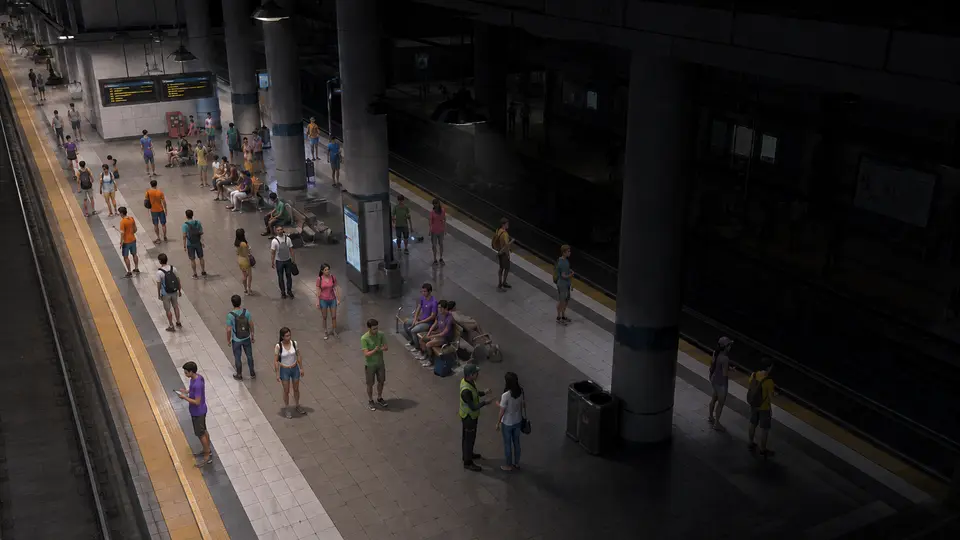
CAM-91Half the station in the dark
«Tell me if part of the station goes dark when it should be lit.»
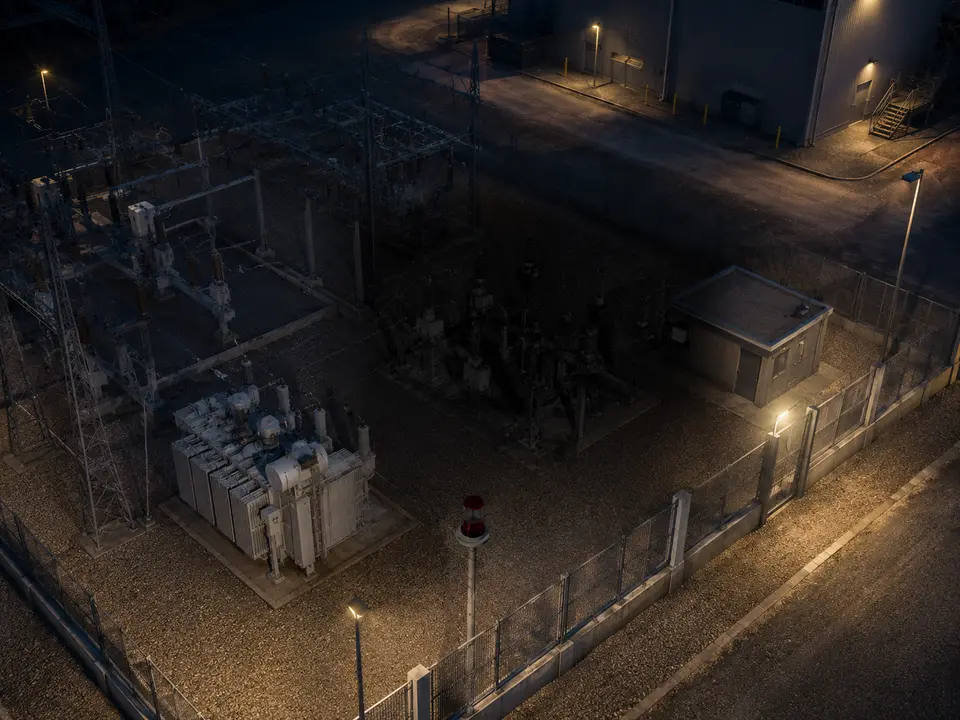
CAM-357Tonight the substation is in the dark
«Tell me if at night there is less light than usual inside the compound, or if the red beacon is not lit.»


What it does not do
IRIS does not know why it is out. It cannot tell a blown lamp from a tripped breaker, a mis-set timer or someone who flipped the switch: the electrician says that, not the picture.
It does not measure lux either, and it does not replace a light meter. What it does is compare how a place looks with how it normally looks, and that is good for raising an alert, not for certifying an illumination level.
Questions
- Would it not be easier to monitor the electrical panel?
- If the panel can tell you, better, and then you do not need a camera. The problem is that the panel says whether the line has power, not whether the room has light. A blown lamp, a dead driver, a floodlight knocked out of aim or a filthy fitting show up on no panel: they draw the same current or none at all, and nobody finds out. The camera looks at the result, which is what the people standing there see.
- Can it tell an area that is dark on purpose?
- Yes, if you tell it. The schedule is part of the rule: a room that goes dark at closing time raises no alert, because at that hour it is meant to be dark. What fires is the exception: light missing in a slot where it should be there, or one area dark while the one beside it stays lit. Without a schedule, a system like this would alert every night and would be muted within a week.
- Does it work for street lighting?
- Yes, wherever a camera looks at that street. It is one of the most rewarding uses, because today street lighting gets repaired on the strength of residents’ calls, and those arrive late, badly located and only from the streets where people who call happen to live. With cameras, the same comparison runs every night on every watched street. What no camera sees still needs a patrol: a camera does not invent what is outside its frame.
- What if the camera itself is covered or broken?
- Then IRIS says so, and that is a different alert. A picture that drops to black all at once, a covered lens or a camera that has been swung round is not a blackout: it is a camera that has stopped seeing, and that needs to be known the same day too. Telling the two apart matters, because the answer is different: one is fixed by the electrician, the other by the systems team.
Demo · IRIS at work
We won't just tell you. We'll show you.
It is a summary of the real screen: it plays by itself, step by step, and shows only the path of one case. The actual tool has far more than fits in here.
- The alert fires
- It lands in the tray
- You open it
- You confirm or dismiss
Not seeing yours here?
These words are the ones we have built, not the ones IRIS understands. The list falls short on purpose: you ask for it in a sentence, and sentences do not run out. Tell us what is in front of your cameras and we will tell you whether it understands it, or not yet.
And the best part
Whoever is on duty already has a job.Watching forty screens does not fit into the shift.
No shift has time to spare. IRIS watches all forty at once and brings only what needs to be seen, with its camera and its time. What happens next is that person’s call.
Tell us your problem and we will say whether IRIS understands it, or not yet.
We reply the same working day.