Solutions by typePersonal safety
How long before anyone notices someone has gone down?
Twenty minutes on the floor
It’s 5:10 a.m. on the fourth floor. Someone gets up to go to the bathroom, feels dizzy on turning and falls beside their own door. No cry for help. The hallway is empty, the lights are down and the nurses’ station is a hundred feet and a corner away. The hallway camera has been recording it since the first second. The six o’clock round hasn’t started yet.
19 cameras across 10 sectors
What IRIS is
IRIS watches the cameras for you.
IRIS Neural is an artificial intelligence that watches the cameras you already have and understands what happens in front of them. When something important happens —or something you told it you need to keep an eye on—, it alerts you; and whatever can be counted, it counts in numbers. All day long, without anyone having to watch a screen.
You tell it what you need to watch, and IRIS does it.
Works with the cameras you already have. Nothing to replace.
A person replies, not a form.
- Your footage never leaves your premises.
- It doesn't identify people.
- Certifications →
This is how you ask for it
«Tell me as soon as someone is on the floor of a hallway and is still there, even at night with nobody passing.»
What you pay for isn’t the fall: it’s the time until somebody arrives. Forty minutes on the floor with a broken hip means a longer stay, a family asking questions and a report that has to be explained. In a care home it also means an inspection. And the most expensive part appears on no piece of paper: the next round is done in fear, and the night shift ends up asking for two people where one used to be enough.
You decide once
This is decided once and never has to be repeated. The organization says where: these hallways, these rooms, this lobby. It says how long: if someone has been lying still for more than thirty seconds. And it says what happens next: open an incident, alert the nurses’ station, keep the video from before the fall. From then on IRIS applies it every night, on every one of those cameras, without anyone having to remember.
A person on the ground is the same scene in places with nothing else in common. A hospital hallway at dawn. A prison landing mid-afternoon. The lobby of a bank branch. A process unit where nobody walks past for three hours. All of them have cameras, and almost all of them have two people watching forty screens at once. The fall is always recorded. It’s almost never seen.
The day it goes wrong, the video turns up afterward. You learn the exact time of the fall, and you also learn how long it took for someone to arrive: eighteen minutes, twenty-six, forty. That number is the one that ends up in the report, and it’s the one that stings, because with a hip fracture or a stroke it is the first minutes that change the outcome. Nobody did anything wrong. There was simply nobody watching that particular screen at that particular hour.
IRIS watches all of them at once. When it sees a body on the ground that doesn’t get up, it waits the seconds you set and then speaks: the camera, the exact spot, and video from before the fall. It does not know who that person is, and it does not need to. The recording explains what happened. The alert means there is less to explain.
What changes
Before, the fall was discovered on the round and the video was reviewed the next day to reconstruct the time. Now the person on duty gets the camera already open, with the exact minute and the spot in the hallway, while the patient is still on the floor. It doesn’t change the number of falls: that depends on flooring, footwear and medication. It changes how long someone takes to arrive, which is the only part a screen can improve.
Where we have seen it
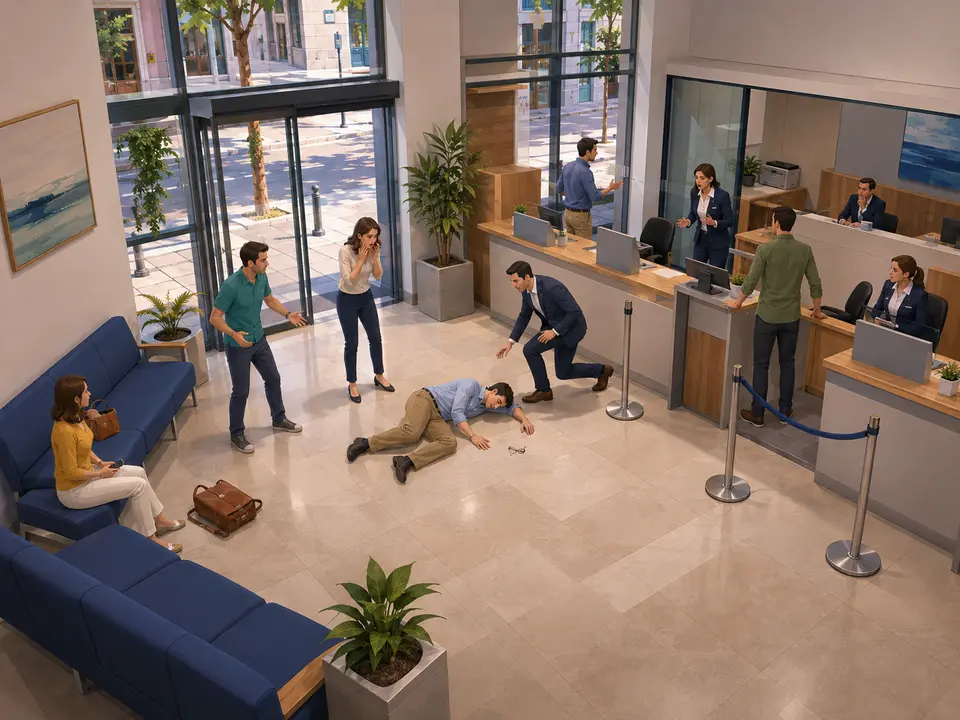
CAM-519Someone on the floor and a briefcase nobody comes back for
«Tell me if somebody has been lying still on the lobby floor for more than thirty seconds, and tell me too if a bag is left alone in the public area for more than five minutes.»

CAM-534Someone on the floor and, at the same time, an open equipment cabinet
«Tell me if somebody falls or stays down on the floor, and tell me too if somebody opens an equipment cabinet or covers a camera.»
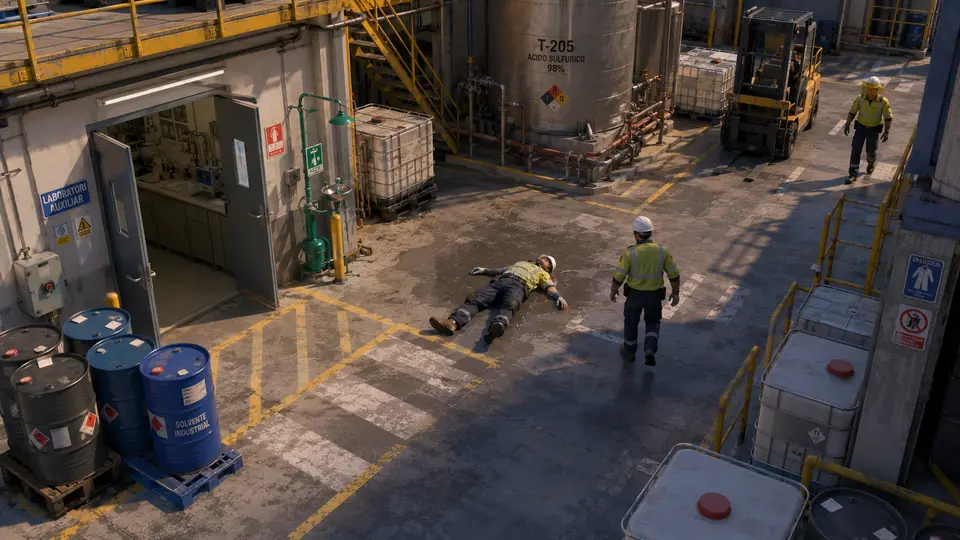
CAM-316A person on the ground outside the laboratory
«Alert me as soon as you see somebody lying on the yard floor and not getting up.»
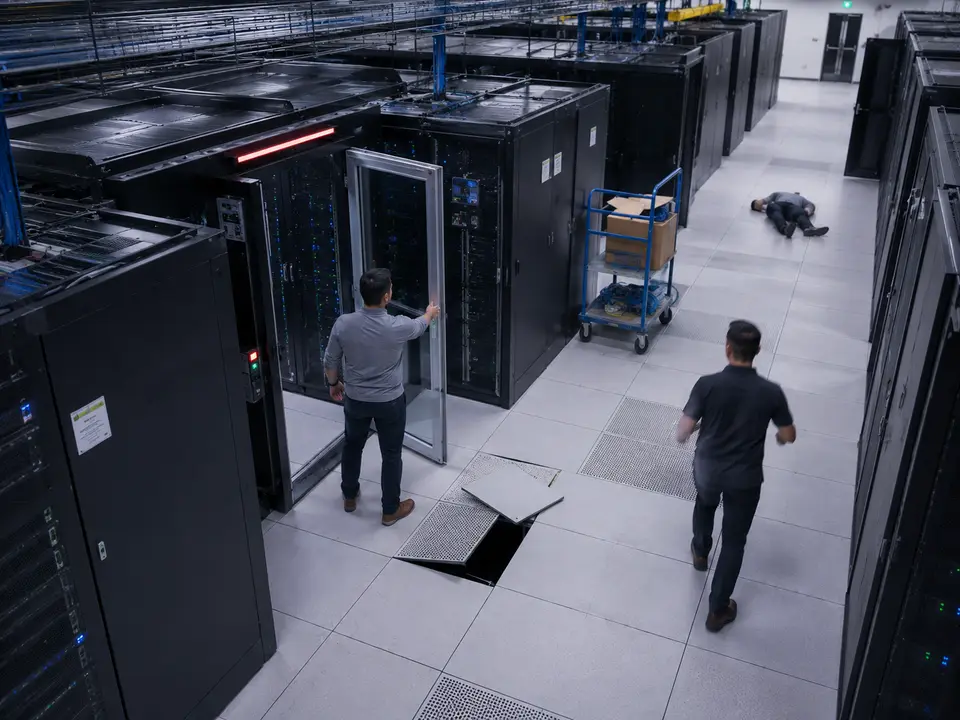
CAM-559Someone on the floor and an aisle you can’t get through
«Tell me if somebody has been still on the floor of a hall for more than thirty seconds, and tell me whether the aisle to them is clear.»
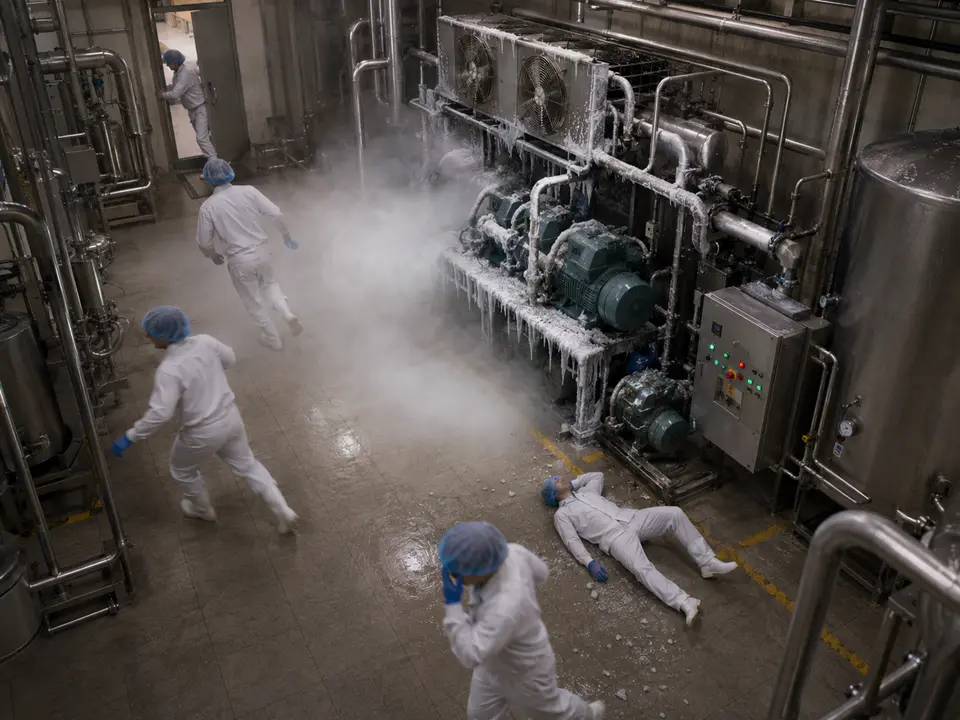
CAM-219Cloud in the chiller plant room and a person on the floor
«Tell me if a cloud comes out in the plant room, if somebody is on the floor, or if anybody is left inside during an evacuation.»
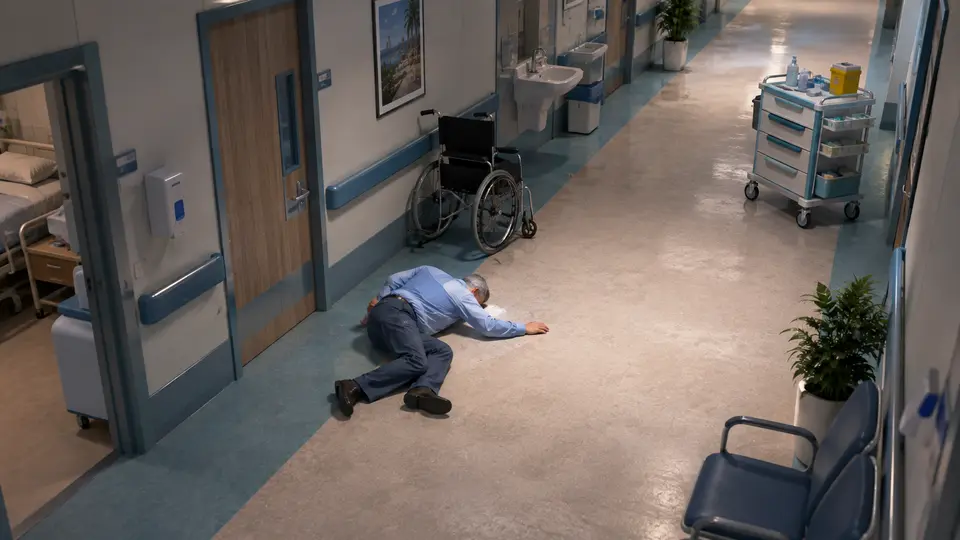
CAM-118Someone on the hallway floor
«Tell me as soon as somebody is on the floor of a hallway and stays there, even at four in the morning when nobody walks past.»

CAM-507Someone on the lobby floor who isn’t getting up
«Tell me when somebody has been on the floor for more than fifteen seconds in any public area.»
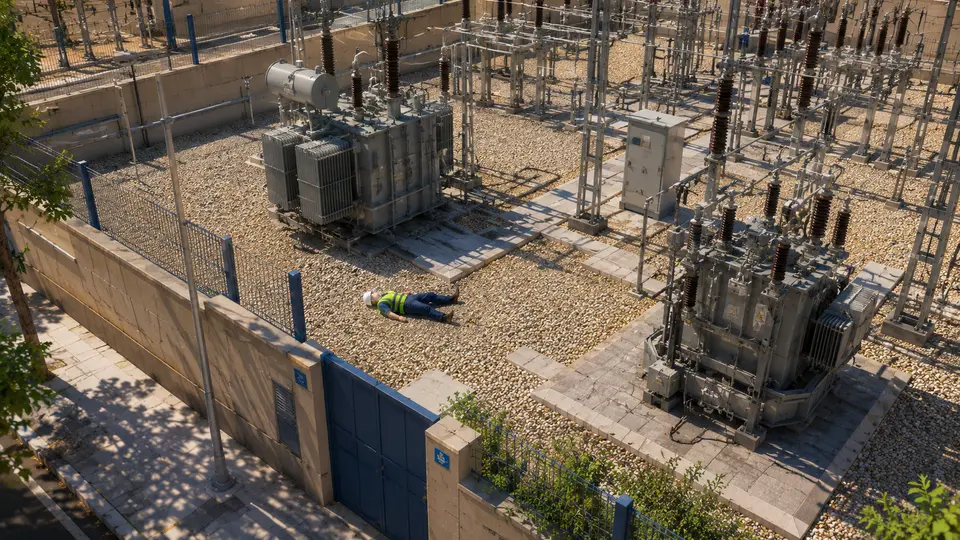
CAM-164A worker on the ground, not moving
«Tell me if somebody stays still on the ground for more than a few minutes, especially if they are alone on the site.»

CAM-543The escalator keeps feeding people into a blocked landing
«Tell me if somebody has been on the ground for over thirty seconds, or if an escalator landing runs out of clear width.»
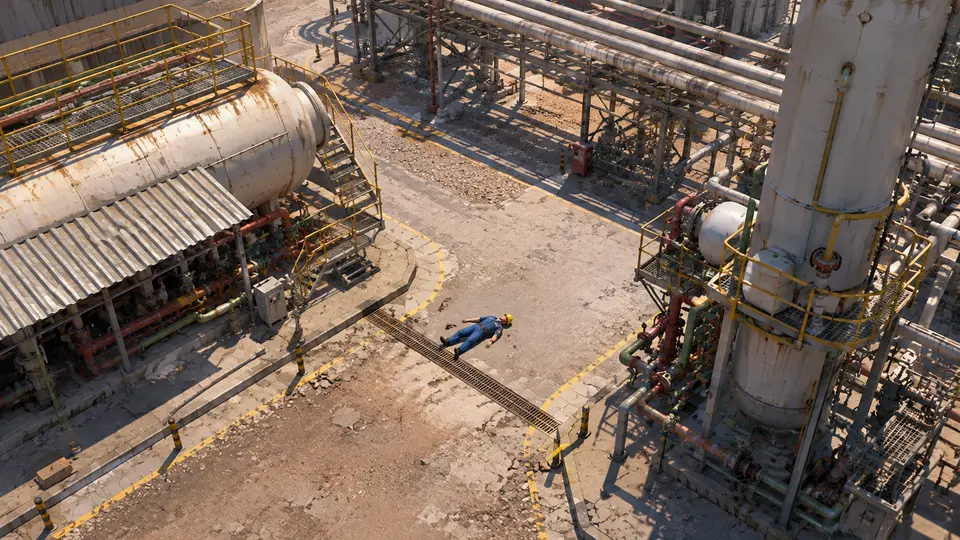
CAM-332A person on the ground and an empty plant around them
«Tell me if anyone stays motionless on the ground for more than a minute anywhere in the unit.»


What it doesn’t do
IRIS does not know whether that person is injured, asleep or simply sitting on the floor, and it makes no diagnosis. It sees a body that does not get up and speaks so that a human looks.
It does not identify anyone and it does not recognize faces. And if no camera covers that stretch of hallway, there is no alert there: what is not seen is not seen.
Questions
- Can I decide how many seconds pass before it alerts?
- Yes. You choose the delay, and it changes a great deal with the place. In a busy lobby, fifteen or thirty seconds is usually enough. In a hallway nobody walks through at night it can be shorter, because there’s nothing to confuse it with. That delay exists so that bending down to pick something up or sitting for a moment doesn’t trigger an alert. What raises the alarm isn’t going down to the floor: it’s staying there.
- Can it tell a fall from someone sitting down on the floor?
- Yes, and what separates them is time and posture. Someone sitting down moves, shifts position and gets up again. Someone who’s fallen stays flat and still. That’s why the alert doesn’t fire the instant a person goes down, but when that posture holds for longer than you set. In a hospital waiting room, that single distinction removes almost every alert you wouldn’t want.
- Does it work at night, with the hallway lights down?
- Yes, and that’s exactly when it’s used most. The hallways of a hospital or a care home run on minimal light with nobody in sight for hours, and an ordinary camera still sees enough to make out a person lying on the floor. Even so, before accepting the rule, look at that particular camera at that particular hour. It’s a five-minute check and it saves surprises.
- Does IRIS know who the person who fell is?
- No. IRIS does not recognize faces and identifies nobody: it sees a body on the ground that does not get up and reports which camera and which point of the hallway. Who that person is, is known by whoever arrives, because they know the unit. This rule needs nothing more, and asking for less personal data than necessary is also how a system survives over time.
A different case every time
Watch what happens. Then watch what IRIS does with it.
Not a recorded video and not a drawing: it’s a summary of the real tool, with a different case each time round. The whole tool doesn’t fit in a box.
- You ask
- IRIS searches
- It shows you
Not seeing yours here?
These words are the ones we have built, not the ones IRIS understands. The list falls short on purpose: you ask for it in a sentence, and sentences don’t run out. Tell us what is in front of your cameras and we’ll tell you whether it understands it, or not yet.
And the best part
A recording gets watched when nothing can be done.An alert lands while there’s still time to act.
IRIS raises the alert while it’s happening and says where: the camera, the time and the images from that moment. With that, whoever is on duty is still in time to act.
Tell us your problem and we’ll say whether IRIS understands it, or not yet.
A person answers, the same working day.