Solutions by typeIntrusion detection
Who is in there at an hour when nobody should be?
At this hour nobody should be in here
10:50 p.m. in a factory that is still running. A forklift crosses the aisle with a pallet and there are people working at two machines. By the column, somebody has opened an electrical panel door and is half inside it. There’s no scheduled work on that panel tonight, and nobody has noticed: at that hour everyone is watching their own machine and the aisle is just the place you walk through.
18 cameras across 10 sectors
What IRIS is
IRIS watches the cameras for you.
IRIS Neural is an artificial intelligence that watches the cameras you already have and understands what happens in front of them. When something important happens —or something you told it you need to keep an eye on—, it alerts you; and whatever can be counted, it counts in numbers. All day long, without anyone having to watch a screen.
You tell it what you need to watch, and IRIS does it.
Works with the cameras you already have. Nothing to replace.
A person replies, not a form.
- Your footage never leaves your premises.
- It doesn't identify people.
- Certifications →
This is how you ask for it
«Tell me if anyone opens an electrical panel outside a scheduled job.»
If it goes well, nobody ever finds out and tomorrow there is a breaker tripped that nobody can explain. If it goes badly, there’s somebody working on live equipment at night, with no permit and with nobody knowing they are there. Either way you end up with the same thing: a panel opened with no record, a fault you can’t reconstruct, and an awkward conversation with a maintenance technician who swears it wasn’t him.
You decide once
You decide this once, and what you decide is the clock. You say which areas must be empty and during which hours, which days are different —holidays, plant shutdowns, weekends— and who gets told in each slot: on level -3 of the parking lot, from eleven at night to six in the morning, any person or car standing still is an alert to the guard. IRIS applies that every night, Christmas Eve included, with nobody having to remember the calendar.
After hours doesn’t mean at night. It means at an hour when that particular thing shouldn’t be happening. In a factory running three shifts there are people at eleven at night and that’s normal; what isn’t normal is a panel standing open at that hour that nobody asked to open. Every place has its own clock, and that clock is what turns an ordinary scene into something worth a look.
The problem is that nobody can carry two hundred clocks in their head. The operator facing a wall of screens can’t tell, from an image, whether that door may be open at this hour or whether there’s a planned shutdown in that area today. And after hours is when there are fewest people to notice: fewer staff, fewer rounds, more empty space. The hour that needs the most cover is the one that has the least.
IRIS can carry two hundred clocks, because it doesn’t get tired and doesn’t mind that it’s Sunday. It looks at each area with the schedule you gave it and speaks up when something happens outside it, with the camera and the video. It doesn’t say anyone is doing anything wrong, nor does it imply it: it says that at three fifteen there is a person in a place where you said nobody should be at that hour, and it lets somebody look. Almost always there is an explanation and one call settles it. The one without an explanation is the one you were looking for.
What changes
Before, after-hours activity turned up the next morning, if it turned up at all: a door left open, a tripped breaker, a pile that had grown. Now the alert arrives while it’s happening, with the camera open and the exact time, and whoever receives it decides in twenty seconds whether to go down, call on the radio or just log it. The three o’clock round still exists, but it’s no longer the only way to find out.
Where we have seen it

CAM-22Night gathering in the square
«Tell me if people gather in the square above the threshold at night, and how full the trash cans are.»
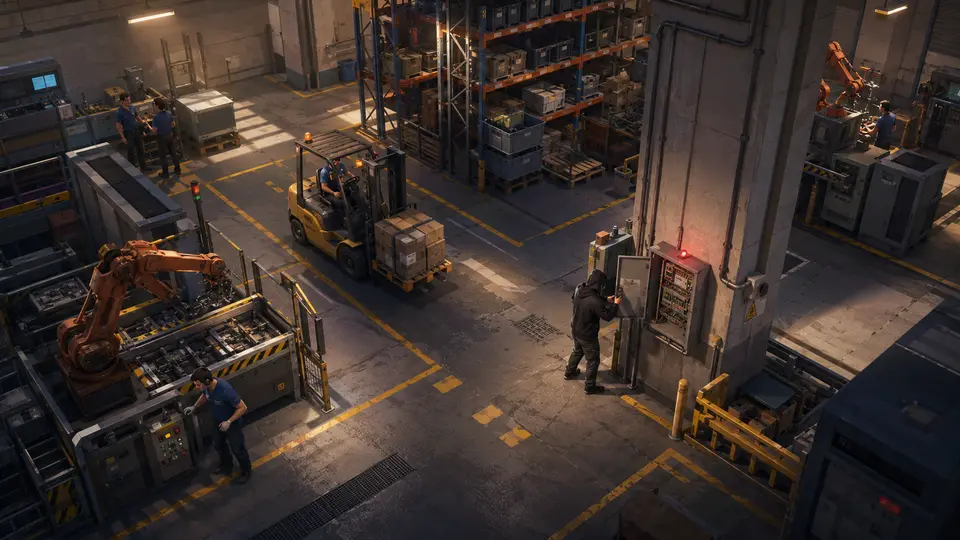
CAM-258An electrical panel open at eleven at night
«Tell me if anybody opens an electrical cabinet outside a scheduled intervention.»
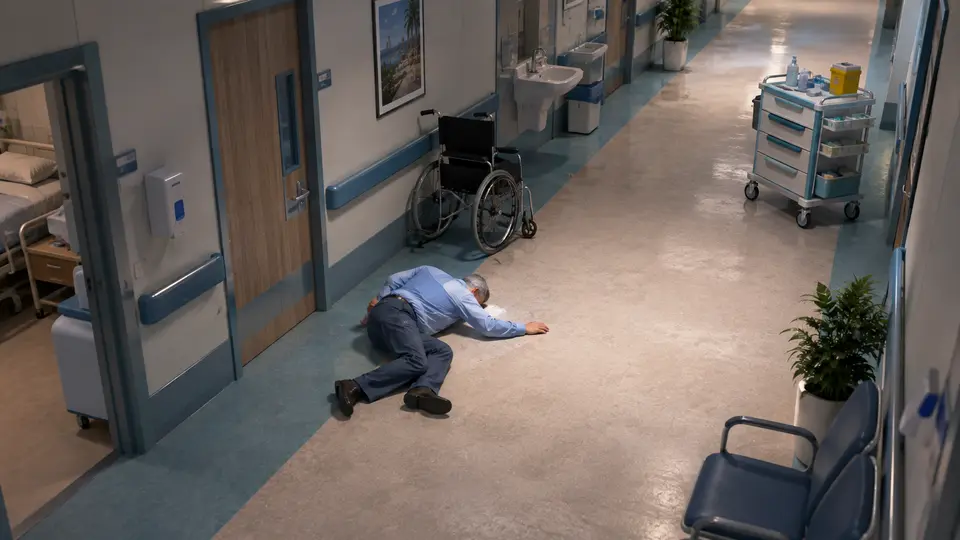
CAM-118Someone on the hallway floor
«Tell me as soon as somebody is on the floor of a hallway and stays there, even at four in the morning when nobody walks past.»
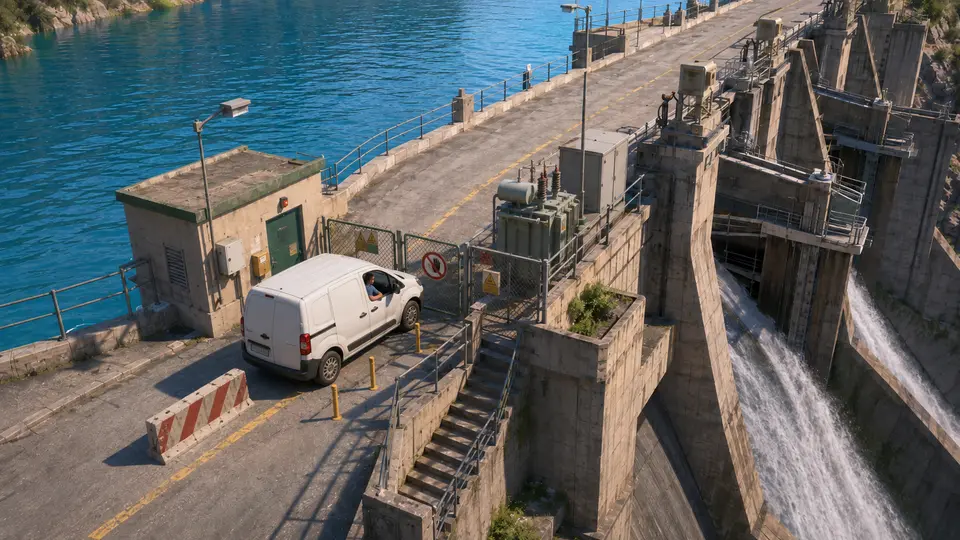
CAM-145A van parked on the dam crest
«Tell me if a vehicle stays parked on the crest for more than five minutes outside working hours, and tell me if anyone gets out of it.»
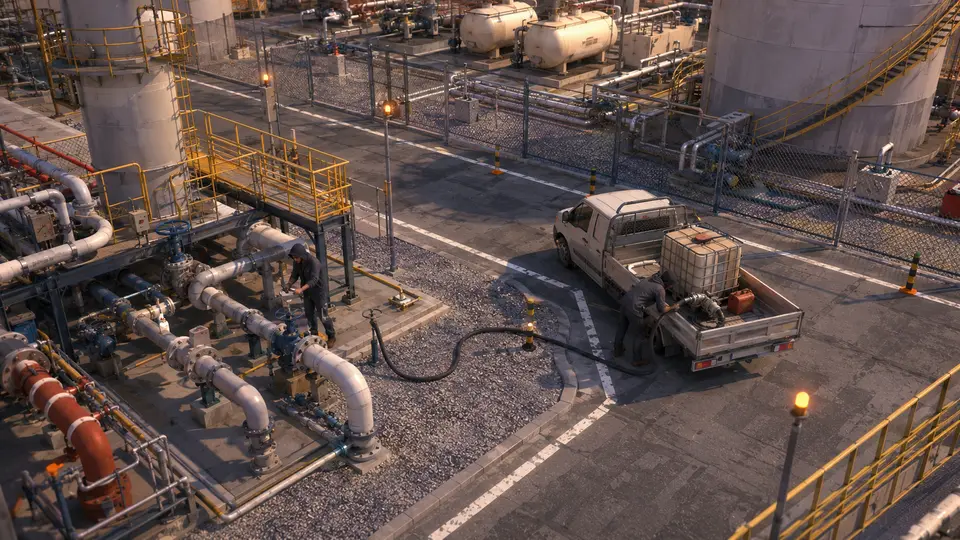
CAM-339Someone opens a valve at night and fills a tank
«Tell me if anybody operates a valve on the manifold with no work order open, and all the more so at night.»
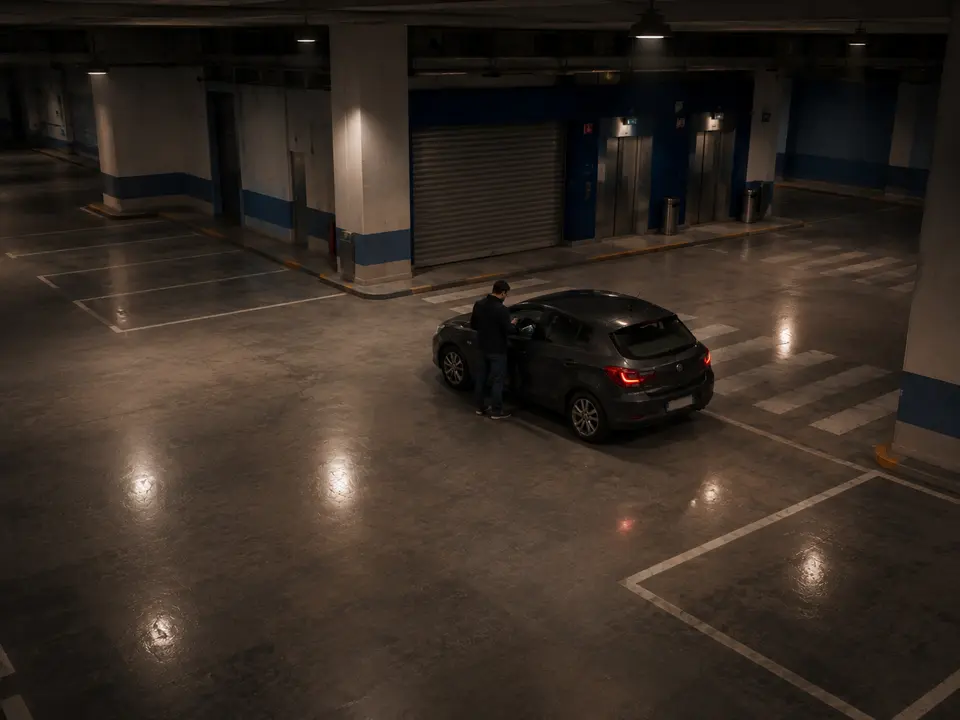
CAM-472A car stopped outside a space on a floor that should be empty
«Alert me if there is anyone or any car stopped on the closed levels outside opening hours.»
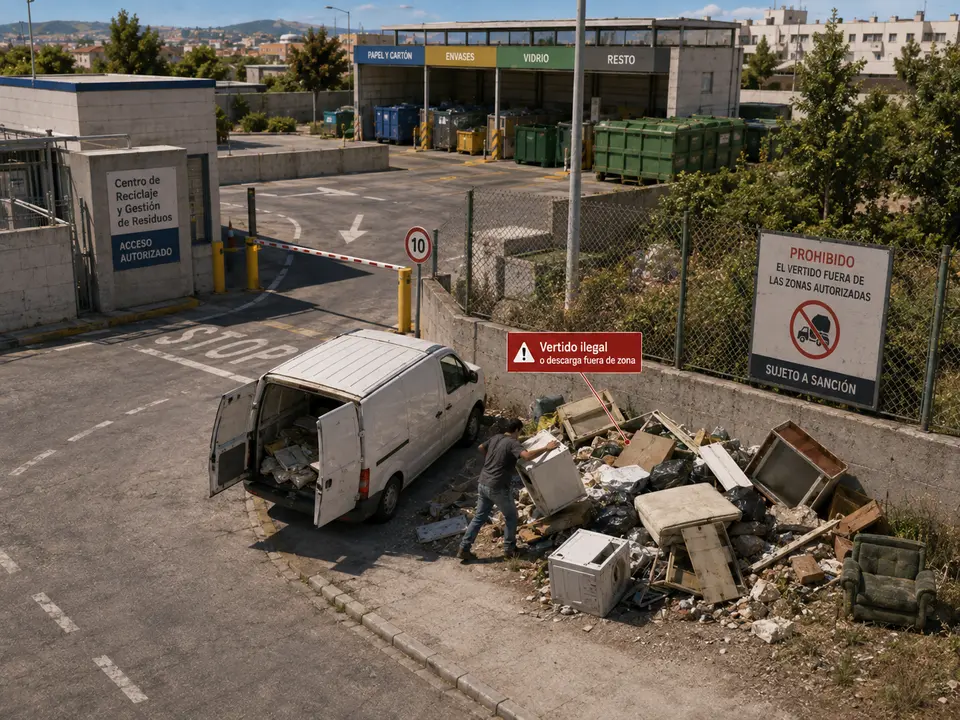
CAM-426The pile is growing on the wrong side of the fence
«Alert me if anyone unloads material outside the site, on the shoulder or against the fence, in or out of opening hours.»
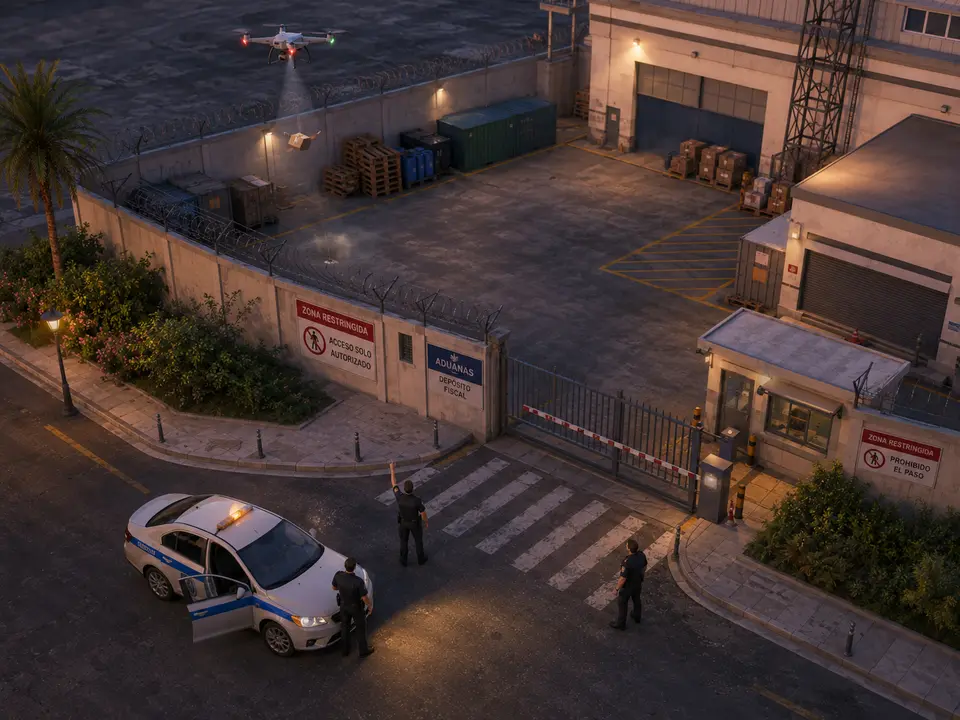
CAM-564Something crosses the wall from above and drops a package inside
«Give me a red alert if something flies over the wall outside service hours.»
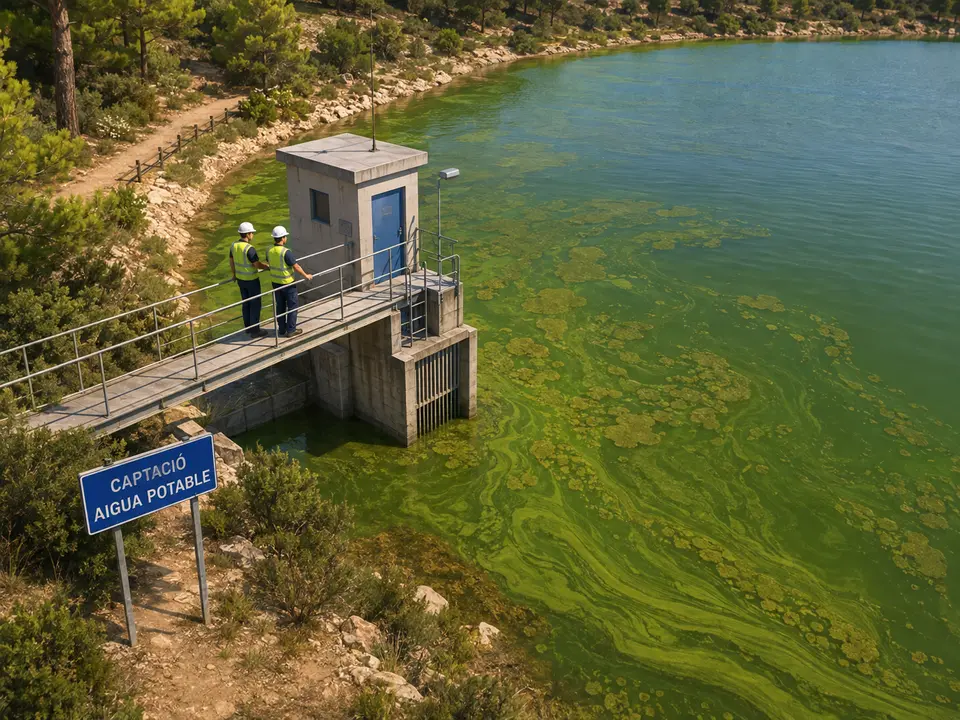
CAM-416The intake reservoir woke up green
«Tell me if the water in front of the intake changes color or if a mat appears on the surface.»
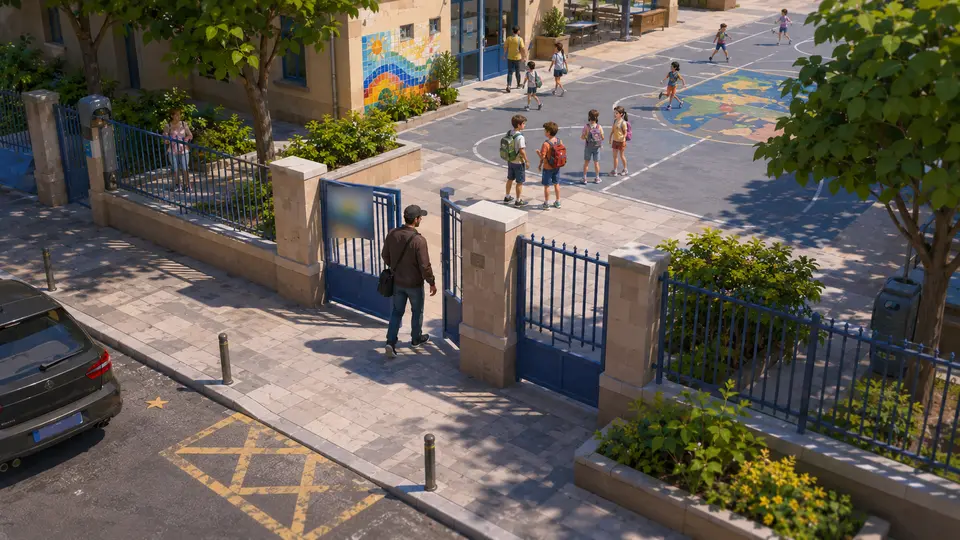
CAM-138Someone comes in outside access hours
«Tell me if someone comes through the gate outside the arrival and pick-up slots we have set, so that someone from the front desk can go down and see what is going on.»


What it doesn’t do
IRIS does not know whether that person is allowed to be there: it recognizes no faces and does not hold your shift roster unless you give it. It sees somebody in an area at an hour when you said nobody should be, and it says so.
That is why the alert is a question, not an accusation. Most of the time it is a technician who came in to fix something and told nobody, and ten seconds of video settles it.
Questions
- What if someone is allowed to be there at night?
- Then the rule knows, if you tell it. The schedule takes exceptions: an open work order, a planned shutdown, an extra shift. While that exception is live, the area raises no alert, and when it closes the area protects itself again. And even if an alert fires for no reason, nothing bad happens: it comes with the video, somebody looks for ten seconds and closes it. An after-hours alert accuses nobody; it just asks somebody to confirm.
- Is this not already covered by access control?
- It covers doors with a reader, and in most sites that is a small part of the place. There’s no reader on the crest of a dam, in the tank yard, on the roof of a vessel, on level -3 of a parking lot or on the shoulder outside the fence. And where there’s one, the reader knows the door was opened, not what happened next. IRIS watches the place, not the door, and that’s why it sees what goes on everywhere without a reader.
- Does it work for vehicles too, not just people?
- Yes, and often the vehicle is the clearest signal. A van standing at a gate in the small hours, a loaded truck leaving by a track instead of going over the truck scale, a car sitting still in a closed lane: all of that shows up better and sooner than a person, because a vehicle is big and doesn’t hide. The rule is written the same way: where, during which hours, how many minutes standing, and who to tell.
- Does it work at night, with the light there is?
- It depends on the camera and on the light at that spot, which is why it gets checked before an area is signed off. You look at that camera at three in the morning, with the lighting that is actually there at that hour, not the one in the brochure. Plenty of outdoor cameras see well at night and others see nothing beyond the light pole. When an area can’t be seen, the honest answer is to say so and fix the light or the camera, not to sell a rule that won’t hold.
The real interface, step by step
A camera looks. IRIS understands what it sees.
An extract of the real screen, no voice-over and hands-free. Each round poses another situation. What sits behind it is a good deal bigger than what you see.
- It lands in the tray
- You open it
- You confirm or dismiss
Not seeing yours here?
These words are the ones we have built, not the ones IRIS understands. The list falls short on purpose: you ask for it in a sentence, and sentences don’t run out. Tell us what is in front of your cameras and we’ll tell you whether it understands it, or not yet.
And the best part
What holds on camera oneholds on camera four thousand, with nothing to copy by hand.
A rule is stated once and applies everywhere. And it says the same thing on Sunday night as on Tuesday morning, whoever is on call.
Tell us your problem and we’ll say whether IRIS understands it, or not yet.
A person answers, the same working day.