Solutions by typeCustomer experience
Where do I start looking with sixty cameras?
A child alone and sixty cameras to check
It is 17:42. A mother reaches the information desk talking very fast: her son let go of her hand by the escalator four minutes ago. Green T-shirt, jeans, six years old. The centre has three floors, two car parks and sixty cameras that are recording the whole concourse right now. The question for the guard listening to her is not whether the boy appears on one of them. It is which one.
4 cameras across 4 sectors
What IRIS is
IRIS watches the cameras for you.
IRIS Neural is an artificial intelligence that watches the cameras you already have and understands what happens in front of them. When something important happens —or something you told it you need to keep an eye on—, it alerts you; and whatever can be counted, it counts in numbers. All day long, without anyone having to watch a screen.
You tell it what you need to watch, and IRIS does it.
Works with the cameras you already have. Nothing to replace.
A person replies, not a form.
- Your footage never leaves your premises.
- It doesn't identify people.
- Certifications →
This is how you ask for it
«“Show me where you have seen, in the last ten minutes, a child on their own matching the description his mother has just given.”»
What gets spent here is minutes, and minutes here mean distance. While somebody walks to the control room to rewind, the child keeps moving and the circle where he could be gets bigger: first the concourse, then the floor, then the car park. The announcement over the PA reaches the whole centre and tells nobody where to look. And with a patient who walks off a ward, or with an older person, it goes the same way, only silently.
You decide once
There are two things you decide once. First, which areas matter first when someone goes missing: the exits, the car park, the stairs. Second, when you want IRIS to speak up before anyone asks: a child alone in the middle of the concourse for more than two minutes, a patient sitting alone in a corridor for more than twenty, someone apart at the edge of the yard for longer than you have set. You say it once and it applies every day.
The problem is not a shortage of cameras. It is that there are sixty of them and one pair of eyes, and the search runs the way it always has: someone rewinds one camera, rules it out, tries another and burns the minutes that matter most. Meanwhile the rest of the team walks the centre blind and the PA announcement reaches everybody except the person who could look in the right place.
With IRIS the search runs on the mother’s own words. The guard types what she has just said — “a six-year-old, green T-shirt and jeans, in the last ten minutes” — and that returns the moments and the cameras where someone like that appears, and the guard watches three clips instead of sixty screens. It is not identification: it is clothing, height, time and place. The one who recognises the boy is his mother; the centre’s team decides what to do. Stop hunting for the minute. Search for what happened.
And there is a part that happens before anyone asks. A child standing alone in the middle of a concourse, a patient in a gown sitting on a bench with nobody coming near for half an hour, a person apart at the edge of the yard: those are scenes IRIS can flag on its own, because they are written into a rule. In a hospital that is a patient who has spent twenty minutes waiting for someone to walk past. Sometimes help arrives before anyone knew it was needed.
What changes
Before, the first quarter of an hour went on rewinding cameras one by one while the rest of the team walked without knowing where. Now one person searches by description and the others set off with a place and a time: “six minutes ago, north concourse camera, heading towards the car park”. And in a hospital the change is simpler still: the alert that someone is alone arrives before anyone has missed them.
Where we have seen it

CAM-545A child alone in the middle of the walkway, and minutes count
«Show me where you have seen a child on their own over the last ten minutes matching the description the family has just given at the desk.»
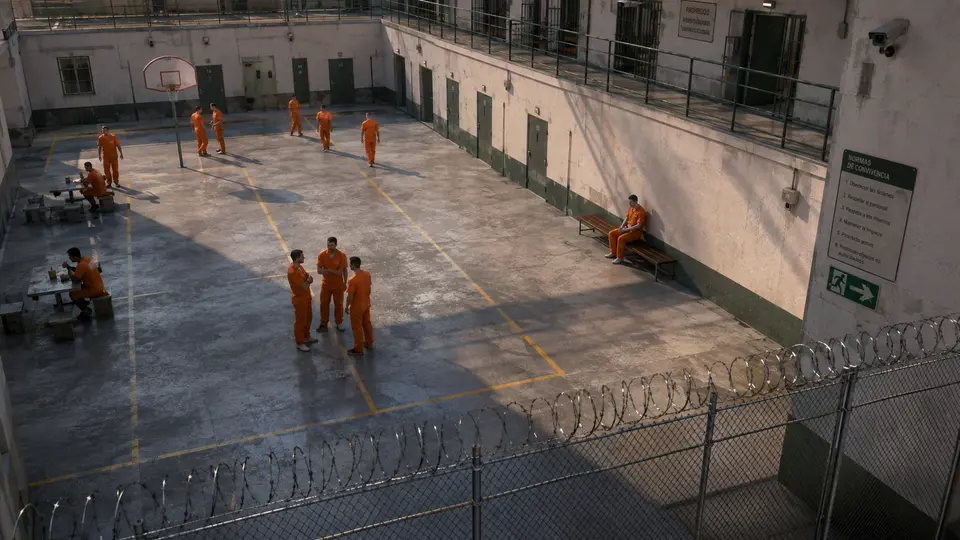
CAM-107One person on their own in the yard
«Tell me if someone stays on their own at the edge of the yard for longer than we have set, so that an officer can go over.»
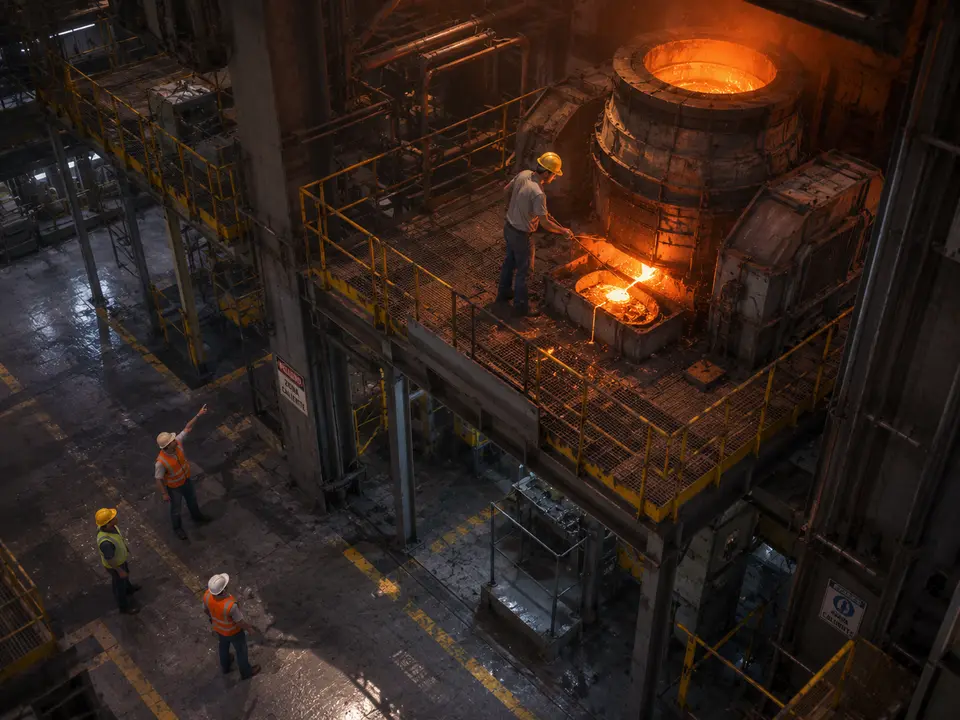
CAM-375One person alone on the furnace platform
«Tell me if anybody goes up onto the furnace platform during a pour without thermal clothing.»
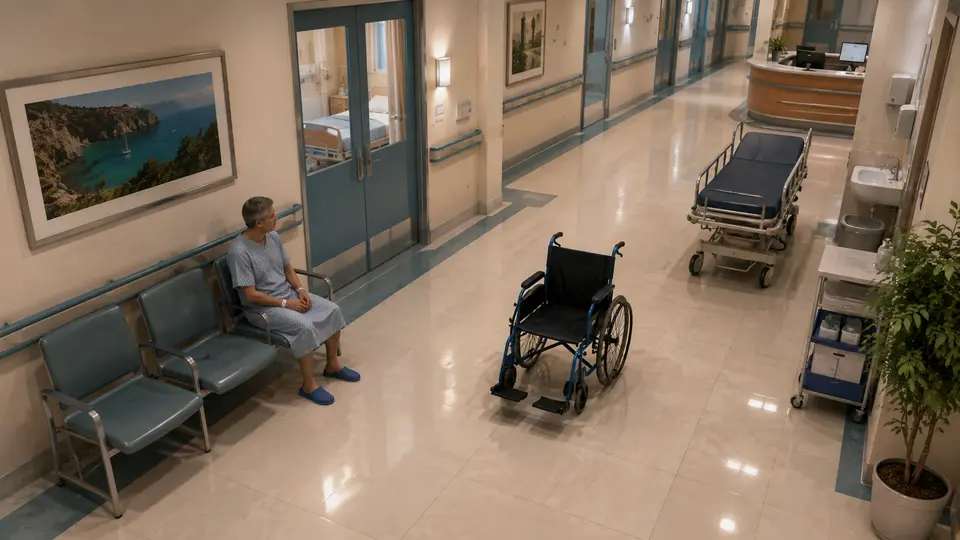
CAM-120A patient waiting alone in the corridor
«Tell me if a patient has been alone in a corridor for a long while, with nobody coming near them.»


What it does not do
IRIS does not recognise faces and identifies nobody. It searches by what the family has just described and the camera can see — the clothing they mentioned, the height, the time, the place — so if the child took that garment off or the description was off, the search fails. It also cannot see where there is no camera and does not know whether that person needs help. And it decides nothing; the protocol for a missing person is written by the site, not by the system.
Questions
- Does IRIS use face recognition to find a child?
- No. IRIS does not recognise faces and identifies no person. The search runs on the description the family has just given and on what the camera can see: the clothing they mentioned, the height of a child, a time and an area. That returns the moments when someone like that appears, and a person decides whether it is him. It is less than people imagine, and it is exactly what makes it possible to switch this on in a centre full of families without asking anyone for their face.
- What if I do not know exactly what they were wearing?
- Then the search is worse, and that is worth saying. IRIS searches by what can be seen, so a vague description returns more clips and someone has to watch them. What helps a lot even when the clothes are hazy: where they were last seen and at what time. With a place and a starting minute you can follow the route forward camera by camera, which is how nearly every case in a big centre gets solved.
- Does IRIS flag on its own that someone is alone?
- Yes, if you have written it into a rule. “A child standing alone in the middle of the concourse for more than two minutes” or “a patient sitting alone in the corridor for more than twenty” are ordinary rules, and the alert goes out with the camera, the time and the video. You decide the minutes, because a child standing still for thirty seconds is a child waiting for his dad. Without that margin the alert turns into noise and nobody reads it.
- Does it work the same in a hospital or a prison?
- Yes, and in each place it means something different. In a shopping centre it is a child and it is minutes. In a hospital it is a patient in a gown who has been sitting alone in a corridor for half an hour with nobody coming near. In a yard it is someone apart from the group for longer than usual, so that an officer can walk over and talk to them. Different scene, similar rule, and the ending is always the same: a person goes.
Demo · IRIS at work
A new case each time. Always the same screen.
It plays by itself and shows one case from start to finish. It is a summary: the real screen has far more functions than fit in this box.
- Cameras on the map
- You draw an area
- What passed shows up
Not seeing yours here?
These words are the ones we have built, not the ones IRIS understands. The list falls short on purpose: you ask for it in a sentence, and sentences do not run out. Tell us what is in front of your cameras and we will tell you whether it understands it, or not yet.
And the best part
You can add more cameras;you cannot add more hours to anyone’s day.
Cameras can be multiplied; a person’s hours cannot. IRIS looks at everything coming in and leaves them the one thing no machine does better: deciding what to do.
Tell us your problem and we will say whether IRIS understands it, or not yet.
We reply the same working day.