Solutions by typeIntrusion detection
What if someone walks in and you cannot see their face?
Someone walks in with their face covered
It is 11:20. A high-street bank branch, mid-morning, two customers in the queue. The glass door opens and someone walks in wearing a full-face helmet with the visor down. The bike is left on the pavement three metres away, not locked. The person at the counter looks up, hesitates for a second and decides not to say anything. The camera has been recording all of it since the door opened.
3 cameras across 3 sectors
What IRIS is
IRIS watches the cameras for you.
IRIS Neural is an artificial intelligence that watches the cameras you already have and understands what happens in front of them. When something important happens —or something you told it you need to keep an eye on—, it alerts you; and whatever can be counted, it counts in numbers. All day long, without anyone having to watch a screen.
You tell it what you need to watch, and IRIS does it.
Works with the cameras you already have. Nothing to replace.
A person replies, not a form.
- Your footage never leaves your premises.
- It doesn't identify people.
- Certifications →
This is how you ask for it
«Tell me quietly, on the counter screen, if someone comes into the branch with their face covered by a helmet, a balaclava or a pulled-down hood.»
Almost always it is nothing: someone in a hurry who forgot to take the helmet off. But the branch protocol says otherwise, and that day nobody applied it, because asking a customer to uncover their face is awkward. The cost is not the robbery that did not happen. It is that the decision to close the screen or not ended up depending on whether someone dared to say it out loud.
You decide once
You decide this once. You say which doors it applies to, at what hours, what counts as a covered face in your place — a helmet inside the branch yes, in the bike park no — and who gets it and how: on the counter screen, with no sound and out of the customer’s sight. IRIS applies it on every door opening, without anyone having to remember the protocol.
A covered face is not a crime. It rains, it is cold, someone arrives by motorbike and walks in to take out cash without remembering the helmet. In almost every place in the world that does not matter. There are a few places where it does: a bank branch, a jeweller’s, a night pharmacy at two in the morning, the service entrance of a station once it is closed to the public. In those places the protocol has been written for years and is almost never applied, because applying it depends on one person, alone behind a counter, daring to say it.
IRIS does not recognise faces. It helps to read that the other way round: precisely because it does not know who anyone is, what it can tell you is when there is no face to see. It sees a person, it sees that the face area is covered, and it sees which door and what time. It does not match anyone against a list and it does not call anyone suspicious. It says: someone came in through the main door with their face covered, at 11:20, and here is the camera.
What changes is not the security of the door. It is who carries the decision. The alert appears on the counter screen before the person reaches the glass, silently and without anyone else noticing. From there a person decides: greet them and carry on, ask them to uncover, close the screen, or do nothing at all. Almost always nothing is done, and that is fine. The difference is that now it is a choice, instead of something let go because nobody knew how to say it.
And it is worth saying where this rule does not go, because that is half the work. Not on a building site in winter, not in a cold store, not on the street, not at the entrance of a place where people arrive covered up because of cold, rain or anything else. A rule that alerted on everyone with a covered face would be useless within two days: the screen would fill up and whoever is serving would stop looking at it. It lives on one door and one time window, and that is where it is worth something.
What changes
Before, the protocol lived in a folder and was applied when someone dared. The video was useful afterwards, to tell the police what the person was wearing. Now the alert reaches the counter screen while the door is still closing, in silence. Whoever is serving already knows what they are going to do before they look up. The same person still decides: what they no longer have to do is decide at the same time as they look.
Where we have seen it
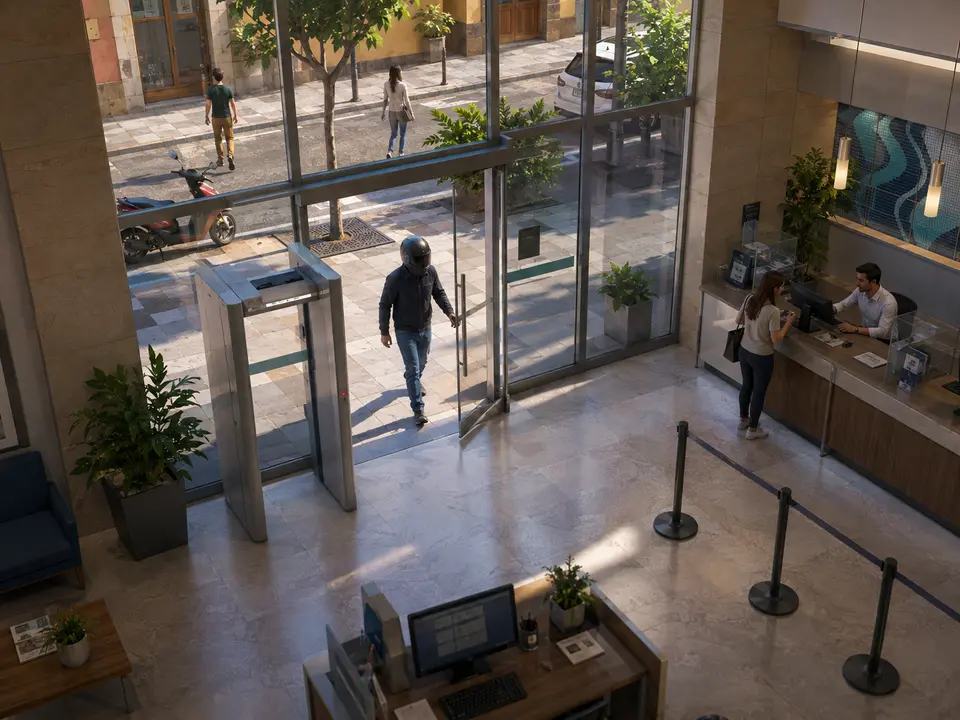
CAM-520He walks in with the helmet on and the visor down
«Alert me quietly on the counter screen if somebody comes into the branch with their face covered by a helmet, a balaclava or a hood pulled down to the eyes.»
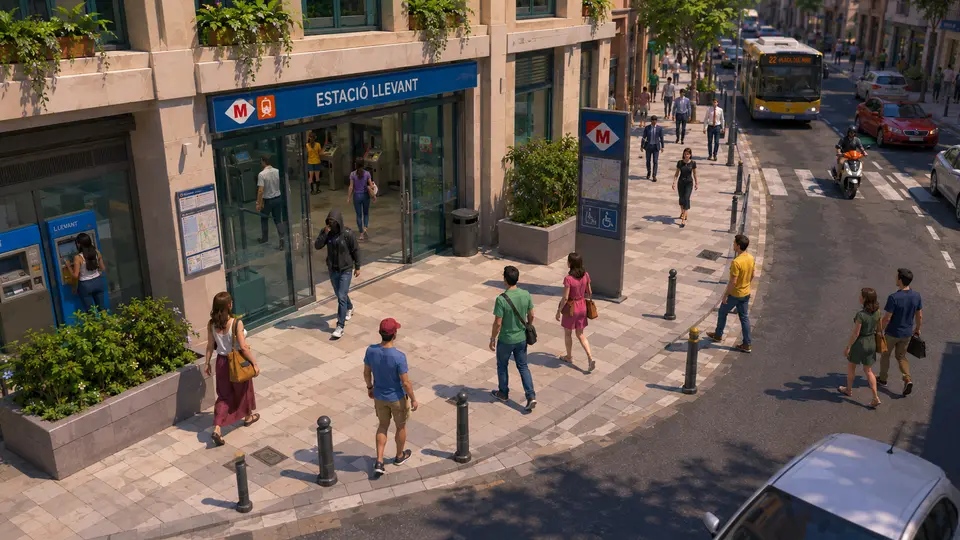
CAM-87Entering with the face covered
«At the service entrance, and only outside opening hours, tell me if someone comes in with their face covered.»
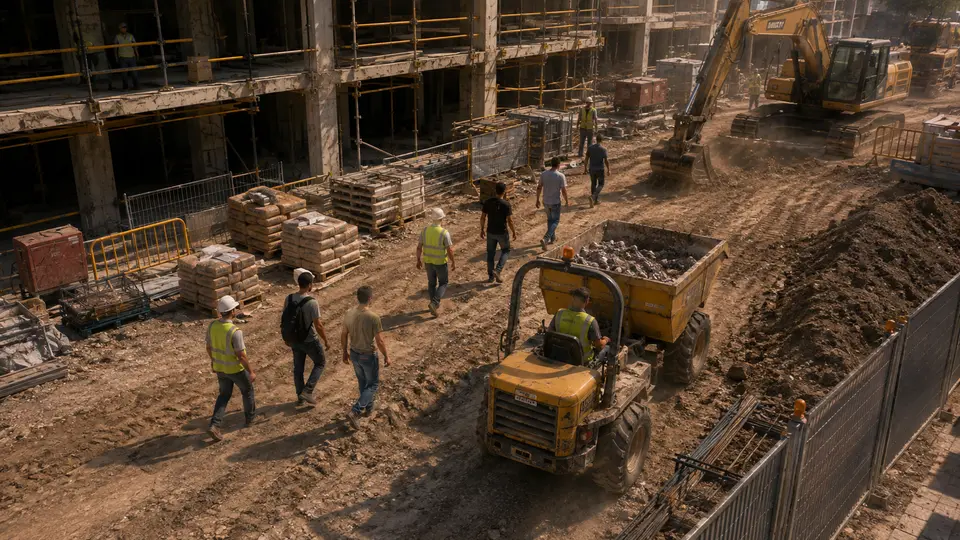
CAM-52Bare-headed among the machines
«Tell me when somebody walks across the area where the machines are working without a helmet on, and tell me while they are crossing — there is no second chance there.»


What it does not do
IRIS does not recognise faces and does not know who that person is. It does not match them against any database, it does not follow them down the street, and it never calls them suspicious. It only says the face is covered.
And it does not read intentions. A helmet on a rainy day and a balaclava at three in the morning are the same image. You supply the difference with the door and the hour, and the person on the spot makes the call.
Questions
- Does IRIS recognise the face of whoever comes in?
- No. IRIS does not recognise faces, does not match them against any list and does not know who anyone is. All it sees is that the face area is covered by a helmet, a hood or a piece of clothing, and which door and what time. The alert comes with the camera, the time and the video. Who that person is, whether they are a regular customer and whether anything needs doing is added by whoever is at the counter.
- Does it alert on everyone who walks in wearing a hood?
- No, only where and when you say. The rule lives on one door and one time window: the branch entrance during opening hours, the station service door once it is closed to the public. On any other door or hour it does not apply and produces nothing. That is why a building site in winter, a cold store or the street outside do not flood the screen with alerts: there is no rule there.
- Does IRIS say that person is suspicious?
- No, and it never will. IRIS does not judge or label anyone. It describes something visible in the image — the face is covered — and puts it in front of a person, with the camera and the time. Everything else is decided by whoever looks: almost always nothing is going on and the alert is closed in five seconds. A rule that called someone suspicious because of how they are dressed would be a bad rule, and we do not write it.
- Do the cameras already on the door work for this?
- It depends on the framing more than on the camera. To see whether a face is covered, the camera has to look head-on at roughly head height, like the one already pointing at the entrance door. A ceiling camera looking straight down sees a hat and little else. Before the rule is signed off, that camera is checked at that hour, with the light that comes through the window at that hour. Nothing is assumed.
See it for yourself
No extra alarms here. Just what needs looking at.
Not a recorded video, not an explanatory drawing: a summary of the real screen, with a different case every time it starts. There is a lot more behind it.
- You draw the line
- It counts by itself
- A number comes out
Not seeing yours here?
These words are the ones we have built, not the ones IRIS understands. The list falls short on purpose: you ask for it in a sentence, and sentences do not run out. Tell us what is in front of your cameras and we will tell you whether it understands it, or not yet.
And the best part
Finding something in yesterday’s videoshould take as long as asking for it.
No more scrubbing back through six hours with your finger on the mouse. You type what you are after, in plain words, and the matching moments come up. Same cameras as always.
Tell us your problem and we will say whether IRIS understands it, or not yet.
We reply the same working day.