CAM-77
The trolleys at the door
The trolley bay beside the door of a supermarket: half the slots are empty and a shopper is pulling out the last one from the front row. The entrance is visible behind. IRIS counts trolleys and people; it does not know who anyone is.

Turn on IRIS Vision
AI-generated image
What IRIS is
IRIS stays on top of the shop floor for you.
IRIS looks at the cameras you already have in the store and understands what's happening: long queues at the counter, fitting rooms in use or a spill on the floor. When something important happens, it alerts you; and whatever can be counted, it counts. All day long, with no one watching a screen.
You tell it what you need to watch, and IRIS does it.
Here, for example, IRIS counts how many trolleys are sitting in the entrance bay at any moment. That tells you how many hours a day the bay runs empty and exactly when it happens. With that number you decide whether to buy more trolleys or send someone to collect them, then check next month if it's improved.
Works with the cameras you already have. Nothing to replace.
A person replies, not a form.
- Your footage never leaves your premises.
- It doesn't identify people.
- Certifications →
What IRIS understands
What it recognises in this scene
- trolley bay
- shopper taking a trolley
- store entrance
What this camera gives back
Nobody gets an alert here. Here you get numbers.
- 31Trolleys available
- 84Trolleys taken
- 1 h 20 minTime with none left
- 11:00Peak hour
- 46Baskets taken
- 512Total today
The figures on this screen are an example from the illustration, not any client's measurement.
The series, not one figure
One number says nothing. A curve does.
Trolleys available by time slot
- Trolleys in the bay
| Slot | Trolleys in the bay |
|---|---|
| 06 | 58 |
| 08 | 31 |
| 10 | 9 |
| 12 | 14 |
| 14 | 27 |
| 16 | 33 |
| 18 | 12 |
| 20 | 26 |
| 22 | 49 |
The figures on this screen are an example from the illustration, not any client's measurement.
How the counting works
Counting is not something you ask for. You draw a line.
Here there is one area painted over the bay, and nothing else. IRIS counts how many trolleys are inside that area at any moment: when the number drops, they are being taken; when the area hits zero, there are none left. From that comes the counter that really matters — how long each day the bay stands empty. An area cannot be described in words: it is drawn once onto the frame, so today's figure and next month's are measured the same way.
- the bay area · Dwell zone
What changes
What changes for whoever runs the store
A customer who comes in without a trolley buys less, and anyone who has run a store knows it: with your hands full you pick up three things and head for the till. When the bay is empty, whoever arrives comes in with a basket or with nothing. The store manager has no way of knowing how many hours a day he runs out of trolleys, because whenever he happens to walk past the door there are always a few. With the area drawn he has that number and the time of day it happens, and from there he decides whether to buy more trolleys or to send someone out to the car park mid-morning. The figures on the illustration are an example, not any store's measurement.
What people usually ask
Isn't it enough for someone to check now and then?
No, because when somebody checks there are almost always trolleys. The bay empties in short spells — the eleven o'clock peak, Friday afternoon — and fills itself up again when people bring them back. That twenty-minute gap is the one that costs you the big baskets, and it only shows up if you count the whole day without stopping.
Does IRIS tell a trolley from a basket?
Yes, they are two different objects and they are counted separately. And the difference says a lot: whoever picks up a basket has already decided the shop will be a small one, while whoever takes a trolley has not decided yet. Watching how the split between the two changes over the day is a figure no store has, and it comes just from looking at the door.
Does it also count the people coming in through the door?
Yes, and that is the comparison that matters: how many people come in against how many trolleys leave the bay. If a lot of people come in and few trolleys go out, either there were none left or they are badly placed, and those are two different fixes. IRIS counts bodies: it does not recognise faces, it does not store who anyone is and it does not link a person to the trolley they took.
Simulation · how IRIS works
You set the rule once. IRIS applies it every time.
You will see a summary of the interface, played step by step and hands-free. Each round starts with another case. The complete tool does not fit in a demo.
- The rule gets built
- It goes to every camera
- Published, it watches alone
- And then it fires
See it somewhere else
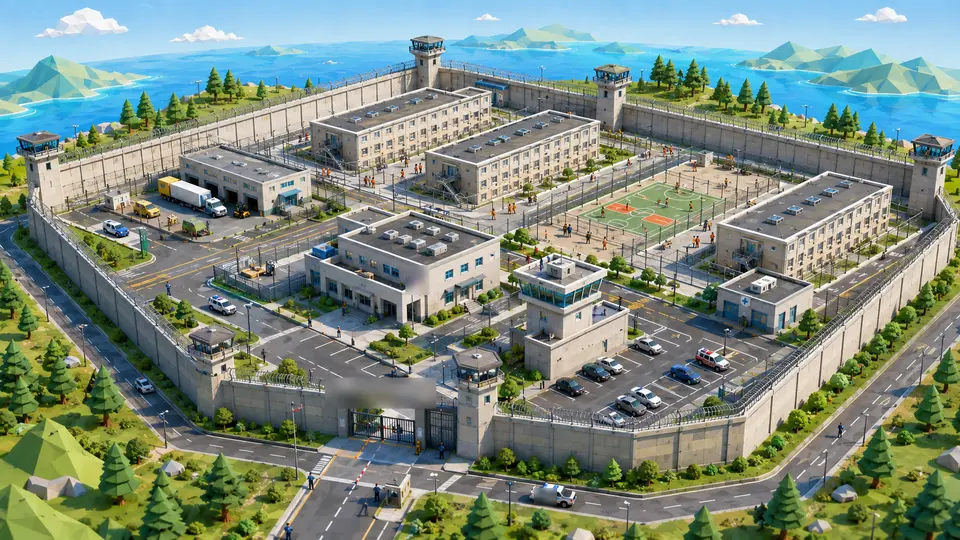
Who is watching the yard screen when the fight starts?
17 cases: 16 raise an alert when something happens and one only measures. You see each image as it is, and then with what IRIS understands on top.

How long before somebody comes down that corridor at four in the morning?
13 cases: 12 raise an alert when something happens and one only measures. You see each image as it is, and then with what IRIS understands on top.


And the best part
You have paid for years to store video.Nobody has ever watched it.
Recording is not understanding. The footage is still kept in case you need it, but you no longer have to sit through it to know what happened.
Tell us your problem and we will say whether IRIS understands it, or not yet.
We reply the same working day.