Solutions by typePersonal safety
What if someone walks into a hot zone in street clothes?
Street clothes in the pump area
It is 12:10 in the pump yard of a refinery. A technician from an outside firm steps out of the van without the flame-resistant kit that area requires. He only needs a photo of a pump nameplate to prepare a quote: three minutes and he is gone. He walks through the gate without anyone stopping him, because the gatekeeper recognises the van and is on the phone. Nobody says anything to him.
4 cameras across 4 sectors
What IRIS is
IRIS watches the cameras for you.
IRIS Neural is an artificial intelligence that watches the cameras you already have and understands what happens in front of them. When something important happens —or something you told it you need to keep an eye on—, it alerts you; and whatever can be counted, it counts in numbers. All day long, without anyone having to watch a screen.
You tell it what you need to watch, and IRIS does it.
Works with the cameras you already have. Nothing to replace.
A person replies, not a form.
- Your footage never leaves your premises.
- It doesn't identify people.
- Certifications →
This is how you ask for it
«Tell me if anyone enters the pump area without flame-resistant clothing.»
In that area, clothing is not a uniform: it is the protection. Jeans and a cotton T-shirt do not survive a flash, and the person who knows that best is the one who just walked in, twenty years in the trade and in a hurry today. If nothing happens, nothing happens and no record exists. If something happens, the cost is a serious burn and an entire investigation devoted to explaining why that person was there without the clothing the area requires.
You decide once
The refinery decides once what clothing each zone requires and where it gets checked. If someone crosses the gate of the pump yard, at any hour, and is not wearing the area’s clothing, then the gatehouse is alerted with the camera and the image, while the person is still on the threshold. It is decided once and applies equally to your own staff and to anyone from outside, with no exceptions for familiar faces.
There are areas where clothing is the only thing between a person and a burn. In a pump yard it is a flame-resistant suit. In a high-voltage bay it is protective clothing, gloves and a helmet. In a pharmaceutical clean room it is the gown, the mask and the shoe covers, and there what is being protected is not the person: it is the batch. Three worlds that look nothing alike, and the same rule at the door.
The day it goes wrong, it is almost never someone who broke the rule on purpose. It is the technician who came to take a photo, the sales rep escorting a visit, the operator who went out for a tool and came back the short way. Nobody changes clothes for three minutes. And a flash, or a particle entering a clean room, does not distinguish between three minutes and a full shift.
IRIS watches the door and compares what it sees with what the area requires. If the clothing is not the area’s, it says so at the threshold, while the person is still crossing and can turn back. It does not check certificates and does not know whether a garment is approved. It sees whether someone is dressed for work or dressed for the street, and in some places that difference is everything.
What changes
Before, the control was the eye of the person at the gate, and that eye has bad days, a ringing phone and a familiar van. Now the alert fires at the threshold, with the image of whoever is crossing, and the gatekeeper can stop them before they reach the skid. What changes is not the rule, which was already written. What changes is that it now holds on the days when everything is chaos.
Where we have seen it
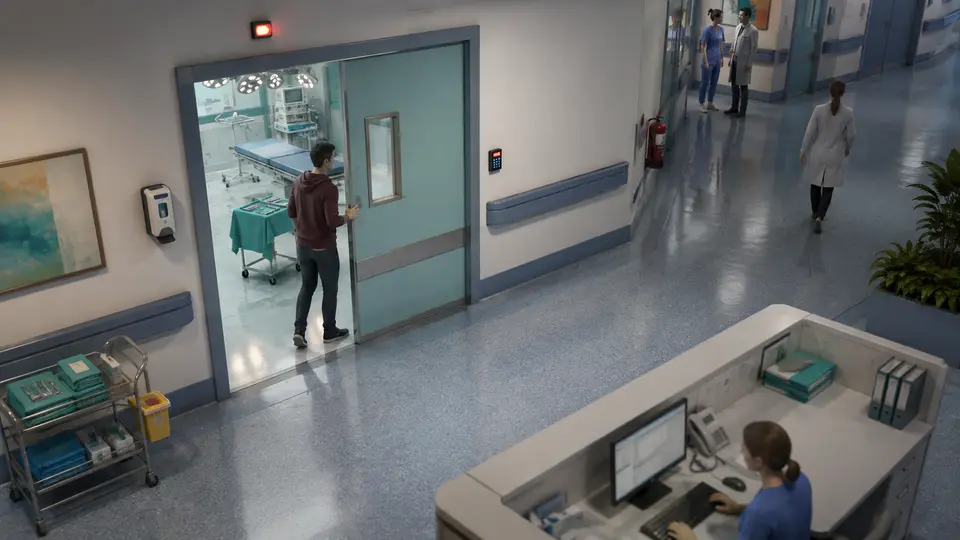
CAM-125Street clothes in a restricted area
«Tell me if somebody goes through the restricted-area door without work clothes, and tell me while they are still in the doorway, not once they have been inside a while.»
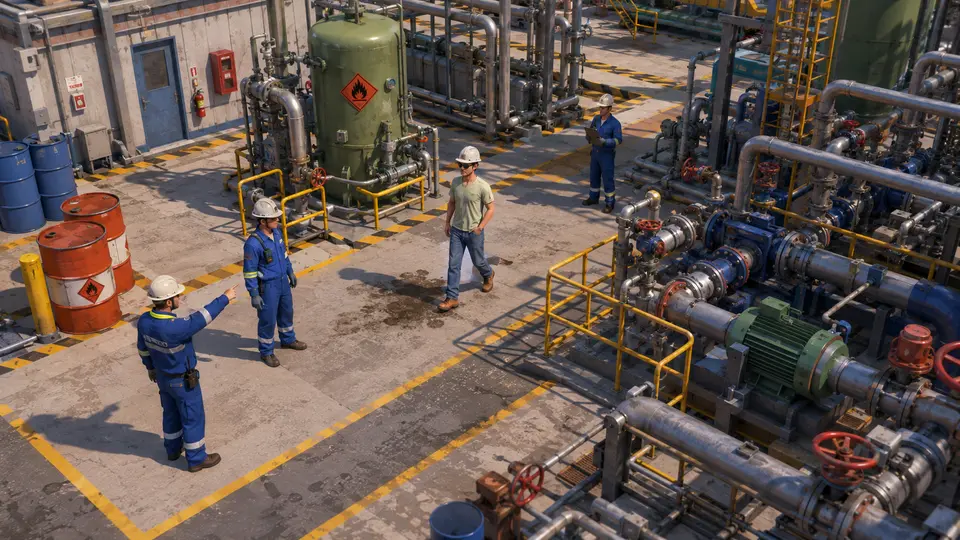
CAM-331Bare arms in the pump area
«Tell me if anyone enters the pump area without flame-resistant clothing.»
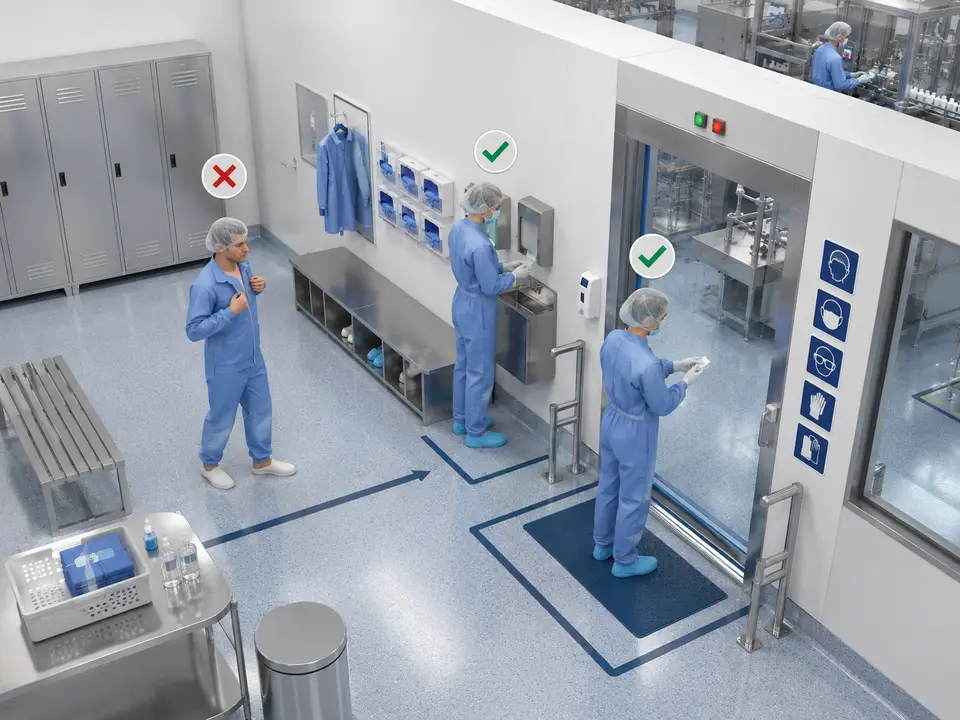
CAM-280Through the gowning room with no mask and street shoes on
«Tell me if somebody reaches the air shower door without a mask or without overshoes, before they go through.»
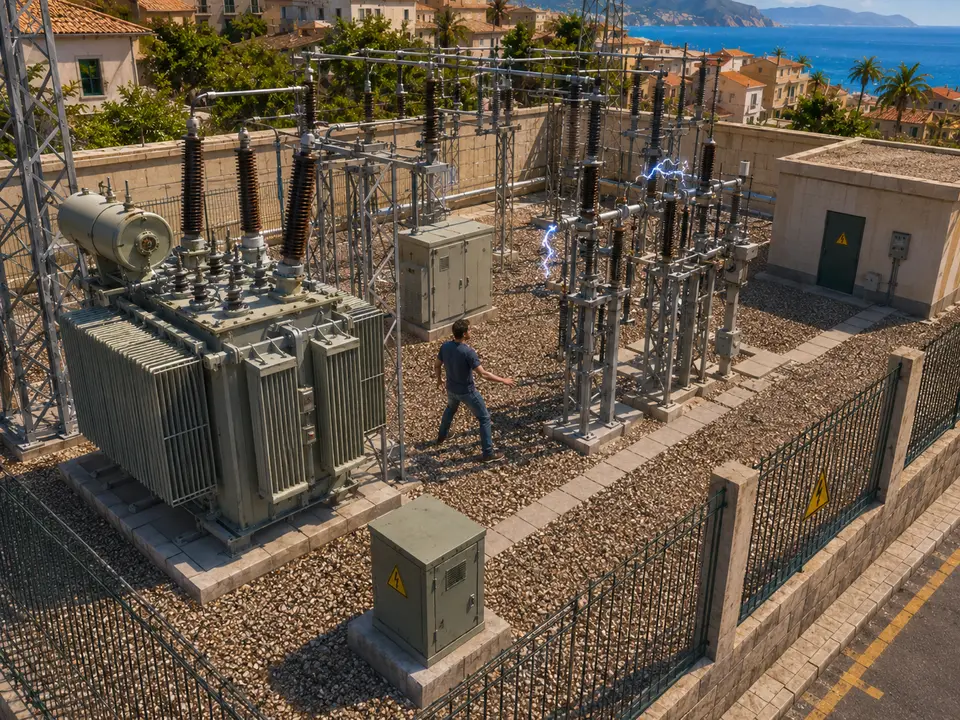
CAM-347No protective clothing beside the live cells
«Tell me if anyone enters the high-voltage zone without a helmet, gloves and protective clothing, even if they are only walking through.»


What it does not do
IRIS does not check whether a garment is approved, whether it is the class the rules demand, or whether it still has service life left. It sees whether the clothing looks like the area’s or like the street.
And it identifies nobody: it does not know whether that person is staff, a contractor or a visitor. Matching the alert to who was authorised is the organisation’s job.
Questions
- Can it tell work clothing from street clothing?
- Yes, when the difference is visible. An orange flame-resistant suit, a white gown with shoe covers or a set of overalls look nothing like a T-shirt and jeans, and that is exactly the comparison IRIS makes on the camera image. What it does not do is distinguish two similar-looking garments, or know whether the one being worn is the right one for that specific area. That takes a person.
- Does it check that the garment is approved?
- No, and it is worth saying up front. A certificate does not show up in an image: IRIS does not know whether that suit meets the class the rules demand, whether it has expired, or whether it has been washed so many times that it no longer protects. That is controlled by the stores and checked by a person. What IRIS adds is the part nobody controls today: that whoever walks in is dressed for work and not for the street.
- Does it alert before the person goes in?
- Yes, and it is the only way for the alert to be worth anything. The camera goes at the compulsory crossing point — the turnstile, the compound gate, the anteroom of the air shower — and the rule is written on the threshold, not on the whole area. That way the alert arrives while the person can still turn round and put on what is needed. An alert ten minutes later is only good for a telling-off.
- Does it work for a clean room or a pharma gowning area?
- Yes, and there what is protected is not the person but the product. The rule is the same with different garments: mask, shoe covers, gown. You ask for the alert at the door of the air shower, before anyone crosses it, because once inside the problem is no longer solved by changing clothes: it is solved by scrapping a batch. That is the cost being avoided, and it is usually a large one.
Demo · IRIS at work
We won't just tell you. We'll show you.
It is a summary of the real screen: it plays by itself, step by step, and shows only the path of one case. The actual tool has far more than fits in here.
- The alert fires
- It lands in the tray
- You open it
- You confirm or dismiss
Not seeing yours here?
These words are the ones we have built, not the ones IRIS understands. The list falls short on purpose: you ask for it in a sentence, and sentences do not run out. Tell us what is in front of your cameras and we will tell you whether it understands it, or not yet.
And the best part
No building work, no trenches, no new cabling:the cameras are already up and already looking.
What changes is what happens to the picture. It used to be stored and never seen; now it is understood while it happens, on the same equipment you bought years ago.
Tell us your problem and we will say whether IRIS understands it, or not yet.
We reply the same working day.