Solutions by typePersonal safety
What if someone walks right underneath?
Walking under the coil
It’s 4:20 p.m. The overhead crane is crossing the bay with eight tons of coil hanging from it. A fitter walks out of the workshop with a wrench in his hand and heads straight for the machine opposite, because circling the long aisle is another a hundred and thirty feet. He passes right underneath without looking up. From his side cab, the crane operator can’t see the column below his own load.
9 cameras across 5 sectors
What IRIS is
IRIS watches the cameras for you.
IRIS Neural is an artificial intelligence that watches the cameras you already have and understands what happens in front of them. When something important happens —or something you told it you need to keep an eye on—, it alerts you; and whatever can be counted, it counts in numbers. All day long, without anyone having to watch a screen.
You tell it what you need to watch, and IRIS does it.
Works with the cameras you already have. Nothing to replace.
A person replies, not a form.
- Your footage never leaves your premises.
- It doesn't identify people.
- Certifications →
This is how you ask for it
«Tell me if anyone is under a load hanging from the overhead crane.»
Almost always nothing happens, and that’s exactly the problem: every time it goes well, the shortcut is confirmed. The day the sling slips there is no such thing as a small accident. There’s a long absence or worse, a stopped bay, an inspection and a report in which somebody has to explain why that maneuver had been done this way for years. The recording exists, but it arrives too late for everything.
You decide once
The organization decides once where the crane hallway runs and who has to be told. Said the way it gets said on the floor: if someone enters the hallway, while a load is hanging, and the crane is moving, then tell the operator and the supervisor, open the camera and keep the video. That sentence is written once. IRIS applies it on every shift, with nobody having to remember.
Anywhere there is an overhead crane, the same sentence gets said: you don’t walk under a load. And anywhere there is an overhead crane, people walk under loads. Not out of bravado. They do it because the straight line is shorter, because the sling held the thousand times before, and because whoever is walking is looking at the floor, not the ceiling. The crane operator, up high and off to the side, often can’t see the column under his own load. Nobody is watching that gap, and that gap is exactly the one that kills.
The day it goes wrong, there’s no reacting. A sling that slips, a pack that opens, a coil that comes free. From the moment it starts falling to the moment it lands, less than a second passes, and a second isn’t enough to step aside or shout. This isn’t an accident you dodge with reflexes. You dodge it beforehand, or you don’t dodge it.
A crane runs a fixed path: it always travels the same hallway. That strip is drawn once on the image, and from then on IRIS watches two things at once, whether a load is hanging and whether anyone on foot is inside it. When they coincide, it speaks up right then. It’s an alert that is only worth anything while the load is in the air. Afterward it isn’t an alert: it’s a photograph of something nobody could stop.
What changes
Before, this was only seen if the supervisor happened to be watching at that moment, and it came up in Monday’s meeting if somebody had been badly frightened. Now the alert arrives while the load is still in the air, with the camera open and the exact minute. And at the end of the month there is a list of how many times it happened and in which stretch, which is what gets an alternative walkway painted instead of another safety talk.
Where we have seen it
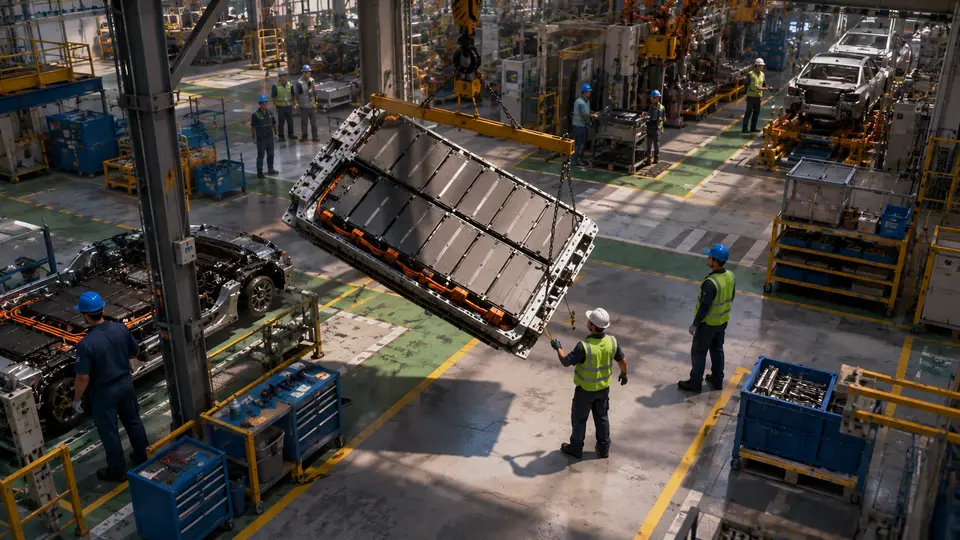
CAM-232A pack hanging at an angle with someone in its path
«Tell me when somebody is under a suspended load in the crane area, and I want to see the whole video.»
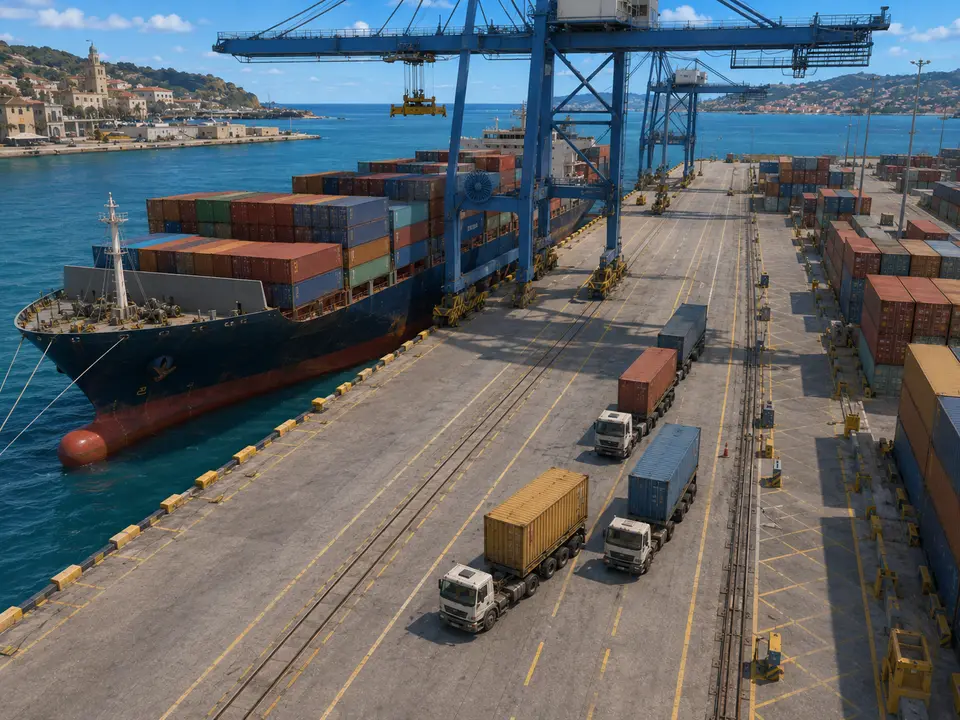
CAM-449Half an hour of quay with not one crane move
«Show me the minutes the quay spends with no crane move, by hour and by shift, and tell me if they go past twenty in a row.»
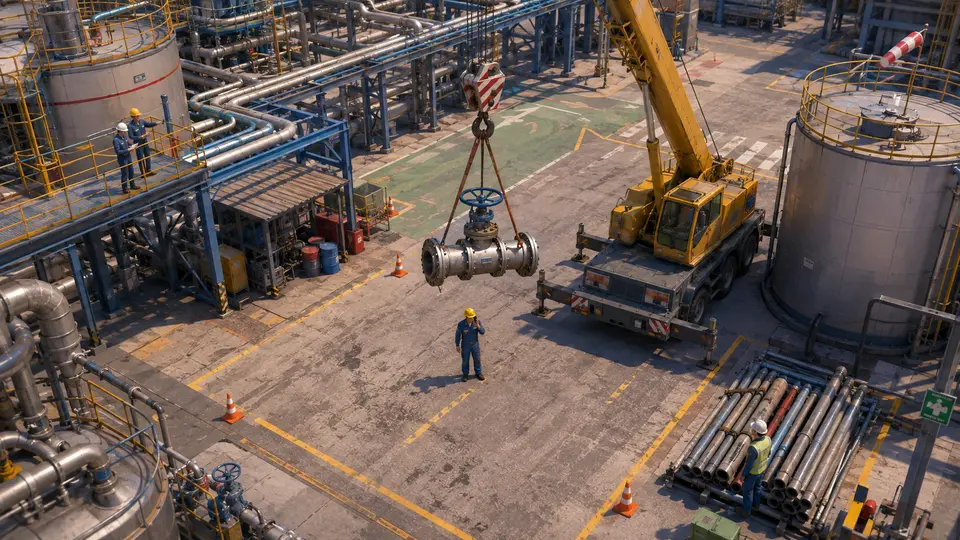
CAM-334A valve hanging from the crane and a worker right underneath
«Tell me if anyone goes underneath a load while it is hanging from the crane.»
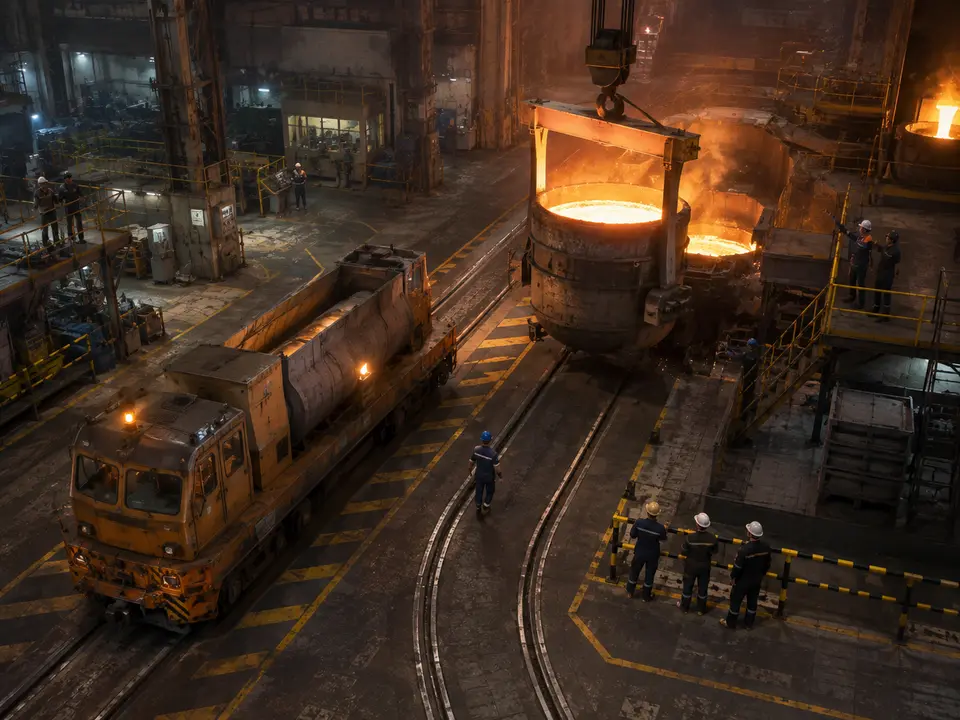
CAM-364Somebody is walking the aisle while the full ladle is moving
«Tell me if anybody enters the rail aisle while the crane is carrying a ladle with metal in it.»
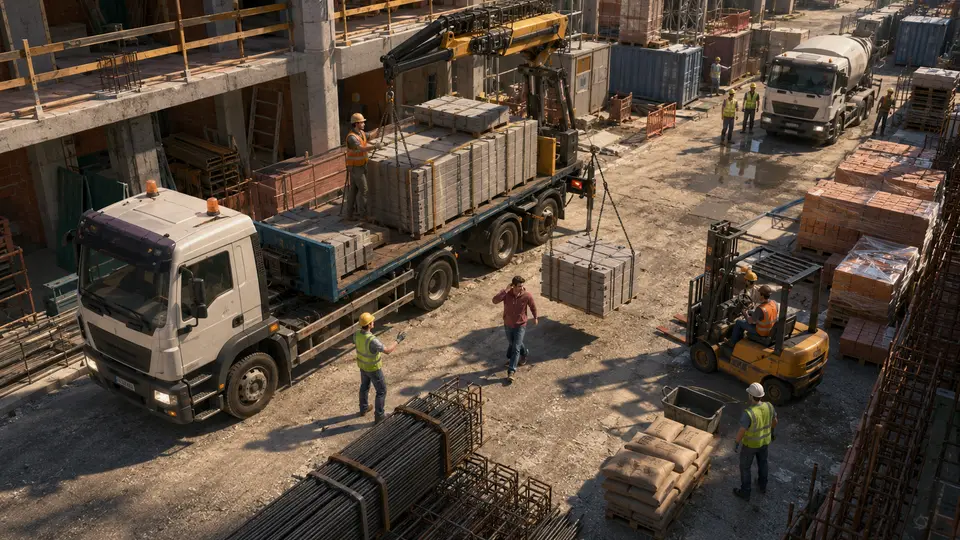
CAM-55No hard hat inside the lifting zone
«While the truck is being unloaded, tell me if anyone steps inside the crane’s working radius — even if they’re only passing through.»
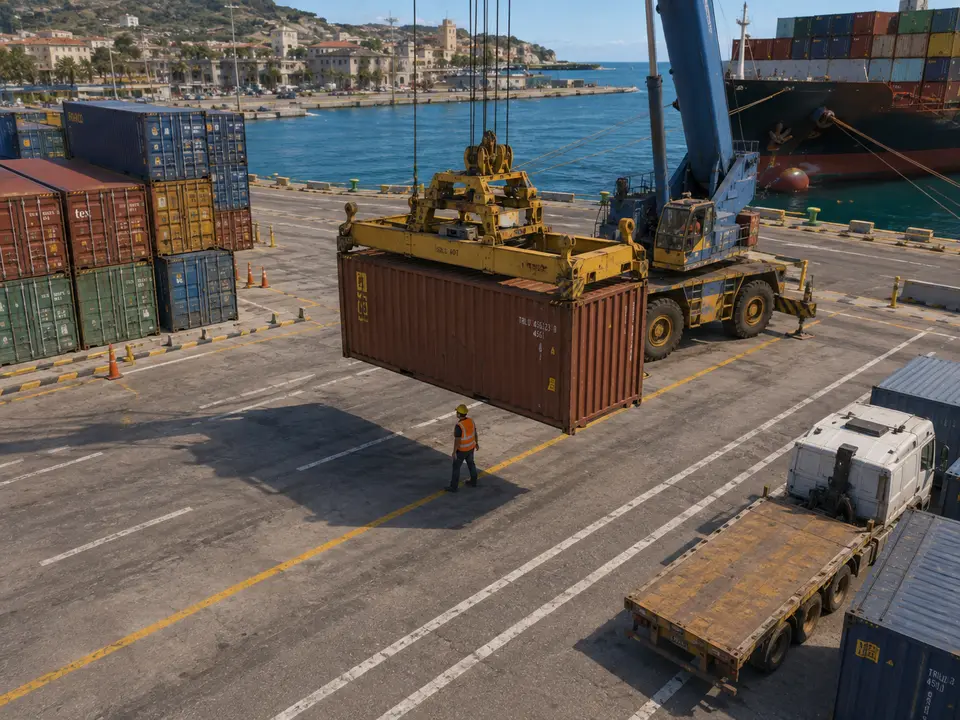
CAM-448Someone is walking under the hanging load
«Tell me the moment anyone steps under a hanging load or into the path it is going to travel.»
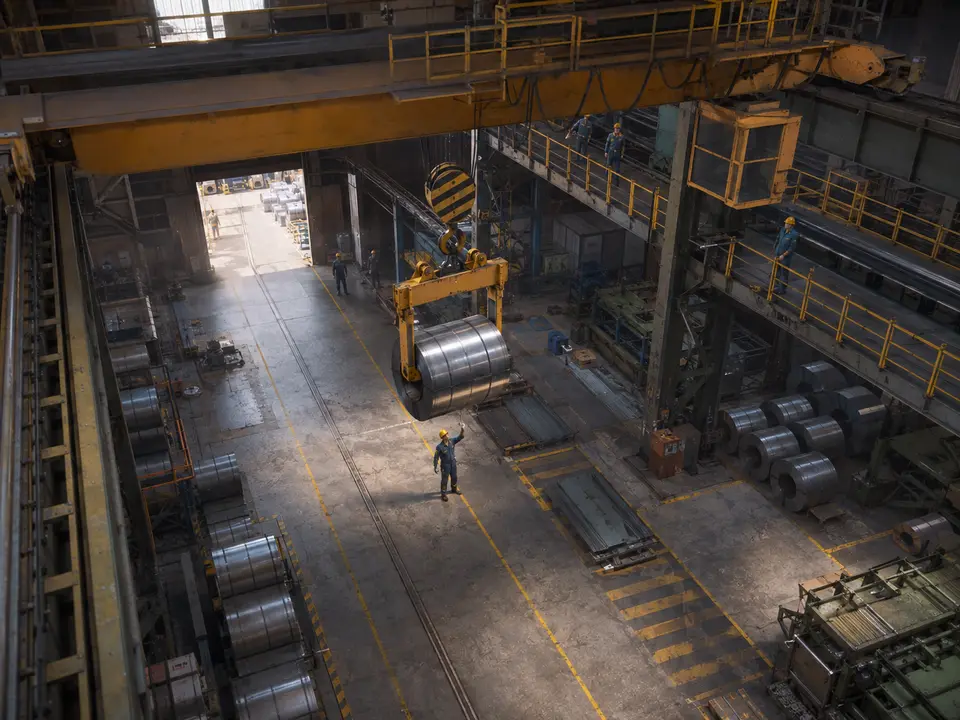
CAM-365A coil is passing right over a worker
«Tell me if anyone is underneath a load hanging from the overhead crane.»
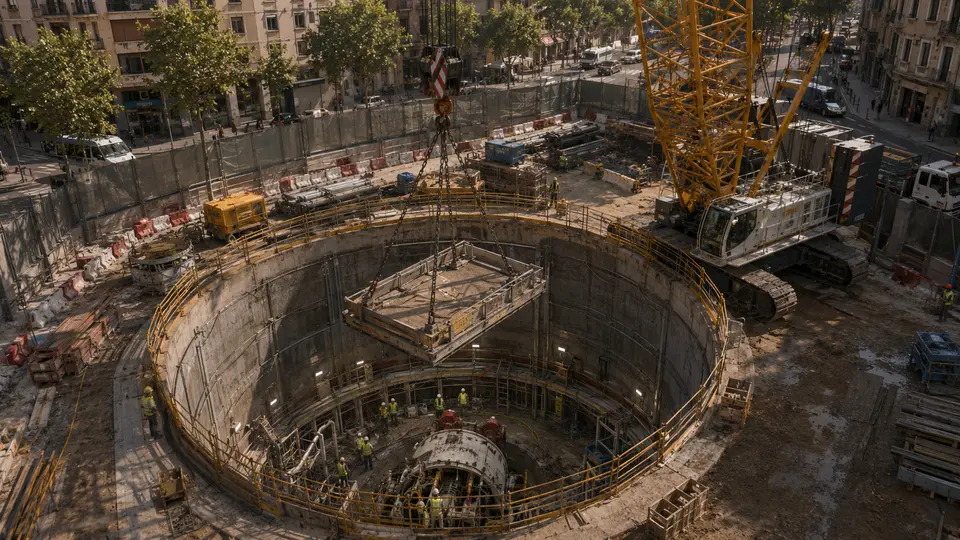
CAM-54Load hanging over the crew
«If there’s a load hanging and somebody walks underneath it, tell me right then — from the bottom of the shaft you can’t see what’s above you.»
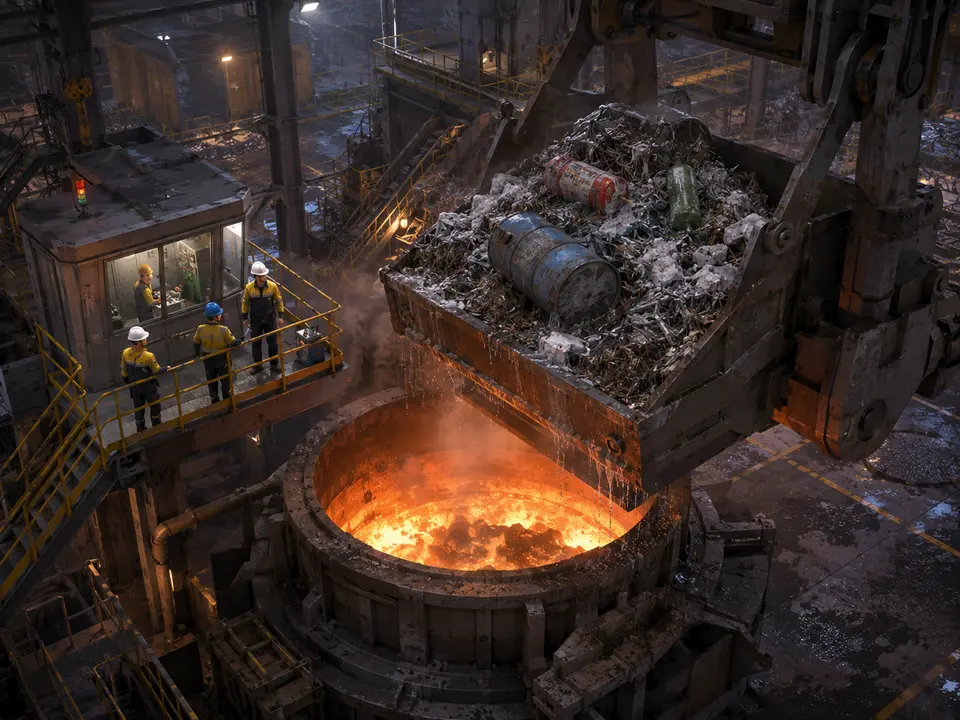
CAM-362Snow and closed drums in the basket, still hanging over the furnace
«Tell me if there is snow, ice or a closed drum in the basket, and tell me before the crane takes it over the furnace.»


What it doesn’t do
IRIS does not know whether the sling is rigged correctly, whether the load is balanced or how much it weighs. It sees something hanging and a person underneath, and that is what it reports.
Nor does it replace the inspection of tackle, hooks and anchor points, or the crane operator’s judgment. It is one more eye, placed where nobody can watch all the time.
Questions
- Does IRIS have to be connected to the crane?
- No. An overhead crane runs a fixed path: it always travels the same hallway of the building. That strip is drawn once on the image from the camera that is already installed, and from then on IRIS watches whether a load is hanging and whether anyone on foot is inside it. When both are true, it alerts. The crane doesn’t have to be touched, no signals wired, nothing changed on the lifting gear.
- Does it also work on a jobsite or a quay?
- Yes. The place changes and the load changes, but the scene is the same: something hanging and someone walking underneath. On a site it is usually the crane radius while a truck is unloaded, and there the request is to alert even if the person is only passing through. On a quay it is the vertical of the sling as the piece comes down. And at the bottom of a shaft, where you can’t see what is above you, it’s the only way to know.
- Can it also count crane cycles?
- Yes, and they’re two different things asked for in different ways. The alert about someone underneath is asked for in words, as a sentence. Counting cycles, or counting the minutes a berth spends without a single cycle, is set up by drawing the zone on the image, because a repeatable number comes from a traced line and not from a description. Many cranes end up with both: the alert that protects and the count that explains the shift.
- Can IRIS stop the crane?
- No. IRIS alerts; stopping a crane is a decision for a person or for a safety system designed to do it. What it does do is get the alert to the crane operator and the supervisor at the same moment, with the camera open and video from a few seconds earlier. Your organization defines the rules and the limits; IRIS handles the repetitive part and brings a person the situation that needs judgment.
The real interface, step by step
A camera looks. IRIS understands what it sees.
An extract of the real screen, no voice-over and hands-free. Each round poses another situation. What sits behind it is a good deal bigger than what you see.
- It lands in the tray
- You open it
- You confirm or dismiss
Not seeing yours here?
These words are the ones we have built, not the ones IRIS understands. The list falls short on purpose: you ask for it in a sentence, and sentences don’t run out. Tell us what is in front of your cameras and we’ll tell you whether it understands it, or not yet.
And the best part
The rule does not decide anything.It just never forgets, and it tells the person who decides.
You write once what needs watching, and it holds at three in the morning just as at noon. What to do with the alert is still a person’s decision.
Tell us your problem and we’ll say whether IRIS understands it, or not yet.
A person answers, the same working day.