CAM-113
The camera has been covered
A cell block gallery seen from a high camera. In the right foreground, someone with raised arms is throwing a garment over the lens, next to the house-rules board: the frame is going dark. Halfway down the gallery another person is looking this way; at the far end, two are walking off towards the stairs. On the left, the two floors of cells and a wooden bench against the wall. The camera raising the alert is the one being covered.

Turn on IRIS Vision
AI-generated image
What IRIS is
IRIS keeps an eye on the prison for you.
IRIS watches the cameras you already have in the prison and understands what it sees: a fight, a barricade, a crowd building up in a yard or a wing. When something like that happens, it alerts right away; and whatever can be counted, it counts in numbers. All day long, with no one needing to stare at a screen.
You tell it what you need to watch, and IRIS does it.
Here, for example, it's the camera itself that notices it's being covered and raises the alert at that moment, not three days later when someone reviews the footage. It saves the seconds right before that separately, the ones that were actually caught on camera. With that alert you decide whether it's worth rushing to that gallery.
Works with the cameras you already have. Nothing to replace.
A person replies, not a form.
- Your footage never leaves your premises.
- It doesn't identify people.
- Certifications →
What IRIS understands
What it recognises in this scene
- covered lens
- raised arms
- person looking on
- people walking away
- gallery bench
The rule
You decide once. IRIS applies it always.
If
a camera's frame is covered, moved or suddenly goes dark, without the light in the gallery having changed
Then
- alert the control room with the camera and the exact moment it stopped seeing
- keep the preceding seconds aside, because those are the ones you can still see
- keep the alert open until the camera can see again
The instruction that set it up«Tell me the moment a camera stops seeing: if it is covered, if it is turned, or if the frame goes black all at once.»
What changes
What changes for whoever answers for the facility
Three days later, an officer opens the recording from that afternoon to write a report and finds an hour of black screen. Nobody noticed: a system that only records keeps recording and calls nobody, and the problem shows up exactly when it is no use any more. A covered camera is the only one that breaks on purpose, and it is the one that says the most. Here it is the camera itself that reports it has been blinded, at the moment it happens, and the seconds before — the ones you can still see — are kept aside. The alert accuses nobody: it says that a point in the facility has stopped being watched, and that is reason enough to go.
What people usually ask
Doesn't an ordinary recorder warn about this?
A system that only records keeps recording: it stores an hour of black screen and calls nobody. Nobody watches that screen live, because there are hundreds of them, so the warning arrives when someone goes looking for the video, days later, and by then there is nothing to be done. Here the camera understands what it sees, which is why it can notice that it has stopped seeing: it says so at the moment, with the time, and the preceding seconds are kept aside so they can be watched without hunting for them.
Can the alert be used to sanction whoever covered the camera?
No. IRIS identifies nobody and cannot be used to sanction a particular person. It does not recognise faces, does not compare them against any database and does not store who anyone is: what it produces is an alert saying a camera has stopped seeing, with its time and the preceding seconds. What the facility does with that follows its own procedures, with people who look and decide. And it is worth keeping the important thing in view: the problem is not who covered it, it is that there is a point nobody can see right now.
What if it is a fault, a bag blown over it or a blown light?
The alert is the same, and it should be: a camera that cannot see is a problem, whether somebody blinded it or it failed on its own. The difference is made by the person who receives it, who opens the preceding seconds and knows within two seconds which of the two it is. What must not happen is a camera spending a week blind with nobody noticing until that video is needed.
Simulation · how IRIS works
No extra alarms here. Just what needs looking at.
Not a recorded video, not an explanatory drawing: a summary of the real screen, with a different case every time it starts. There is a lot more behind it.
- The hour, as a grid
- You look where it's dark
- You jump to that minute
See it somewhere else
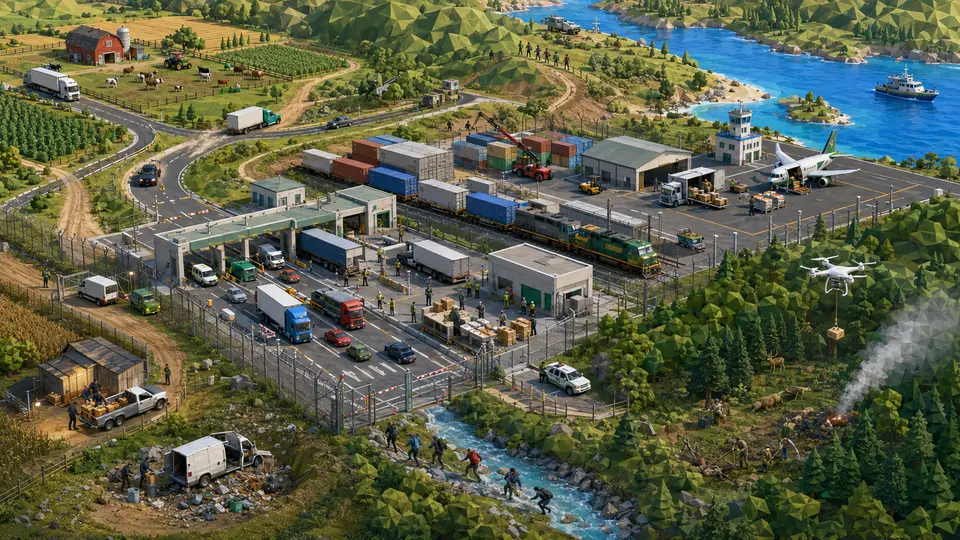
What can a camera see without pointing at anyone?
13 cases: 9 raise an alert when something happens and 4 only measure. You see each image as it is, and then with what IRIS understands on top.
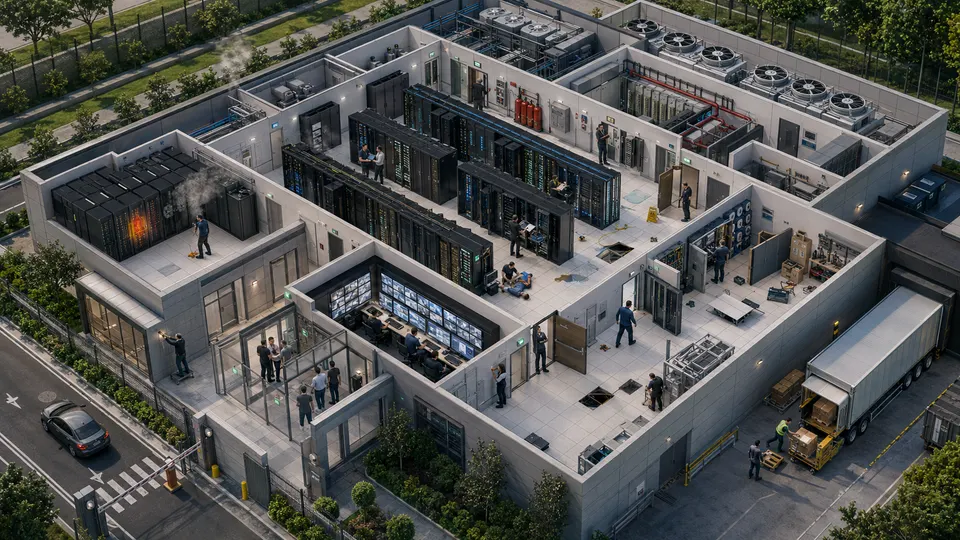
What if the outage does not start with an attack?
13 cases, and in every one of them IRIS raises an alert when something happens. You see each image as it is, and then with what it understands on top.


And the best part
You can add more cameras;you cannot add more hours to anyone’s day.
Cameras can be multiplied; a person’s hours cannot. IRIS looks at everything coming in and leaves them the one thing no machine does better: deciding what to do.
Tell us your problem and we will say whether IRIS understands it, or not yet.
We reply the same working day.