Solutions by typePersonal safety
What if someone walks in without a hard hat and nobody sees it?
Walking in without a hard hat
It’s 8:15 a.m. at the site gate. The concrete truck arrives, and behind it, on foot, the technician from the formwork company. He waves at the gatekeeper, who’s signing the truck’s packing slip, and walks through. He has his jacket on and his hard hat in his hand. Nobody says anything. Forty minutes later he is standing under the crane jib, on the phone, hard hat still hanging from his arm.
11 cameras across 8 sectors
What IRIS is
IRIS watches the cameras for you.
IRIS Neural is an artificial intelligence that watches the cameras you already have and understands what happens in front of them. When something important happens —or something you told it you need to keep an eye on—, it alerts you; and whatever can be counted, it counts in numbers. All day long, without anyone having to watch a screen.
You tell it what you need to watch, and IRIS does it.
Works with the cameras you already have. Nothing to replace.
A person replies, not a form.
- Your footage never leaves your premises.
- It doesn't identify people.
- Certifications →
This is how you ask for it
«Tell me if someone reaches the turnstile without a hard hat, and tell me there, at the gate, not once they have been inside for half an hour.»
A wrench falling from the second floor slab gives no warning. And when it hits somebody who was there without a hard hat, the problem isn’t only medical: the site stops, the inspector arrives, and you have to prove the access control for a visitor who walked in behind a truck. That’s the day you discover that the gate record is a signature in a notebook, and that nobody knows what time he came in or where he went.
You decide once
It’s decided once, at the gate. If someone crosses the turnstile or the pedestrian entrance onto the site without a hard hat, then the alert appears in the gatehouse with the camera open, so they can be stopped there. The organization says where the hard hat zone begins, at what hours and what happens with visitors. The repetitive part is IRIS: watching that gate three hundred days a year, including while the gatekeeper is signing packing slips.
A hard hat doesn’t protect you from your boss. It protects you from a wrench falling off the second floor slab. And the person who walks in without one is almost never the site crew, who have had theirs on since seven: it’s the visitor who’s here for an hour. The technician, the supplier, the sales rep, the one who doesn’t know the place and doesn’t think the place could fall on him.
The problem isn’t a missing rule. The rule is written, it’s on the sign at the gate and it’s signed at check-in. The problem is that it gets checked at the gate, and at the gate one person is signing packing slips, raising the barrier and answering the phone. Half an hour later, that alert is worth nothing. It’s only good for a telling-off, and telling-offs don’t stop a falling wrench.
IRIS watches that gate all the time and alerts at the threshold, while the person is still three steps from the gatehouse and can turn around for a hard hat. It’s an alert that doesn’t feel like a sanction: it feels like somebody warning you. The same sentence works for the technical hallway of a water plant, the walkway to a port’s fuel tanks and the high-voltage space of a substation. The gate changes; the idea doesn’t.
What changes
Before, the warning came when somebody bumped into the visitor inside the site, half an hour late and already in a scolding tone. Now it arrives at the threshold, when the person is three steps from the gatehouse and can turn around for a hard hat. The outcome changes and so does the tone: it isn’t a sanction, it’s somebody warning you. And the visitor is grateful to be told before rather than after.
Where we have seen it
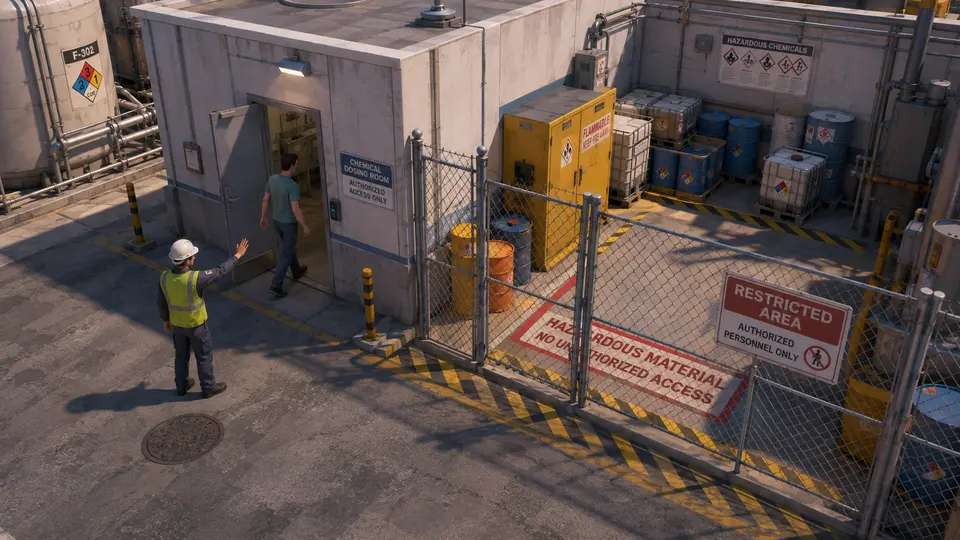
CAM-317Into the dosing room without the area kit
«Tell me if anybody goes into the dosing room without a hard hat, a vest and goggles.»

CAM-41Boulevard: cars, bikes and people
«Also tell me how many people ride past without a hard hat, so I know whether we need a road-safety campaign.»

CAM-152No hard hat in the plant walkway
«Tell me if anyone walks into the technical area without a hard hat and a safety vest, whether they work here or not.»
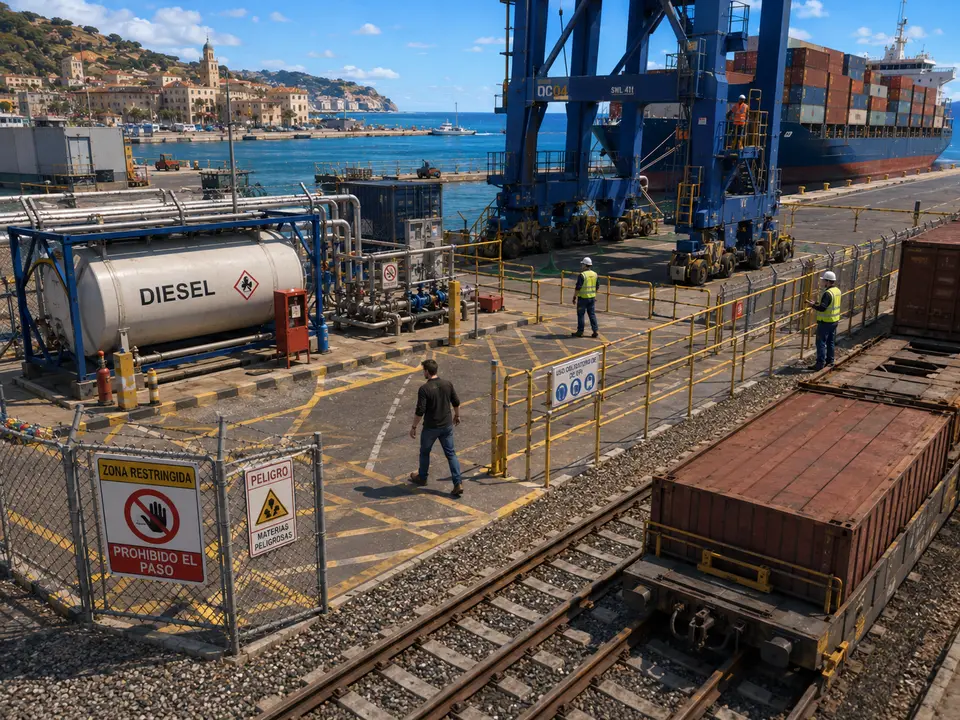
CAM-446Past the sign to the diesel tank with no hard hat
«Tell me if anyone enters the fuel area or crosses toward the track without a hard hat and a vest.»
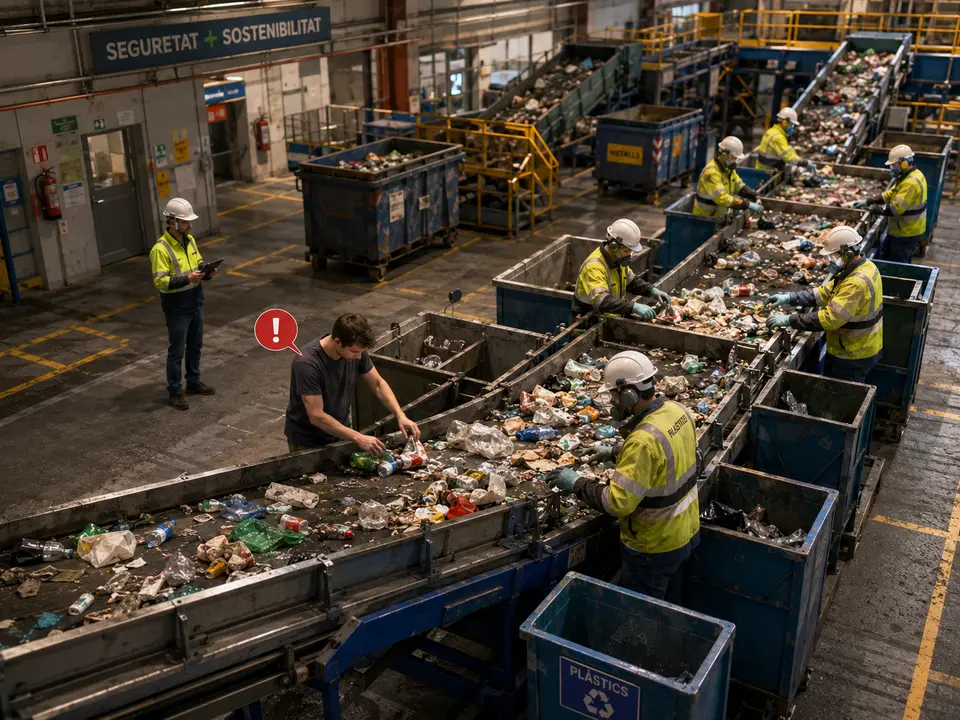
CAM-438No hard hat, no gloves, bare hand on the belt
«Tell me if somebody starts sorting on the belt without hard hat, gloves or a safety vest.»
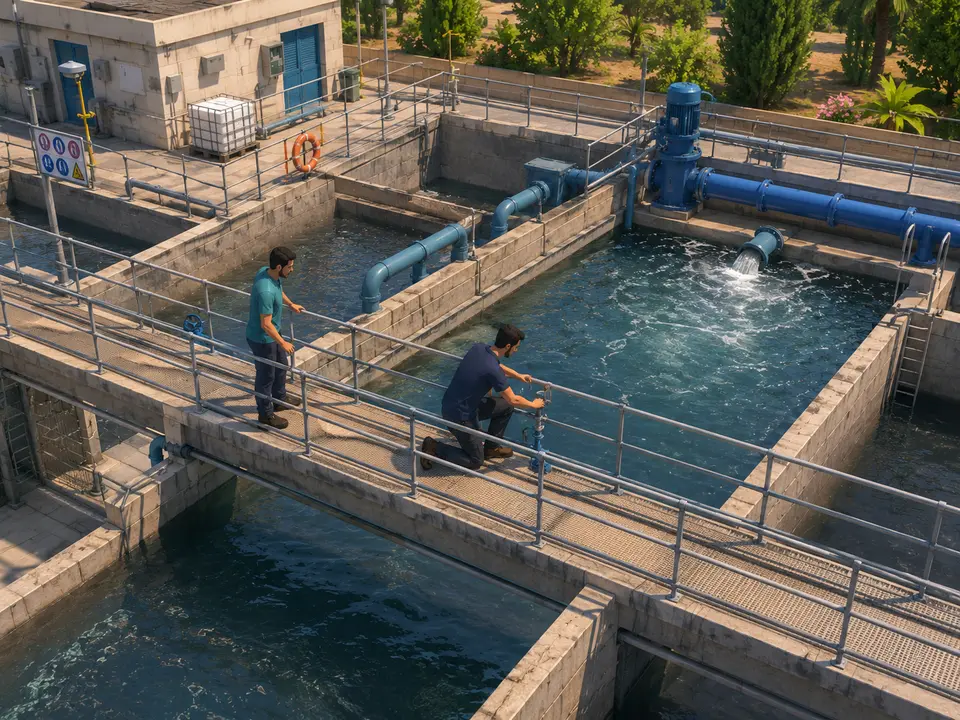
CAM-413No hard hat, no safety vest, right at the edge of the open tank
«Tell me if anyone works at the edge of a basin without a hard hat or a vest.»
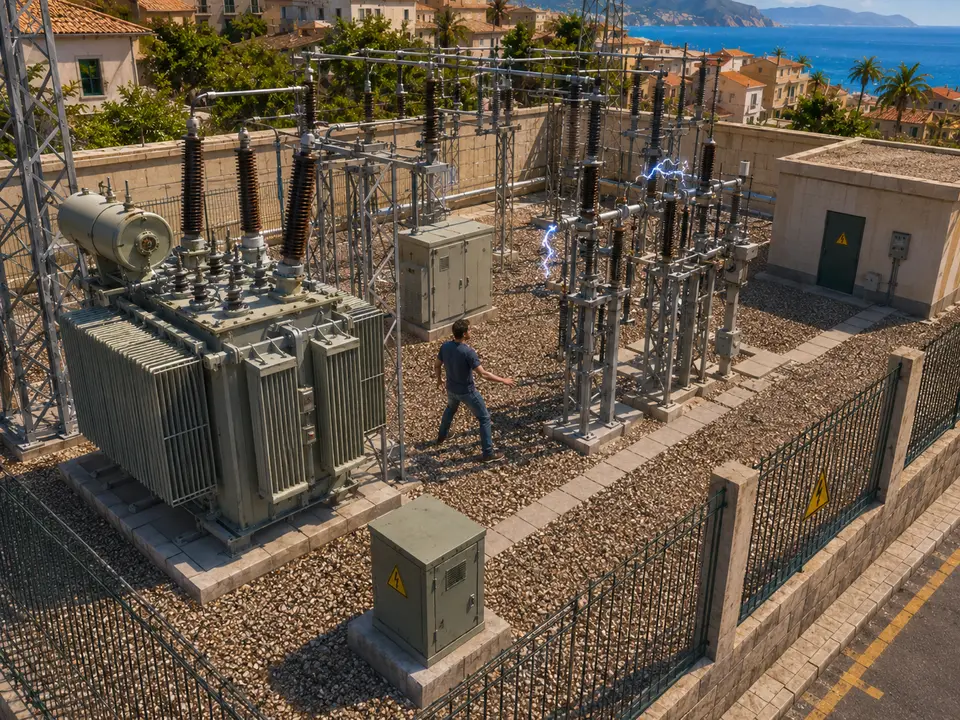
CAM-347No protective clothing beside the live cells
«Tell me if anyone enters the high-voltage zone without a hard hat, gloves and protective clothing, even if they are only walking through.»
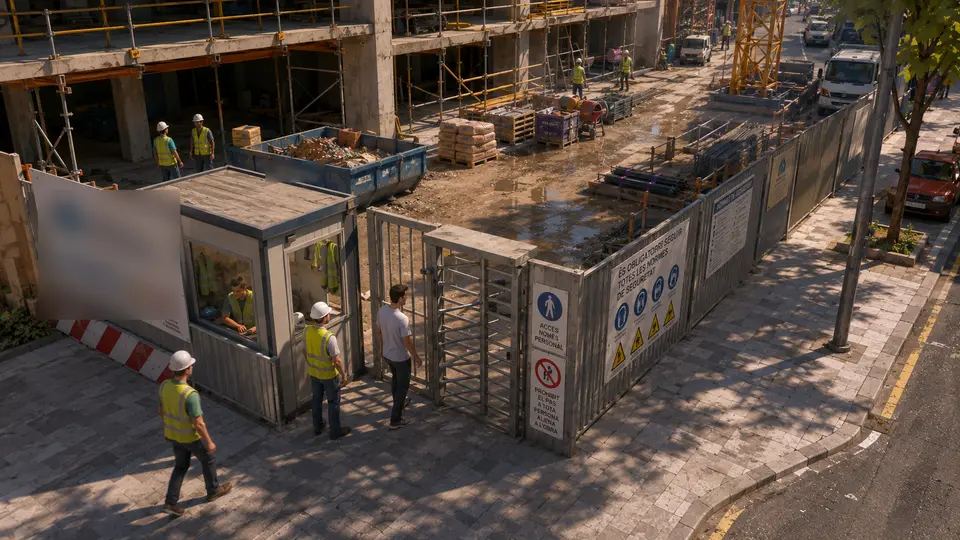
CAM-51Walking into the site with no hard hat
«Tell me if somebody turns up at the turnstile with no hard hat or no vest, and tell me there, at the gate, not once they have been inside the site for half an hour.»
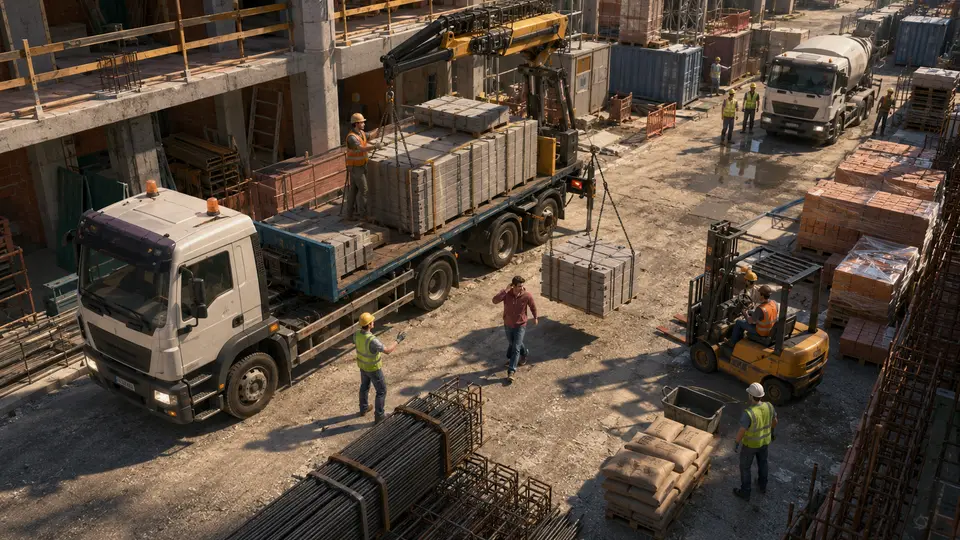
CAM-55No hard hat inside the lifting zone
«While the truck is being unloaded, tell me if anyone steps inside the crane’s working radius — even if they’re only passing through.»
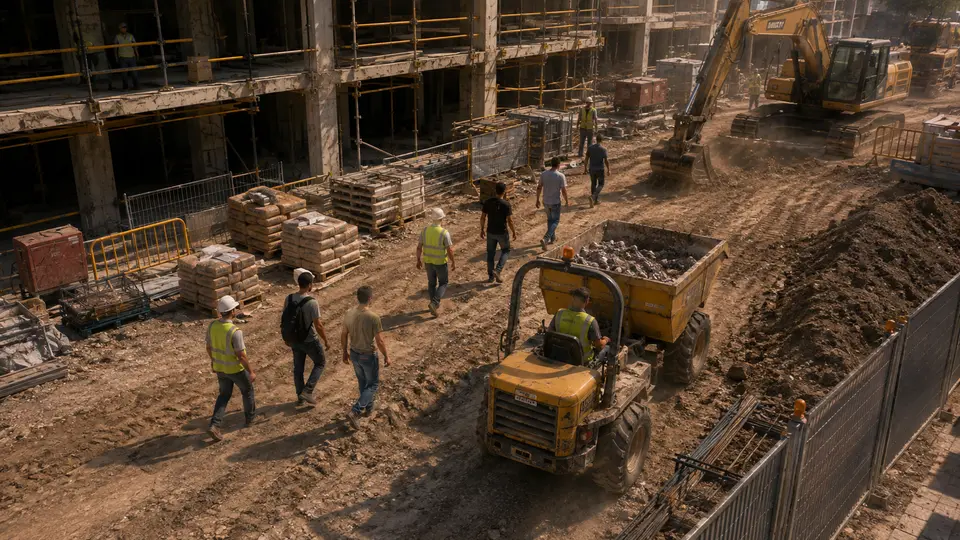
CAM-52Bare-headed among the machines
«Tell me when somebody walks across the area where the machines are working without a hard hat on, and tell me while they are crossing — there is no second chance there.»


What it doesn’t do
IRIS does not check whether the hard hat is the right one, whether it has expired or whether the chinstrap is done up. It sees whether someone is wearing one or not.
And it identifies nobody: it says someone is without a hard hat where one is required, not who they are. In a wide yard view, a hundred and thirty feet away and backlit, that question cannot be answered well, so it is better not to ask it there.
Questions
- Is it meant for disciplining people?
- No, and using it that way ruins it. IRIS identifies nobody: it does not recognize faces and does not know who appears in the image. It sees a person without a hard hat where one is required and alerts in time for them to put one on. The aim is for them to walk in wearing it, not to open a personnel file. A site where alerts are used to punish is a site where within a week nobody reads the alerts.
- Does it work if the hard hat is hidden by a hood or by a load?
- Not always, and it’s worth knowing before anything is installed. A hood, a tall pallet or strong backlight can hide the head. That’s why the camera goes where the head is seen head-on and close: at the turnstile, the pedestrian gate, the compulsory crossing point. There a person fills half the frame and there’s no doubt. In a wide yard view, that same question can no longer be answered well.
- Can it be asked for in one specific area only?
- Yes, and that’s the right way to set it up. In almost no facility is a hard hat required everywhere: it’s required at the entrance to the store, inside the crane radius, in the machine area or in the technical hallway. You mark that zone on the camera image and the alert only fires there. That way the alert means something, and the fitting room or the office don’t generate noise all day long.
- Does it check whether the hard hat is certified or properly fastened?
- No. IRIS sees whether a hard hat is on or not; it doesn’t distinguish models, it doesn’t know whether it has expired and it doesn’t check whether the chinstrap is fastened. A person still has to look at that. What IRIS adds is the repetitive, boring part: somebody watching that gate all day, every day, and speaking up the moment someone walks through without one.
The real interface, step by step
You set the rule once. IRIS applies it every time.
You will see a summary of the interface, played step by step and hands-free. Each round starts with another case. The complete tool doesn’t fit in a demo.
- The rule gets built
- It goes to every camera
- Published, it watches alone
- And then it fires
Not seeing yours here?
These words are the ones we have built, not the ones IRIS understands. The list falls short on purpose: you ask for it in a sentence, and sentences don’t run out. Tell us what is in front of your cameras and we’ll tell you whether it understands it, or not yet.
And the best part
What you bought was a warehouse of images.What you needed was someone to look at them.
Those same cameras that only fill disks today can flag what matters while it’s happening. The warehouse stays; it just stops being all you have.
Tell us your problem and we’ll say whether IRIS understands it, or not yet.
A person answers, the same working day.