CAM-905
Paint on the dome
A shopping street corner in broad daylight, seen from the light pole on the corner. Behind it you can just make out the awnings, a gray car stopped before the crossing and people walking along the sidewalk. None of it can be recognized, because there’s a thick pale material on the glass of the dome that has come down from above and run to the bottom in streaks. Between one streak and the next there are gaps, and through them the street looks deformed, as if seen through a dirty glass. IRIS sees that the lens is covered by something that wasn’t there yesterday and that this image is no longer of any use. It doesn’t know what the material is, or who put it there. The time it does know.

Turn on IRIS Vision
AI-generated image
What IRIS is
IRIS watches the cameras for you.
IRIS Neural is an artificial intelligence that watches the cameras you already have and understands what happens in front of them. When something important happens —or something you told it you need to keep an eye on—, it alerts you; and whatever can be counted, it counts in numbers. All day long, without anyone having to watch a screen.
You tell it what you need to watch, and IRIS does it.
Here, for instance, IRIS catches that the camera lens got coated in a thick liquid running down from above, and that the footage from that moment on is worthless. It flags it the second it happens, with the camera name, the exact timestamp and the clip from the minutes right before. With that alert, staff schedule someone to clean it with the right gear, instead of finding out weeks later.
Works with the cameras you already have. Nothing to replace.
A person replies, not a form.
- Your footage never leaves your premises.
- It doesn't identify people.
- Certifications →
What IRIS understands
What it recognizes in this scene
- material on the dome
The rule
You decide once. IRIS applies it always.
If
a large part of the frame is suddenly covered by an opaque material that was not in that camera’s reference image
Then
- alert whoever handles maintenance, with the camera, the exact time and the video of the minutes before
- mark the camera as out of service and flag which part of the street is now unwatched
- log the time the image stopped being usable, so the report does not have to say ‘for a while now’
The instruction that set it up«Tell me the moment something appears on a camera’s glass and it stops seeing the street, and keep me the video of the minutes before.»
What changes
What changes for whoever answers for the cameras working
A camera with its glass covered doesn’t switch itself off: it keeps recording, it stays on the list and its green light stays on. That’s why weeks go by before anyone finds out, and they almost always find out on the worst day: when the video of that corner is needed and what comes back is a screen full of streaks. In between, nobody has covered that corner another way, because everybody assumed it was already covered. With IRIS the alert goes out the moment the image changes, with the camera, the time and the video of the minutes before. That makes two things possible that don’t happen today: booking the elevator with the right kit instead of finding out by accident, and knowing the exact hour from which that camera stopped seeing.
What people usually ask
How does IRIS tell paint from ordinary dirt?
By how fast the change happens. Dirt builds up slowly: it takes days or weeks and spreads across the glass fairly evenly. Material applied on top appears between one image and the next, comes down from above and leaves streaks and gaps. IRIS compares what it sees now with the reference image of that same camera and raises the alert when the change is sudden and large. What it doesn’t do is name the material: it doesn’t say whether it’s paint, foam or oil. That’s seen by whoever goes up to clean it.
Does IRIS say who put that on the dome?
No, and it never will. IRIS states a fact: there’s an opaque material over the lens and the image stopped being usable at such and such a time. It does not identify anybody, it does not recognize faces and it does not read intentions. It could be a spray can, it could be building work next door that splashed, it could be a paint truck. What it does hand over is the video of the minutes before it appeared, which is usually the only useful part, and who watches it and what they decide is a person’s job. IRIS points at what changed and when; the rest isn’t its job.
If someone has to go up and clean it anyway, what do I gain by knowing today?
You gain the weeks that camera would have spent recording a wall of streaks with nobody knowing. IRIS cleans nothing: the dome is cleaned by a person, and that means going up. What changes is that the visit is organized on purpose and with the right kit, that meanwhile the scene can be asked of another camera at the same spot, and that when someone asks for the video of that corner you’ll know from what hour there’s nothing. A camera that records and doesn’t see is worse than one that’s turned off, because everybody is counting on it.
See it for yourself
Everything comes in. Only what matters gets through.
This sums up what IRIS does with one alert, from the moment it appears until it’s closed. The real screen holds far more; this is the main thread.
- The hour, as a grid
- You look where it’s dark
- You jump to that minute
Next step
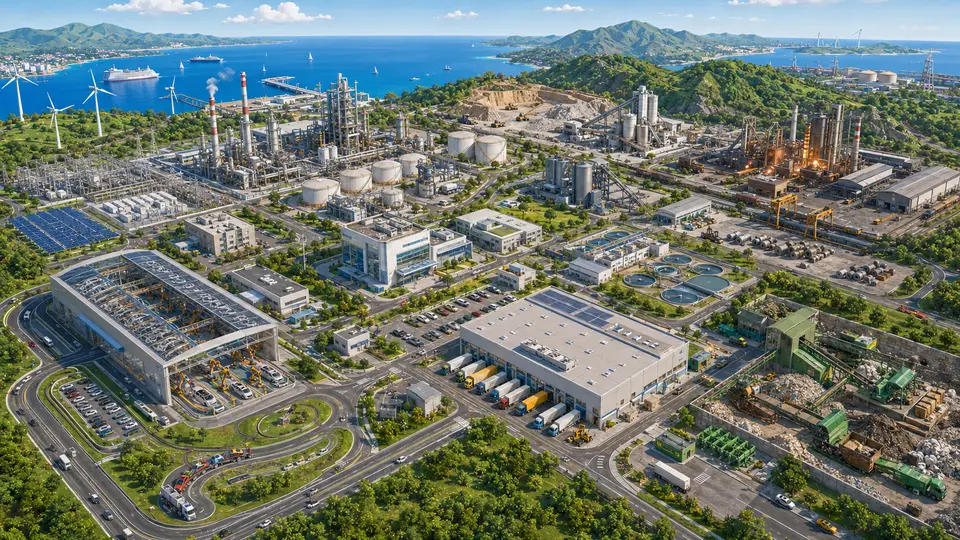
Why did the line stop?
237 cases, and in every one of them IRIS raises an alert when something happens. You see each image as it is, and then with what it understands on top.
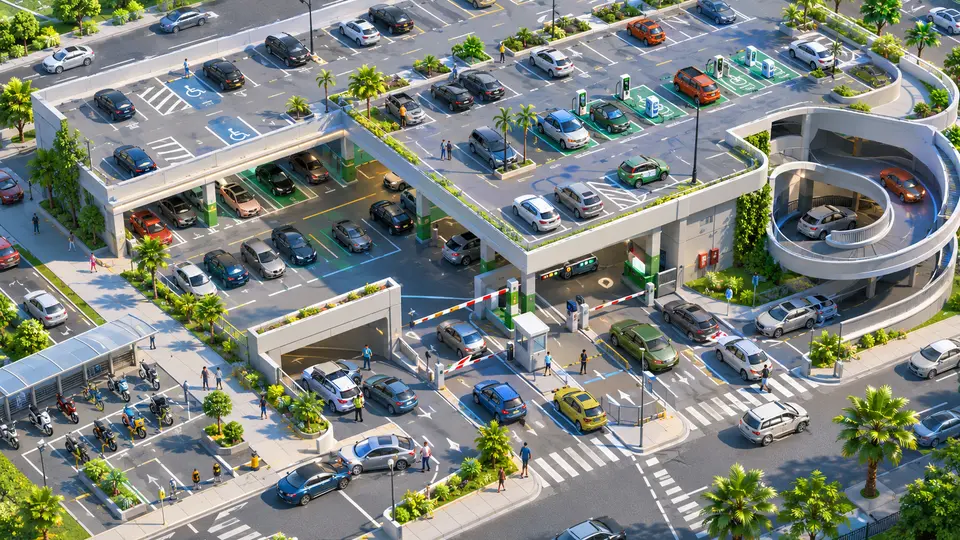
How many spaces are open right now?
15 cases: 9 raise an alert when something happens and 6 only measure. You see each image as it is, and then with what IRIS understands on top.


And the best part
Nobody covers the night shift:the camera that is already on covers it.
It doesn’t tire, it doesn’t blink and it doesn’t go for coffee. What happens at night is understood just as it would be at midday, and whoever is on duty hears about it while it’s happening.
Tell us your problem and we’ll say whether IRIS understands it, or not yet.
A person answers, the same working day.