Solutions by typeLogistics efficiency
Was that supposed to be opened right now?
A door open at an hour when it shouldn’t be
Mid-afternoon in the container block. On the bottom row, one door is open and the cargo in boxes is visible inside. Two people are standing by the opening. A truck goes past down the lane without slowing. That row has no operation scheduled today: no inspection order, no customs, no unloading. From the building it can’t be seen; through the camera it can — except that nobody has that camera in front of them.
6 cameras across 4 sectors
What IRIS is
IRIS watches the cameras for you.
IRIS Neural is an artificial intelligence that watches the cameras you already have and understands what happens in front of them. When something important happens —or something you told it you need to keep an eye on—, it alerts you; and whatever can be counted, it counts in numbers. All day long, without anyone having to watch a screen.
You tell it what you need to watch, and IRIS does it.
Works with the cameras you already have. Nothing to replace.
A person replies, not a form.
- Your footage never leaves your premises.
- It doesn't identify people.
- Certifications →
This is how you ask for it
«“Tell me if a container door in the block is opened outside operating hours.”»
If it’s a job that wasn’t written down, nothing happens and it closes in a minute with a phone call. If it isn’t, what’s lost isn’t coming back: the goods go out through the gate and the gap turns up in next week’s inventory count, when there’s no longer anyone who can reconstruct what happened or at what time. And with a refrigerated container nothing even has to go missing: five minutes with the doors open and the power lead out of its socket, and the whole load is an insurance claim.
You decide once
What the organization decides here isn’t who’s allowed to open something: it’s when something’s expected to be opened. The operating hours of each block, the dosing windows of a tank, the shifts in which a switchboard is worked on, the number of minutes a reefer may stay open. All of that is already written down somewhere. Writing it once as a rule is what turns a camera that records into a camera that tells you.
Almost everything that gets opened outside its hours has a perfectly good explanation. A technician who brought a job forward, a shift that changed, an inspection that was logged wrong. So this isn’t about accusing anyone: nobody here is called out of place, and nothing here tries to. It’s about the explanation arriving now, in a thirty-second phone call, instead of in a week’s time, when nobody can give it anymore.
The pure case is the container block. A door open on the bottom row in mid-afternoon, two people beside it and a truck driving past. Nobody in the building sees it, because a container block is a maze and the tower is looking at something else. But it’s exactly the same as an electrical panel opened at eleven at night while the plant is running, or a mixing tank left uncovered outside its dosing window, or a custody cage open a minute too long. In all four places what fails isn’t the lock: it’s that nobody was watching that camera.
IRIS watches the door and watches the clock. It sees that it’s open, sees since when, and sees whether that hour fell inside the window the company had marked. When it doesn’t, it says so, with the camera, the time and the video from just before, so that the person receiving it knows what they’re looking at before they call. It identifies nobody, recognizes no faces and does not say whether this is right or wrong. It says it is open and that today it wasn’t due to be, and the rest is decided by whoever carries the responsibility.
What changes
Before, this was known through rounds and inventory counts. The round comes when it comes, and the inventory count arrives weeks later, when the only thing left to do is count what is missing. Now the open door is known while it’s open, and what was an investigation becomes a phone call. And in a reefer, where the damage is done by time and not by anyone, an alert after five minutes is literally the difference between closing the door and throwing the load away.
Where we have seen it
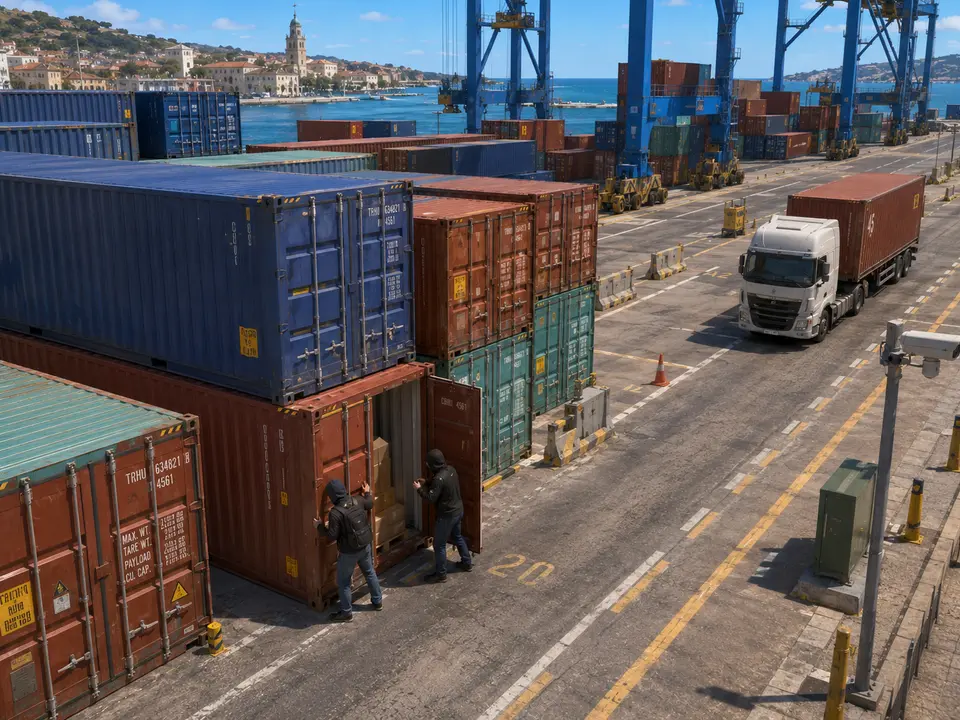
CAM-444A container opened outside the working window
«Tell me if a container door is opened in the block outside operating hours.»
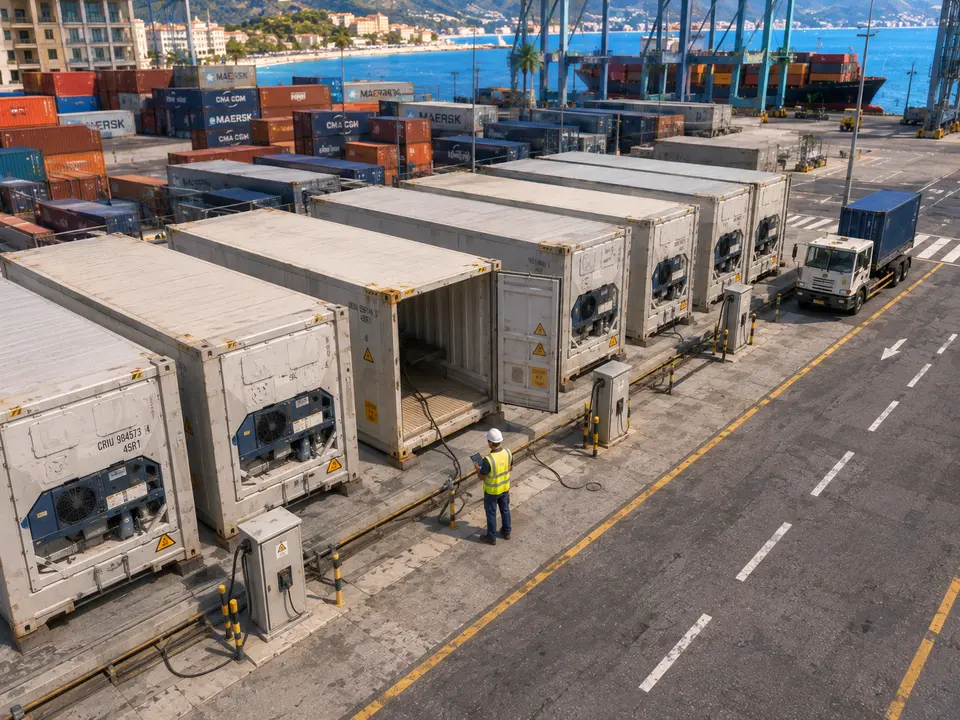
CAM-452A reefer with its doors open and the cable on the ground
«Tell me when a reefer has been more than five minutes with a door open or with its cable out of the socket.»
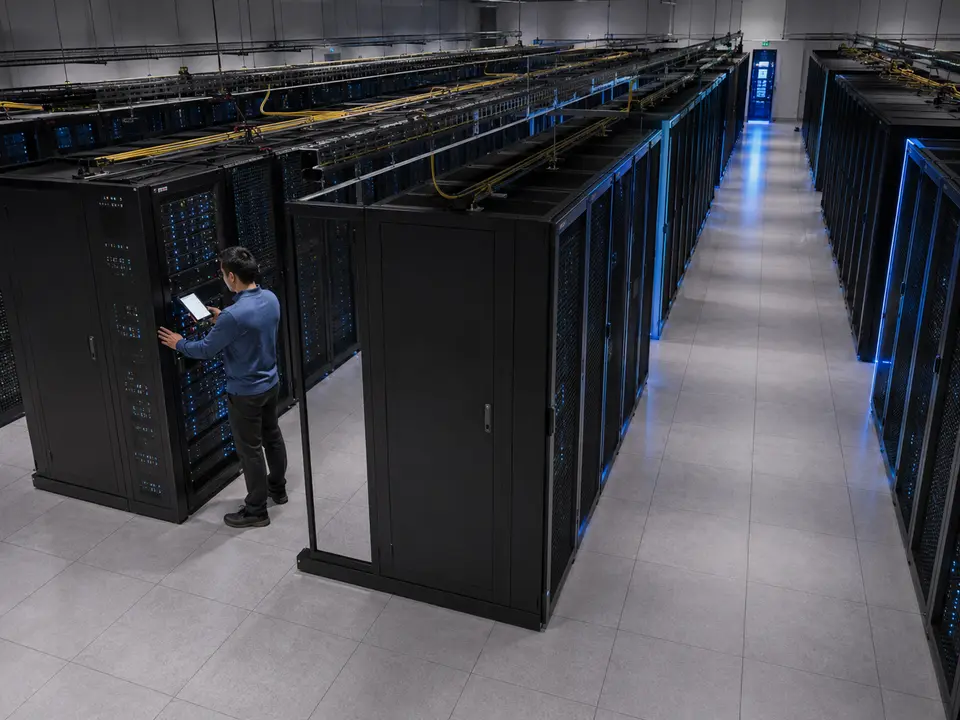
CAM-551It looks like routine maintenance, and it probably is
«Tell me when somebody spends more than five minutes in a cabinet aisle, and tell me since when they have been there.»
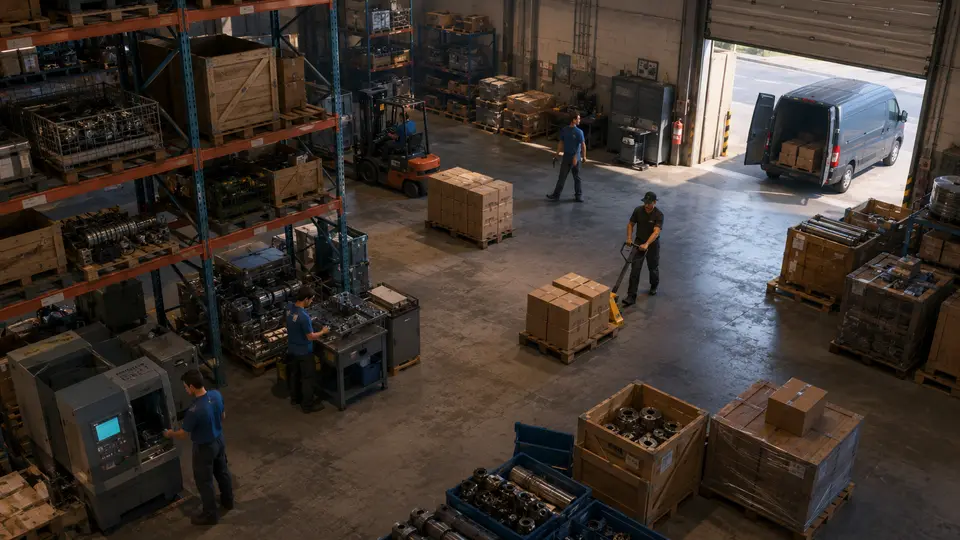
CAM-259A pallet heading out the door to a van
«Tell me if a pallet goes out the shipping door when no load is scheduled.»
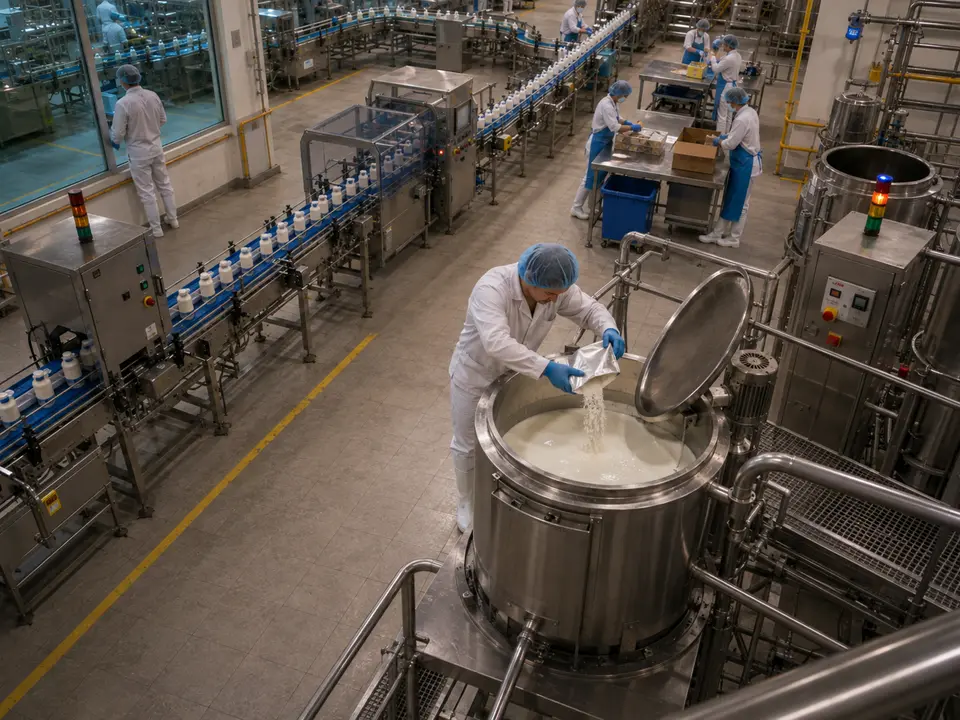
CAM-216Somebody is tipping something into an uncovered tank
«Tell me if somebody opens a mixing tank or dumps something in outside the hours when dosing is due.»
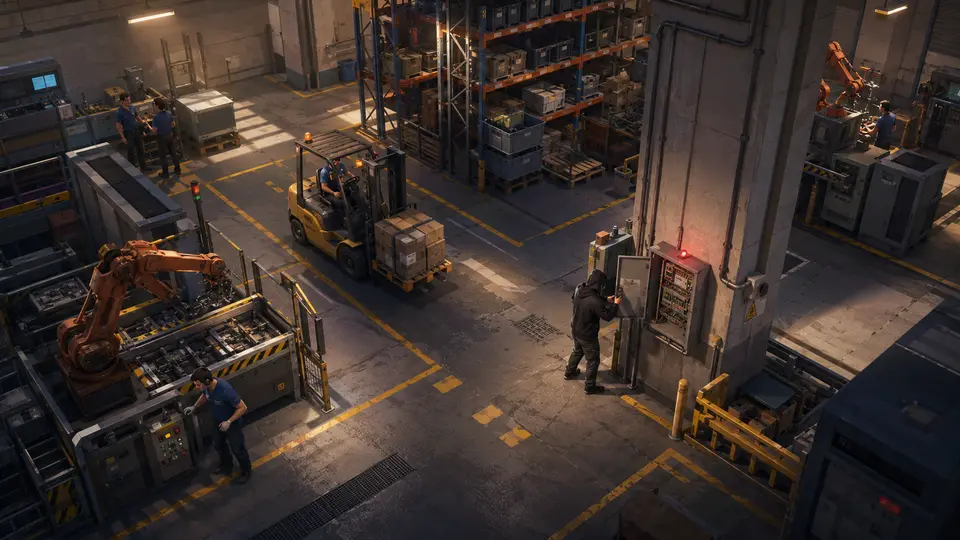
CAM-258An electrical panel open at eleven at night
«Tell me if anybody opens an electrical cabinet outside a scheduled intervention.»


What it doesn’t do
IRIS identifies nobody, and does not need to: it recognizes no faces, keeps no staff list and does not know whether that person had permission. Nor does it know what is inside the container or whether anything is missing: it sees that the door is open and since when. And it does not read your operations system unless it is connected to it; without that connection the expected hours are written by hand, and if the windows change every week, they have to be maintained.
Questions
- How does it tell a scheduled job from one that isn’t?
- By the time and the place, which is what the company has already written down. If block C operates from six to two, a door open at five in the afternoon is outside the window, and that gets flagged. If the work order can also be read from your system, the comparison gets finer and the number of alerts drops a lot. What IRIS never does is judge the person: it does not know who they are and does not try. It says something’s open when it wasn’t expected to be, and it’s someone in the company who interprets that.
- Will this not flood the shift with false alerts?
- If the window is written badly, yes, and that’s why it’s tuned before going live. The first week usually serves for exactly that: you look at the alerts, discover that block C actually operates until three thirty, and correct it. An alert that fires a hundred times and is nothing ninety-nine of them ends up turned off, and a switched-off rule protects nothing. That’s why we prefer to start with a few well-written windows rather than many half-written ones.
- Does it work for a refrigerated container?
- Yes, and there the rule is different because the damage is done by time. What’s watched isn’t only that the door is open, but how many minutes it’s been like that, and whether the power lead is out of its socket, lying on the ground. Five minutes with the doors open in the reefer row already means a load at risk, and that’s reported with the number of minutes up front. It doesn’t measure the temperature inside: the container’s own probe is there for that. It sees what can be seen from outside, and it sees it the whole time.
- Does it keep the video of what happened before it opened?
- Yes. Every alert arrives with the clip from just before, and that’s half the value. Seeing the door open says little; seeing the previous two minutes says whether a truck pulled up, whether they arrived with tools, or whether somebody left it like that on their way out. That’s what turns an alert into a decision, and what means that if explanations are eventually needed, nobody has to search through hours of recording: the sequence is already saved with its timestamp.
Every simulation
Something has spilled
Tell me if there is liquid or foam outside its place and it is still there two minutes later.
- The sentence
- Where it applies
- What it finds
- The same rule
Not seeing yours here?
These words are the ones we have built, not the ones IRIS understands. The list falls short on purpose: you ask for it in a sentence, and sentences don’t run out. Tell us what is in front of your cameras and we’ll tell you whether it understands it, or not yet.
And the best part
Video is late by definition:you watch it once the thing has already happened.
IRIS tells you while it’s happening, with the camera, the time and what it saw. Arriving in time changes the end of almost any story, and no new cameras are needed for that.
Tell us your problem and we’ll say whether IRIS understands it, or not yet.
A person answers, the same working day.